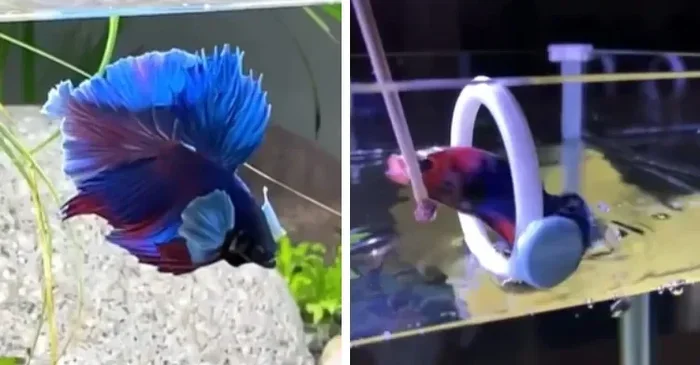
How to Breed Betta Fish in Hindi

Breeding betta fish in Hindi is easier than you think with the right guidance. This guide covers everything from picking the right male and female pair to raising healthy betta fry in your home aquarium. Whether you are a beginner or have some experience, you will find practical steps and expert tips to successfully breed your betta fish.
Breeding betta fish in Hindi is a topic that many fish lovers in India and around the world want to learn about. If you have ever wondered how to breed betta fish in Hindi, you are in the right place. This guide walks you through every step in simple, easy-to-follow language. You will learn how to pick the right fish, set up the perfect tank, and raise healthy baby bettas from eggs to fry.
The process of betta fish breeding can seem tricky at first. But with patience and the right knowledge, anyone can do it. Whether you are a complete beginner or someone who already keeps bettas, this article gives you the tools you need. We cover everything from choosing a healthy male and female betta to feeding tiny fry after they hatch. Let us dive right in and explore how to breed betta fish in Hindi the easy way.
Key Takeaways
- Choose the right pair: Pick a healthy male and female betta fish ready to breed for the best results.
- Set up the breeding tank properly: Use warm water at the right temperature and add floating plants for bubble nests.
- Watch for breeding signs: Learn to spot when your betta fish are ready to spawn and how to handle the process.
- Care for betta fry carefully: Feed small foods and keep the water clean to help baby bettas grow strong.
- Avoid common mistakes: Do not overcrowd the tank or skip water changes during the breeding cycle.
📑 Table of Contents
Understanding Betta Fish Breeding Basics
Before you start, it helps to understand the basics of breeding betta fish. Betta fish, also called Siamese fighting fish, are popular for their bright colors and long fins. They are labyrinth fish, which means they breathe air from the surface. This fact matters a lot when you set up a breeding tank.
Betta fish breeding happens when a male and female pair come together in the right conditions. The male builds a bubble nest at the surface of the water. Then he wraps around the female to collect the eggs. After spawning, the male takes care of the eggs and fry until they are free-swimming. Understanding this natural behavior is the first step toward success.
Why Breed Betta Fish in Hindi?
Many fish keepers in India and Hindi-speaking regions prefer guides in their own language. Learning how to breed betta fish in Hindi makes the process much more accessible. When you understand each step clearly, you feel more confident. You also make fewer mistakes because you grasp the details better. A guide in Hindi removes the language barrier and helps you focus on the fish, not on translation.
How to Choose the Right Breeding Pair
Picking the right pair is the most important part of betta fish breeding. A healthy male and female will give you the best chance of success. Here is what to look for when choosing your breeding pair.
Signs of a Healthy Male Betta Fish
A good male betta for breeding should be at least 4 to 6 months old. Look for bright, vivid colors and long, flowing fins. The male should be active and alert, not lethargic. His fins should be intact with no tears or redness. A healthy male will also build a bubble nest, which shows he is ready to breed.
Signs of a Healthy Female Betta Fish
The female should also be at least 4 to 6 months old. Look for a white spot called the egg spot on her underside. Her body should be plump and round, which means she is carrying eggs. The female should have good color and be active. Avoid females with torn fins or dull coloring, as they may not breed well.
If you want more details on finding the right female, check out our guide on how to find female betta fish ready to breed. It covers the signs in depth and helps you make the best choice.
Best Age for Breeding Betta Fish
The ideal age for breeding is between 4 and 12 months. Fish older than this can still breed, but younger fish tend to be more successful. Breeding too early or too late can cause problems. Always make sure both fish are healthy and well-fed before you introduce them.
Setting Up the Breeding Tank
A proper breeding tank is essential for successful betta fish breeding. You cannot just use any tank. The setup needs to mimic the natural conditions bettas prefer. Here is how to get it right.
Tank Size and Shape
Use a tank that is at least 10 gallons. A rectangular shape works best because it gives the male space to build his bubble nest. The water depth should be about 5 to 6 inches. This shallow depth helps the male build and maintain the nest at the surface.
Water Temperature and Conditions
Keep the water temperature between 78 and 82 degrees Fahrenheit. Use a heater to maintain a steady temperature. The water should be soft and slightly acidic. A pH level of 6.5 to 7.0 is ideal. Always use a filter, but make sure the flow is gentle. Strong currents can destroy the bubble nest.
Adding Floating Plants
Floating plants are a must in a breeding tank. They give the male a place to anchor his bubble nest. Java moss and duckweed are great choices. These plants also help keep the water clean and provide hiding spots for the female after spawning.
If you need help with tank setup, our article on how to breed betta fish in aquarium has detailed tips on creating the perfect environment.
The Breeding Process Step by Step
Now that your tank is ready and you have a healthy pair, it is time to start the breeding process. Follow these steps carefully for the best results.
Step 1: Condition the Fish
Before introducing the pair, feed them high-quality food for 1 to 2 weeks. Live or frozen foods like brine shrimp and bloodworms work best. This conditioning helps the female produce healthy eggs and prepares the male for breeding.
Step 2: Introduce the Pair
Place the female in a clear container inside the breeding tank. Let them see each other for a day or two. Watch for signs of aggression. If the male chases the female too aggressively, separate them. A little flaring is normal, but constant fighting can hurt the female.
Step 3: Watch for the Bubble Nest
The male will start building a bubble nest at the surface. This is a great sign that he is ready. The nest looks like a cluster of small bubbles. Once the nest is ready, the male will try to attract the female underneath it.
Step 4: Spawning
When the female is ready, she will show vertical stripes on her body. She will also curve her body in an S-shape. The male will wrap around the female to collect the eggs. This process may repeat several times. The female will release anywhere from 100 to 500 eggs.
After spawning, remove the female from the tank. The male will take care of the eggs and fry. He will pick up any eggs that fall and place them back in the nest. Do not disturb the tank during this time.
For a simpler approach to breeding, you can also read our guide on how to breed betta fish easy for beginner-friendly tips that make the process smoother.
Caring for Betta Fish Eggs and Fry
Once the eggs are in the bubble nest, the male takes over. He will guard the nest and care for the eggs until they hatch. This process takes about 24 to 48 hours. The eggs will hatch into tiny fry that still have a yolk sac attached.
First 3 Days After Hatching
Do not feed the fry for the first 2 to 3 days. They will live off their yolk sac. Keep the tank light dim and avoid any disturbances. The male will continue to watch over the fry and pick up any that fall from the nest.
Feeding Betta Fry
After the yolk sac is absorbed, you need to start feeding. Use infusoria or liquid fry food for the first week. After that, you can introduce baby brine shrimp. Feed the fry small amounts 3 to 4 times a day. Overfeeding can dirty the water quickly, so be careful.
Water Changes for Fry
Keep the water clean by doing small water changes. Use a turkey baster to remove uneaten food and waste. Change about 10 to 20 percent of the water every other day. Clean water is the key to healthy fry growth.
Moving Fry to a Grow-Out Tank
Once the fry are free-swimming and about 1 month old, you can move them to a grow-out tank. Use a tank with a sponge filter and gentle water flow. Continue feeding them high-quality food and watch their growth. Male fry will start to show color and fin development at around 2 to 3 months.
Common Mistakes to Avoid When Breeding Betta Fish
Even experienced fish keepers make mistakes. Here are some common errors to watch out for when you are breeding betta fish in Hindi or any language.
- Skipping the conditioning phase: Feeding the pair well before breeding leads to better egg quality and more successful spawning.
- Using a tank that is too deep: A deep tank makes it hard for the male to maintain the bubble nest. Keep the water shallow.
- Leaving the female in too long: Always remove the female after spawning. The male may become aggressive and harm her.
- Overfeeding the fry: Too much food fouls the water fast. Feed small amounts and remove leftovers.
- Not checking the water temperature: Fluctuations in temperature can stress the fish and cause the male to abandon the nest.
Expert Tips for Successful Betta Fish Breeding
Here are some expert insights that can take your breeding success to the next level. These tips come from years of experience and can save you time and frustration.
First, always quarantine your breeding pair for two weeks before introducing them to the breeding tank. This prevents diseases from spreading. Second, use a divider or clear container to let the pair see each other before full introduction. This reduces shock and aggression. Third, keep a log of your breeding attempts. Note the dates, water conditions, and results. This helps you improve over time.
Another great tip is to have a separate grow-out tank ready before the eggs hatch. You do not want to scramble for space when dozens of fry arrive. Finally, be patient. Not every breeding attempt will be perfect. Even experienced breeders have failed batches. Learn from each attempt and keep improving.
Key Takeaways
- Choose healthy, well-conditioned fish: A strong male and female pair makes all the difference in betta fish breeding.
- Set up the breeding tank correctly: Warm water, shallow depth, floating plants, and a gentle filter create the ideal environment.
- Follow the breeding process step by step: From conditioning to spawning, each step matters for success.
- Care for the fry with patience: Small frequent feedings and clean water help baby bettas grow strong and healthy.
- Avoid common mistakes: Overfeeding, wrong tank depth, and skipping quarantine can all lead to failure.
- Learn from every attempt: Each breeding cycle teaches you something new that improves your results over time.
Conclusion
Breeding betta fish in Hindi is a rewarding hobby that anyone can enjoy with the right knowledge. From choosing the perfect pair to raising healthy fry, every step matters. This guide has given you the tools and tips you need to succeed. Remember to be patient, keep the water clean, and always put the health of your fish first.
Whether you are just starting out or looking to improve your results, the key is to keep learning. Betta fish breeding takes practice, but the joy of seeing healthy baby bettas swim in your tank is worth every effort. Start today, follow these steps, and enjoy the wonderful world of betta fish breeding.
Frequently Asked Questions
What is the best age to breed betta fish?
The best age to breed betta fish is between 4 and 12 months. Fish in this age range are healthy, active, and most likely to produce viable eggs and successful spawning. Avoid breeding fish that are too young or too old, as this can lead to weak fry or failed breeding attempts.
How long does the betta fish breeding process take?
The entire breeding process from introduction to free-swimming fry takes about 2 to 4 weeks. The bubble nest takes a few days to build, spawning happens over several hours, and the eggs hatch in 24 to 48 hours. The male cares for the fry for another week before they become independent.
Can I breed betta fish in a small bowl?
It is not recommended to breed betta fish in a small bowl. A breeding tank of at least 10 gallons gives the fish enough space and helps maintain stable water conditions. A small bowl can cause stress and make it difficult for the male to build and maintain a proper bubble nest.
What should I feed betta fry?
Feed betta fry infusoria or liquid fry food for the first week. After that, introduce baby brine shrimp and micro worms. Feed small amounts 3 to 4 times a day. Always remove any uneaten food to keep the water clean and prevent disease in the fry.
Why did my male betta fish eat the eggs?
Male betta fish sometimes eat eggs if they are inexperienced or stressed. Poor water quality, too much disturbance, or an unsuitable tank setup can also cause this behavior. To prevent it, make sure the tank is calm, the water is clean, and the male is well-conditioned before breeding.
How many eggs does a female betta fish lay?
A female betta fish can lay anywhere from 100 to 500 eggs in one spawning session. Not all eggs will be fertile, and not all fry will survive. With proper care and clean water, you can expect a good percentage of healthy fry to grow to adulthood over the coming weeks.