How Old Is a Betta Fish in Human Years

Figuring out how old a betta fish is in human years is simpler than most people think. A betta fish typically lives 3 to 5 years, which roughly equals 16 to 40 human years depending on the life stage. Knowing your betta’s age helps you give the right care at every point of its life.
Have you ever looked at your betta fish and wondered, how old is a betta fish in human years? It is a great question, and one that many fish owners ask. Your betta is more than just a colorful pet. It is a living creature with a lifespan, personality, and age-related needs. Understanding your betta’s age helps you give it the best life possible.
The good news is that you do not need a lab to figure this out. You can estimate your betta’s age by watching its behavior, checking its colors, and knowing the typical betta fish life stages. In this guide, we will walk you through everything you need to know about betta fish age, from baby to senior years.
Key Takeaways
- Betta fish live 3 to 5 years on average, which is roughly 16 to 40 human years.
- You can estimate a betta’s age by looking at color, fins, activity level, and body shape.
- Water quality, diet, and tank size all play a big role in how long your betta lives.
- Young bettas grow fast in the first few months, reaching full size by about 6 months.
- Senior bettas need special care, including warmer water and easier access to food.
- Signs of aging include faded colors and slower movement, which may also signal health issues.
📑 Table of Contents
What Is the Average Betta Fish Lifespan?
Most betta fish live between 3 and 5 years in captivity. Some lucky owners report their bettas reaching 6 or even 7 years with excellent care. But the average is right around 3 to 5 years. So when you ask, how old is a betta fish in human years, the answer depends on where your fish is in its life journey.
A betta that is 1 year old is like a teenager in human terms. A betta at 3 years old is entering its middle age. And a betta at 4 or 5 is considered a senior. This comparison is not exact, but it helps you understand what your fish needs at each stage.
Many factors play into how long a betta fish life span actually is. Genetics matter, but so does the environment. A clean tank, proper food, and stable water temperature can add months or even years to your betta’s life. If you want to learn more about extending your betta’s life, check out our guide on how long a betta fish life span is.
Why Captivity Lifespan Differs from Wild Lifespan
In the wild, bettas often live shorter lives. The water conditions in rice paddies and slow-moving streams can be harsh. There are predators, disease, and limited food. In a home tank, your betta has a much safer environment. That is why captive bettas typically outlive wild bettas by a fair margin.
How to Tell How Old a Betta Fish Is
So how do you actually figure out your betta’s age? There is no official birth certificate for fish. But there are several clues you can look for. These signs of betta fish age are easy to spot once you know what to watch for.
Check the Color Intensity
Young bettas often have duller colors. As they mature, their colors become vivid and intense. A bright, vibrant betta is likely an adult. If your betta’s colors start to fade, it may be entering its senior years. This is one of the most reliable betta fish age signs to watch for.
Look at the Fins
Young bettas have shorter, less flowing fins. As they age, their fins grow longer and more elaborate. But here is the flip side. Senior bettas may see their fins start to tear or fray. The fin condition gives you a good clue about where your fish is in its life cycle.
Watch the Activity Level
Young bettas are energetic and curious. They explore their tank, build bubble nests, and flare at reflections. Older bettas slow down. They sleep more and swim less. If you notice a big drop in energy, your betta might be getting up there in betta fish years.
Observe the Body Shape
A healthy adult betta has a sleek, streamlined body. Very young bettas look more rounded and compact. Senior bettas may appear thinner or develop a curved back. Weight changes can also signal aging or health problems. If you are worried, learn more about how do you know a betta fish is dying so you can spot trouble early.
Ask the Breeder or Store
If you bought your betta from a reputable breeder or fish store, ask when it was hatched. Most stores keep records. This is the most accurate way to know your betta’s exact age. But even without that information, the signs above give you a solid estimate.
Betta Fish Life Stages and Human Year Equivalents
Understanding the betta fish life stages makes the human year conversion much easier. Let us break it down by age.
| Betta Age | Human Year Equivalent | Life Stage |
|---|---|---|
| 0 to 3 months | 0 to 5 years | Baby (Fry) |
| 3 to 6 months | 5 to 15 years | Juvenile |
| 6 months to 2 years | 15 to 30 years | Young Adult |
| 2 to 4 years | 30 to 50 years | Mature Adult |
| 4 to 5+ years | 50 to 70+ years | Senior |
Keep in mind that this table is an approximation. There is no scientific formula that perfectly converts betta fish years to human years. The table is based on general betta development and aging patterns. It is a helpful guide, not an exact science.
The Baby Stage (0 to 3 Months)
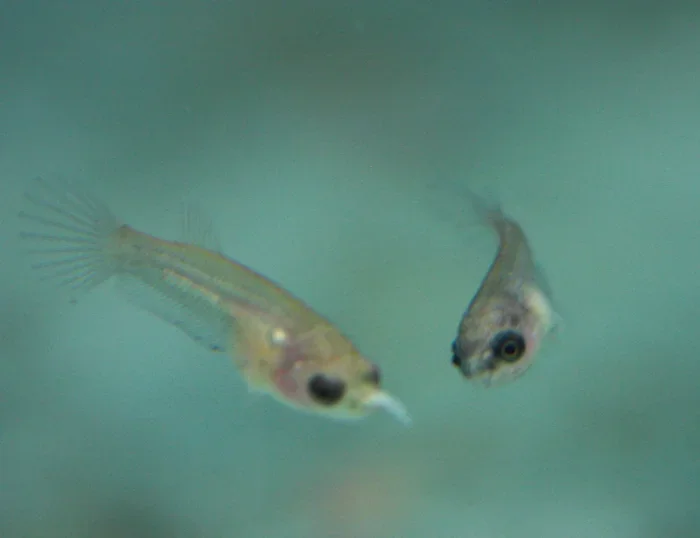
Baby bettas, also called fry, are tiny and fragile. They are about the size of a grain of rice. During this stage, they grow rapidly. Their colors start to appear around week 4 or 5. Fry need very warm water and tiny food like infusoria or baby brine shrimp. This stage is all about growth and survival.
The Juvenile Stage (3 to 6 Months)
By 3 months, your betta is a juvenile. Its colors become more defined, and its fins start to grow. This is an exciting time for any betta owner. Your fish is basically a teenager full of energy and personality. This is also when you can tell if you have a male or female based on fin length and coloring.
The Young Adult Stage (6 Months to 2 Years)
This is the prime of your betta’s life. Colors are at their brightest, fins are fully developed, and your fish is at its most active. This is the stage where bubble nest building is common. Your betta is essentially the equivalent of a human in their 20s and 30s. It is a wonderful time to enjoy your pet.
The Mature Adult Stage (2 to 4 Years)
Around age 2, your betta starts to show subtle signs of maturity. Colors may stay bright but activity can decrease slightly. This is a good time to review your tank setup. Make sure your betta fish tank is at least 5 gallons and that the water is clean. For tips on maintaining water quality, see our guide on how to change the water in a betta fish tank.
The Senior Stage (4 Years and Beyond)
A betta over 4 years old is considered a senior. You may notice faded colors, slower swimming, and less interest in food. Some senior bettas also develop white spots or a curved spine. These changes are normal but should be monitored closely. If you see signs of illness, check out our article on how can you tell if a betta fish is dying for important warning signs.
Factors That Affect Betta Fish Aging
Not all bettas age at the same rate. Several factors can speed up or slow down the aging process. Understanding these can help you give your betta the longest, healthiest life possible.
Water Quality
This is the number one factor. Dirty water stresses your betta and weakens its immune system. Ammonia and nitrite spikes are deadly. Regular water changes keep your betta healthy and can significantly extend its betta fish lifespan in captivity. Aim for a 25 to 50 percent water change every week.
Tank Size
Many people keep bettas in tiny bowls, but this is not ideal. A 5 gallon tank is the minimum recommended size. Larger tanks provide more stable water parameters and room to swim. Studies show that bettas in larger tanks live longer, healthier lives. Want to know how many fish you can keep with your betta? Read how many fish in a 10 gallon tank with a betta.
Diet and Nutrition
What you feed your betta matters a lot. A diet of high-quality betta pellets, frozen bloodworms, and occasional brine shrimp keeps your fish strong. Overfeeding is a common mistake that can lead to obesity and shortened lifespan. Feed your betta 2 to 3 pellets twice a day, and skip one feeding day per week.
Temperature Stability
Bettas are tropical fish. They need warm water between 78 and 80 degrees Fahrenheit. Cold water slows their metabolism and makes them sluggish. A heater is essential for any betta tank. Temperature swings stress the fish and can accelerate aging.
Genetics
Just like humans, some bettas are simply genetically predisposed to live longer. Bettas from reputable breeders often have better genetics than those from mass-breeding facilities. If you are buying a betta, choose a breeder who focuses on health and color quality.
How to Help Your Betta Fish Live Longer
You cannot control genetics, but you can control the environment. Here are practical steps to help your betta live its longest life.
- Keep the tank clean. Perform regular water changes and use a gentle filter. Bettas prefer slow currents, so choose a filter with an adjustable flow.
- Feed a balanced diet. Mix pellets with frozen or live foods for variety and nutrition.
- Maintain stable temperatures. Use a reliable heater and thermometer. Avoid placing the tank near windows or drafts.
- Provide enrichment. Add plants, caves, and open swimming space. Bettas get bored in empty tanks. Check out our article on do betta fish get bored in a tank for ideas.
- Watch for illness early. Look for clamped fins, loss of color, or unusual behavior. Early treatment saves lives.
- Avoid aggressive tank mates. Bettas are territorial. Choose peaceful species if you want to add companions. Learn more in our guide on can you put other fish in with a betta fish.
Quick Tips for Senior Betta Care
- Keep the water temperature on the warmer side, around 80 degrees.
- Soak pellets before feeding to make them softer and easier to eat.
- Place food near your betta so it does not have to swim far.
- Watch for signs of swim bladder issues or constipation.
- Give your betta plenty of rest and avoid loud noises near the tank.
Common Signs of Aging in Betta Fish
As your betta gets older, you will notice changes. Some are completely normal, while others may signal a health problem. Knowing the difference helps you respond appropriately.
- Faded or dull colors – This is a natural part of aging. Colors that were once bright may become muted.
- Slower swimming – Your betta may sleep more and explore less. This is expected in senior fish.
- Fins that tear easily – Older fins become more fragile and prone to damage.
- Curved or hunched back – This can be a sign of spinal deformation, common in very old bettas.
- White spots or patches – These may indicate fungal or bacterial infections that are more common in aging fish.
- Loss of appetite – Some appetite loss is normal, but complete refusal to eat needs attention.
If you notice any of these signs, do not panic. Many aging bettas live comfortably for months or even years with proper care. However, if symptoms worsen quickly, consult a fish veterinarian or experienced aquarist. Understanding these changes also helps you answer the question, how old is a betta fish in human years, with more confidence.
Expert Insight on Betta Aging
Experienced aquarists agree that the key to a long betta life is prevention. Regular water testing, consistent feeding, and a stress-free environment go a long way. The better you care for your betta from day one, the longer it will thrive. And while you cannot turn back the clock, you can make every year of your betta’s life comfortable and fulfilling.
Conclusion
So, how old is a betta fish in human years? The answer depends on your fish’s current age, health, and living conditions. A well-cared-for betta can live 4 to 5 years, which translates to roughly 30 to 50 human years in the prime of life. From the bright colors of a young adult to the slower pace of a senior, every stage of your betta’s life deserves attention and love.
Pay attention to the signs of aging, maintain excellent water quality, and provide a nutritious diet. These simple steps make a huge difference. Your betta may not live forever, but with the right care, you can give it a full and happy life. And that is the best gift any fish owner can give.
Remember, age is just a number. What matters most is the quality of life you provide for your colorful companion every single day.
Frequently Asked Questions
Can you tell exactly how old a betta fish is?
No, there is no exact way to determine a betta fish’s age after it has been sold. The best method is to estimate based on physical signs like color intensity, fin length, and activity level. If you bought your betta from a breeder, they may be able to tell you the hatch date.
What is the oldest a betta fish has ever lived?
The oldest recorded betta fish lived to around 6 or 7 years old. This is extremely rare and usually happens with exceptional care, perfect water conditions, and a healthy diet. Most bettas live closer to the 3 to 5 year range.
Do betta fish age faster in small bowls?
Yes, bettas kept in small bowls or unfiltered tanks often have shorter lifespans. Poor water quality causes stress, which accelerates aging. A proper 5 gallon tank with a gentle filter and heater gives your betta the best chance at a long, healthy life.
How can I make my betta fish live longer?
Focus on water quality, diet, and tank size. Perform regular water changes, feed a varied and nutritious diet, and keep the tank at least 5 gallons with a stable temperature. Avoid overcrowding and watch for early signs of illness.
At what age is a betta fish considered fully grown?
Betta fish are considered fully grown by about 6 to 7 months of age. By this time, their colors are vivid, their fins are fully developed, and they have reached their adult size. However, they continue to mature in behavior and personality for another year or so.
Is my betta fish old if it stays at the bottom of the tank?
Not necessarily. While senior bettas may rest more at the bottom, staying at the bottom can also signal illness, poor water quality, or stress. Check your water parameters first. If the water is clean and the temperature is right, consider the fish’s age and overall health before assuming it is just old.