How Many Fish in a 10-gallon Tank with a Betta

Wondering if you can share a 10‑gallon tank with your betta? This guide breaks down the numbers, species choices, and essential tank setup tips so you can create a peaceful, thriving aquarium. Follow our easy steps and enjoy a vibrant community without stressing your betta.
Key Takeaways
- Space matters: A 10‑gallon tank can comfortably house a betta plus a few small, peaceful tank mates.
- Choose the right species: Opt for bottom‑dwellers, small schooling fish, or invertebrates that won’t nip at fins.
- Maintain water quality: Proper cycling, filtration, and regular water changes keep all inhabitants healthy.
- Observe temperament: Each betta is unique; watch for aggression and be ready to adjust the community.
- Provide plenty of hiding spots: Plants, caves, and decorations reduce stress and create territories.
- Start slow: Add one species at a time and monitor the tank for a week before introducing another.
- Use reliable resources: Follow proven care guides, such as how to clean a 10‑gallon betta fish tank, to keep the environment stable.
📑 Table of Contents
- Introduction: Can a Betta Share a 10‑Gallon Home?
- 1. Understanding Tank Capacity and the “One‑Inch Per Gallon” Rule
- 2. Choosing the Best Tank Mates for a Betta
- 3. Setting Up the 10‑Gallon Tank for a Community
- 4. How Many Fish Can You Actually Keep?
- 5. Ongoing Care: Maintenance, Monitoring, and Adjustments
- Conclusion: A Balanced Community Is Possible
Introduction: Can a Betta Share a 10‑Gallon Home?
Betta fish are famous for their vivid colors and bold personalities. Many new owners wonder if they can keep a betta with other fish, especially when the tank size is limited to 10 gallons. The short answer is yes—provided you choose the right companions and manage the environment carefully. In this article we’ll answer the burning question, how many fish in a 10‑gallon tank with a betta, and walk you through the practical steps to create a harmonious community.
We’ll cover the science of space, the behavior of bettas, ideal tank mates, and essential maintenance tips. By the end, you’ll have a clear plan that lets you enjoy a lively aquarium without compromising the health of your prized betta.
1. Understanding Tank Capacity and the “One‑Inch Per Gallon” Rule
Why the rule matters
The aquarium hobby often uses a simple guideline: one inch of adult fish per gallon of water. This rule helps prevent over‑stocking, which can lead to poor water quality, stressed fish, and disease outbreaks. For a 10‑gallon tank, that translates to roughly 10 inches of fish.

Visual guide about How Many Fish in a 10-gallon Tank with a Betta
Image source: lotusarise.com
Adjusting for bettas
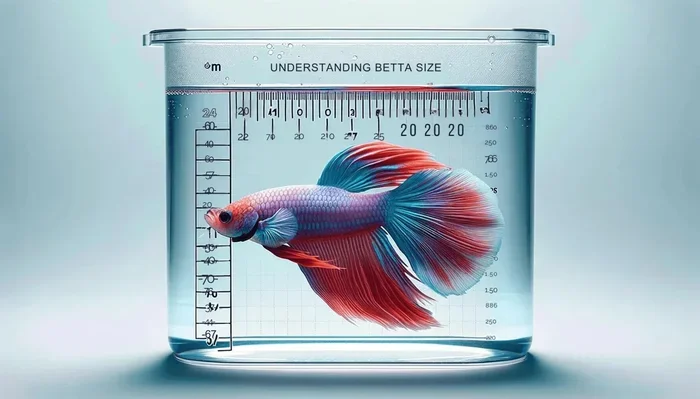
Bettas are a bit of an exception. They are territorial and prefer vertical space to display their fins. A single adult betta usually occupies about 2‑3 inches of “visual” length, even though the fish itself is only a few inches long. Therefore, after accounting for the betta, you have roughly 7‑8 inches of fish space left for companions.
Practical calculation
Let’s break it down with a quick example:
- Betta: 2.5 inches (visual space)
- Remaining space: 10 gallons – 2.5 inches = 7.5 inches
- If you add neon tetras (1.5 inches each), you could keep up to five of them (5 × 1.5 = 7.5).
Remember, this is a guideline, not a hard rule. Water quality, filtration, and behavior are equally important.
2. Choosing the Best Tank Mates for a Betta
Bottom‑dwelling fish
Bottom‑dwellers stay out of the betta’s vertical territory and are usually too slow to provoke aggression. Good choices include:

Visual guide about How Many Fish in a 10-gallon Tank with a Betta
Image source: b-pep.com
- Corydoras catfish: Small, peaceful, and love to scavenge leftover food.
- Kuhli loaches: Snake‑like and very shy; they hide among plants.
- Otocinclus algae eaters: Tiny, gentle, and great for algae control.
Small schooling fish
If you prefer a splash of color, look for tiny, fast‑moving schools that keep to the middle or upper levels. Ideal candidates are:
- Neon tetras: 1.5 inches, bright blue‑red stripes, and need groups of six or more.
- Harlequin rasboras: Slightly larger (2 inches) but still peaceful in groups.
- White cloud mountain minnows: Hardy and love cooler water.
Always introduce schooling fish in a group to reduce stress and keep them together.
Invertebrates as companions
Snails and shrimp can coexist nicely with a betta, provided the betta isn’t a fin‑nipper. Species such as:
- Mystery snails – They clean algae and are too big for most bettas to bother.
- Cherry shrimp – Small, colorful, and good for bio‑film control.
Species to avoid
Long‑finned or aggressive fish (e.g., guppies, goldfish, or other bettas) can trigger fights. Also steer clear of fin‑nipping barbs or dwarf cichlids.
3. Setting Up the 10‑Gallon Tank for a Community
Filtration and aeration
A reliable filter is non‑negotiable. It removes waste, keeps ammonia and nitrite low, and provides gentle water movement. Choose a filter rated for 15‑20 gallons to avoid strong currents that can stress a betta.

Visual guide about How Many Fish in a 10-gallon Tank with a Betta
Image source: bkimg.cdn.bcebos.com
Heating and temperature stability
Bettas thrive at 76‑82°F (24‑28°C). Most tropical tank mates share this range, making temperature management straightforward. Use a reliable aquarium heater and a thermometer to monitor daily.
Substrate and décor
Soft sand or fine gravel protects delicate barbels. Add plenty of live or silk plants, driftwood, and caves to create hiding spots. Plants such as Java fern, Anubias, and Marimo moss balls are low‑maintenance and provide surface area for beneficial bacteria.
Lighting
12‑10 hours of moderate lighting mimics natural day cycles. Too much light can encourage algae, so keep it balanced.
Starting the cycle
Before adding any fish, you must cycle the tank to establish beneficial bacteria. Follow a proven method, such as how to cycle a betta tank with fish, or use a fish‑in‑cycle approach if you’re experienced. Never skip this step; a cycled tank is the foundation for a healthy community.
4. How Many Fish Can You Actually Keep?
Scenario 1: Betta + Bottom‑dwellers Only
With a betta (2.5 inches) and two Corydoras catfish (2 inches each), you’re at 6.5 inches total. This leaves ~3.5 inches for a small shrimp or snail. This setup is low‑stress and easy to maintain.
Scenario 2: Betta + Small School
Betta (2.5) + a school of six neon tetras (6 × 1.5 = 9) would exceed the 10‑inch guideline (total 11.5 inches). To stay within limits, either reduce the school to four tetras (total 8.5 inches) or choose a slightly larger tank.
Scenario 3: Mixed Community
Betta (2.5) + one Kuhli loach (4 inches) + three neon tetras (4.5 inches) = 11 inches. This is borderline; you can make it work if you have excellent filtration and perform weekly 25% water changes. Monitor ammonia closely.
Practical recommendation
For most hobbyists, the safest bet is:
- One betta
- Two small bottom‑dwelling fish (e.g., Corydoras)
- One or two snails or shrimp
This totals about 6‑7 inches of fish, leaving plenty of room for growth and water movement.
5. Ongoing Care: Maintenance, Monitoring, and Adjustments
Water changes
Change 20‑30% of the water weekly. Use a water conditioner to neutralize chlorine and chloramines. Consistent water changes keep nitrate levels low and prevent disease.
Testing water parameters
Test weekly for ammonia, nitrite, nitrate, and pH. Ideal ranges for a betta community:
- Ammonia: 0 ppm
- Nitrite: 0 ppm
- Nitrate: < 20 ppm (keep under 40 ppm)
- pH: 6.5‑7.5
Feeding strategies
Feed the betta once or twice daily with high‑quality pellets or frozen foods. Feed the community fish a tiny pinch of flake or micro‑pellets once daily. Overfeeding is a common cause of water cloudiness.
Behavioral checks
Watch for signs of stress: faded colors, clamped fins, or hiding all the time. If the betta shows aggression toward tank mates, be prepared to relocate the other fish.
Cleaning the tank
Use a siphon to vacuum the substrate during water changes. For a deeper clean, refer to how to clean a 10 gallon betta fish tank. Avoid soaps or detergents; they are toxic to fish.
Conclusion: A Balanced Community Is Possible
Answering the central question—how many fish in a 10‑gallon tank with a betta—depends on species, size, and diligent maintenance. A safe formula is to keep the total fish length under 8‑9 inches, prioritize peaceful bottom‑dwellers or small schools, and maintain excellent water quality. With these guidelines, you can enjoy a vibrant, low‑stress aquarium where your betta shines and its companions thrive.
Remember, each betta has a unique personality. Start with a small, well‑chosen community, observe closely, and adjust as needed. Happy fish‑keeping!
Frequently Asked Questions
Can I keep more than one betta in a 10‑gallon tank?
Generally no. Bettas are territorial and will often fight, especially in a small space. If you want multiple bettas, consider a larger tank (20 gallons or more) and use a divided setup.
What is the best filtration method for a community tank with a betta?
A gentle hang‑on‑back (HOB) filter rated for 15‑20 gallons works well. It provides biological filtration without creating a strong current that can stress a betta.
Are live plants necessary for a betta community?
Live plants are not required but highly recommended. They improve water quality, offer hiding spots, and make the tank look natural.
How often should I test the water in a 10‑gallon betta tank?
Test the water weekly for ammonia, nitrite, nitrate, and pH, especially during the first two months after adding new fish.
Can I add shrimp to a tank that already has a betta?
Yes, many bettas ignore shrimp, but some may nip at them. Start with a few hardy shrimp like cherry shrimp and watch the betta’s reaction.
What should I do if my betta attacks the other fish?
Immediately remove the aggressor or the target fish. Re‑evaluate tank mates, add more hiding places, and consider reducing the number of companions.