Are Betta Fish Etible
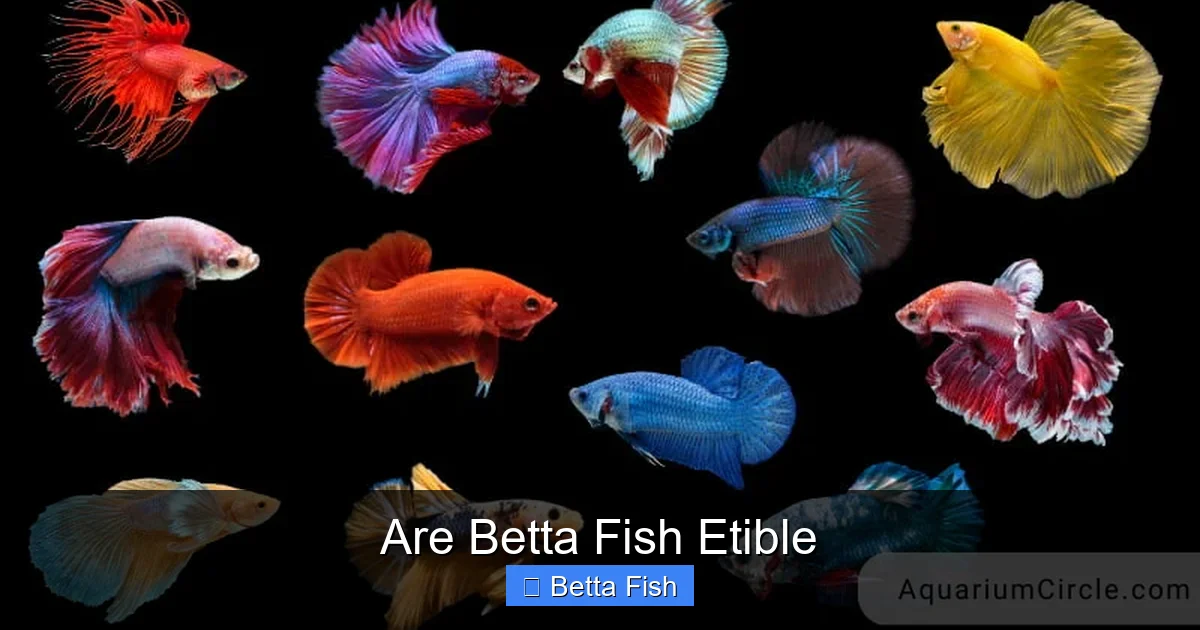
Betta fish are not commonly eaten, and most experts advise against it. While technically possible to prepare, health risks, ethical considerations, and the tiny size of bettas make them unsuitable for regular meals.
Key Takeaways
- Not a traditional food: Betta fish are ornamental, not raised for consumption.
- Health risks exist: Potential toxins and parasites can make eating bettas unsafe.
- Size matters: Their small size provides very little edible meat.
- Legal and ethical issues: Some regions restrict killing ornamental fish for food.
- Alternative options: If you crave fish, choose species bred for eating.
- Proper preparation: If you ever decide to try, thorough cleaning and cooking are essential.
- Know the facts: Understanding biology helps you make an informed choice.
📑 Table of Contents
Introduction: Why the Question Even Comes Up
When you look at a bright, flowing betta fish, it’s easy to think of it as just a pretty pet. Yet, some curious owners wonder, “are betta fish etible?” The question isn’t new – people have asked about eating ornamental fish for centuries. In this article we’ll walk through the biology, safety, and ethics of eating betta fish, so you can decide for yourself.
We’ll keep the tone friendly, like chatting with a fellow hobbyist over coffee. Expect short sentences, plain language, and plenty of practical tips. By the end you’ll know exactly why bettas are generally not a culinary choice and what alternatives exist if you’re craving fish.
What Makes a Fish Edible?
Edibility Basics
For a fish to be considered edible, it needs three things:
Visual guide about Are Betta Fish Etible
Image source: a-z-animals.com
- Safe flesh: Low levels of toxins, parasites, or heavy metals.
- Enough meat: A size that makes preparation worthwhile.
- Cultural acceptance: Traditions that support eating the species.
Most commercial food fish – salmon, tilapia, catfish – meet these criteria because they are farmed, tested, and harvested in large numbers.
Betta Fish Biology
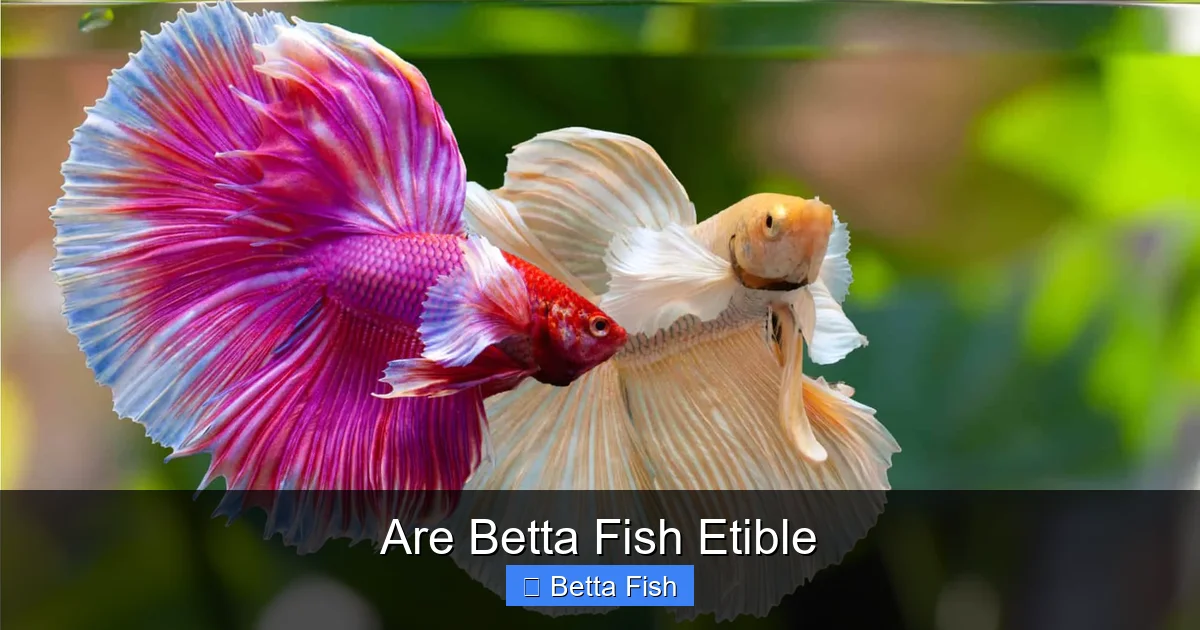
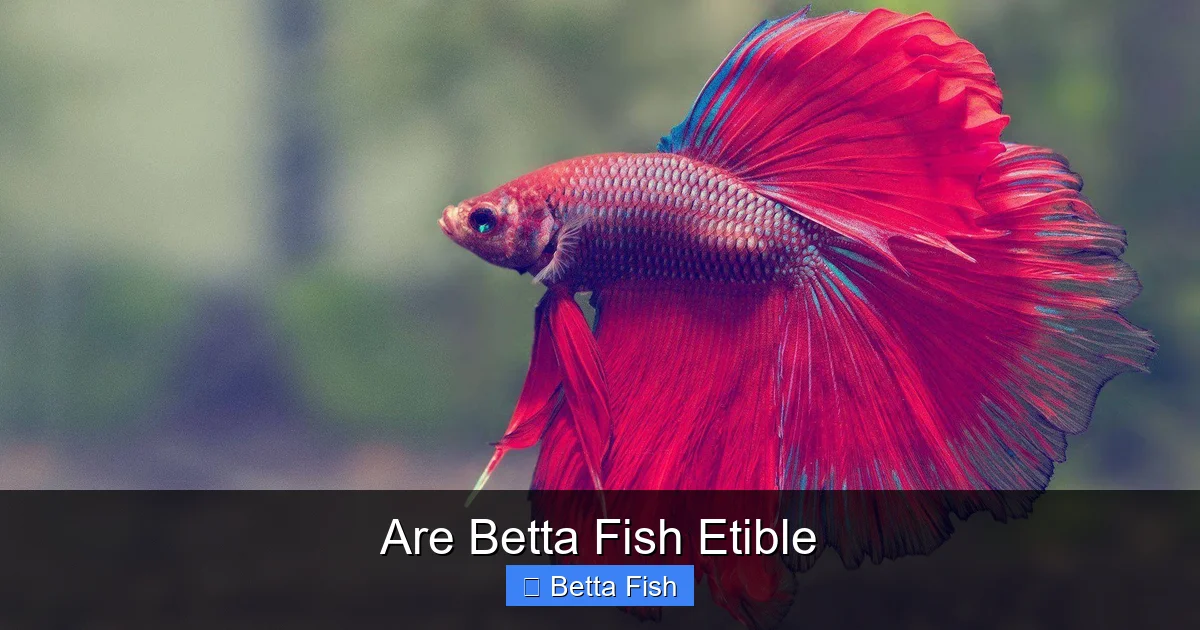
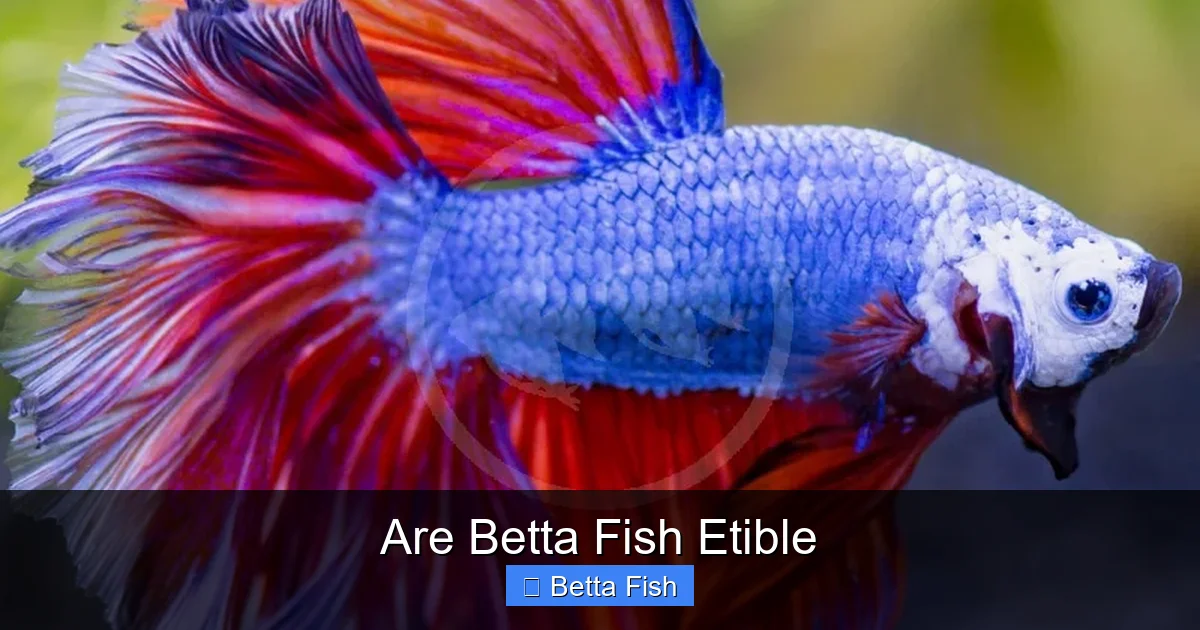
Betta fish (Betta splendens) are small, freshwater freshwater fish native to shallow rice paddies in Southeast Asia. They grow to about 2‑3 inches, have a labyrinth organ for breathing air, and are prized for their vivid colors and flowing fins.
Because they are bred for looks, not meat, their bodies contain very little flesh. Most of their weight is made up of bone, scales, and the elaborate finnage that hobbyists love.
Health Risks of Eating Betta Fish
Potential Toxins
Betta fish are often kept in small containers with untreated tap water. This environment can expose them to:
Visual guide about Are Betta Fish Etible
Image source: wallpapers.com
- Heavy metals like copper and lead.
- Ammonia spikes from poor water changes.
- Algae toxins if the tank isn’t cleaned.
These substances can accumulate in the fish’s tissue, making them unsafe for human consumption.
Parasites and Diseases
Ornamental fish are prone to parasites such as Ichthyophthirius multifiliis (ich) and bacterial infections. Without proper veterinary inspection, you could ingest harmful organisms.
Allergic Reactions
Even if the fish is clean, some people react to the proteins in exotic species. Because bettas are not a common food, there is little data on allergy rates, so caution is advised.
Legal and Ethical Considerations
Animal Welfare
Betta fish are often sold as pets, not food. Killing them for a meal can be seen as unethical, especially when the fish were purchased with the expectation of a long, decorative life.
Visual guide about Are Betta Fish Etible
Image source: aquaticsunlimited.com
Regulations
In many countries, ornamental fish are protected under pet‑trade regulations. While there is rarely a law that outright bans eating a betta, local wildlife or animal cruelty statutes could apply if the fish is harvested in a cruel manner.
Alternative Perspectives
In some Asian cultures, small ornamental fish have historically been used in soups or as novelty dishes. If you are exploring traditional cuisine, it’s essential to source the fish from a reputable market that follows food‑grade standards, not a pet store.
Practical Steps If You Still Want To Try
Choosing the Right Betta
Pick a healthy, disease‑free fish. Avoid any that show signs of fin rot, white spots, or abnormal behavior.
Cleaning and Preparation
- Rinse the fish in cold, filtered water to remove slime.
- Remove the scales gently with a small brush.
- Trim the fins – they are not edible and add a bitter taste.
- Gut the fish quickly to prevent bacterial growth.
Cooking Methods
Because the meat is thin, quick, high‑heat methods work best:
- Deep‑frying: Coat in a light batter and fry for 1‑2 minutes.
- Tempura: Dip in a thin tempura batter for a crisp bite.
- Broiling: Lightly oil and broil for 2‑3 minutes per side.
Always ensure the internal temperature reaches at least 145°F (63°C) to kill any lingering pathogens.
Flavor Pairings
Due to the mild flavor, pair betta fish with strong sauces – soy‑ginger glaze, chili oil, or lemon butter can mask any fishy aftertaste.
Better Alternatives to Satisfy Your Craving
Edible Fish That Look Similar
If you love the delicate texture of small fish, try guppies or whitebait, which are harvested for food in many regions.
Plant‑Based Options
For a cruelty‑free alternative, consider seaweed snacks or tofu seasoned to mimic fish flavor. These choices avoid the health and ethical concerns tied to bettas.
Learning More About Betta Care
Understanding why bettas are kept as pets can shift your perspective. For example, reading are betta fish easy to care for shows the dedication owners put into their well‑being, making the idea of eating them feel less appealing.
Conclusion: The Bottom Line on “Are Betta Fish Etible?”
Technically, you could clean and cook a betta fish, but the risks outweigh the benefits. Their tiny size provides negligible meat, and the potential for toxins, parasites, and legal issues makes them a poor choice for a meal. Instead, enjoy bettas for their beauty and personality, and select fish that are raised specifically for consumption if you want a tasty, safe dish.
Remember, the joy of keeping a betta comes from watching its vibrant fins flare, not from plating it on a plate. Choose responsibly, stay informed, and keep your aquarium a happy home.
Frequently Asked Questions
Are betta fish safe to eat?
Generally no. Betta fish can carry toxins and parasites from their tank environment, making them unsafe for human consumption.
What is the biggest health concern when eating bettas?
The biggest concerns are heavy metals, ammonia residues, and parasitic infections that can be transferred to humans.
Do any cultures actually eat betta fish?
Yes, some traditional Asian cuisines have used small ornamental fish in soups or as novelty dishes, but they source them from food‑grade markets, not pet stores.
Is it illegal to eat a betta fish?
There is no specific law banning it in most places, but animal welfare regulations may apply if the fish is killed inhumanely.
Can I cook a betta fish the same way I cook other small fish?
You can use quick, high‑heat methods like frying or tempura, but the meat is so thin that it cooks in under two minutes.
What are better fish to eat if I want a small, delicate flavor?
Consider whitebait, anchovies, or small farmed species that are raised for food and have established safety standards.