How Old Is a New Pet Store Betta Fish
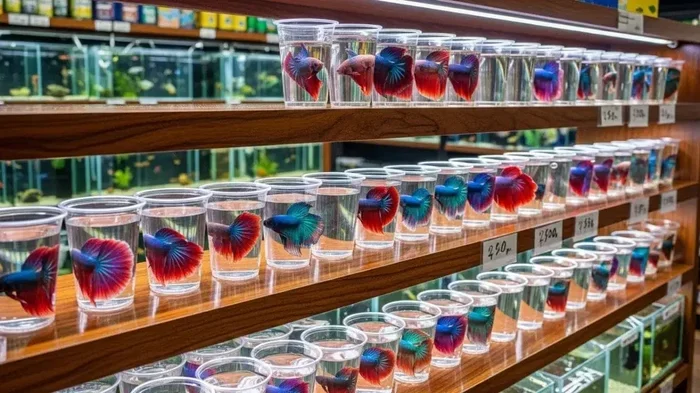
A new pet store betta fish is typically between 3 and 6 months old. Most bettas sold in stores are juveniles, not newborns. Knowing the approximate age helps you plan the right tank setup, feeding schedule, and care routine. Learning how old is a new pet store betta fish is the first step toward giving your fish a healthy, happy life.
Key Takeaways
- Pet store bettas are usually 3 to 6 months old: Most fish you buy from a pet store are young juveniles, not babies or full adults.
- Size, color, and fin development reveal age: A betta’s physical traits give strong clues about how old it really is.
- Young bettas need special care: Juvenile fish have different feeding and water requirements than adult bettas.
- Knowing the age helps you plan tank setup: The right tank size and setup depends on where your fish is in its life stage.
- A healthy pet store betta can live 3 to 5 years: Proper care from day one greatly impacts lifespan.
- Always inspect the fish before buying: Look for bright colors, active behavior, and no signs of illness.
📑 Table of Contents
- How Old Is a New Pet Store Betta Fish?
- How to Estimate the Age of a Pet Store Betta Fish
- Typical Age Range of Betta Fish at Pet Stores
- What to Do When You Bring Your New Betta Home
- Common Mistakes New Betta Owners Make
- How Long Can a Pet Store Betta Fish Live?
- How to Tell if Your Betta Fish Is Aging Well
- Final Thoughts on the Age of a New Pet Store Betta Fish
How Old Is a New Pet Store Betta Fish?
When you bring home a new pet store betta fish, one of the first questions you probably have is: how old is it? The age of your fish matters more than you might think. It affects everything from feeding habits to tank setup and even how long your fish will live. Understanding betta fish age at the pet store helps you give your new companion the best possible start in life.
Most bettas sold at pet stores are not newborns. They are usually juveniles who are old enough to be separated from their parents and sold. A typical pet store betta is somewhere between 3 and 6 months old. However, the exact age can vary depending on the store, the supplier, and how the fish was raised. Let us break down what you need to know about how old a new pet store betta fish really is.
Why Does the Age of a Betta Fish Matter?
The age of your betta fish shapes its care routine. Young fish need different food portions, more frequent feedings, and carefully controlled water conditions. Adult bettas, on the other hand, do well with a simpler routine. If you do not know the age, you might overfeed, underfeed, or set up the wrong tank environment. Knowing the approximate age removes a lot of guesswork from betta fish care.
Age also plays a role in behavior. Younger bettas tend to be more energetic and curious. Older bettas might be calmer and sleep more. Recognizing these patterns helps you create a comfortable home for your fish. It also helps you spot problems early. For example, if a young betta suddenly becomes lethargic, that could signal a health issue that needs quick attention.
How to Estimate the Age of a Pet Store Betta Fish
Pet stores rarely tell you the exact age of their bettas. So how do you figure it out? You rely on visual clues and physical development. These signs are easy to spot once you know what to look for. Estimating betta fish age is not an exact science, but it gets you close enough to adjust care properly.
Check the Size of the Fish
Size is one of the most reliable indicators of age. A newborn betta is tiny, usually less than half an inch long. By the time a betta reaches the pet store, it has typically grown to about 1 to 2 inches. A pet store betta fish that is around 1.5 inches long is likely somewhere between 3 and 4 months old. Fish that are closer to 2 inches may be 5 to 6 months old.
Keep in mind that growth rates depend on diet and water quality. A well-fed betta in clean water will grow faster than one kept in poor conditions. This is why how to take care of a betta fish water matters so much from day one.
Look at the Color Intensity
Young bettas often have duller colors compared to adults. As a betta matures, its colors become more vivid and saturated. If your pet store betta looks pale or faded, it is probably on the younger side. A fish with bright, rich colors like deep blues, reds, or greens is likely closer to 5 or 6 months old.
Some breeds, like the veiltail betta, develop their signature flowing fins as they age. A young veiltail will have shorter, less dramatic fins. The longer and more flowing the fins, the older the fish likely is. If you want to learn more about caring for this specific type, check out our guide on how to take care of a veiltail betta fish.
Examine the Fin Length and Shape
Fin development is another strong age indicator. Baby bettas have short, stubby fins. As they grow, the fins lengthen and take on the shape characteristic of their breed. A pet store betta with fully developed fins is usually at least 4 months old. Some breeds, like crowntail or halfmoon bettas, take even longer to develop their signature fin shapes.
Watch for any torn or ragged fins too. Young fish in pet stores sometimes have damaged fins from crowded tanks. This does not necessarily mean the fish is old. It just means it has been living in less-than-ideal conditions. Proper tank setup can help your new fish recover and thrive.
Typical Age Range of Betta Fish at Pet Stores
Most bettas arrive at pet stores when they are juveniles. The exact age depends on the supplier and the store’s practices. Here is a general breakdown of what to expect.
Newborn to 1 Month Old
Bettas this young are rarely sold in pet stores. They are still too fragile and need very specific care. Newborn bettas are usually kept by breeders until they are strong enough to survive on their own. If you ever see a tiny betta for sale, it is likely less than a month old and needs immediate attention.
1 to 3 Months Old
Some pet stores sell bettas in this age range. These fish are still growing quickly. They need frequent small feedings and warm, clean water. At this stage, their colors are starting to develop but are not yet fully vibrant. Young bettas in this range are more sensitive to water changes and temperature swings.
3 to 6 Months Old
This is the most common age for pet store bettas. The fish are hardy enough to handle store conditions but still young enough to adapt well to a new home. Their colors are bright, and their fins are well developed. A 3 to 6 month old betta is the sweet spot for most buyers because the fish is past the fragile newborn stage but still has a long life ahead.
6 Months and Older
Some pet stores carry older bettas, especially those with unique color patterns or long fin types. These fish may be 8 months to a year old. Older bettas might be slightly less active, but they can still live many happy years with proper care. Knowing how long a betta fish lives helps you set realistic expectations for your companion.
What to Do When You Bring Your New Betta Home
Once you know the approximate age of your new betta, you can plan the right setup. Young fish need a little extra attention during the first few weeks at home. Here is what you should do to make the transition smooth.
Set Up the Tank Before Bringing Your Fish Home
Never bring a new betta home to an unprepared tank. A 5 gallon tank is the minimum recommended size for a single betta. Smaller bowls might work for short periods, but a proper tank gives your fish room to swim and explore. Make sure the tank has a filter and a heater set to around 78 to 80 degrees Fahrenheit.
If you are unsure about tank size, our article on what is the best tank size for a betta fish can help you choose the right setup.
Acclimate Your Fish Properly
When you first bring your betta home, do not dump it straight into the new tank. Float the bag or container in the tank for 15 to 20 minutes. This lets the water temperature equalize. Then, slowly add small amounts of tank water to the bag over the next 15 minutes. Finally, gently release the fish into the tank using a net.
This process reduces stress and prevents shock. Stress is one of the biggest killers of young bettas. Taking your time with the transfer process can make a real difference. For detailed steps, read our guide on how to transfer betta fish to a new tank.
Start with a Gentle Feeding Routine
Young bettas have small stomachs. Feed them 2 to 3 small meals per day. Use high-quality betta pellets or frozen bloodworms. Remove any uneaten food after a few minutes to keep the water clean. Overfeeding is one of the most common mistakes new betta owners make. It can lead to bloating, poor water quality, and illness.
Common Mistakes New Betta Owners Make
Bringing home a new betta is exciting, but it is easy to make mistakes. Here are some common errors that can affect the health and lifespan of your fish.
- Buying a tank that is too small: Many people start their bettas in tiny bowls. While bettas can survive in small spaces, they thrive better in larger tanks. A 1 gallon tank is the bare minimum, but a 5 gallon tank is much better.
- Skipping the heater: Betta fish are tropical. They need warm water to stay healthy. Cold water can make them sluggish and prone to illness.
- Overfeeding: It is tempting to give your fish too much food. Stick to small portions 2 to 3 times a day. Your fish will be just as happy with less.
- Ignoring water changes: Even in a filtered tank, regular water changes are essential. Aim for a 25 percent water change every week.
- Not checking for illness before buying: Always inspect the fish at the store. Look for bright eyes, smooth scales, and active movement. Avoid fish with torn fins, white spots, or lethargic behavior.
Avoiding these mistakes gives your new betta the best chance at a long, healthy life. If your fish does show signs of illness, check out our article on how to help a betta fish that is sick for practical advice.
How Long Can a Pet Store Betta Fish Live?
The average betta fish lives between 3 and 5 years. Some well-cared-for bettas even reach 6 or 7 years. The age at which you buy your fish affects how many years you can expect together. A 3-month-old betta has the potential to live for several years with good care.
Betta fish lifespan depends heavily on living conditions. Clean water, proper temperature, balanced nutrition, and low stress all contribute to a longer life. If you want to maximize your fish’s years, start with the right setup from day one. For more details, our article on how long is a betta fish life span covers this topic in depth.
Factors That Influence Lifespan
- Water quality: Clean, properly cycled water prevents disease and stress.
- Diet: A varied diet of pellets, frozen foods, and occasional treats keeps your fish healthy.
- Tank size: More space means better water quality and less stress.
- Temperature stability: Keeping the water between 76 and 82 degrees Fahrenheit supports overall health.
- Genetics: Some bettas are simply built to live longer. This is something you cannot control, but good care maximizes your fish’s potential.
How to Tell if Your Betta Fish Is Aging Well
As your betta grows, you will notice changes that come with age. Understanding these changes helps you adjust care as needed. A healthy aging betta should maintain its color and remain active.
Signs of a Healthy, Aging Betta
- Colors remain vibrant or even deepen with age
- Fins stay intact without excessive tearing
- Appetite remains strong and consistent
- Fish responds to your presence and swims actively
- No visible spots, bloating, or clamped fins
Warning Signs to Watch For
- Fading colors or dull appearance
- Loss of appetite or refusal to eat
- Lethargy or spending too much time resting
- Frayed or deteriorating fins
- White spots or unusual growths on the body
If you notice any of these warning signs, act quickly. Early intervention can prevent serious health problems. For more information on identifying health issues, read our articles on how do you know a betta fish is dying and how can you tell if a betta fish is dying.
Final Thoughts on the Age of a New Pet Store Betta Fish
So, how old is a new pet store betta fish? Most likely, it is between 3 and 6 months old. This is a great age to bring a betta home. The fish is past the fragile newborn stage but still young enough to adapt to a new environment and bond with you. Knowing the approximate age of your fish helps you tailor its care for the best results.
Pay attention to the physical signs of age. Look at the size, color, and fin development. These clues tell you a lot about where your fish is in its life journey. From there, set up the right tank, start a proper feeding routine, and monitor your fish’s health closely. With the right care, your pet store betta can become a beloved companion for years to come.
Remember, every betta fish is unique. Some grow faster, some are more colorful, and some have longer fins. What matters most is the love and attention you give your fish every day. Start your journey as a betta owner on the right foot, and you and your fish will share many happy memories together.
Frequently Asked Questions
How can you tell how old a betta fish is at a pet store?
You can estimate a betta fish’s age by looking at its size, color intensity, and fin development. A fish that is 1 to 2 inches long with bright colors and well-developed fins is likely between 3 and 6 months old. Pet stores rarely provide exact ages, so these visual clues are your best guide.
What age are betta fish when sold in pet stores?
Most betta fish sold in pet stores are between 3 and 6 months old. Some may be as young as 1 month, but this is less common. Fish older than 6 months are also sometimes available, especially for unique breeds with elaborate fins.
How long do pet store betta fish live?
With proper care, a pet store betta fish can live 3 to 5 years on average. Some well-cared-for bettas live even longer. The age at which you buy the fish and the quality of care you provide both play a big role in determining lifespan.
Is it better to buy a young or adult betta fish?
Young bettas, typically 3 to 6 months old, are the most common choice. They adapt well to new environments and have many years ahead of them. Adult bettas can also be great companions but may already have established behaviors and shorter remaining lifespans.
What should I feed a young pet store betta fish?
Feed young bettas 2 to 3 small meals per day. Use high-quality betta pellets as the staple diet and supplement with frozen or live foods like bloodworms or brine shrimp. Avoid overfeeding, as young fish have small stomachs that fill up quickly.
Can a betta fish’s age affect its behavior?
Yes, age can influence behavior. Young bettas tend to be more active and curious. Older bettas may be calmer and sleep more. Sudden changes in behavior at any age can signal stress or illness, so always monitor your fish closely.
=== META TITLE ===
How Old Is a New Pet Store Betta Fish? (Find Out Now)
=== URL SLUG ===
how-old-is-a-new-pet-store-betta-fish
=== SEO TITLE ===
How Old Is a New Pet Store Betta Fish?