Is My Betta Fish Happy to See Me
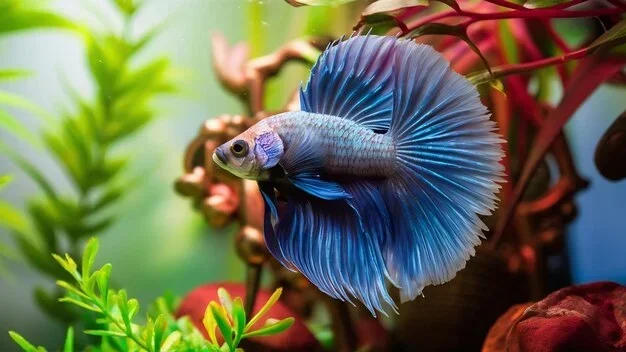
Is my betta fish happy to see me? The answer might surprise you. Betta fish can recognize their owners and show clear signs of excitement and happiness. This guide covers the top behavioral cues, body language signals, and simple tips to tell if your betta fish is happy and thriving in your care.
Have you ever walked up to your betta fish tank and noticed your fish swimming right to the glass? It is a moment that makes every fish owner smile. But what does it really mean? Is your betta actually happy to see you, or is it just a coincidence? The truth is, betta fish behavior is more complex than most people think. These colorful little creatures have personalities, memories, and emotional responses. Understanding what your betta is trying to tell you can deepen your connection and improve its quality of life. In this article, we will explore the signs that your betta fish is happy to see you, what those behaviors mean, and how you can create an environment where your fish thrives.
Many fish owners wonder if their pets actually feel anything. The answer is yes. Bettas are intelligent fish that respond to their surroundings and the people who care for them. When your betta seems excited when you approach the tank, there is a good reason behind it. Let us dive into the fascinating world of betta fish happiness and learn how to read your fish like a pro.
Key Takeaways
- Betta fish can recognize their owners: They often swim to the front of the tank when they see you.
- Happy bettas show specific behaviors: Flaring, following your finger, and eager feeding are all positive signs.
- Body language tells the story: Bright colors, smooth swimming, and an active appetite mean your fish is content.
- Environment matters a lot: A clean tank with proper warmth and enrichment keeps your betta happy.
- You can strengthen the bond: Regular, gentle interaction helps your betta feel safe and excited around you.
- Watch for warning signs: Hiding, loss of color, or refusing food may mean your betta is stressed or unwell.
- Simple changes make a big difference: Small tweaks to tank setup and routine can boost your betta’s happiness.
📑 Table of Contents
- Can Betta Fish Recognize Their Owners?
- Signs Your Betta Fish Is Happy to See You
- Understanding Betta Fish Body Language
- How to Tell If Your Betta Fish Is Happy in General
- How to Make Your Betta Fish Happier
- Common Mistakes That Make Betta Fish Unhappy
- When to Be Concerned About Your Betta’s Behavior
- Conclusion
Can Betta Fish Recognize Their Owners?
One of the most common questions fish owners ask is whether their betta can actually recognize them. The short answer is yes. Bettas have been observed responding differently to their owners compared to strangers. They can associate certain people with food, attention, and safety. Over time, your betta learns your presence means good things happen.
Studies on fish cognition show that bettas can remember patterns and routines. If you feed your fish at the same time every day, your betta will start anticipating mealtime when you approach. This is why your fish may swim to the top of the tank as soon as you walk into the room. It is not random. Your betta is reacting to your specific presence.
If you have ever noticed your betta swimming near the glass when you are nearby, that is a strong sign of recognition. Some owners even report that their fish flare or dance when they approach. These are all positive indicators that your betta knows you and feels comfortable around you.
How Long Does It Take for a Betta to Recognize You?
Every fish is different, but most bettas start recognizing their owners within two to four weeks of consistent interaction. The key is routine. If you visit the tank at the same times each day, your betta will pick up on your patterns faster. Some bettas bond quickly, while others take a little more time. Patience is essential.
Avoid sudden movements or loud noises near the tank during the early bonding phase. Let your betta get used to your presence gradually. Once trust is established, you will likely see more enthusiastic responses every time you come close.
Signs Your Betta Fish Is Happy to See You
Now that you know bettas can recognize their owners, let us look at the specific signs that your betta fish is happy when you approach. These behaviors are easy to spot once you know what to look for.
Swimming to the Front of the Tank
The most common sign of a happy betta is swimming to the front of the tank when you are nearby. Your fish may hover near the glass or even follow your finger as you move it along the surface. This shows curiosity and excitement. It means your betta associates you with positive experiences like feeding and interaction.
If your betta does this consistently, it is a great indicator of a strong bond. Some fish owners describe it as their betta saying, “Hey, it is me! I know you!” That is a wonderful feeling and a clear sign of a happy betta fish.
Flaring at You
Flaring is when your betta spreads its fins wide and may look aggressive. But here is the truth: bettas often flare when they are excited or curious, not necessarily angry. If your betta flares when you walk by, it could be showing interest and enthusiasm. Why your betta fish flares at you is often tied to excitement and recognition.
However, constant flaring can also signal stress. The key is context. If your betta flares once or twice when you approach and then settles down, that is normal. If it flares continuously, you may need to check the tank environment for stressors.
Eager Feeding Response
A happy betta gets excited at mealtime. If your fish swims eagerly to the surface when you approach with food, that is a great sign. Bettas that are content and healthy show strong appetites. A happy betta fish will often hover near the feeding area and watch you expectantly.
On the other hand, if your betta ignores food or hides when you approach, that could be a red flag. Loss of appetite is one of the first signs of stress or illness. Always pay attention to how your fish responds during feeding time.
Bright Colors and Active Movement
Healthy, happy bettas display vibrant, bright colors. When your fish is content, its colors will look vivid and intense. A stressed or unhappy betta often appears faded or dull. If you notice your betta’s colors becoming more brilliant when you are nearby, that is a sign of comfort and joy.
Active movement is another positive indicator. A happy betta swims smoothly and explores its environment. It may dance in the water or build bubble nests regularly. These behaviors show that your fish feels safe and stimulated.
Understanding Betta Fish Body Language
Reading your betta’s body language is one of the best ways to understand its emotional state. Fish cannot tell us how they feel with words, but their actions speak volumes. Let us break down some of the most important body language cues.
What Does It Mean When Your Betta Looks at You?
If your betta seems to be staring at you, you might wonder what is going through its mind. Bettas have excellent vision for fish, and they use it to observe their surroundings. When your betta looks at you directly, it is often a sign of curiosity and recognition. Your fish is paying attention to you and processing what is happening.
Some owners say their betta follows them around the room. This behavior is linked to the fish’s natural instinct to monitor its environment. Since you are the primary caregiver, your betta has learned that watching you means staying safe and well-fed.
Why Does My Betta Fish Lean on the Glass?
You may notice your betta leaning against the side of the tank or resting on the gravel. This can mean different things depending on the context. If your betta leans on the glass when you are nearby, it might be curious and wanting a closer look at you. It is their way of saying, “I see you, and I am interested.”
However, if your betta leans or rests frequently without any apparent reason, it could be a sign of fatigue or illness. Always monitor for other symptoms like loss of color or lack of appetite. A healthy betta should be active and curious most of the time.
Bubble Nests as a Happiness Indicator
Bubble nests are fascinating structures that male bettas build on the surface of the water. Finding a bubble nest is one of the best signs that your betta is happy and comfortable. A betta fish building bubbles at the top of the tank means it feels secure enough to engage in natural nesting behavior.
Even female bettas sometimes show interest in bubble nests. These structures are a clear indicator of a healthy, content fish. If your betta builds nests regularly, you are doing a great job creating a positive environment.
How to Tell If Your Betta Fish Is Happy in General
While recognizing your betta’s reaction to you is important, overall happiness matters just as much. A happy betta fish shows consistent positive behaviors throughout the day, not just when you are around. Here are the key indicators of general betta happiness.
Appetite and Eating Habits
A healthy appetite is one of the strongest signs of a content betta. Your fish should eat eagerly and finish food within a few minutes. If your betta consistently shows excitement during feeding, that is a very positive sign. A betta fish not eating is often the first clue that something is wrong.
Offer a balanced diet of high-quality pellets, frozen foods, and occasional treats like bean beetles. Variety keeps mealtime interesting and supports overall health. Always feed appropriate portions to avoid overfeeding, which can lead to health problems.
Swimming Patterns and Energy Levels
A happy betta swims with purpose. It explores its tank, investigates decorations, and moves smoothly through the water. If your fish is energetic and curious, that is a great sign. A betta fish not moving or showing lethargy could indicate stress, poor water quality, or illness.
Some bettas like to play with tank decorations or chase their own reflections. This playful behavior shows a confident and content fish. Just be careful with reflections, as some bettas can become stressed by constant mirror exposure.
Color Vibrancy and Fin Condition
The appearance of your betta tells you a lot about its well-being. Bright, saturated colors and flowing fins indicate a healthy, happy fish. Faded colors, clamped fins, or torn fins are warning signs that need attention. Regular water changes and proper nutrition help maintain your betta’s stunning appearance.
If your betta’s colors seem dull, check the water parameters and temperature first. Stress from poor water conditions is the most common cause of color fading. Once the environment is optimized, you should see your betta’s colors return to their full vibrancy.
How to Make Your Betta Fish Happier
Now that you know the signs of a happy betta, let us talk about how you can actively improve your fish’s quality of life. Small changes can make a huge difference in your betta’s happiness and overall well-being.
Optimize the Tank Environment
Your betta’s tank is its entire world. Making it as comfortable as possible should be your top priority. Here are some essential tips:
- Tank size: Aim for at least 5 gallons. Larger tanks provide more swimming space and better water stability.
- Water temperature: Keep the water between 76 and 82 degrees Fahrenheit. A stable temperature reduces stress.
- Filtration: Use a gentle filter to maintain water quality without creating strong currents that tire your betta out.
- Decorations: Add plants, caves, and open swimming areas. Betta fish love having places to explore and hide.
- Water changes: Perform partial water changes weekly to keep the tank clean and fresh.
Build a Consistent Interaction Routine
Consistency is key when bonding with your betta. Try to interact with your fish at the same times each day. Feed your betta on a regular schedule, and spend a few minutes each day simply observing or gently engaging with your fish.
You can place your finger on the outside of the glass and let your betta follow it. This simple activity provides mental stimulation and strengthens your bond. Just be sure not to tap on the glass, as this can startle and stress your fish.
Provide Mental Stimulation
Betta fish are curious creatures that benefit from mental enrichment. You can introduce new decorations, rearrange the tank occasionally, or add floating plants for your betta to explore. Some owners even train their bettas to follow a finger or eat from their hand. These activities keep your fish mentally engaged and prevent boredom.
A stimulated betta is a happy betta. When your fish has things to explore and investigate, it is less likely to develop stress-related behaviors. Simple enrichment can transform your betta’s daily life.
Common Mistakes That Make Betta Fish Unhappy
Knowing what makes bettas happy is only half the equation. It is equally important to understand what causes unhappiness and stress. Avoiding these common mistakes will help keep your betta thriving.
Overcrowded or Too Small Tanks
Many people keep bettas in tanks that are far too small. A tiny bowl or vase may look cute, but it severely limits your fish’s ability to swim and explore. A cramped space leads to stress, poor water quality, and behavioral problems. Always provide adequate space for your betta to move freely.
Inconsistent Water Conditions
Fluctuating water parameters are a major source of stress for bettas. Ammonia spikes, temperature swings, and pH changes can all make your fish feel unsafe. Test your water regularly and maintain stable conditions. A clean, stable environment is the foundation of a happy betta.
Lack of Interaction or Neglect
While bettas are relatively low-maintenance pets, they still need attention and care. Ignoring your fish or failing to provide enrichment can lead to boredom and depression. A neglected betta may stop eating, lose color, or become lethargic. Regular interaction and proper care go a long way in keeping your fish content.
When to Be Concerned About Your Betta’s Behavior
Sometimes, despite our best efforts, bettas show signs of unhappiness or illness. Knowing when to act can make all the difference. If your betta suddenly stops swimming to the front of the tank, loses interest in food, or hides constantly, these are warning signs that should not be ignored.
Other concerning behaviors include rapid breathing, clamped fins, scratching against decorations, and swimming erratically. These symptoms often point to health issues that require prompt attention. If you notice any of these signs, check your water parameters first and then consider whether your fish may need treatment for an illness.
Remember that every betta has its own personality. Some are naturally more active and social, while others are calmer and more reserved. Understanding your individual fish’s normal behavior helps you spot changes early and respond appropriately.
Conclusion
So, is my betta fish happy to see me? The evidence strongly suggests yes. Bettas are intelligent, responsive fish that form bonds with their owners. When your betta swims to the glass, flares with excitement, or eagerly anticipates food, it is showing you that it recognizes and trusts you. These are beautiful moments that make fish keeping so rewarding.
By paying attention to your betta’s body language, providing a comfortable environment, and maintaining a consistent routine, you can ensure your fish lives a happy, healthy life. The bond between a betta and its owner is real and meaningful. Take the time to understand your fish, and you will be rewarded with a vibrant, engaging companion that brings joy to your daily life.
Start applying the tips in this guide today. Your betta will thank you with brighter colors, more energy, and that special little swim to the glass every time you walk by. That moment of connection is what makes caring for a betta fish so incredibly special.
Frequently Asked Questions
How do I know if my betta fish is happy to see me?
Look for signs like swimming to the front of the tank, flaring, following your finger, and showing an eager appetite when you approach. These behaviors indicate recognition and positive excitement. A happy betta fish will also display bright colors and smooth, active swimming.
Can betta fish really recognize their owners?
Yes, bettas can recognize their owners through consistent interaction and routine. They associate specific people with feeding, care, and safety. Most bettas start showing recognition within two to four weeks of regular contact with their owner.
Why does my betta fish stare at me?
Your betta may stare at you out of curiosity, recognition, or anticipation. Bettas have good vision and use it to monitor their environment. If your fish stares at you during feeding time or when you are near the tank, it is likely paying attention to you as its caregiver.
What should I do if my betta fish hides when I approach?
Hiding can be a sign of stress or fear. Check your water parameters first to make sure the tank environment is clean and stable. Then, try reducing sudden movements near the tank and spend more time sitting quietly by the tank to build trust gradually.
How often should I interact with my betta fish?
Daily interaction is ideal. Spend a few minutes each day feeding your betta on a schedule, observing its behavior, and gently engaging with it. Consistent, gentle interaction helps build trust and keeps your betta mentally stimulated and happy.
Do bettas get lonely in their tank?
Bettas are solitary fish by nature and do not need tank mates to be happy. However, they do benefit from mental stimulation through tank decorations, plants, and interaction with their owner. A well-enriched tank keeps a single betta content and engaged.