Can I Put a Male and Female Betta Fish Together

Can I put a male and female betta fish together? In most cases the answer is no—male bettas are fiercely territorial and will usually attack a female. However, with the right tank size, plenty of hiding spots, and careful monitoring, a short‑term pairing for breeding can work.
Key Takeaways
- Territorial nature: Male bettas view any similar‑looking fish as a rival and often fight.
- Breeding exception: A male and female can share a tank temporarily for spawning if the environment is ideal.
- Tank size matters: At least 20 gallons with dense plants and decorations reduces aggression.
- Monitor constantly: Watch for fin nipping, chasing, or stressed behavior and be ready to separate.
- Alternative companions: Consider peaceful community fish or a single‑sex betta setup instead.
- Health checks: Quarantine both fish before introducing them to prevent disease spread.
- Know the signs: Recognize early warning signs of fighting to prevent injury or death.
📑 Table of Contents
Introduction: The Big Question
If you’ve ever stared at a vibrant male betta flashing his fins and wondered whether you could share his space with a pretty female, you’re not alone. The bright colors and graceful fins make bettas tempting to keep in pairs, but the reality is a bit more complicated. In this guide we’ll answer the question “can i put a male and female betta fish together?” and walk you through the science, the risks, and the exact steps you need if you decide to try it.
Think of it like introducing two strong-willed personalities. Sometimes they can coexist peacefully, but more often one will dominate the other. By the end of this article you’ll know when it’s safe, how to set up the perfect environment, and what to do if things go south.
Understanding Betta Behavior
Why Males Are So Aggressive
Male bettas, also called Siamese fighting fish, are naturally territorial. In the wild they defend shallow rice paddies from rivals. Their bright fins and flaring gills are warning signals. When another fish that looks similar appears, the male instinctively attacks.
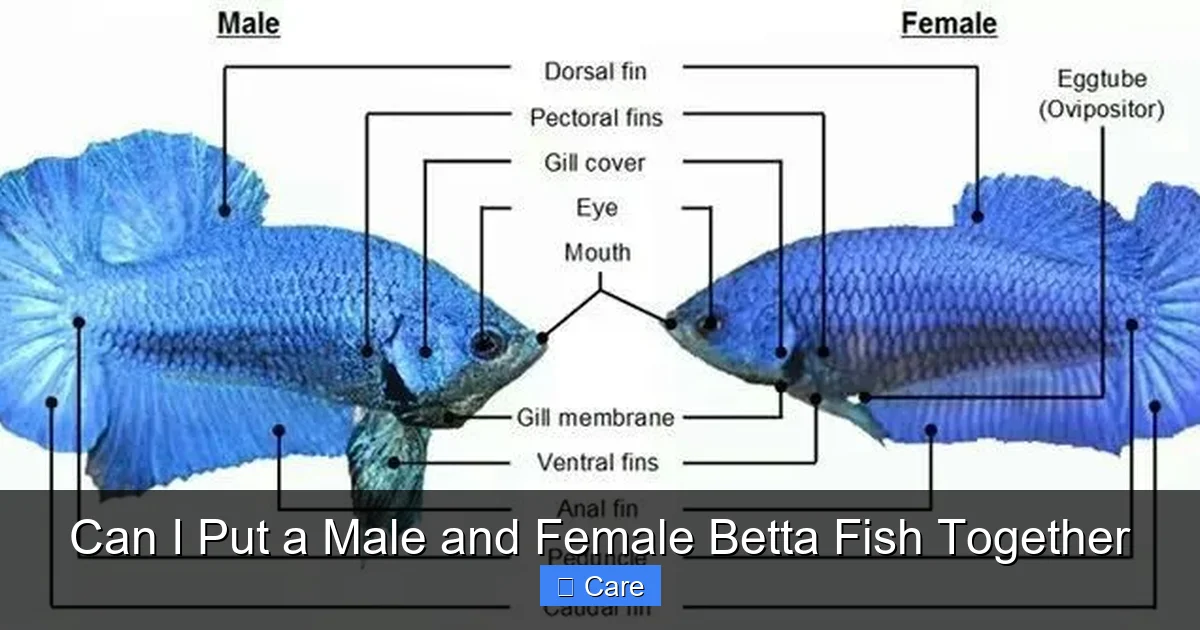
Visual guide about Can I Put a Male and Female Betta Fish Together
Image source: i.pinimg.com
Female Temperament
Females are generally less aggressive, but they still have a hierarchy. In a group of females, a dominant one can bully the others. When a male is introduced, a female may become stressed if she feels threatened.
Breeding Instincts
During the breeding season a male will build a bubble nest and guard it fiercely. If a female is ready to spawn, the male will court her, leading to a brief period where they can share the same water without constant fighting. This is the only natural window where “can i put a male and female betta fish together?” has a positive answer.
Setting Up a Safe Environment
Tank Size and Shape
Most hobbyists keep a single betta in a 5‑gallon tank. For a male‑female pair, upgrade to at least a 20‑gallon long tank. The extra length gives each fish its own territory and reduces direct line‑of‑sight confrontations.

Visual guide about Can I Put a Male and Female Betta Fish Together
Image source: i.ytimg.com
Plants, Rocks, and Hiding Places
Live plants such as Java fern, Anubias, or floating duckweed create visual barriers. Add sturdy driftwood, smooth rocks, and ceramic caves. Aim for at least three distinct “zones” so the fish can retreat when needed.
Water Parameters
- Temperature: 76‑82 °F (24‑28 °C)
- pH: 6.5‑7.5
- Hardness: 3‑4 dGH
- Filtration: gentle flow; avoid strong currents that stress bettas.
Stable water quality is crucial because stressed fish become more aggressive.
Step‑by‑Step Guide to Introducing a Male and Female
1. Quarantine Both Fish
Keep each betta in a separate hospital tank for at least two weeks. This prevents disease transmission and lets you observe their health.
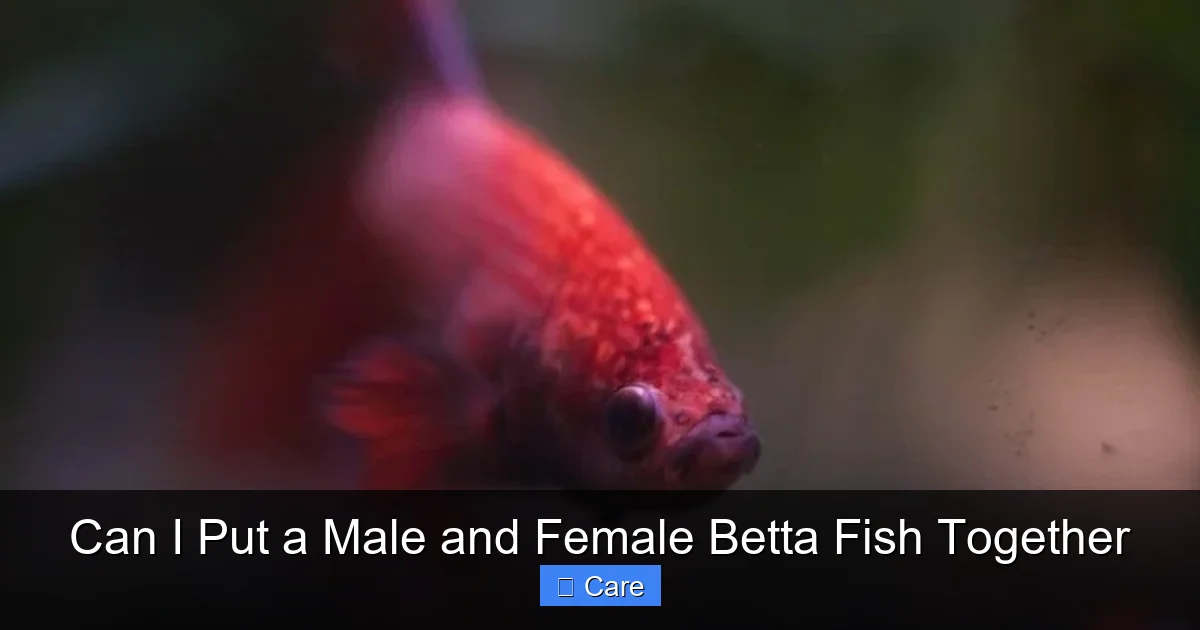
Visual guide about Can I Put a Male and Female Betta Fish Together
Image source: aquariumpub.com
2. Prepare a Breeding Tank
Set up a 10‑gallon breeding tank with a dark substrate, plenty of plants, and a bubble nest maker (a small piece of driftwood works well). Keep the water slightly warmer (around 80 °F) to stimulate spawning.
3. Introduce the Male First
Place the male in the breeding tank and let him establish his territory for 24‑48 hours. He will begin building a bubble nest at the surface.
4. Add the Female Carefully
Use a clear container or a breeding box to introduce the female. This lets the male see her without direct contact. Watch his reaction—if he flares but doesn’t attack, you’re on the right track.
5. Observe Courtship Behavior
Signs of successful pairing include the male flaring his fins, the female displaying a “vertical” posture, and both swimming near the surface. If the male becomes overly aggressive, be ready to separate them immediately.
6. Remove the Female After Spawning
Once the female releases eggs (usually 5‑10 minutes after spawning), the male will collect them in his nest. At this point, the female should be removed to avoid being nipped.
7. Raise the Fry or Rehome the Parents
If you plan to keep the babies, set up a separate rearing tank. Otherwise, you can return the adult bettas to their original single‑sex tanks.
When Not to Keep Them Together
Non‑Breeding Situations
If you’re not planning to breed, keep male and female bettas apart. The risk of serious injury or death is high. Instead, consider a single‑sex community or a “sorority” of females (with careful monitoring).
Small Tanks and Lack of Hiding Spots
Even a large tank won’t help if the layout is barren. Without visual barriers, the male will constantly see the female and may become aggressive.
Signs That the Pairing Is Failing
- Continuous fin nipping or torn fins.
- One fish staying at the bottom, gasping for air.
- Loss of color or appetite.
If any of these appear, separate the fish immediately.
Alternative Options for Betta Lovers
Creating a Sorority
Keeping several females together can work if you have a spacious, heavily planted tank (30+ gallons). Choose females of similar size and temperament.
Community Tanks with Peaceful Species
Some small, fast‑moving fish such as neon tetras or harlequin rasboras can coexist with a single male betta, provided the tank is well‑planted and the betta is not overly aggressive. See our guide on Which Fish Can I Put With A Betta for more ideas.
Separate Tanks with Visual Dividers
If you want both sexes but fear aggression, place them in side‑by‑side tanks with a clear divider. They can see each other without contact, offering visual stimulation.
Conclusion: Making an Informed Decision
So, can i put a male and female betta fish together? The short answer is yes—only for a brief, controlled breeding period in a properly prepared tank. The long answer is that for everyday housing, it’s safer and kinder to keep them separate. By understanding betta behavior, providing ample space and hiding places, and watching for warning signs, you can enjoy the beauty of both sexes without risking injury.
Remember, the health and happiness of your fish always come first. If you’re unsure, start with a single betta and explore other compatible tank mates later. Happy fish keeping!
Frequently Asked Questions
Can a male betta and female betta live together permanently?
No. Male bettas are highly territorial and will usually attack a female over time. They can only share a tank briefly for breeding.
How big should the tank be for a breeding pair?
A minimum of 20 gallons is recommended, with plenty of plants and décor to break line‑of‑sight.
What are the signs that a male is getting aggressive?
Flared fins, rapid swimming toward the female, and nipping at her fins are clear warnings.
Do female bettas ever fight each other?
Yes, especially in cramped spaces. A sorority needs a large, heavily planted tank to reduce bullying.
Can I use a breeder’s net to separate them if they fight?
It’s better to have a separate breeding tank or divider ready. Removing a fighting fish quickly prevents injury.
Where can I learn more about betta breeding?
Our detailed article Can You Put A Male And Female Betta Fish Together covers all the steps and tips for successful spawning.