How Long Can a Betta Fish Survive Without Food
A healthy adult betta fish can technically survive without food for 10-14 days under *ideal* conditions, but this is not a safe or recommended practice. Their hardy nature comes from wild adaptations, not a need for regular starvation. The real danger during a fast is declining water quality from waste buildup, not the lack of food itself. Prioritizing pristine water and a consistent feeding schedule is far more critical for your betta’s long-term health and vibrant colors than testing its fasting limits.
Key Takeaways
- Survival vs. Health: A betta may live 1-2 weeks without eating, but prolonged fasting weakens its immune system, dulls colors, and causes stress, leading to disease.
- Water Quality is the #1 Killer: The primary risk of an unattended betta is toxic ammonia and nitrite from its own waste in stagnant water, not starvation.
- Age & Health Matter: Young, old, or already sick bettas have far less resilience and may only survive a few days without food and clean water.
- Fasting is Not a Treatment: Do not intentionally withhold food to “clear constipation” or for other reasons without first consulting a vet; proper diet and water changes are the solutions.
- Consistent, Small Feedings are Best: Feed high-quality pellets or frozen foods once or twice daily, only what it can eat in 2-3 minutes (2-3 pellets max).
- Automatic Feeders Are Risky: They often overfeed and pollute water. A trusted pet sitter or meticulously programmed feeder with dry food is safer than an unsupervised fast.
- Observe Your Fish: Learn your betta’s normal behavior and appetite. A sudden loss of interest in food is a key early sign of illness or poor water conditions.
📑 Table of Contents
- How Long Can a Betta Fish Survive Without Food? The Complete Guide
- The Critical Factors That Change Everything
- The Betta’s Biology: How They Endure the Fast
- Safe Fasting Periods: A Practical Timeline
- What Actually Happens During Starvation: The Stages
- Emergency Care & When to Worry: Action Steps
- Prevention: The Best Strategy is Never to Test the Limit
How Long Can a Betta Fish Survive Without Food? The Complete Guide
So, you’re planning a weekend getaway, a sudden business trip, or maybe you’re just wondering about the legendary toughness of your betta fish. The question inevitably pops up: how long can a betta fish survive without food? It’s a common query, fueled by the betta’s reputation as a low-maintenance pet that can live in a tiny cup. But separating myth from aquatic reality is crucial for being a responsible betta owner. The short answer might surprise you, but the longer, more important answer is all about the *conditions* surrounding that fast. Let’s dive deep into the biology, the risks, and the practical care tips every betta guardian needs to know.
The Myth of the “Low-Maintenance” Betta
First, let’s bust a big myth. Betta fish, with their stunning fins and aggressive reputation, are often sold as “beginner fish” that can thrive in minimal conditions. This couldn’t be further from the truth. Their ability to survive in poor conditions—like a small, dirty vase—is a testament to their wild, hardy ancestry, not an endorsement of it. In the shallow, warm rice paddies and stagnant ponds of Southeast Asia, food can be scarce, and water quality fluctuates. Betta splendens evolved a slow metabolism and a labyrinth organ (a primitive lung) to breathe atmospheric air, allowing them to endure periods of low oxygen and little food. This survival mechanism is for the wild, not for your beautifully filtered, heated aquarium. When we ask about surviving without food, we must always ask: surviving how?
The Critical Factors That Change Everything
The raw number—often cited as 10-14 days—is a massive oversimplification. That timeline assumes a perfect, unchanging scenario that never exists in a home aquarium. The actual survival window is a sliding scale influenced by several key factors. Ignoring these is what turns a manageable weekend away into a tragedy.
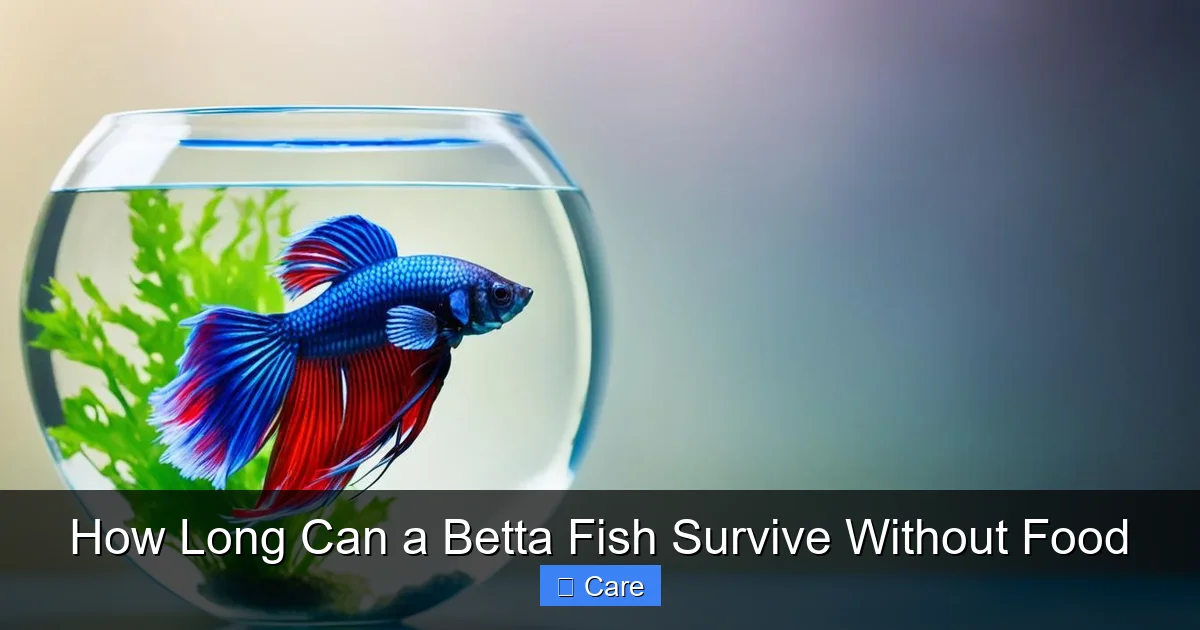
Visual guide about How Long Can a Betta Fish Survive Without Food
Image source: ouraquariumlife.com
1. Water Quality: The Silent Killer
This is the single most important factor, and it’s not even about food. A betta in a pristine, filtered, cycled tank with clean water will fare infinitely better during a fast than a betta in a small, unfiltered bowl with decaying food and waste. Why? Because the betta is continuously producing ammonia (toxic) in its urine and gills. In a cycled tank, beneficial bacteria convert this to less harmful nitrites and then nitrates. In an uncycled small bowl, ammonia skyrockets within 24-48 hours, poisoning the fish. The betta will die from ammonia toxicity long before it dies from an empty stomach. So, the question isn’t just “how long without food?” but “how long can the water stay safe without maintenance?”
2. The Betta’s Age and Overall Health
Think of it like a human. A young, vigorous adult can handle a brief illness or missed meal far better than a toddler or an elderly person. A young betta (under 1 year) has robust energy reserves. A mature betta (1-2 years) in its prime is also quite resilient. But an older betta (3+ years) or a very young fry has minimal reserves. Similarly, a betta already fighting ich, velvet, fin rot, or bloating is under immense physiological stress. Its body is diverting energy to fight disease, not to conserve resources. For these vulnerable fish, survival without food—and more importantly, without the stress of poor water—might be measured in days, not weeks.
3. Tank Size and Setup
A betta in a 5-gallon heated, filtered tank with plants has a stable environment. Water parameters change slowly. A betta in a 1-gallon unfiltered bowl has water that heats and cools erratically, and toxins concentrate instantly. The larger the volume of water, the more dilution of waste products occurs. A larger tank also typically has more established biological filtration. Therefore, a betta in a proper setup can weather a longer period of missed feedings because its environment remains stable. The tiny bowl is a ticking time bomb of toxicity.
4. Temperature
Betta fish are tropical animals. Their optimal temperature range is 78-80°F (25.5-26.5°C). At this warm temperature, their metabolism is active. They digest food quickly and burn energy faster. Interestingly, if the temperature drops significantly (below 75°F), their metabolism slows down dramatically. They become lethargic and require less energy. In a cooler environment, a betta’s bodily processes crawl, which could theoretically extend the time it takes to deplete energy reserves. However, a drop in temperature also compromises the immune system and is a stressor in itself. You should never lower the temperature to “slow down” a betta; a stable, correct temperature is non-negotiable for health.
5. Pre-Fast Condition
Was your betta well-fed and plump before the fast began? A fish with good body condition—a gentle rounded belly from muscle, not bloat—has more fat and protein stores to draw upon. A thin, underweight betta has almost no reserves. A betta that was recently stressed by a move, a tank mate aggression, or a prior illness has already burned through its energy buffers. The starting line for the fasting “race” is different for every fish.
The Betta’s Biology: How They Endure the Fast
Understanding why a betta can go without food helps us understand the limits. Their survival isn’t magical; it’s biological adaptation.
Visual guide about How Long Can a Betta Fish Survive Without Food
Image source: taildom.com
Metabolic Rate and Energy Conservation
When food disappears, a betta’s body doesn’t just keep running on empty. It actively shifts into a conservation mode. Its metabolic rate decreases. You’ll see the fish become much less active, hovering in one spot instead of patrolling its territory or flaring at its reflection. This conscious reduction in movement saves crucial energy. It’s a state of torpor or rest. This is why a fasting betta might seem “calm”—it’s not happy, it’s conserving.
Fuel Sources: From Carbs to Critical Tissue
In the first few days, a betta will use up its readily available glycogen stores (carbohydrates) in the liver and muscles. Once those are gone (around day 3-5), it begins to break down fat reserves. This is why a healthy, slightly plump betta lasts longer. However, bettas don’t have large fat deposits like some animals. After fat, the body turns to the last resort: protein. It begins breaking down muscle tissue to fuel essential organ function. This is the point of no return. Losing significant muscle mass is catastrophic. The fish becomes emaciated, its spine may become pronounced, its fins thin and ragged, and its immune system collapses. This catabolic state is what ultimately kills a starved fish, often paving the way for a secondary infection.
The Role of the Labyrinth Organ
This specialized organ allows bettas to gulp air from the surface. While primarily an adaptation for low-oxygen water, it ensures that even if water quality is poor and the fish is weak, it can still breathe. This gives them an edge over purely gill-breathing fish in certain degraded conditions. However, it does not help with energy conservation or toxin resistance. A betta with ammonia poisoning will still gasp at the surface, labyrinth organ or not.
Safe Fasting Periods: A Practical Timeline
Armed with the factors above, we can build a more realistic timeline. Remember, these are maximums for a healthy adult in a pristine, cycled tank. They are not goals.
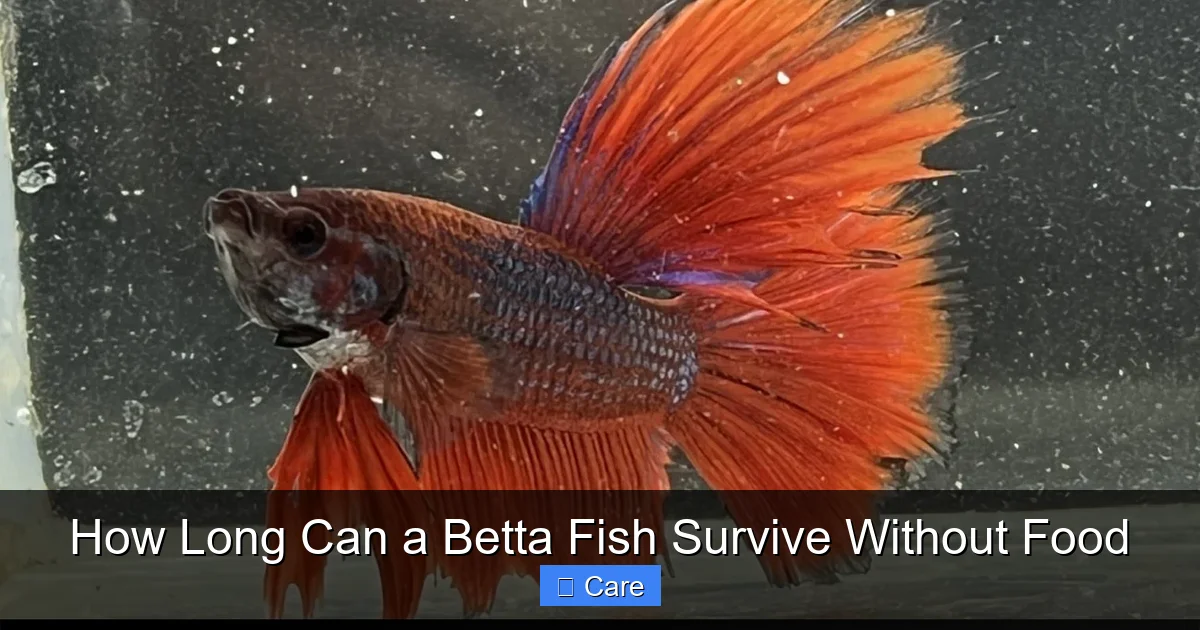
Visual guide about How Long Can a Betta Fish Survive Without Food
Image source: buildyouraquarium.com
The “Weekend Fast” (2-4 Days): Generally Low Risk
If you have a well-established, filtered tank with a healthy adult betta, missing two to four feedings (a long weekend) is typically fine. The water parameters will remain stable with a good filter and bio-load, and the fish has ample reserves. This is the most common and acceptable scenario for an occasional fast. The betta might be a bit less active upon your return but will bounce back quickly with a normal feeding.
The “Extended Fast” (5-7 Days): Increasing Concern
At this point, glycogen stores are depleted, and fat burning is in full swing. The betta will be noticeably lethargic, possibly resting on the bottom or a plant more often. Its body condition begins to decline. For a tank without a filter, this is the absolute maximum before water quality becomes critically dangerous. Even in a filtered tank, you must ensure the filter is functioning perfectly and not clogged. A partial water change before you leave and upon return is non-negotiable for a fast of this length.
The “Danger Zone” (8-14 Days): High Risk of Permanent Damage
This is where survival becomes a dice roll, and health is almost certainly compromised. Muscle wasting is evident. The immune system is severely suppressed. The fish is a sitting duck for opportunistic diseases like columnaris or fin rot, which can take hold rapidly in a stressed, weakened body. Even if the betta is technically alive after two weeks, it will be in poor shape, possibly with permanent damage, and will require intensive care to recover. This is not a situation to aim for.
The “Critical Point” (15+ Days): Likely Fatal
Beyond two weeks, for almost all bettas in typical home aquariums, the combination of severe malnutrition, muscle atrophy, and inevitably declining water quality (even with a filter, nitrates will rise) makes survival unlikely. The fish’s organs begin to fail. This is a prolonged, cruel death. There is no scenario where a responsible owner should allow a betta to reach this point.
What Actually Happens During Starvation: The Stages
Let’s walk through the physical progression of a fasting betta, so you know what signs to watch for.
Days 1-3: The Normal Response
The fish is alert, perhaps a little curious about the lack of food at the usual time, but otherwise normal. It may be slightly more active, patrolling and searching. This is not cause for alarm. Its body is simply using up the last of its recent meal.
Days 4-7: Onset of Conservation
Activity levels drop significantly. The betta spends more time resting, often in a single spot, perhaps on a broad leaf or the tank bottom. It may still move when approached but is clearly conserving energy. Its belly will look less full. This is the first visual cue that reserves are being used. Water changes become even more critical at this stage because a less active fish produces less waste movement, but the waste is still there, concentrating.
Days 8-14: Visible Decline and Vulnerability
The fish’s body becomes visibly thinner. The area behind the gill plate (the operculum) may look sunken. Fins may become slightly frayed or held lower. Colors often become dull and pale—the vibrant reds and blues fade. This is because the fish is diverting all resources to survival, not pigmentation. This is the stage where secondary infections commonly appear. You might see small white spots (ich), fuzzy growths (fungus), or red, inflamed patches (fin rot). The betta’s immune system is too weak to fight off pathogens that are likely always present in the tank at low levels.
Beyond 14 Days: Organ Failure
The fish is emaciated. The spine may be prominently visible. It is unable to maintain buoyancy, often listing or sinking. Breathing becomes labored. It may gasp excessively at the surface, not just for air but due to systemic stress. Death is imminent from a combination of starvation, organ failure, and toxic water exposure. Recovery from this stage is rare, even with aggressive intervention.
Emergency Care & When to Worry: Action Steps
What should you do if you come home from vacation and your betta hasn’t eaten? First, don’t panic and dump a huge amount of food in the tank. Second, assess the situation systematically.
Step 1: Test the Water IMMEDIATELY
This is your first and most important diagnostic step. Use a liquid test kit (test strips are notoriously inaccurate). You must know the levels of Ammonia (NH3/NH4+) and Nitrite (NO2-). If either is above 0 ppm, you have a toxic emergency. Perform a 25-50% water change with dechlorinated, temperature-matched water immediately. Repeat this daily until tests show 0 ppm for ammonia and nitrite. Nitrates should be kept below 20 ppm. Clean water is the fastest way to help a stressed fish.
Step 2: Observe the Betta’s Condition
Is it simply resting? Gently tap the glass. A healthy-enough fish will react, even if sluggishly. Is it breathing rapidly? Is it covered in spots, fuzz, or ulcers? Note all symptoms. A betta that hasn’t eaten but is alert, swimming normally, and has a good body shape likely just needs a few days of clean water and a slow reintroduction to food.
Step 3: Re-Feed Carefully
After the water is pristine, offer a tiny amount of high-quality, easily digestible food. Soak a couple of pellets in tank water until soft, or offer a small piece of frozen daphnia or bloodworm (these have a laxative effect and are great for restarting digestion). If it eats, great. Offer a similarly small meal the next day. If it ignores the food for more than 2-3 days after you’ve corrected the water, it is a sign of serious internal illness or advanced weakness. Do not force-feed unless advised by an aquatic vet.
Step 4: Consider a Hospital Tank
If the main tank is overstocked or you suspect a disease outbreak, a clean, bare hospital tank (with heater and sponge filter) can be a lifesaver. It allows for 100% daily water changes without disturbing a main display tank’s cycle. This is the best environment for a weak fish to recover, as you can control every variable.
Step 5: Know When to Seek Professional Help
If your betta shows no improvement after 48 hours of perfect water conditions and offers of food, or if you see severe symptoms (rapid deterioration, severe fin rot, bulging eyes, severe bloating), it’s time to consult a veterinarian who specializes in fish. This is rare and often costly, but for a beloved pet, it’s an option. More commonly, dedicated online forums with experienced hobbyists can help you identify diseases and suggest treatments (like salt baths, specific medications).
Prevention: The Best Strategy is Never to Test the Limit
The goal isn’t to learn how long your betta can go without food. The goal is to never let it happen. Here is your actionable prevention plan.
Establish a Reliable Feeding Routine
Feed your betta once or twice a day, no more. Use high-quality pellets as a staple, and supplement with frozen or live foods (daphnia, brine shrimp, bloodworms) 2-3 times a week for variety. The “2-minute rule” or “2-3 pellet rule” is a good guide. Remove any uneaten food with a turkey baster or net within 5 minutes. Overfeeding is the #1 cause of water quality issues and constipation/bloat.
Maintain Impeccable Water Quality
This is your #1 responsibility. A cycled tank (the nitrogen cycle is established) is essential. Perform weekly water changes of 25-50%, vacuuming the gravel to remove waste. Test water parameters regularly (ammonia, nitrite, nitrate, pH). A 5-gallon tank is the absolute minimum recommended size for a betta; larger is always easier to maintain. Use a gentle filter and a heater. Clean water prevents 90% of betta health problems.
Plan for Trips and Emergencies
For 1-3 days: Simply do a large water change (50%) before you leave. Your clean, cycled tank will be fine.
For 3-7 days: Do a large water change the day you leave. Have a trusted friend or family member come over to do a 25% water change midway. Provide clear, written instructions: “Test water. Change 1/4 of it with this pre-mixed bottle. Do NOT feed the fish.” Overfeeding by a well-meaning helper is the most common vacation disaster.
For 7-14 days: This is pushing it. You must have a reliable, experienced pet sitter who understands bettas. Consider investing in an automatic feeder for dry food only, but test it extensively beforehand to ensure it dispenses the correct tiny amount (1-2 pellets). Do not use it for frozen foods. Alternatively, a reputable pet-sitting service that specializes in fish is worth the cost.
Never use “vacation feeders” or “food blocks.” They dissolve and ruin water quality rapidly.
Monitor Your Fish Daily
Part of responsible ownership is simply looking at your fish. Does it come to the front when you approach? Does it eat eagerly? Are its fins full and colorful? Is its body rounded but not bloated? A change in appetite or activity is the earliest and most important sign that something is wrong with the fish or its environment. Catching a problem at day 1 is infinitely easier than at day 7.
Frequently Asked Questions
Can I intentionally fast my betta for a few days to clear constipation?
While a short fast (24-48 hours) is sometimes recommended for a constipated betta, it is not the first or best solution. The primary cause of constipation is almost always a poor diet (too many fatty foods like bloodworms, or overfeeding). The better approach is to immediately improve water quality with a water change, then offer a small amount of a high-fiber food like a skinned pea or daphnia to get things moving. Fasting without addressing the root cause (diet/water) is often ineffective.
My betta isn’t eating. Is it because it’s hungry or sick?
This is a critical distinction. A hungry betta will usually show interest in food, darting to the surface and possibly nipping at it. A sick betta will often ignore food entirely, even if it’s floating right in front of its face. A loss of appetite is one of the most common signs of illness in fish, usually caused by poor water quality, stress, or internal parasites. If your betta refuses food for more than 2-3 days, test your water and observe for other symptoms like lethargy, clamped fins, or spots.
What’s the safest way to feed my betta while I’m on vacation?
The safest method is to have a trusted, informed person come over to perform a partial water change (25%) and not feed the fish. Betta fish can easily go a week without food in a clean, cycled tank. The risk of an untrained person overfeeding and destroying your water quality is far greater than the risk of your betta missing a few meals. If you must use an automatic feeder, use one designed for dry pellets only, and test it for a week beforehand to ensure it dispenses a minuscule amount (1-2 pellets per feeding).
How can I tell if my betta is underweight or just thin from fasting?
Learn what your betta looks like when it’s healthy. A healthy adult betta should have a gently rounded body shape, especially in the abdominal area, but not a swollen or bloated look. You should be able to see a slight curve. If the body looks sharp, bony, or the area behind the gill plate is visibly sunken, the fish is underweight. During a fast, this condition will worsen. If you suspect your betta is underweight, focus on feeding high-quality, protein-rich foods (pellets, frozen brine shrimp) in very small, frequent portions alongside impeccable water care.
Is it okay to skip a day of feeding to “give its stomach a rest”?
For a healthy betta in good water, skipping a single day of feeding is perfectly fine and can even be beneficial if you suspect minor overfeeding. It gives the digestive system a break. However, this should not be a regular practice. Bettas thrive on consistency. A regular, small daily or twice-daily feeding schedule is ideal. The “day off” should be an occasional, unplanned thing, not a scheduled part of its care.
My betta survived a 10-day fast. Is that a good thing?
Surviving is one thing; thriving is another. A betta that has gone 10 days without food will be in a state of severe stress and malnutrition. Its immune system is crippled, its colors are likely faded, and it has lost muscle mass. It is now highly susceptible to disease. The focus must immediately shift to ultra-clean water and offering easily digestible, nutritious foods in tiny amounts to help it recover. Do not view this as a success story or a testament to the betta’s toughness; view it as a close call that should never be repeated.