How Often Should U Clean Your Betta Fish Tank
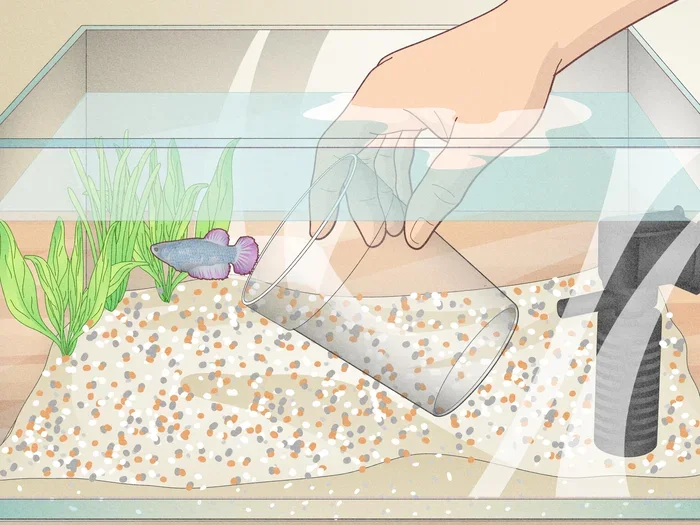
How often should u clean your betta fish tank depends on tank size, filter type, and whether you have live plants. A partial water change every one to two weeks keeps your betta healthy and happy. Follow our simple steps to maintain clean water without stressing your fish.
Keeping your betta fish tank clean is one of the most important parts of betta fish care. But how often should u clean your betta fish tank? The answer is not as simple as you might think. It depends on several factors like tank size, filter type, and how many fish you have.
Many new fish owners make the mistake of cleaning their tank too much or too little. Both can cause serious problems for your betta. In this guide, we will walk you through everything you need to know about aquarium maintenance. You will learn the ideal cleaning schedule, the right supplies to use, and common mistakes to avoid.
By the end of this article, you will feel confident about keeping your betta’s home sparkly clean. Let us dive in and make tank maintenance easy and stress-free for both you and your fish.
Key Takeaways
- Partial water changes every 1-2 weeks: This is the standard cleaning routine for most betta tanks.
- Tank size matters: Smaller tanks need more frequent cleaning than larger ones.
- A filter changes everything: Tanks with filters need less frequent deep cleaning.
- Watch your water parameters: Ammonia and nitrite levels tell you when cleaning is urgent.
- Avoid over-cleaning: Too much cleaning can strip beneficial bacteria and harm your betta.
- Live plants help: They absorb waste and reduce the need for frequent water changes.
- Use the right supplies: A gravel vacuum and water conditioner make cleaning easier and safer.
📑 Table of Contents
- How Often Should U Clean Your Betta Fish Tank
- Why Regular Cleaning Is Important
- What You Need for Tank Cleaning
- Step-by-Step Cleaning Process
- Common Mistakes to Avoid
- How Live Plants Affect Cleaning Frequency
- Signs Your Tank Needs Cleaning Now
- Feeding and Its Impact on Tank Cleanliness
- Final Thoughts
How Often Should U Clean Your Betta Fish Tank
The general rule is to do a partial water change every one to two weeks. This works for most betta tanks. But the exact frequency depends on a few key factors.
Tank Size Matters
Smaller tanks need more frequent cleaning. A 1-gallon tank may need cleaning every few days. A 5-gallon tank can go longer between cleanings. Larger tanks are more stable because the water dilutes waste better. Here is a quick breakdown:
- 1-gallon tank: Clean every 3-5 days with a 50% water change.
- 2.5-gallon tank: Clean every 5-7 days with a 30% water change.
- 5-gallon tank: Clean every 7-14 days with a 25% water change.
- 10-gallon tank: Clean every 10-14 days with a 20% water change.
These numbers are guidelines. Always test your water before deciding when to clean. If your ammonia levels are high, you need to act fast regardless of your schedule.
Filter Type Changes Everything
Tanks with a good betta tank filter need less frequent cleaning. The filter helps remove waste and keeps beneficial bacteria healthy. If your tank has no filter, you will need to clean more often. Here is what to expect:
- With filter: Partial water changes every 7-14 days.
- Without filter: Partial water changes every 3-5 days.
- With live plants: Less frequent cleaning since plants absorb waste.
If you are unsure about your setup, check out our guide on how to clean a betta fish tank with filter for detailed steps. A filter makes tank cleaning much easier and less frequent.
Why Regular Cleaning Is Important
Your betta produces waste every day. That waste breaks down into ammonia, which is toxic to fish. Without regular cleaning, ammonia builds up fast. This can make your betta very sick or even kill it.
The Nitrogen Cycle
Understanding the nitrogen cycle helps you see why cleaning matters. Here is how it works in simple terms:
- Ammonia: Fish waste and food break down into ammonia. This is very toxic.
- Nitrite: Beneficial bacteria convert ammonia into nitrite. This is still harmful.
- Nitrate: Another type of bacteria converts nitrite into nitrate. This is less toxic but still builds up.
Regular water changes remove nitrates before they reach dangerous levels. Without cleaning, nitrite levels can spike and cause serious health problems for your betta. This is why a consistent cleaning routine is so important for betta fish care.
What You Need for Tank Cleaning
You do not need a lot of supplies to clean your betta tank properly. Here is a simple list of what to have ready:
- Gravel vacuum: This sucks up waste from the substrate without removing too much water.
- Water conditioner: This removes chlorine and chloramines from tap water. It makes water safe for your fish.
- Bucket: Use a dedicated bucket just for fish tank water. Never use it for anything else.
- Algae scraper: This helps remove algae from the glass walls.
- Thermometer: Make sure your new water matches the tank temperature.
- Net: For gently moving your betta if needed during a deep clean.
Having these supplies ready before you start makes the whole process faster and smoother. It also reduces stress for your betta. If you want tips on setting up a cleaning routine, visit our page on how to clean your betta fish tank for step-by-step instructions.
Step-by-Step Cleaning Process
Cleaning your betta tank does not have to be complicated. Follow these simple steps for a safe and effective aquarium maintenance session.
Step 1: Prepare Your New Water
Fill your bucket with tap water. Add water conditioner according to the bottle instructions. Let the water sit for a few minutes to reach room temperature. This matches the temperature of your tank and prevents shocking your betta.
Step 2: Remove Debris from the Substrate
Use your gravel vacuum to suck up waste and debris from the bottom of the tank. Focus on areas near your betta’s favorite spots and around any decorations. You do not need to vacuum the entire substrate every time. Just target the dirtiest areas.
Step 3: Remove Old Water
Siphon out 25-30% of the tank water. Use the gravel vacuum to do this in one step. Discard the old water in your bucket. Never pour tank water down the drain without treating it first.
Step 4: Add Fresh Water
Slowly pour the treated water back into the tank. Pour it over a plate or sponge to avoid disturbing the substrate. This keeps your betta calm and prevents stirring up debris.
Step 5: Clean the Glass and Decorations
Use an algae scraper to clean the inside glass walls. Wipe down decorations if they have algae buildup. Do not use soap or any chemicals. Plain water and a soft brush are all you need.
For a more detailed walkthrough, check out our guide on how to clean a betta fish tank without filter if your setup does not include filtration.
Common Mistakes to Avoid
Even experienced fish owners make cleaning mistakes. Here are the most common ones and how to avoid them.
Over-Cleaning Your Tank
This is the biggest mistake people make. Cleaning too often or doing full water changes strips away beneficial bacteria. These good bacteria are essential for breaking down waste. Without them, your tank becomes unstable very fast. Stick to partial water changes and you will keep your tank cycling properly.
Using Tap Water Without Conditioner
Tap water contains chlorine and chloramines that are harmful to fish. Always use a water conditioner before adding new water to your tank. This is a non-negotiable step in betta fish care. Skipping this can cause gill damage and stress.
Ignoring Water Parameters
Do not just follow a schedule blindly. Test your water regularly for ammonia, nitrite, and nitrate levels. If your ammonia levels are high, you need to clean regardless of your schedule. Testing kits are inexpensive and very helpful.
Cleaning Everything at Once
Do not replace all your filter media at once. Do not scrub every decoration clean. Spread out your cleaning tasks over several days. This protects the beneficial bacteria colonies that keep your tank healthy.
How Live Plants Affect Cleaning Frequency
Adding live plants to your betta tank is a great way to reduce cleaning frequency. Plants absorb ammonia and nitrates naturally. They also produce oxygen, which benefits your betta. Here is how plants change your cleaning routine:
- Less nitrate buildup: Plants use nitrates as food, so water changes can be less frequent.
- Better water quality: Plants help stabilize the tank environment between cleanings.
- Natural filtration: Plants provide a surface for beneficial bacteria to grow.
If you have a planted tank, you may only need water changes every two weeks. Some planted tanks go even longer. For more tips on maintaining a planted betta tank, read our article on how to clean a betta fish tank with live plants.
Good plant choices for betta tanks include java fern, anubias, and amazon sword. These are hardy and low-maintenance. They also provide great hiding spots for your betta to explore.
Signs Your Tank Needs Cleaning Now
Sometimes your tank will tell you it needs cleaning before your scheduled date. Watch for these warning signs:
- Cloudy water: This often means waste is building up faster than normal.
- Strong odor: A foul smell from the tank is a clear sign of excess waste.
- Algae bloom: Green algae covering glass and decorations means nutrients are too high.
- Your betta is lethargic: A stressed or inactive betta may be reacting to poor water quality.
- Loss of appetite: If your betta stops eating, check your water parameters immediately.
If you notice any of these signs, do a partial water change right away. Testing your water will confirm what is causing the problem. Acting fast can save your betta’s life.
Feeding and Its Impact on Tank Cleanliness
What and how much you feed your betta directly affects how often you need to clean. Overfeeding is one of the top causes of dirty tank water. Uneaten food sinks to the bottom and decays quickly. This spikes ammonia levels fast.
Feed your betta small amounts once or twice a day. Only give what they can eat in two minutes. Remove any uneaten food with a net after feeding. For more on feeding schedules, check out our guide on how often should you feed a betta fish. Proper feeding habits make tank maintenance much easier.
Final Thoughts
So how often should u clean your betta fish tank? The answer is every one to two weeks for most setups. But the real secret is consistency. Stick to a regular schedule and your betta will thrive. Always test your water before and after cleaning to make sure everything stays in balance.
Remember that every tank is different. Tank size, filter type, number of fish, and live plants all affect your cleaning frequency. Use the guidelines in this article as a starting point. Adjust based on what your water tests show. With a little practice, betta fish tank cleaning becomes second nature.
Your betta depends on you for a clean and healthy home. Taking the time to maintain your tank properly is one of the best things you can do for your fish. Keep up the good work and enjoy watching your betta swim happily in a clean environment.
Frequently Asked Questions
How often should I do a full water change for my betta tank?
Full water changes should only be done in emergencies or when setting up a new tank. For regular maintenance, stick to partial water changes of 25-30% every one to two weeks. Full changes strip beneficial bacteria and can crash your tank cycle.
Can I use a paper towel to clean my betta tank glass?
It is not recommended. Paper towels can leave behind fibers and chemicals. Use an algae scraper or a soft sponge dedicated only to your fish tank. This keeps your betta safe from any harmful residues.
How do I know if my betta tank is cycled properly?
Test your water for ammonia and nitrite. Both should read zero in a fully cycled tank. Nitrate should be below 20 ppm. If you see any ammonia or nitrite, your tank is not fully cycled yet and needs attention.
Is it okay to clean my betta tank every day?
No, daily cleaning is too much and will harm your tank’s beneficial bacteria. It also stresses your betta. Stick to partial water changes every one to two weeks unless your water tests show dangerous levels that require immediate action.
What water temperature should I use when adding new water to my betta tank?
The new water should match your tank temperature, which is typically between 78-80°F. Use a thermometer to check. Adding water that is too cold or too warm can shock your betta and cause serious health problems.
Do betta bowls need more frequent cleaning than betta tanks?
Yes, betta bowls are much smaller and have no filter in most cases. They need cleaning every 3-5 days with a 50% water change. If you are using a bowl, consider upgrading to a small tank with a filter for easier maintenance and a healthier environment for your betta.
=== CONCLUSION ===
How often should u clean your betta fish tank is a question every betta owner should understand. The short answer is every one to two weeks with a partial water change. But the real answer depends on your specific setup and water conditions. Use this guide as your go-to reference for keeping your betta tank clean and healthy. Your fish will thank you with vibrant colors and active behavior. Start your cleaning routine today and enjoy the rewards of a well-maintained betta fish tank.