Where Do Betta Fish Poop
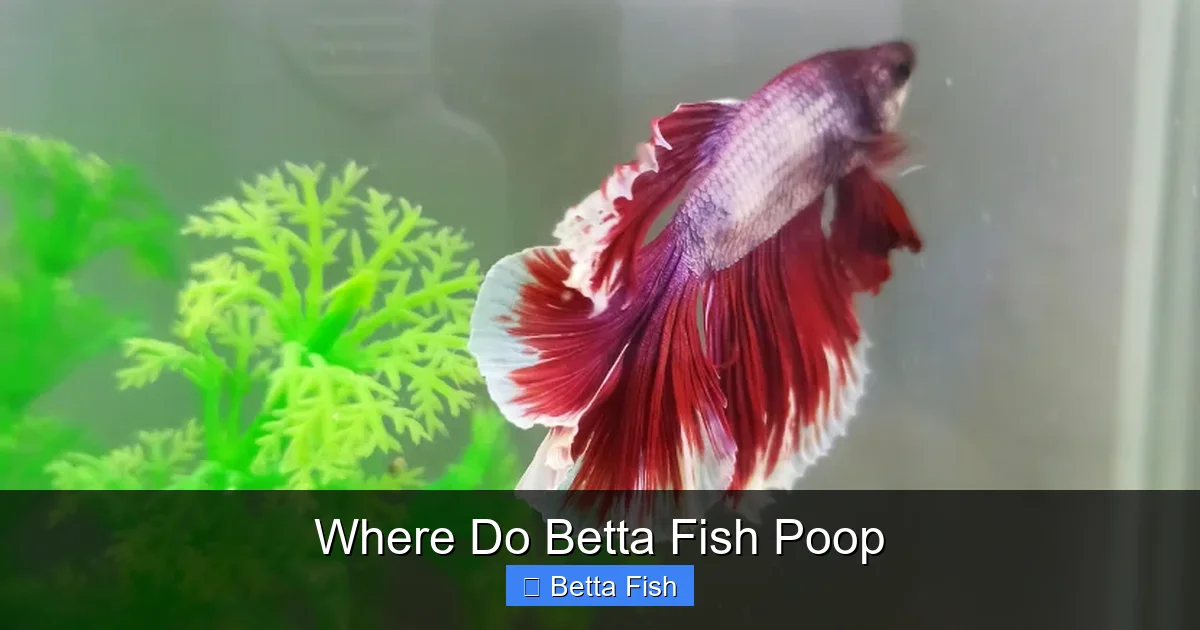
Betta fish poop is small, stringy, and usually sinks to the bottom of the tank. Unlike many fish, they don’t produce massive amounts of waste, but their tiny pellets can still cloud water and create ammonia if not managed. A clean filter and regular water changes are non-negotiable for a healthy betta. Most importantly, the color and consistency of your betta’s poop are direct indicators of their diet and digestive health. Paying attention to this simple aspect of care is one of the easiest ways to prevent serious illness.
Key Takeaways
- Betta waste is minimal but significant: Their small, infrequent poops still produce ammonia, requiring effective filtration and consistent water maintenance.
- Location is typically the substrate: Poop usually sinks and settles on the tank bottom, often near walls or decorations, not floating freely.
- Appearance is a health report card: Color (brown/green vs. white/stringy) and form (solid vs. mushy) directly signal good digestion or potential issues like constipation or infection.
- Diet dictates the dump: High-quality, varied food leads to normal, consistent waste. Overfeeding or poor-quality food causes excessive, discolored, or problematic poop.
- Tank setup matters: A bare-bottom tank makes spotting and removing waste easier, while fine gravel or sand can trap it. Strong filters help suspend waste for removal.
- Cleaning is a proactive health measure: Using a gravel vacuum during water changes to remove waste is one of the most critical tasks for preventing toxic ammonia spikes and disease.
- Live plants are helpers, not solutions: While they can absorb some nutrients from waste, they do not eliminate the need for mechanical waste removal and water changes.
📑 Table of Contents
- The Surprising Truth About Betta Fish Digestion and Waste
- Anatomy of a Betta Poop: What It Is and Where It Goes
- Decoding the Message: What Your Betta’s Poop Says About Their Health
- The Tank Environment: How Setup Dictates Waste Management
- Practical Maintenance: The Daily and Weekly Routine for a Waste-Free Tank
- The Diet-Poop Connection: Feeding for Optimal Waste
- Health and Hygiene: The Link Between Waste and Disease
- Conclusion: The Poop is the Point
The Surprising Truth About Betta Fish Digestion and Waste
Let’s get straight to it. If you’ve ever stared into your betta fish’s elegant aquarium, you’ve probably wondered: “Where does all that… stuff… go?” It’s a perfectly normal question for a dedicated betta keeper. Unlike the prolific waste producers of the fish world, like goldfish, bettas are relatively trim in their output. But “less” does not mean “insignificant.” Understanding where betta fish poop originates, where it lands, and what it looks like is a cornerstone of providing elite care. It’s not just about tank aesthetics; it’s about the very water chemistry your betta breathes and a direct window into their internal health.
Betta fish, with their labyrinth organ allowing them to breathe air, have a digestive system built for a life of opportunistic eating in shallow, warm waters. In the wild, a betta might snag a mosquito larva, a tiny crustacean, or a bit of plant matter here and there. This sporadic, protein-rich diet means their digestive tract is efficient but sensitive. The waste product of this process—betta fish poop—is a direct reflection of what goes in. It’s typically small, about the size of a grain of rice or a short thread, and varies in color from a dark brown to a greenish hue, depending on their recent meals. This seemingly insignificant trail is, in fact, one of the most important things you’ll monitor as a betta owner.
Anatomy of a Betta Poop: What It Is and Where It Goes
The Physical Characteristics of Betta Waste
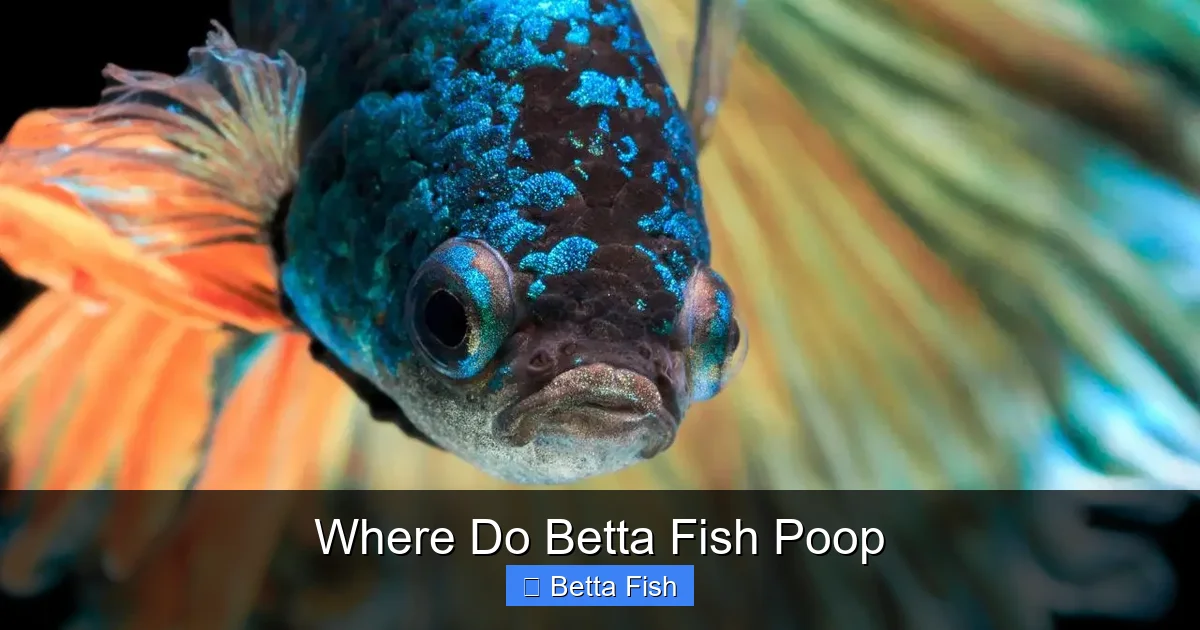
First, let’s demystify the object itself. Healthy betta fish poop is generally:
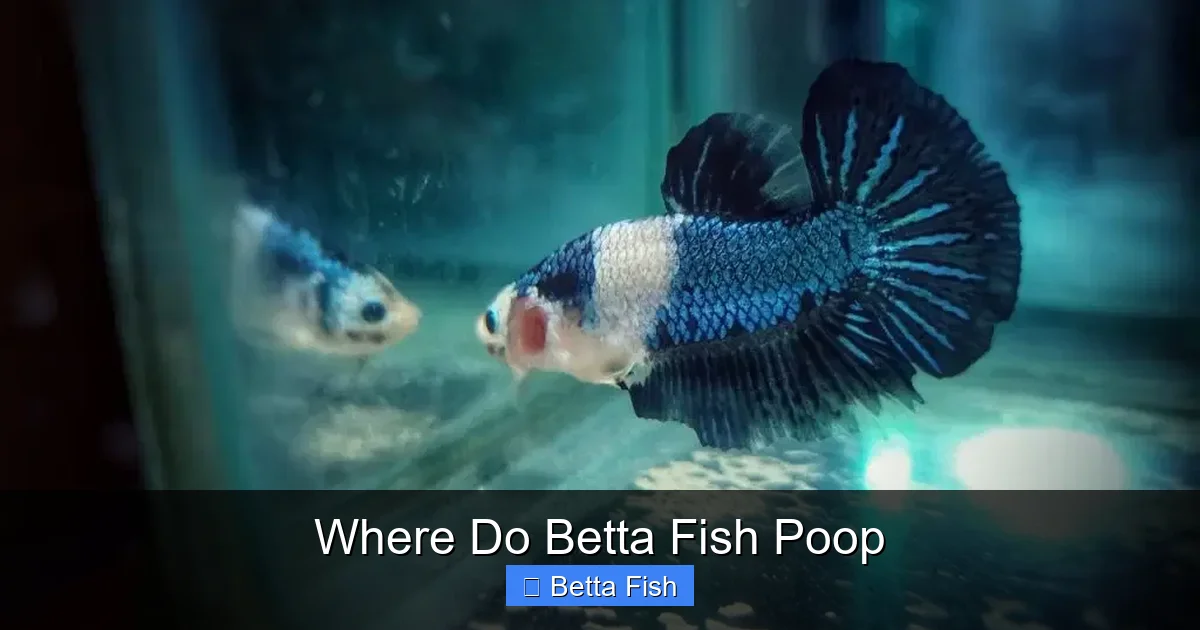
Visual guide about Where Do Betta Fish Poop
Image source: ekk4j69ebaa.exactdn.com
- Size & Shape: Small, cylindrical, and segmented. It often looks like a short piece of thread or a tiny, soft pellet. It’s rarely a long, continuous string.
- Color: This is the biggest clue. A diet rich in brine shrimp or high-protein pellets will yield a dark brown to almost black poop. If you’ve fed blanched peas (a common remedy for constipation), the poop will be greenish. A beige or light tan color can also be normal depending on food.
- Texture: It should be relatively firm and hold its shape briefly before sinking. It is not liquid or mushy.
Where does it go? Betta fish poop is negatively buoyant; it sinks. Almost immediately after expulsion, it will drop toward the bottom of the tank. It does not typically float around in the water column like some other fish waste. You’ll most commonly find it:
- Settled on the bare glass bottom.
- Trapped in the substrate (gravel or sand), especially in corners or against the back wall.
- Caught on the base of broad-leaf plants, decorations, or the intake tube of your filter.
Because bettas are relatively sedentary and prefer the upper half of the water column, their waste deposition is often concentrated in the specific areas they rest or hover near. This predictability is actually helpful for targeted cleaning.
The Digestive Journey: From Mouth to Substrate
The process starts with a betta’s tiny, upturned mouth. They are carnivorous surface feeders. Food is taken in, travels down a short esophagus, and into a simple stomach. From there, it moves into the intestine, where nutrients are absorbed. A betta’s gut is short and straight, designed for quick digestion of meaty foods. This efficiency means food doesn’t linger long, but it also means their system can be easily upset by improper foods. The indigestible parts—fiber, shells, etc.—are bundled together with mucus and bacteria, formed into the fecal pellet, and expelled through the cloaca (a common exit for waste and reproductive cells). The entire journey from meal to poop can take anywhere from 12 to 24 hours in a healthy betta. This timing is why you might not see waste immediately after feeding; it often appears the next day.
Decoding the Message: What Your Betta’s Poop Says About Their Health
The Signs of a Healthy Digestive System
A healthy betta producing healthy betta fish poop is a joy to observe. The waste should be:
Visual guide about Where Do Betta Fish Poop
Image source: ekk4j69ebaa.exactdn.com
- Consistent in Frequency: A betta on a proper diet of high-quality pellets or frozen foods will typically poop once a day, or once every other day. It’s a small, predictable event.
- Uniform in Appearance: The color should match their diet (dark for protein, green after peas). The strands should be well-formed, not ragged or broken into multiple tiny pieces.
- Minimal in Quantity: You should see a small, discrete pellet or two per day. A constant stream of waste is a major red flag for overfeeding.
When you see this pattern, it means your betta’s metabolism is humming along, their gut flora is balanced, and they are absorbing nutrients efficiently. It’s a sign you’re feeding the right amount of the right food.
Red Flags: Abnormal Betta Fish Poop and What They Mean
Changes in your betta’s waste are often the very first symptom of a developing health issue. Here’s your diagnostic cheat sheet:
- White or Milky Stringy Poop: This is the most common and alarming sign. It often indicates an internal bacterial infection (like columnaris) or a parasitic infestation (such as Hexamita). The poop loses its color because the betta is not digesting food properly and is expelling mostly mucus and bacteria. Action: Isolate the fish, fast for 24-48 hours, then offer a small, cooked pea. If no improvement in 24 hours, consult a vet or begin a gentle antibiotic bath (e.g., Maracyn II).
- Constipation (Thick, Short, Stubby Poop): Caused almost exclusively by overfeeding, especially of dry foods that swell in the gut. The betta may also exhibit a swollen abdomen and lethargy. Action: Fast for 2-3 days, then offer a skinned, cooked pea. Prevent by feeding high-quality, digestible foods and avoiding overfeeding.
- Excessive Amounts / Cloudy Water: If you’re seeing constant, mushy waste clouds, you are almost certainly overfeeding. Uneaten food and excess waste decompose rapidly, spiking ammonia and nitrite. Action: Cut feedings in half. Ensure you’re feeding no more than 2-3 pellets per day, twice a day, with one fasting day per week.
- Blood-Tinged Poop: A very serious sign of severe internal damage, possibly from a sharp object in the food (like unsoaked shrimp shells) or a advanced bacterial infection destroying the intestinal lining. Action: Immediate veterinary attention is required.
- No Poop at All for Several Days: Can be due to constipation impaction or a sudden loss of appetite from stress, poor water quality, or illness. Action: Check water parameters immediately. Fast and offer a pea. If the betta is also lethargic, not eating, or clamped, investigate other disease symptoms.
The Tank Environment: How Setup Dictates Waste Management
Substrate Choice: To Bare or Not to Bare?
The bottom of your betta tank is the final destination for most betta fish poop. Your choice of substrate dramatically affects how easy or difficult it is to manage that waste.
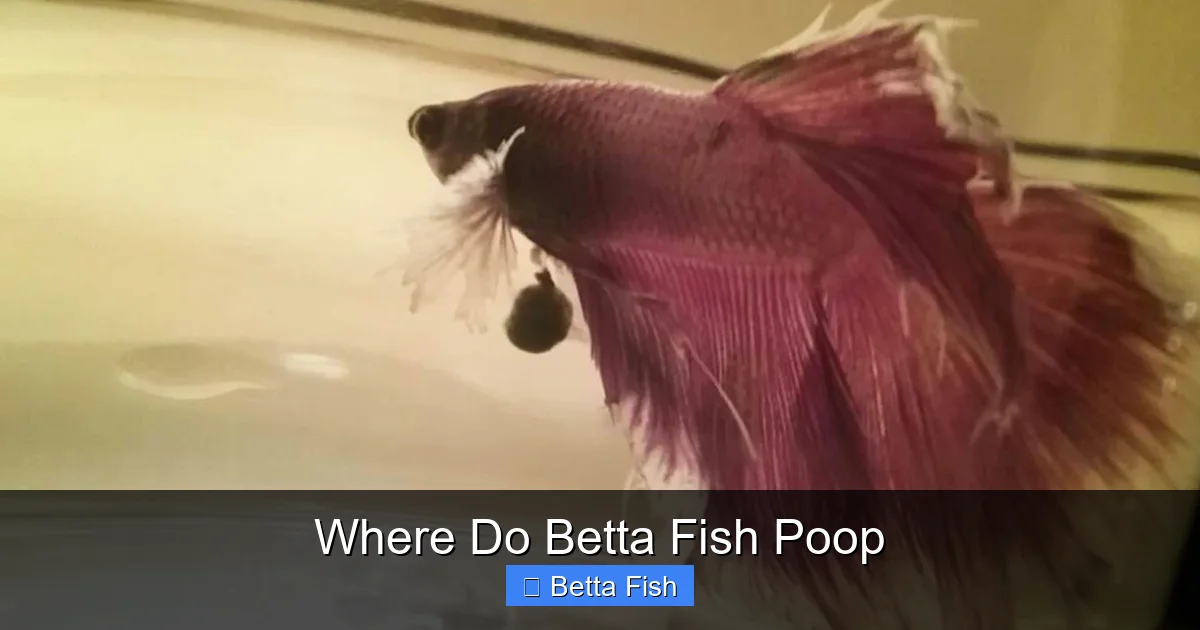
Visual guide about Where Do Betta Fish Poop
Image source: bettafish.org
- Bare-Bottom (Glass): The absolute champion for waste visibility and removal. Poop sits visibly on the glass, making it effortless to spot and siphon out with a turkey baster or during water changes. It’s also the most sanitary, as no waste can get trapped. Highly recommended for new betta keepers or sick/quarantine tanks.
- Fine Gravel or Sand: The most common choice for aesthetics. The problem? Waste sinks into the gaps between particles, becoming invisible. This hidden waste will slowly decay, releasing ammonia. You must use a gravel vacuum during every water change to stir and siphon out this trapped debris. Sand is slightly easier to vacuum clean than gravel but can compact, trapping waste underneath if not stirred gently.
- Large River Stones or Bare Patches: A good compromise. You can create a bare spot near the front or a feeding area for easy waste spotting, while using stones for decoration elsewhere.
Pro Tip: If you have substrate, always vacuum the entire bottom surface methodically during water changes. Don’t just skim the top; plunge the vacuum into the gravel to pull out the buried detritus where betta fish poop accumulates.
Filtration: Your Mechanical Waste Remover
A filter is not just for biological filtration (housing good bacteria). Its mechanical component is your primary tool for keeping water clear of suspended particles, including betta fish poop that gets stirred up.
- Sponge Filters: Excellent for bettas. They provide gentle flow and great mechanical filtration as water is pulled through the sponge pores, trapping fine particles. The sponge must be squeezed out in old tank water during water changes to remove the trapped gunk.
- Hang-On-Back (HOB) / Internal Power Filters: These come with filter media (foam, floss, cartridge). The floss or fine foam layer is where mechanical waste capture happens. This media must be rinsed regularly (in tank water, never tap) to prevent it from becoming a clogged, decaying mess that reduces flow and leaches toxins back into the tank.
- Flow Rate: Betta fish prefer gentle flow. A filter that’s too powerful will constantly suspend waste in the water column, making it harder for the filter to catch and for you to enjoy a clear view of your fish. Adjust the flow to a gentle trickle.
Remember: A filter cleans the *water*, not the *tank*. It removes suspended particles but does nothing for waste stuck in the substrate or on surfaces. That’s your job.
Practical Maintenance: The Daily and Weekly Routine for a Waste-Free Tank
The Daily Visual Inspection
Spend 30 seconds each day looking at the bottom of your tank. Do you see any betta fish poop? Is it a normal amount? Is the water clear, or is there a slight haze? This quick scan tells you if your feeding amount is correct and if your filter is functioning. If you see a buildup of waste, you’ll need to address it that day with a spot clean.
The Essential Weekly: The Gravel Vacuum and Water Change
This is the non-negotiable heart of betta tank maintenance. A 25-50% water change weekly is standard, but the method is everything.
- Prepare: Treat new water with a dechlorinator and match temperature to the tank.
- Siphon: Use a gravel vacuum. Insert it into the substrate and move it slowly in a grid pattern across the entire bottom. You’ll see a cloud of debris (including old betta fish poop, uneaten food, and detritus) get sucked up. Stop when the water running out runs clear. This physically removes the waste before it decomposes.
- Refill: Slowly add the treated new water, preferably pouring it over a rock or into a cup to avoid disturbing the substrate and re-suspending waste.
- Clean Filter Media: At the same time, rinse mechanical filter media (sponges, floss) in thebucket of old tank water you just removed. Never use tap water, as it kills beneficial bacteria.
Tool of the Trade: A small, flexible gravel vacuum (like a 6-inch python or airstone vacuum) is worth its weight in gold for this task.
Spot Cleaning Between Changes
If you notice a few pieces of betta fish poop on the glass or on a plant leaf, don’t wait for water change day. Use a clean, dedicated algae scraper or even a clean finger (washed, with no soap!) to gently remove it. For waste on plants, you can carefully rinse the leaf with a pipette of tank water. Removing visible waste daily prevents it from breaking down and polluting the water between major cleanings.
The Diet-Poop Connection: Feeding for Optimal Waste
Quality Over Quantity: The Foundation
The single biggest factor influencing the volume, frequency, and composition of betta fish poop is diet. You are what you eat, and your betta’s waste is what it didn’t.
- High-Quality Pellets: Choose a reputable brand where the first 3 ingredients are whole fish or seafood (e.g., salmon, shrimp, squid). Avoid pellets with fillers like wheat, soybean meal, or potato starch as primary ingredients. Good pellets are highly digestible, resulting in less waste.
- Variety is Key: Rotate in frozen or freeze-dried foods 2-3 times a week: daphnia (great for digestion), bloodworms (a treat), brine shrimp. This provides essential nutrients and fiber.
- The Fasting Day: Implement one “no-food” day per week. This gives the digestive system a complete break, helps clear any minor blockages, and mimics the natural feast/famine cycle of a betta’s environment. It will not harm a healthy adult betta.
How Much and How Often: A Simple Guide
Overfeeding is the #1 cause of poor water quality and digestive issues in bettas. Their stomach is roughly the size of their eye.
- Amount: 2-3 high-quality pellets per day, split into two feedings (morning and evening). For larger or more active bettas, you might increase to 4 pellets total.
- The 5-Minute Rule: If pellets are not eaten within 5 minutes, they are likely too many. Remove any uneaten pellets with a net or pipette immediately. They will dissolve and foul the water.
- For Treats: A small pinch of frozen food (thawed and rinsed) is plenty. It should not replace pellets as a staple.
- Peas for Prevention: Offering a skinned, cooked pea once a week or every other week is an excellent source of fiber to keep things moving and prevent constipation, especially if your diet is pellet-heavy.
When you feed correctly, you will see a correspondingly small and infrequent amount of betta fish poop. Less in, less out. It’s that simple.
Health and Hygiene: The Link Between Waste and Disease
Ammonia: The Invisible Killer Born from Poop
Here is the critical, life-or-death connection. Betta fish poop, like all organic waste, contains nitrogenous compounds. As it decomposes (a process that starts immediately), it first breaks down into ammonia (NH3/NH4+). Ammonia is highly toxic to fish, burning their gills and skin. In a cycled tank, beneficial bacteria (Nitrosomonas) convert ammonia to nitrite, and another bacteria (Nitrospira) converts nitrite to far less toxic nitrate. But this cycle only works if you remove the physical waste. A piece of poop sitting in the gravel will release ammonia directly into the water around it, creating a toxic “hot spot” that can overwhelm your biofilter, especially in a small betta tank. This is why physically removing betta fish poop during water changes is not optional—it is the primary method of preventing ammonia spikes.
When Poop Points to Parasites or Bacteria
As discussed in the “Red Flags” section, abnormal waste is often a symptom. Internal parasites like Hexamita or Spironucleus attack the intestinal lining, causing severe digestive distress and the classic “stringy white poop.” Bacterial infections like Aeromonas or Pseudomonas do the same. In both cases, the fish stops digesting food properly. The waste becomes mostly mucus and bacteria cells, hence the pale, stringy appearance. These conditions are often stress-related. Poor water quality (from decomposing waste!), abrupt temperature changes, or a weakened immune system from an improper diet can open the door. Therefore, maintaining pristine water by managing betta fish poop is your first and best line of defense against these diseases. A clean tank supports a strong immune system.
Conclusion: The Poop is the Point
So, where do betta fish poop? They poop right there in your tank, on the bottom, in a small, telling bundle. And that’s a wonderful thing. That tiny pellet is your most accessible, daily health report. It tells you if you’re feeding too much, if your food is quality, and if your betta’s insides are functioning smoothly. Its location reminds you of your responsibility: to be the janitor of your fish’s world. By choosing the right tank setup, using an effective filter, committing to a gravel vacuum routine, and feeding a precise, high-quality diet, you turn the management of betta fish poop from a chore into a powerful tool for prevention. You create an environment where your betta’s brilliant colors can shine, their flowing fins can billow, and their elegant form can thrive, free from the burden of poor water quality and digestive distress. The next time you see that little brown strand on the glass, don’t just wipe it away. See it for what it is: a small, manageable piece of the puzzle that is your betta’s vibrant health.
Frequently Asked Questions
Is it normal for my betta fish to poop a lot?
No. Betta fish naturally produce very little waste. If you are seeing constant, stringy, or excessive poop, you are almost certainly overfeeding. Cut back to 2-3 high-quality pellets per day, and consider implementing a weekly fasting day. Cloudy water from waste is also a sign of overfeeding.
What does white, stringy betta fish poop mean?
White, milky, stringy poop is a major red flag and typically indicates a severe internal bacterial or parasitic infection. The fish is no longer digesting food and is expelling mostly mucus and pathogens. This requires immediate action: fast the fish for 24-48 hours, offer a cooked pea, and if there’s no improvement, consult an aquatic veterinarian or begin treatment with a suitable antibiotic bath.
How often should I clean betta fish poop from the tank?
You should perform a visual spot-clean daily, removing any visible waste from the glass or decorations with your fingers or a scraper. The primary removal, however, must happen during your weekly 25-50% water change using a gravel vacuum. This is the only way to remove waste trapped in the substrate where it decomposes and pollutes the water.
Can live plants eat betta fish poop and eliminate the need for cleaning?
No. While live plants can absorb some of the nutrients (like nitrate) from decomposing waste, they do not consume solid betta fish poop. The waste must still be physically removed from the tank before it breaks down into toxic ammonia. Plants are a fantastic supplement for water quality but are not a replacement for filtration and manual waste removal.
Should I fast my betta fish to help with constipation?
Yes, fasting is the first and most important step for treating constipation, which appears as thick, short, stubby poop and a swollen abdomen. Fast your betta for 2-3 days to clear the digestive tract. After the fast, offer a small, skinned, cooked pea. To prevent constipation, feed high-quality, digestible foods, avoid overfeeding, and consider a weekly pea as a fiber supplement.
My betta’s poop has changed color after I fed peas. Is that okay?
Yes, that is perfectly normal and expected. Blanched green peas are a common remedy for constipation and will turn your betta’s poop a distinct greenish color for a day or two. This simply shows the pea is moving through their system. The color should return to a normal brown/green within a day or two after returning to their regular diet.