Which Is Better Coq10 or Fish Oil
CoQ10 and fish oil are not interchangeable; they serve fundamentally different primary functions. CoQ10 is a potent antioxidant crucial for cellular energy production, especially benefiting heart health and statin users. Fish oil provides essential omega-3 fatty acids (EPA/DHA) that combat inflammation and support brain, eye, and cardiovascular health. The “better” choice depends entirely on your specific health objectives, diet, and medical conditions. Often, they are complementary parts of a holistic supplement strategy.
Key Takeaways
- Different Primary Roles: CoQ10 is a vitamin-like compound for cellular energy (mitochondria), while fish oil provides essential dietary fats (omega-3s) the body cannot make.
- Heart Health Focus Diverges: CoQ10 is renowned for supporting heart muscle energy and offsetting statin-induced depletion; fish oil excels at lowering triglycerides and reducing vascular inflammation.
- Inflammation vs. Oxidation: Fish oil’s omega-3s are primary anti-inflammatory agents; CoQ10 is a premier lipid-soluble antioxidant that protects cells from oxidative damage.
- Bioavailability Matters: Opt for ubiquinol (reduced CoQ10) for better absorption, especially over 40. Choose re-esterified triglyceride (rTG) or natural triglyceride form fish oil for superior uptake.
- They Are Often Complementary: Many individuals, particularly those with cardiovascular concerns or on statins, benefit from taking both, as they address different physiological pathways.
- Food Sources Are Key: CoQ10 is found in organ meats, fatty fish, and whole grains; omega-3s (EPA/DHA) are primarily in fatty fish and algae. Supplements fill dietary gaps.
- Consult a Professional: Always discuss with a doctor or pharmacist, especially if you have medical conditions, are pregnant, or take medications like blood thinners (fish oil) or chemotherapy (CoQ10).
📑 Table of Contents
- Introduction: Two Powerhouse Supplements, Different Missions
- Understanding the Basics: What *Are* They?
- Head-to-Head: Comparing Their Core Health Benefits
- Bioavailability: It’s Not Just What You Take, But What You Absorb
- Can You (and Should You) Take Them Together?
- How to Choose: A Personalized Decision Framework
- Conclusion: Tools for a Healthier You
Introduction: Two Powerhouse Supplements, Different Missions
Walking through the supplement aisle can feel like navigating a foreign country. You hear buzzwords—antioxidant, omega-3, cellular energy—and two names consistently rise to the top: CoQ10 and fish oil. Both are backed by thousands of studies and touted for heart health, leading many to ask: which is better, CoQ10 or fish oil?
This is a classic case of comparing apples and oranges. While both are vital for optimal health and share some overlapping benefits for the cardiovascular system, they are chemically distinct, perform different core jobs in your body, and address different deficiencies. Choosing between them isn’t about picking a winner in a fight; it’s about selecting the right tool for your specific health workshop. This guide will dismantle the confusion, exploring the unique science, benefits, and practical applications of each to help you decide—or realize you might need both.
Understanding the Basics: What *Are* They?
CoQ10: The Cellular Spark Plug
Coenzyme Q10, or CoQ10, is a compound similar to a vitamin that your cells produce naturally. Its most famous role is in the mitochondria, the tiny power plants within each cell. Here, it acts as a crucial shuttle in the electron transport chain, a process that generates over 95% of your body’s energy in the form of ATP (adenosine triphosphate). Think of it as the spark plug for your cellular engine.
Visual guide about Which Is Better Coq10 or Fish Oil
Image source: insights.tessmed.com
Beyond energy, CoQ10 is a powerful fat-soluble antioxidant. It protects cell membranes, proteins, and DNA from oxidative damage caused by free radicals. It also helps regenerate other antioxidants like vitamin E and vitamin C. There are two main forms: ubiquinone (the oxidized, standard form) and ubiquinol (the reduced, active antioxidant form). As we age, our bodies become less efficient at converting ubiquinone to ubiquinol, which is why many opt for the ubiquinol supplement directly.
Your body makes CoQ10, but production peaks around age 20-25 and declines steadily thereafter. Deficiency can also be caused by statin medications (cholesterol-lowering drugs like atorvastatin or rosuvastatin), which inhibit the same pathway used to produce both cholesterol and CoQ10.
Fish Oil: The Essential Building Block
Fish oil is not a single compound but a source of two critical omega-3 polyunsaturated fatty acids (PUFAs): Eicosapentaenoic Acid (EPA) and Docosahexaenoic Acid (DHA). These are termed “essential” because the human body cannot manufacture them efficiently; we must obtain them from our diet.
EPA and DHA are incorporated into the membranes of every cell in your body. They are not primarily about energy production like CoQ10. Instead, they are structural components and signaling molecules. They give cell membranes fluidity, act as precursors to powerful hormone-like compounds called eicosanoids, and directly influence inflammation, blood clotting, and immune function. The modern Western diet is notoriously high in omega-6 fats (from vegetable oils) and low in omega-3s, creating a pro-inflammatory imbalance that fish oil helps correct.
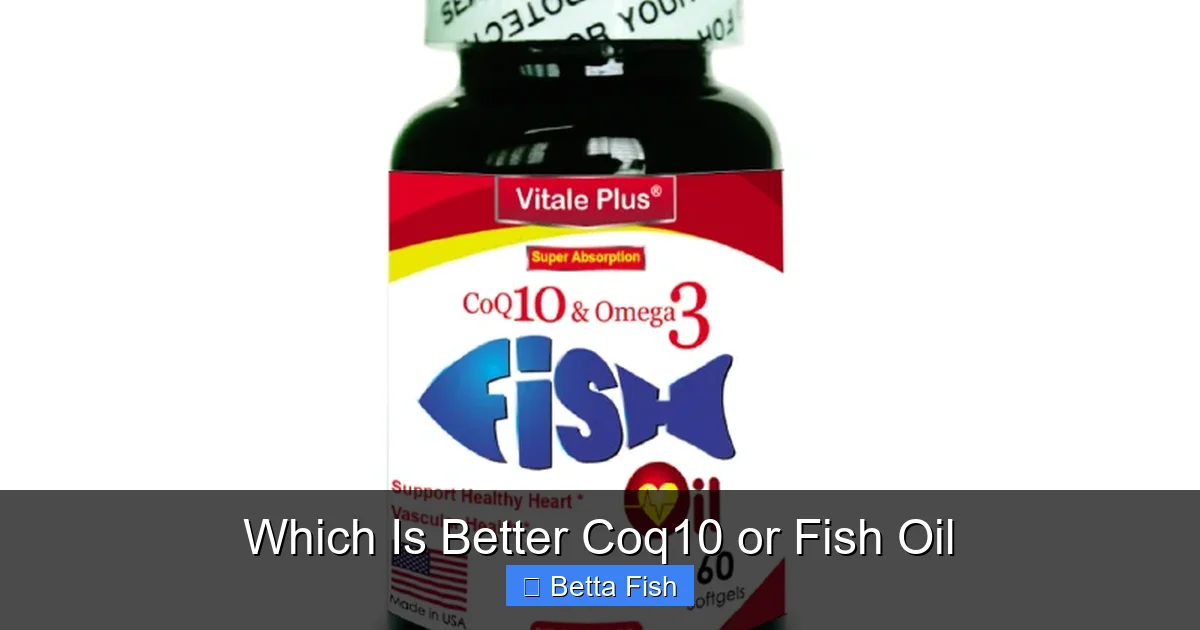
The quality of fish oil supplements varies dramatically. Key factors are the form (natural triglyceride [TG] or re-esterified triglyceride [rTG] is best; ethyl ester [EE] is less absorbable), purity (free of mercury, PCBs), and concentration (how much actual EPA/DHA per softgel).
Head-to-Head: Comparing Their Core Health Benefits
Now, let’s break down where each supplement shines, using a comparative lens.

Visual guide about Which Is Better Coq10 or Fish Oil
Image source: insights.tessmed.com
Cardiovascular Health: Different Paths to the Same Goal
Both are acclaimed for heart health, but their mechanisms are distinct.
- CoQ10’s Heart Claim: The heart muscle is one of the most energy-demanding tissues in the body. CoQ10 ensures the cardiomyocytes (heart cells) have the ATP they need to contract efficiently. Studies show it can improve symptoms in patients with heart failure, reduce blood pressure modestly, and significantly counteract the muscle pain (myopathy) and CoQ10 depletion caused by statin drugs. It’s like ensuring the engine of your car has enough high-quality fuel and spark.
- Fish Oil’s Heart Claim: Omega-3s work primarily through anti-inflammatory and blood-modifying effects. They are FDA-approved to reduce very high triglycerides (a major risk factor for pancreatitis). They also help stabilize cardiac electrical activity (reducing arrhythmia risk), slightly lower blood pressure, reduce platelet stickiness, and combat the chronic, low-grade inflammation that underlies atherosclerosis (plaque buildup). It’s like adding a special oil to your engine that reduces friction and prevents sludge buildup.
Practical Example: A 65-year-old man on high-dose statins for high LDL cholesterol experiences leg pain. His doctor might recommend CoQ10 to address the potential statin-induced depletion and muscle symptoms. Meanwhile, a 50-year-old woman with genetically high triglycerides (e.g., 500 mg/dL) despite a good diet would be a prime candidate for high-dose fish oil (prescription-strength or 2-4 grams of EPA/DHA daily).
Inflammation and Oxidative Stress: The Defense Duo
Chronic inflammation and oxidative stress are twin engines of aging and disease.
- Fish Oil (EPA/DHA): Is a direct anti-inflammatory. EPA competes with arachidonic acid (an omega-6 fat) for enzymes that produce inflammatory eicosanoids. The result is a shift toward producing less inflammatory, even pro-resolving, compounds. This is why fish oil is researched for rheumatoid arthritis, inflammatory bowel disease, and other chronic inflammatory conditions.
- CoQ10: Is a premier antioxidant. It neutralizes free radicals within mitochondria and cell membranes, preventing the oxidative damage that triggers and perpetuates inflammation. It also helps regenerate vitamin E, a key antioxidant in lipid membranes. It doesn’t block inflammation like fish oil; it protects cells from the damage that causes it.
Key Insight: These processes are linked. Oxidative stress promotes inflammation, and inflammation generates more oxidative stress. For comprehensive cellular defense, addressing both pathways—with fish oil for inflammation and CoQ10 for antioxidant protection—is a powerful synergistic strategy.
Beyond the Heart: Unique Territories
CoQ10’s Specialties:
- Migraine Prophylaxis: Strong evidence supports CoQ10 (often 100-300 mg/day of ubiquinol) in reducing the frequency and severity of migraines, likely due to improving mitochondrial function in brain cells.
- Fertility: CoQ10 levels in seminal fluid are linked to sperm motility and count. Supplementation is studied for improving male fertility parameters.
- Exercise Performance & Recovery: By supporting mitochondrial energy production, CoQ10 may enhance aerobic capacity, reduce exercise-induced oxidative stress, and speed recovery, especially in older adults or those with low baseline levels.
Fish Oil’s Specialties:
- Brain and Cognitive Health: DHA is a major structural fat in the brain and retina. Adequate DHA is critical for fetal brain development, and higher intake is associated with reduced cognitive decline and lower risk of dementia.
- Eye Health: DHA is concentrated in the retina. Supplementation is studied for age-related macular degeneration and dry eye syndrome.
- Pregnancy and Infant Development: DHA is crucial for fetal brain and nervous system development. Most prenatal vitamins now include DHA, but additional fish oil may be recommended.
Bioavailability: It’s Not Just What You Take, But What You Absorb
You can take the best supplement, but if your body doesn’t absorb it, it’s money down the drain. Bioavailability is a critical, often overlooked, differentiator.
Visual guide about Which Is Better Coq10 or Fish Oil
Image source: mptsaigon.com
CoQ10: The Ubiquinol Advantage
Standard CoQ10 (ubiquinone) is poorly absorbed. It’s a large, fat-soluble molecule. Ubiquinol, the active antioxidant form, is significantly more bioavailable—studies show 2-3 times better absorption in humans, especially in individuals over 40 or those with impaired conversion. Taking any CoQ10 with a fat-containing meal is essential. For therapeutic effects, doses typically range from 100-300 mg daily of ubiquinol, or 200-600 mg of ubiquinone.
Fish Oil: The Triglyceride vs. Ethyl Ester Debate
Natural fish oil is in triglyceride (TG) form, the same form found in fresh fish. Many concentrated, cheaper supplements use ethyl ester (EE) form, where the fatty acids are separated from the glycerol backbone for purification. The human digestive enzyme lipase is much more efficient at breaking down natural TGs than EEs. Research consistently shows that TG and re-esterified triglyceride (rTG) forms have superior absorption (by 30-70% in some studies) compared to EE. Always check the label. If it doesn’t specify “natural triglyceride” or “rTG,” it’s likely EE.
Practical Tip: Look for fish oil supplements that state “molecularly distilled” for purity and list the exact amounts of EPA and DHA per serving. A typical effective dose for general health is 500-1000 mg combined EPA/DHA daily. For therapeutic effects (like high triglycerides), doses of 2000-4000 mg EPA/DHA are used under medical supervision.
Can You (and Should You) Take Them Together?
Absolutely. There is no known harmful interaction between CoQ10 and fish oil. In fact, they can be complementary. The antioxidant protection from CoQ10 may help protect the delicate polyunsaturated omega-3 fats in fish oil from oxidizing *within your body*, though both are stable in their supplement forms when stored properly (cool, dark place).
Ideal Scenarios for Combination:
- Statin Users: Statins deplete CoQ10 and can slightly raise glucose and inflammatory markers. CoQ10 addresses the depletion and muscle pain; fish oil counters inflammation and supports healthy blood lipids.
- Comprehensive Cardiovascular Support: Targeting multiple risk factors: CoQ10 for heart muscle energy and blood pressure; fish oil for triglycerides, inflammation, and arrhythmia risk.
- Aging and General Wellness: As endogenous CoQ10 production wanes and dietary omega-3 intake is often low, combining both provides broad-spectrum support for cellular energy, antioxidant defense, and inflammatory balance.
How to Take Them: Take both with meals that contain fat to maximize absorption. There’s no need to separate them timing-wise. If you experience mild digestive upset from fish oil, try taking it with your largest meal.
How to Choose: A Personalized Decision Framework
So, which is better for *you*? Answer these questions:
Ask Yourself:
- What is my primary health goal? For migraines, fertility, or statin side effects → lean toward CoQ10. For high triglycerides, joint inflammation, brain health, or pregnancy → lean toward fish oil.
- What is my diet like? Do you eat fatty fish (salmon, mackerel, sardines) 2-3 times per week? If not, fish oil is a clear gap. Do you eat organ meats, beef, or whole grains regularly? If not, CoQ10 may be low.
- Am I on any medications? Statins? → Strongly consider CoQ10. Blood thinners (warfarin, clopidogrel)? → Discuss fish oil with your doctor due to potential antiplatelet effects. Chemotherapy? → Some protocols require pausing CoQ10; consult your oncologist.
- What is my age? Over 40? The body’s conversion to ubiquinol declines, making ubiquinol the preferred CoQ10 form. For all ages, choose high-quality, TG-form fish oil.
- What is my budget and priority? For a single, foundational supplement for a generally healthy person with a poor diet, high-quality fish oil often provides broader initial benefit due to the extreme prevalence of omega-3 deficiency. For targeted issues like statin myopathy or migraines, CoQ10 is the specific tool.
The Bottom Line: There is no universal “better.” They are different tools for different jobs. For many people, especially those concerned with heart health, taking both is the optimal, evidence-based strategy. Start with the one that addresses your most pressing need or deficiency, and consider adding the second for comprehensive support.
Conclusion: Tools for a Healthier You
The question “which is better, CoQ10 or fish oil?” ultimately reveals a misunderstanding of their distinct roles. CoQ10 is your cellular energy and antioxidant guardian, vital for powerhouse organs like the heart and for counteracting specific drug depletions. Fish oil is your essential anti-inflammatory building block, critical for balancing modern diets and supporting everything from your arteries to your brain. They are not rivals; they are specialists in different departments of your health.
Your decision should be based on a clear-eyed assessment of your diet, health goals, and life stage. If your diet lacks fatty fish, prioritize a high-quality fish oil. If you’re on statins or struggle with fatigue and migraines, prioritize a bioavailable form of CoQ10 (ubiquinol). For those seeking robust, long-term cardiovascular and cellular health, combining both—with attention to form and dosage—is a powerful, science-backed approach. As with any supplement, choose products verified by third-party organizations (like USP, NSF, or IFOS for fish oil), store them properly, and most importantly, have an open conversation with your healthcare provider to tailor the plan to your unique biology.
Frequently Asked Questions
Can I take CoQ10 and fish oil at the same time?
Yes, there is no known harmful interaction between CoQ10 and fish oil. They work through different mechanisms and are often taken together for synergistic cardiovascular and cellular support. Taking both with a meal containing fat will maximize absorption of this fat-soluble duo.
Will fish oil lower my cholesterol?
Fish oil has a minimal effect on LDL (“bad”) cholesterol and can sometimes slightly raise it. Its primary lipid benefit is significantly lowering triglycerides. It also raises HDL (“good”) cholesterol modestly. For high LDL, statins or other therapies are the mainstay; fish oil addresses a different risk factor.
Is there a vegan alternative to fish oil?
Yes. Algal oil is derived from algae and is a direct source of DHA and often EPA. It is the original source of omega-3s in the marine food chain and is suitable for vegetarians and vegans. It provides similar benefits to fish oil, though often at a higher cost per gram of EPA/DHA.
Which is better for lowering blood pressure, CoQ10 or fish oil?
Both can modestly lower blood pressure (typically by 3-5/2-4 mmHg), but the evidence is slightly stronger for CoQ10 in clinical populations like those with hypertension or heart failure. Fish oil’s effect is more consistent at higher doses (3-4 grams/day). They can be used together for a potential additive effect.
How long does it take to see results from CoQ10 or fish oil?
It varies. For conditions like statin-induced muscle pain, some people feel better within weeks on CoQ10. For lowering triglycerides with high-dose fish oil, effects can be seen in 4-8 weeks. For general anti-inflammatory or antioxidant support, benefits are cumulative and may take 2-3 months of consistent use to notice.
Can I get enough CoQ10 or omega-3s from food alone?
It’s challenging for most people. For omega-3s, you’d need to eat fatty fish 3-4 times per week to meet general recommendations. For CoQ10, you’d need large portions of organ meats, beef, or oily fish daily, which isn’t typical. Supplements are an effective and convenient way to ensure adequate intake, especially given modern diets and declining food nutrient density.