A Blue Betta Fish

A blue betta fish is one of the most stunning and popular freshwater aquarium pets in the world. Known for their vibrant blue hues and flowing fins, blue bettas come in several varieties, each with unique color patterns and personalities. This guide covers everything you need to know about caring for a blue betta fish, from tank setup and water conditions to diet, health, and common mistakes to avoid.
A blue betta fish is truly one of nature’s most beautiful creations. Their vivid blue scales and long, flowing fins make them stand out in any aquarium. Whether you are a first-time fish owner or a seasoned hobbyist, understanding how to care for a blue betta fish properly is the key to enjoying their company for years. In this guide, we will walk you through everything you need to know about these amazing creatures.
## Why Blue Betta Fish Are So Popular
Blue betta fish have captured the hearts of aquarium lovers around the world. Their bright, shimmering blue coloration combined with elegant fins creates a mesmerizing display. But there is more to these fish than just good looks.
### The Beauty of Blue Betta Colors
The blue color in betta fish comes from special cells in their skin called chromatophores. These cells reflect light in ways that create the deep blue tones we love. Some blue bettas have a steel blue appearance, while others display a vivid royal blue that almost glows under aquarium lights.
The color can also change depending on several factors. Water temperature, lighting, and even the fish’s mood can affect how vibrant the blue looks. A healthy blue betta fish in a well-maintained tank will display the most intense coloration.
### Personality Traits of Blue Bettas
Many people do not realize that betta fish are actually quite intelligent. A blue betta fish can recognize its owner and may even swim to the front of the tank when you approach. They are curious creatures that like to explore their surroundings.
Male bettas are known for their territorial behavior, which is why they should never be housed together. However, a single blue betta can make a wonderful solo pet. They are active during the day and enjoy interacting with their environment.
## Types of Blue Betta Fish
Not all blue bettas look the same. There are several distinct types, each with its own unique pattern and fin shape. Understanding these varieties helps you choose the right fish for your setup.
### Solid Blue Betta
A solid blue betta fish has one consistent blue color across its entire body. This is the most classic and sought-after variety. The blue should be deep and even, with no patches of other colors. Solid blue males often have long, dramatic fins that trail behind them as they swim.
### Halfmoon Blue Betta
The halfmoon variety gets its name from the shape of its tail fin. When fully spread, the tail forms a perfect half-circle, sometimes spanning 180 degrees or more. A halfmoon blue betta is a stunning sight, with the blue coloration extending across the wide, flowing fins.
### Crowntail Blue Betta
Crowntail bettas have fins that look like they have been cut into tiny points, resembling a crown. The blue coloration on a crowntail can be incredibly vivid, and the unique fin shape adds extra visual interest. These are popular among experienced fish keepers.
### Marble Blue Betta
Marble bettas display a mix of colors, often with blue patches scattered across the body. The pattern can change over time, which is part of what makes them so fascinating. A marble blue betta may look completely different after a few months of living in a healthy tank.
### Mustard Gas Blue Betta
This variety combines blue with yellow or green tones, creating a striking two-tone effect. The blue typically appears on the body while the fins display the contrasting color. Mustard gas blue bettas are rare and highly prized by collectors.
## Setting Up the Perfect Tank for a Blue Betta Fish
Creating the right environment is one of the most important parts of blue betta fish care. A well-set-up tank keeps your fish healthy, reduces stress, and brings out the best colors.
### Tank Size Requirements
Many people mistakenly keep bettas in tiny bowls. This is one of the most common mistakes new fish owners make. A blue betta fish needs at least 5 gallons of water to thrive. Larger tanks, such as 10 gallons, are even better because they provide more stable water conditions.
A bigger tank gives your fish room to swim and explore. This is important because betta fish do like a lot of space to move around. A cramped tank leads to stress, which can cause health problems and dull coloration.
### Heating and Filtration
Betta fish are tropical creatures that need warm water. A heater is essential to maintain a steady temperature between 76 and 82 degrees Fahrenheit. Without proper heating, your blue betta fish may become sluggish and lose its appetite.
Filtration is also important, but bettas prefer gentle water flow. Strong filters can tire them out and make it hard for them to swim. A filtered tank helps keep the water clean and removes harmful toxins. Look for a filter with an adjustable flow or sponge filter.
### Substrate and Decorations
A soft substrate like sand or fine gravel is ideal for a blue betta tank. Avoid rough or sharp substrates that could damage the delicate fins. Live or silk plants make great additions because they provide hiding spots and mimic the betta’s natural habitat.
Adding decorations like caves and driftwood gives your blue betta places to explore and rest. Just make sure there are no sharp edges that could tear the fins. A well-decorated tank also reduces stress by giving your fish a sense of security.
### Water Conditions
Clean water is the foundation of good betta care. You should test the water regularly for ammonia, nitrite, and nitrate levels. These substances can build up quickly and harm your fish if not monitored.
Always use a water conditioner to remove chlorine and chloramine from tap water before adding it to the tank. Tap water can be used safely for bettas as long as it is properly treated. Regular partial water changes, about 25 percent every week, help maintain optimal water quality.
## Feeding Your Blue Betta Fish
Diet plays a huge role in keeping your blue betta fish healthy and colorful. A balanced diet supports vibrant scales, strong fins, and a long lifespan.
### What to Feed Your Blue Betta
Betta fish are carnivores by nature. Their diet should be high in protein. The best foods for a blue betta include:
- Betta pellets: These are specially formulated to meet all of your fish’s nutritional needs. Look for high-quality brands with a protein content of at least 30 percent.
- Frozen or live foods: Bloodworms, brine shrimp, and daphnia are excellent treats that mimic what bettas eat in the wild.
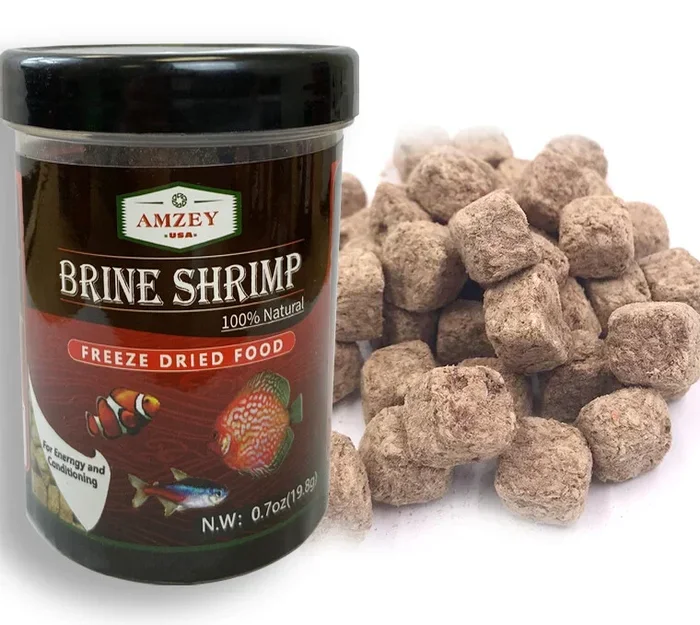
- Freeze-dried foods: These are convenient and still packed with nutrients. Soak them before feeding to prevent bloating.
### Feeding Schedule and Portions
Feed your blue betta fish two small meals per day. A good rule of thumb is to offer only what your fish can eat in two minutes. Overfeeding is a common mistake that can lead to constipation and bloating.
It is also a good idea to skip one meal per week. This gives the digestive system a break and helps prevent health issues. Overfeeding a betta fish can cause serious problems, so always err on the side of caution with portions.
### Foods to Avoid
Not all fish foods are safe for bettas. Avoid feeding your blue betta:
- Flakes designed for tropical community fish, which lack the protein bettas need.
- Bread or crackers, which expand in the stomach and cause bloating.
- Foods with artificial colors or fillers that offer little nutritional value.
## Health and Common Issues
Even with the best care, blue betta fish can sometimes face health problems. Knowing the signs of common issues helps you catch them early and treat them effectively.
### Signs of a Healthy Blue Betta
A healthy blue betta fish will display bright, even coloration and active swimming behavior. The fins should be held open and flowing, not clamped against the body. A healthy appetite and regular waste production are also good indicators of well-being.
### Common Health Problems
Several health issues are particularly common in betta fish:
- Fin rot: This bacterial infection causes the fins to look ragged or discolored. It is usually caused by poor water quality. Improving water conditions and adding aquarium salt often resolves mild cases.
- Betta ich: White spots on the body and fins indicate ich, a parasitic infection. Raising the water temperature slightly and using medication can help treat it.
- Swim bladder disease: A fish that swims sideways or struggles to stay upright may have swim bladder issues. This is often linked to overfeeding or constipation.
- Color fading: If your blue betta starts looking pale, it may be stressed or sick. Check water parameters and look for other symptoms.
### The Betta Fish Skeleton and Body Structure
Understanding the body of your blue betta fish helps you notice when something is wrong. Betta fish do have a skeleton, including a spine that supports their body and fins. The skeletal structure is what gives bettas their elegant shape and allows their fins to move gracefully through the water.
The operculum, or gill cover, protects the gills and helps with breathing. Betta fish also have a labyrinth organ, which allows them to breathe air from the surface. This is why they can survive in low-oxygen water, but it does not mean they should be kept in poor conditions.
## Common Mistakes to Avoid
Even well-meaning owners can make mistakes that affect their blue betta fish’s health and happiness. Being aware of these pitfalls helps you provide the best care possible.
### Keeping Your Betta in Too Small a Tank
The tiny bowls often sold in pet stores are not suitable for bettas. A bowl under 5 gallons makes it hard to maintain stable water conditions. Your blue betta fish needs room to swim and explore.
### Skipping the Heater
Many people think bettas can live in room temperature water. This is not true. Betta fish need warm, consistent temperatures to stay healthy. A small aquarium heater is a worthwhile investment.
### Adding the Wrong Tank Mates
Not all fish get along with bettas. Avoid keeping your blue betta with fish that are brightly colored or have long fins, as bettas may see them as rivals. Good tank mates include snails, shrimp, and certain peaceful community fish that stay in the lower parts of the tank.
### Neglecting Water Changes
Even with a filter, waste builds up in the tank over time. Skipping water changes leads to ammonia buildup, which can be fatal. Stick to a regular maintenance schedule to keep your blue betta fish thriving.
## Expert Tips for a Long and Happy Life
With proper care, a blue betta fish can live between three and five years. Some well-cared-for bettas have even lived longer. Here are expert tips to help your fish reach its full lifespan.
### Create a Routine
Bettas thrive on consistency. Feed them at the same times each day and perform water changes on a regular schedule. A predictable routine reduces stress and keeps your fish healthy.
### Observe Your Fish Daily
Spend a few minutes each day watching your blue betta fish. This helps you notice changes in behavior, appetite, or appearance early. Early detection of problems makes treatment much easier.
### Keep the Tank Enriched
A bored betta fish can become lethargic and depressed. Add plants, caves, and other decorations to keep your fish mentally stimulated. Some owners even use puzzle feeders to give their bettas something to do.
### Handle With Care
Betta fish are delicate creatures. Avoid making sudden movements near the tank and never tap on the glass. If you need to clean the tank or move your fish, do so gently and with clean hands.
## Conclusion
A blue betta fish is a rewarding pet that brings color and life to any space. By providing the right tank setup, a proper diet, and consistent care, you can enjoy the beauty and personality of your blue betta for many years. Remember that every fish is unique, and paying attention to your individual betta’s needs is the best thing you can do. Start with the basics, stay patient, and you will be rewarded with a happy, healthy, and vibrant companion.
Key Takeaways
- Blue betta fish come in several beautiful varieties: including solid blue, halfmoon, crowntail, and marble patterns.
- Proper tank setup is essential: a minimum of 5 gallons with a heater and filter keeps your blue betta healthy.
- Water quality matters greatly: maintaining the right temperature and using treated water prevents common health issues.
- Blue bettas have distinct personalities: they are intelligent, curious, and can even recognize their owners.
- Common mistakes include overcrowding: keeping your betta in too small a tank or with aggressive tank mates causes stress.
- Regular care routines make a big difference: feeding properly, cleaning the tank, and monitoring health keeps your fish thriving.
Frequently Asked Questions
How long does a blue betta fish live?
With proper care, a blue betta fish typically lives between three and five years. Some fish may live longer if kept in optimal conditions with a balanced diet and clean water. Regular tank maintenance and stress reduction play a big role in extending your betta’s lifespan.
Can a blue betta fish change color?
Yes, a blue betta fish can change color due to several factors. Stress, illness, aging, and water conditions can all affect how vibrant the blue appears. Some varieties, like marble bettas, naturally shift in color pattern over time, which is completely normal and not a cause for concern.
What size tank does a blue betta fish need?
A blue betta fish needs a minimum of 5 gallons, though 10 gallons is even better. A larger tank provides more stable water conditions and gives your fish room to swim. Avoid keeping bettas in bowls or containers under 3 gallons, as these make it difficult to maintain healthy water quality.
Can blue betta fish live with other fish?
A blue betta fish can sometimes live with other fish, but careful selection is important. Peaceful species that do not have bright colors or long fins, like snails or shrimp, make good companions. Avoid housing bettas with other bettas or aggressive fish, as this leads to fighting and stress.
Why is my blue betta fish not blue anymore?
Color fading in a blue betta fish is often a sign of stress or poor water conditions. Check your water parameters and look for other symptoms like lethargy or loss of appetite. Improving water quality, reducing stress, and providing a balanced diet can help restore your betta’s vibrant blue color over time.
Do blue betta fish need a heater?
Yes, a blue betta fish needs a heater to maintain a stable water temperature between 76 and 82 degrees Fahrenheit. Betta fish are tropical creatures and cannot thrive in cold water. A small, adjustable aquarium heater is an essential part of any betta tank setup.