How.often Do You Feed a Betta Fish
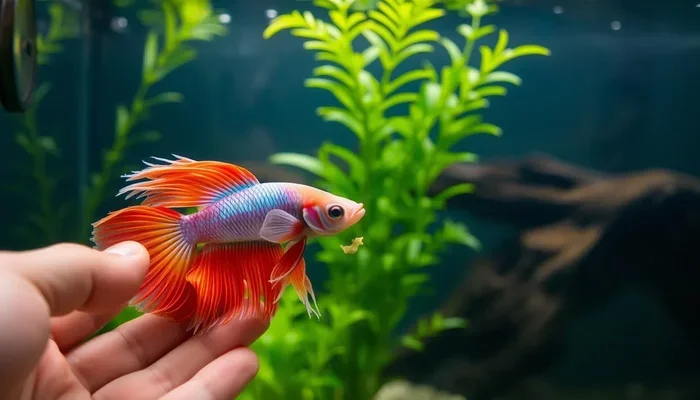
Knowing how often to feed a betta fish is one of the most important parts of betta fish care. Most experts recommend feeding adult bettas two small meals per day, while baby bettas need three to four feedings daily. This guide covers everything from feeding schedules and portion sizes to common mistakes that can harm your fish.
If you own a betta fish, you have probably wondered about the right feeding routine. The question of how often do you feed a betta fish comes up in almost every fish keeper forum and social media group. The answer is not as simple as “once a day” or “as much as they want.” Betta fish have specific dietary needs that depend on their age, size, activity level, and overall health. Getting the feeding schedule right can mean the difference between a vibrant, long-lived fish and one that struggles with health issues.
This article breaks down everything you need to know about betta fish feeding frequency. We will cover how much to feed, what foods to use, when to feed, and the most common mistakes owners make. Whether you are a complete beginner or have had bettas for years, you will find practical tips that you can use right away.
Key Takeaways
- Feed adult betta fish twice a day with small portions that they can eat in two minutes.
- Baby bettas need more frequent meals — three to four small feedings per day to support fast growth.
- Overfeeding is the #1 mistake new betta owners make and can lead to serious health problems.
- Variety matters — rotate between pellets, flakes, frozen foods, and occasional treats for balanced nutrition.
- Fasting one day per week helps prevent constipation and keeps the digestive system healthy.
- Watch for hunger cues like rapid swimming near the surface or begging behavior at feeding time.
- Feeding frequency changes with age, temperature, and activity level — adjust accordingly for best results.
📑 Table of Contents
- Why Feeding Frequency Matters for Betta Fish
- How Often Should You Feed a Betta Fish
- Best Foods for Betta Fish and How to Use Them
- When Should You Feed Your Betta Fish
- Common Feeding Mistakes and How to Avoid Them
- Signs Your Betta Is Getting the Right Amount of Food
- Expert Tips for Perfecting Your Betta Feeding Routine
- Conclusion
Why Feeding Frequency Matters for Betta Fish
Betta fish care starts with understanding their digestive system. Bettas are carnivorous fish with a short digestive tract. This means they process food quickly and do not need large meals. In the wild, bettas eat small insects and larvae throughout the day. They do not sit down for one big meal. Replicating this natural eating pattern in a home aquarium is the key to keeping your fish healthy.
Feeding too much or too little can both cause problems. Overfeeding leads to obesity, bloating, and poor water quality. Underfeeding leads to malnutrition, a weakened immune system, and lethargy. Finding the sweet spot is essential. The right betta fish feeding schedule keeps your fish energetic, colorful, and thriving.
The Connection Between Feeding and Water Quality
Every time your betta eats, it produces waste. Uneaten food decays in the water and raises ammonia levels. High ammonia is toxic and can make your fish very sick. This is why how often do you feed a betta fish directly impacts your tank maintenance routine. If you feed too frequently, you will need to clean the water more often. A balanced feeding schedule reduces waste and keeps the aquarium environment stable.
How do you care for a betta fish properly? One of the first things to master is the feeding routine. Pairing a good feeding schedule with regular water changes creates the foundation for a healthy tank. Learn more about maintaining a clean environment in our guide on how often you clean a betta fish bowl.
How Often Should You Feed a Betta Fish
The standard recommendation for adult betta fish is two small meals per day. This mimics the natural grazing pattern bettas follow in the wild. Each meal should be small enough that your fish can finish it within two minutes. If there is leftover food after two minutes, you are giving too much.
For baby betta fish, the schedule is different. Young bettas are growing rapidly and need more fuel. Feed baby bettas three to four times per day with very small portions. As they grow, you can gradually reduce the frequency to twice daily by the time they reach adulthood.
| Age Group | Feeding Frequency | Portion Size | Meal Duration |
|---|---|---|---|
| Baby Betta (0-3 months) | 3-4 times per day | Tiny pinch of food | 1-2 minutes |
| Juvenile Betta (3-6 months) | 2-3 times per day | Small pinch of food | 2 minutes |
| Adult Betta (6+ months) | 2 times per day | 2-3 pellets or flakes | 2 minutes |
| Senior Betta (2+ years) | 1-2 times per day | 1-2 pellets or flakes | 2 minutes |
Factors That Change Feeding Frequency
Not every betta is the same. Several factors can influence how often you should feed your fish:
- Water temperature: Warmer water speeds up metabolism, which means your betta may need slightly more food. Cooler water slows digestion, so reduce portions.
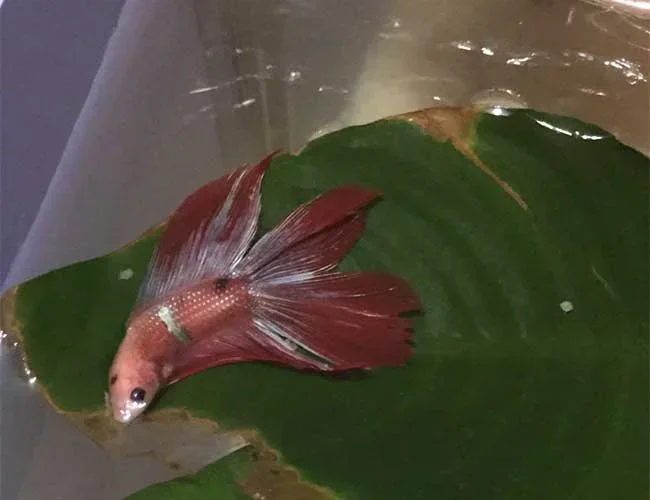
- Activity level: A betta that swims a lot and explores its tank will burn more energy than a lazy fish resting on a leaf.
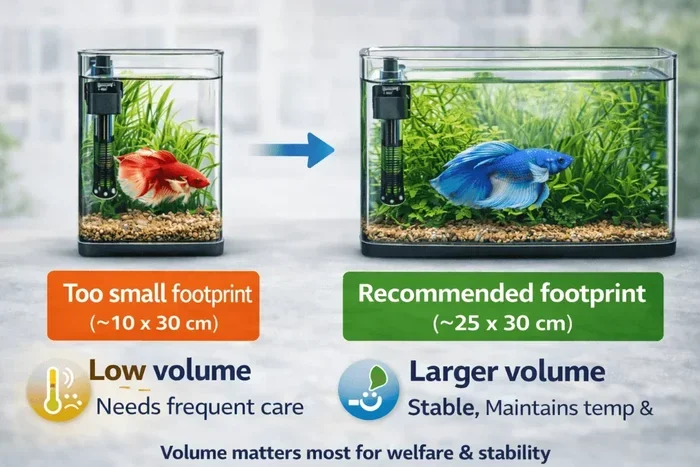
- Tank size: In a larger tank with more space, bettas tend to be more active and may need extra food.
- Health status: Sick or recovering bettas may need different feeding approaches. Always consult a vet if your fish is unwell.
- Breeding condition: Female bettas carrying eggs and males building bubble nests need extra nutrition to support their bodies.
Best Foods for Betta Fish and How to Use Them
The type of food you choose matters just as much as the feeding schedule. Bettas are protein predators. Their diet should be rich in animal-based protein. Let us look at the best food options and how to incorporate them into your betta fish diet.
Betta Pellets
High-quality betta pellets are the staple food for most owners. They are specially formulated to meet the nutritional needs of bettas. Look for pellets that list fish meal or shrimp as the first ingredient. Avoid pellets with lots of fillers like corn or wheat. How much do you feed a betta fish in pellets? Two to three pellets per meal for adults is a good starting point.
Betta Flakes
Flakes are another common option, but they are not ideal for bettas. Flakes tend to dissolve quickly and can cloud the water. If you use flakes, choose a high-protein brand and feed only what your betta can consume in under two minutes. Learn more about how often to feed betta fish flakes in our dedicated guide.
Frozen and Live Foods
Frozen bloodworms, brine shrimp, and daphnia are excellent treats for bettas. They provide variety and mimic the protein-rich diet bettas eat in nature. Use frozen foods as a supplement, not the main diet. Feed them once or twice a week alongside regular pellets. Live foods like brine shrimp are great for encouraging natural hunting behavior.
Can You Feed Betta Fish Other Human Foods?
Some owners wonder if they can share their food with their bettas. The answer is mostly no. Can you feed a betta fish bread or crackers? No. These foods have no nutritional value for bettas and can cause digestive blockages. Can you feed a betta fish rice? Also no. Rice expands in the stomach and can cause serious problems. Stick to foods specifically made for bettas or other carnivorous fish.
When Should You Feed Your Betta Fish
Timing matters as much as frequency. The best feeding times are consistent and predictable. Most experts recommend feeding your betta once in the morning and once in the evening. This gives the fish a regular rhythm and makes it easier to monitor how much they eat.
When do you feed a betta fish in relation to the light cycle? Feed shortly after turning the tank light on in the morning and again before turning it off at night. Bettas are visual feeders and rely on light to find their food. Feeding in a well-lit environment encourages natural eating behavior.
Should You Fast Your Betta Fish?
Yes! Fasting is an important part of betta fish care. One day per week without food helps the digestive system clear out any buildup. Fasting also reduces the risk of constipation and bloating, which are common problems in bettas. Many experienced fish keepers fast their bettas on Sundays or one day of their choice each week.
If you want more details on fasting and feeding schedules, check out our article on whether you can feed a betta fish every other day. It covers the pros and cons of alternative feeding schedules in depth.
Common Feeding Mistakes and How to Avoid Them
Even experienced betta owners make feeding mistakes. Here are the most common errors and how to fix them.
Overfeeding
Can you feed a betta fish too much? Absolutely. Overfeeding is the number one killer of pet bettas. Excess food rots in the tank, spikes ammonia levels, and causes deadly water quality issues. Betta fish will also overeat if food is available because they do not know when the next meal is coming. Always remove uneaten food within five minutes of feeding.
Underfeeding
On the other side, some owners worry about overfeeding so much that they underfeed their fish. A betta that is consistently underfed will lose color, become lethargic, and develop a weakened immune system. If your betta is losing weight or looking thin, increase the portion size slightly or add an extra feeding per day.
Ignoring Hunger Cues
Bettas communicate when they are hungry. Common signs include swimming to the top of the tank near the surface, begging behavior, and rapid swimming around the tank when it is close to feeding time. Paying attention to these cues helps you adjust the schedule to your individual fish.
Skipping Variety
Feeding the same food every day leads to nutritional gaps. Rotate between pellets, frozen bloodworms, brine shrimp, and occasional treats like daphnia. A varied diet keeps your betta healthy, colorful, and active. Variety also makes feeding time more fun to watch.
Signs Your Betta Is Getting the Right Amount of Food
How do you know if your feeding schedule is working? Watch for these positive signs:
- Bright, vivid colors: A well-fed betta displays deep reds, blues, and greens.
- Active swimming: Your fish moves around the tank with energy and curiosity.
- Healthy appetite: Your betta eats eagerly at feeding time and finishes food within two minutes.
- Regular waste: Healthy digestion produces firm, dark waste regularly.
- Stable weight: Your betta maintains a rounded but not bloated body shape.
If you notice any negative changes like loss of appetite, bloating, or pale colors, reassess your feeding routine. Sometimes the fix is as simple as reducing portion size or adding a fasting day.
Expert Tips for Perfecting Your Betta Feeding Routine
Here are some pro tips that experienced betta keepers swear by:
- Use a feeding ring or target to keep food in one place and prevent it from spreading into the filter.
- Soak pellets before feeding if they float. Bettas can swallow air when they try to eat floating food, which causes bloating.
- Pre-portion food the night before so you do not accidentally give too much in the morning rush.
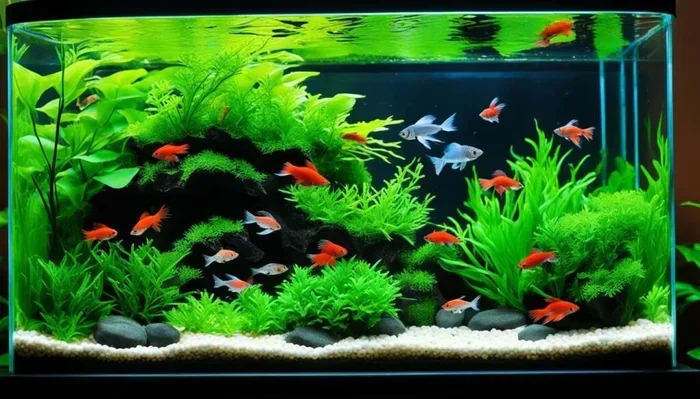
- Watch your betta during feeding to make sure all fish in a community tank get their share.
- Keep a feeding log for the first month. Write down what you fed, how much, and how your fish responded. This helps you spot patterns and adjust quickly.
Remember that every betta is an individual. What works perfectly for one fish might need slight adjustments for another. Patience and observation are your best tools for finding the ideal routine.
Want to explore more about betta fish behavior and care? Our article on how do you care for a betta fish covers all aspects of daily betta maintenance beyond feeding.
Conclusion
How often do you feed a betta fish is a question that every betta owner needs to answer correctly. The golden rule is simple: two small meals per day for adults, more frequent feedings for babies, and one fasting day per week. Pair this schedule with high-quality food, clean water, and careful observation, and your betta will thrive for years.
Avoid the common traps of overfeeding and underfeeding. Pay attention to your fish’s body language and adjust as needed. A good feeding routine is one of the simplest yet most powerful things you can do for your betta’s health. Start today, stay consistent, and enjoy watching your betta fish flourish in a well-balanced environment.
Frequently Asked Questions
How many times a day should you feed a betta fish?
Adult betta fish should be fed twice a day with small portions. Baby bettas between 0 and 3 months old need three to four small feedings daily. Always adjust based on your fish’s age, size, and activity level for the best results.
What happens if you feed a betta fish too much?
Overfeeding causes bloating, constipation, and poor water quality from uneaten food rotting in the tank. It can lead to serious health issues and even death. Always remove any food your betta does not eat within five minutes.
Can you feed a betta fish once a day?
Feeding once a day is not ideal for most adult bettas. They do best with two small meals per day. If you can only feed once a day, make sure the portion is appropriate and consider adding a fasting day to help digestion.
How do you know if your betta fish is hungry?
Hungry bettas swim to the surface, beg near the feeding area, and show increased activity around their usual feeding times. A healthy betta also eats eagerly and finishes food within two minutes of being offered.
Is it okay to skip feeding a betta fish for a day?
Yes, skipping one day per week is actually recommended. Fasting helps clear the digestive system and prevents constipation. Bettas can easily go 24 hours without food without any negative effects.
What is the best food for betta fish?
High-quality betta pellets should be the staple food. Supplement with frozen bloodworms, brine shrimp, and daphnia for variety. Avoid bread, crackers, rice, and other human foods that offer no nutritional value to bettas.