How.much to Feed Betta Fish
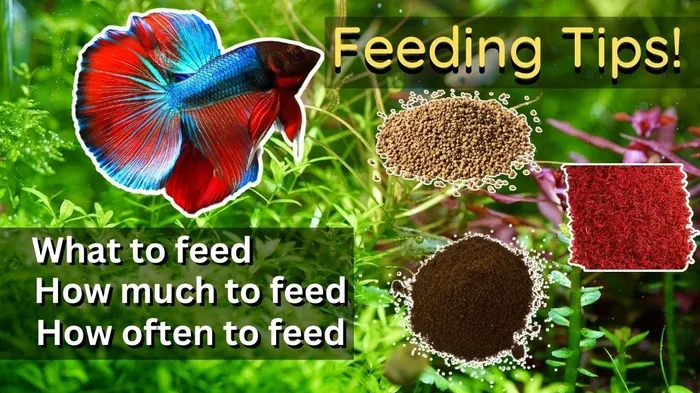
Knowing how much to feed betta fish is one of the most important parts of keeping them healthy and happy. A proper feeding routine prevents overfeeding, constipation, and water pollution. This guide covers portions, food types, frequency, and common mistakes so you can feed your betta with confidence.
You love your betta fish. You want it to thrive. But when it comes to feeding, many new fish owners get it wrong. The truth is, how much to feed betta fish is not as simple as dumping a handful of food into the tank. Too little, and your fish goes hungry. Too much, and you risk serious health problems. This guide breaks it all down in plain, easy-to-follow terms. You will learn the exact portions, the best foods, how often to feed, and the mistakes to avoid. Let us dive right in.
Feeding your betta the right amount is more than just a daily chore. It directly affects your fish’s energy, color, lifespan, and tank water quality. A well-fed betta swims with purpose, shows off brilliant colors, and lives for years. An overfed betta suffers from bloating, constipation, and a polluted tank. The good news is that getting this right is not hard. With a little knowledge and a simple routine, you can keep your betta in top shape. Let us explore everything you need to know about betta fish feeding amount and more.
Key Takeaways
- Feed small amounts: Give your betta only what it can eat in 2 minutes, roughly 2 to 3 pellets per meal.
- Stick to a schedule: Feeding once or twice a day is the sweet spot for most bettas.
- Watch for warning signs: A swollen belly or uneaten food sinking to the bottom means you are feeding too much.
- Variety matters: Rotate between pellets, frozen foods, and occasional treats for balanced betta fish nutrition.
- Avoid overfeeding: It is the number one killer of pet bettas and causes dirty tank water.
- Adjust for age and activity: Younger and more active bettas may need slightly more food than older or resting fish.
📑 Table of Contents
How Much Should You Feed a Betta Fish?
The golden rule of betta fish feeding amount is simple. Feed only what your fish can eat in about 2 minutes. Most bettas do well with 2 to 3 small pellets per meal. If you use flakes, a tiny pinch is enough. The key is to start small and watch your fish eat. You can always add a little more if the food disappears fast.
Why Portion Size Matters So Much
Betta fish have tiny stomachs. In fact, their stomach is roughly the size of their eyeball. This means they cannot handle large meals. When you give too much food at once, the excess sits in the stomach and causes bloating. Over time, this leads to constipation and a condition called dropsy, which can be fatal.
Uneaten food is just as bad. It sinks to the bottom of the tank and decays. This releases ammonia and nitrites into the water. These toxins are invisible but deadly. They damage your betta’s gills and weaken its immune system. So controlling portions is not just about the fish. It is about keeping the entire tank clean and safe.
The 2-Minute Rule Explained
The 2-minute rule is the most trusted method among experienced betta keepers. Here is how it works:
- Drop a small amount of food into the tank.
- Watch your betta eat.
- If the food is gone within 2 minutes, you gave the right amount.
- If food is still floating after 2 minutes, you gave too much.
This simple test takes the guesswork out of feeding. It works for pellets, flakes, and even frozen foods. Just be consistent, and your betta will thank you.
The Best Foods for Your Betta
Not all fish food is created equal. Bettas are carnivores by nature. They need a diet rich in protein. Understanding what to feed your betta is just as important as knowing how much to feed betta fish. Let us look at the best options.
High-Quality Betta Pellets
Betta pellets are the staple food for most owners. They are specially formulated to meet the nutritional needs of bettas. Look for pellets that list fish meal or shrimp as the first ingredient. Avoid pellets filled with fillers like wheat or corn. A good pellet will float, which is perfect because bettas prefer eating from the surface.
When choosing pellets, check the protein content. A protein level of 30 to 45 percent is ideal. Some brands also include probiotics, which help with digestion. This can reduce the risk of constipation, a common problem in bettas.
Frozen and Live Foods
While pellets form the base of a good diet, variety keeps your betta healthy and stimulated. Frozen bloodworms, brine shrimp, and daphnia are excellent choices. These foods are packed with protein and mimic what bettas would eat in the wild.
Live foods are even better but come with a few risks. Live brine shrimp and glass worms can carry parasites or bacteria. Always source them from reputable suppliers. Frozen foods are safer and just as nutritious. You can feed them as a treat 2 to 3 times a week alongside regular pellets.
What About Betta Flakes?
Betta flakes are widely available, but they are not the best choice. Flakes tend to lose their nutritional value quickly once the container is opened. They also break apart easily, which makes portion control difficult. If you use flakes, soak them in tank water before adding them. This prevents them from expanding in your betta’s stomach, which can cause bloating.
Foods to Avoid Completely
Some foods are harmful to bettas and should never be given. These include:
- Bread and crackers, which swell in the stomach
- Human food scraps, which lack proper nutrition
- Tropical fish flakes designed for community tanks
- Goldfish food, which does not meet betta nutritional needs
Stick to foods made specifically for bettas. Your fish will be healthier and more vibrant as a result.
How Often to Feed Betta Fish
Frequency is just as important as portion size. So how often should you feed your betta? The answer depends on your fish’s age, activity level, and overall health. But for most bettas, feeding once or twice a day is the sweet spot.
The Ideal Daily Feeding Routine
A simple and effective routine looks like this:
- Feed once in the morning and once in the evening.
- Give each meal about 2 to 3 pellets.
- Wait 5 minutes after feeding and remove any uneaten food.
- Skip one day per week to let the digestive system rest.
This weekly fasting day is highly recommended by experienced aquarists. It helps prevent constipation and gives the gut a chance to process any remaining food. Many betta owners notice improved energy and better waste output after adding a fasting day to the routine.
Feeding Schedule for Different Life Stages
Young betta fish, or fry, need more frequent meals. They should be fed 3 to 4 times a day with very small portions. Baby brine shrimp and crushed pellets work well for fry. As your betta grows, you can reduce feeding to twice a day.
Senior bettas, those over 3 years old, may eat less than younger fish. Their metabolism slows down. If your older betta leaves food behind, reduce the portion size slightly. Always observe your fish and adjust accordingly.
If you are away from home, you might wonder about feeding betta fish while away. For trips lasting 1 to 3 days, your betta will be perfectly fine without food. For longer trips, consider an automatic feeder or ask a friend to feed a small portion once a day. Never leave a large amount of food before you leave, as this will foul the water quickly.
Signs You Are Overfeeding or Underfeeding Your Betta
One of the biggest challenges in betta care is finding the balance. Both overfeeding and underfeeding cause problems. Learning to read your fish’s body language makes this much easier.
Signs of Overfeeding
Overfeeding is the most common mistake new betta owners make. Watch for these warning signs:
- A swollen or bloated belly that does not go down
- Food left in the tank after 5 minutes
- Cloudy or foul-smelling water shortly after feeding
- Lethargy or spending too much time near the bottom
- Constipation, where the fish produces long, stringy waste
If you notice any of these signs, stop feeding for a day or two. Clean the tank and check your water parameters. Most bettas recover quickly once the overfeeding cycle is broken. For more information on this topic, check out can you feed a betta fish too much for a deeper look at the risks.
Signs of Underfeeding
Underfeeding is less common but still a concern. A betta that is not getting enough food may show these signs:
- Visible weight loss or a thin, pinched body shape
- Loss of color or dull fins
- Increased aggression or begging behavior at feeding time
- Lethargy and lack of interest in movement
If your betta shows these signs, gradually increase the portion size. Add one extra pellet per meal and observe for a week. Your fish should regain its color and energy. If the problem continues, consider switching to a higher-quality pellet with more protein.
Creating the Perfect Feeding Schedule
A consistent feeding schedule helps your betta feel secure and healthy. Bettas thrive on routine. When they know when food is coming, they become more active and responsive. This also makes it easier for you to monitor their appetite and spot problems early.
Sample Weekly Feeding Plan
Here is a practical weekly plan you can follow:
- Monday: 2 to 3 pellets in the morning, 2 to 3 pellets in the evening
- Tuesday: Same as Monday
- Wednesday: Same as Monday
- Thursday: Same as Monday
- Friday: Same as Monday
- Saturday: Same as Monday plus one frozen bloodworm treat
- Sunday: Fasting day, no food at all
This plan gives your betta a balanced routine with variety and a rest day. It keeps the digestive system healthy and prevents the tank from accumulating excess waste. You can adjust the schedule to fit your own routine, but try to keep the timing consistent each day.
Tips for Feeding When You Are Busy
Life gets hectic, and sometimes feeding times slip. Here are a few tips to stay on track:
- Set a daily alarm on your phone for feeding time
- Pre-measure your betta’s weekly food into small containers
- Use an automatic feeder if you travel often
- Keep a feeding log to track what and when you fed your fish
These small steps make a big difference over time. Consistency is the secret ingredient in raising a happy, healthy betta.
Quick Tips for Feeding Success
Want to make sure you are getting it right every time? Here are some quick tips to keep in mind:
- Always soak dry pellets in tank water before feeding to prevent stomach expansion
- Remove uneaten food within 5 minutes to keep the water clean
- Do not feed your betta the same food every single day
- Watch your fish eat to ensure it is swallowing food properly
- Adjust portions based on water temperature, as warmer water increases metabolism
- Never feed your betta right before or after a water change
- Keep treats like bloodworms to a maximum of twice per week
Following these tips will help you avoid the most common feeding mistakes. Your betta will stay active, colorful, and full of life.
Common Feeding Mistakes to Avoid
Even experienced betta owners sometimes make mistakes. Here are the most common ones and how to fix them:
Mistake 1: Feeding Too Much Because the Fish Seems Hungry
Bettas are opportunistic eaters. They will beg for food even when they are full. This is a survival instinct from the wild. But in a home tank, it means you need to be the disciplined one. Stick to the portion size and do not give in to begging behavior.
Mistake 2: Skipping Days Without a Plan
Skipping days randomly can stress your betta. If you need to skip a feeding, do it as part of a planned fasting day. A structured schedule with one rest day per week is much better than random skipped meals.
Mistake 3: Ignoring Water Quality After Feeding
Food that sits uneaten in the tank breaks down fast. This spikes ammonia levels, which is toxic to your betta. Always remove uneaten food and test your water regularly. Clean water is just as important as proper food when it comes to how much to feed betta fish.
Mistake 4: Switching Foods Too Often
Changing foods every few days can upset your betta’s digestive system. Pick a quality staple pellet and stick with it. Introduce new foods slowly and one at a time. This gives your fish’s gut bacteria time to adjust.
Conclusion
Feeding your betta fish the right amount is one of the simplest yet most impactful things you can do for its health. Remember the core principles: small portions, consistent schedule, high-quality food, and one fasting day per week. By following the tips in this guide, you will avoid the most common problems like overfeeding, constipation, and poor water quality.
Now that you understand how much to feed betta fish, you can feel confident every time you approach the tank. Your betta will show its appreciation through vibrant colors, active swimming, and a long, healthy life. Start today, stay consistent, and enjoy the journey of being a great betta fish owner.
Frequently Asked Questions
How many pellets should I feed my betta fish per day?
Most bettas do well with 2 to 3 pellets per meal, twice a day, for a total of 4 to 6 pellets daily. You can adjust this slightly based on your fish’s size, age, and activity level. Always watch your betta eat and remove any uneaten food within 5 minutes.
Can I feed my betta fish once a day instead of twice?
Yes, feeding once a day works fine for many bettas. Just make sure the single meal is enough to sustain your fish through the day. Some owners prefer twice-a-day feedings because it allows for smaller portions and better digestion. Choose what works best for your schedule and stick with it.
What happens if I accidentally overfeed my betta fish?
A single overfeeding event is usually not dangerous. Remove any uneaten food right away and skip the next meal if needed. Repeated overfeeding, however, leads to bloating, constipation, and poor water quality. For a deeper understanding of the risks, you can read more about whether you can feed a betta fish too much here.
How do I know if my betta is still hungry after eating?
A well-fed betta will stop eating when it is full. If your betta continues to search for food immediately after a meal, it may have eaten too little. Gradually increase the portion size by one pellet and observe the response. Bettas are natural grazers, so they may appear hungry even when they have had enough.
Should I feed my betta fish right after a water change?
It is best to wait a few hours after a water change before feeding. Water changes can cause stress and shift water parameters slightly. Feeding too soon may lead to uneaten food, which can spike ammonia levels in already-adjusted water. A calm betta will eat better and waste less.
Can I use an automatic feeder for my betta fish?
Yes, automatic feeders work well for bettas, especially if you travel often. Set the portion size to 2 to 3 pellets per feeding. Make sure the feeder dispenses food at the same times each day. Test the feeder for a few days before you rely on it while away to ensure it is working correctly.