Can Betta Fish Fight Diseases

Betta fish have innate defenses, but they’re not invincible. Proper water quality, nutrition, and stress‑free conditions give them the best chance to resist illness. Understanding common diseases and early‑stage care can help you act fast and keep your betta thriving.
Key Takeaways
- Natural immunity exists: Betta fish produce mucus and have immune cells that fight pathogens, but the barrier is fragile.
- Water quality is critical: Poor parameters quickly overwhelm a betta’s defenses.
- Nutrition fuels the immune system: High‑protein, varied diets boost disease resistance.
- Stress equals sickness: Crowding, aggressive tank mates, and sudden changes lower immunity.
- Early detection saves lives: Spotting subtle signs lets you treat before a full‑blown outbreak.
- Selective treatments work: Use appropriate medication; over‑medicating can harm beneficial microbes.
- Prevention beats cure: Quarantine new arrivals and maintain a regular cleaning schedule.
Quick Answers to Common Questions
Can bettas recover from fin rot without medication?
Yes, if the water is pristine and the fish’s diet is nutritious, mild fin rot can heal as the mucus layer repairs itself.
Do betta fish need a heater to boost immunity?
A stable temperature (76‑82°F) is essential; overheating or sudden drops stress the immune system and make disease more likely.
Can probiotics help a betta fight disease?
Probiotic supplements support gut health, which in turn strengthens the overall immune response.
Is it safe to keep bettas with other fish to improve their health?
Only if the tank is large enough and the companions are peaceful. For more on compatible tank mates, see What Other Fish Can Live With Betta Fish.
How often should I change the water to keep my betta healthy?
Replace 25‑30% of the water weekly, using a water conditioner that removes chlorine and chloramines.
📑 Table of Contents
- Introduction: Why the Question Matters
- 1. The Betta’s Built‑In Defense System
- 2. How Environment Influences Immunity
- 3. Common Diseases Betta Fish Face
- 4. Strengthening Your Betta’s Natural Defenses
- 5. When Natural Defenses Aren’t Enough: Treatment Options
- 6. Real‑World Example: Turning a Sick Betta Around
- Conclusion: Betta Fish Can Fight Diseases—If You Give Them a Chance
Introduction: Why the Question Matters
When you first bring home a dazzling betta, you want it to live a long, colorful life. Yet every hobbyist soon hears the dreaded phrase, “My betta got sick.” The natural reaction is to wonder: can betta fish fight diseases on their own, or are they doomed without human help?
Betta fish, like all living creatures, have built‑in defenses. Their skin produces a protective mucus layer, and their bodies generate white blood cells that hunt invaders. However, those defenses work best when the environment is clean, the diet is balanced, and stress is minimal. In this article we’ll break down exactly how a betta’s immune system works, which diseases are most common, and what you can do to give your fish the best fighting chance.
1. The Betta’s Built‑In Defense System
1.1 Mucus: The First Line of Protection
The thin slime coating a betta’s scales isn’t just for show. It contains antibodies, enzymes, and beneficial bacteria that trap and neutralize harmful microbes before they can enter the bloodstream. If water quality drops, the mucus thins, leaving the fish exposed.
1.2 White Blood Cells and Antibodies
Betta fish have leukocytes (white blood cells) that circulate in their blood, seeking out bacteria, parasites, and fungi. When a pathogen is detected, the fish produces antibodies that specifically target that invader. This response can take a few days, which is why early signs of disease are so important.
1.3 The Role of the Gut Microbiome
Just like humans, bettas host a community of good bacteria in their digestive tract. These microbes out‑compete harmful organisms and help train the immune system. A diet rich in live foods (like daphnia or brine shrimp) supports a healthy gut flora.
2. How Environment Influences Immunity
2.1 Water Parameters That Matter
- Temperature: Keep the tank at 76‑82°F (24‑28°C). Sudden drops stress the immune system.
- pH: Aim for 6.5‑7.5. Extreme pH swings damage mucus.
- Ammonia & Nitrite: Must be zero; both are toxic and suppress immune function.
- Hardness: Moderate GH (8‑12 dGH) supports osmoregulation.
Regular testing (once a week for new tanks, bi‑weekly once stable) keeps these numbers in check.

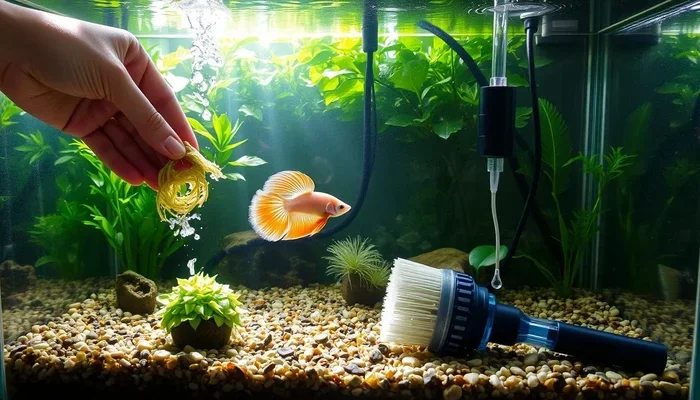
Visual guide about Can Betta Fish Fight Diseases
Image source: mondaymandala.com
2.2 Tank Size and Filtration
Even though bettas can survive in small bowls, a minimum of 5‑10 gallons with gentle filtration is ideal for disease prevention. A well‑filtered system removes waste particles that would otherwise irritate the skin and degrade mucus quality.
2.3 Stress Triggers
Stress hormones (cortisol) suppress the immune response. Common stressors include:
- Overcrowding or aggressive tank mates.
- Frequent rearrangement of décor.
- Fluctuating lighting cycles.
- Improper water changes (e.g., shocking the fish with cold water).
Keeping the environment stable gives your betta the best chance to naturally fight off pathogens.
3. Common Diseases Betta Fish Face
3.1 Fin Rot
Fin rot is a bacterial infection that eats away at the fins, turning them ragged. It often starts when the mucus layer is compromised. Look for frayed edges or a white, cotton‑like growth.

Visual guide about Can Betta Fish Fight Diseases
Image source: housefit.com
3.2 Ich (White Spot Disease)
Ich is caused by a protozoan parasite that appears as tiny white dots on the body and fins. The parasite burrows under the mucus, making it harder for the betta’s immune system to reach.
3.3 Velvet (Gold Dust Disease)
Velvet is a dinoflagellate parasite that gives the fish a dusty gold sheen. It spreads quickly in warm, poorly filtered water.
3.4 Dropsy
Dropsy isn’t a single disease but a symptom of internal organ failure, often bacterial. The belly swells, and scales may stick out like a pinecone. By the time dropsy appears, the fish’s immune system is already overwhelmed.
3.5 Fungal Infections
White, cottony growths usually develop after a physical injury. The fungus exploits the open wound and the weakened immune response.
4. Strengthening Your Betta’s Natural Defenses
4.1 Optimal Nutrition
A balanced diet is the cornerstone of immunity. Feed a mix of:
- High‑quality betta pellets (30‑40% protein).
- Frozen or live foods such as brine shrimp, daphnia, and bloodworms (once or twice a week).
- Occasional vegetable matter like blanched peas for fiber.
These foods supply essential amino acids, vitamins (especially A, C, and E), and minerals that support white blood cell production.
4.2 Probiotic Supplements
Adding a small dose of aquarium‑safe probiotic powder during water changes can boost the gut microbiome, giving the immune system extra backup.
4.3 Regular, Gentle Water Changes
Replace 25‑30% of the tank water weekly with conditioned water at the same temperature. This removes waste without shocking the fish.
4.4 Quarantine New Arrivals
Any new fish, plants, or decorations should spend at least two weeks in a separate quarantine tank. This prevents hidden pathogens from entering the main display.
4.5 Stress‑Free Tank Set‑Up
Provide plenty of hiding spots (caves, dense plants) and keep the tank in a quiet area away from loud appliances. Avoid mirrors, which can cause constant flare‑ups and stress.
5. When Natural Defenses Aren’t Enough: Treatment Options
5.1 Identifying Early Signs
Look for subtle changes: loss of appetite, slight discoloration, faded fins, or occasional gasping at the surface. Early detection means you can intervene before the immune system is fully compromised.
5.2 Medicated Baths
For external infections like fin rot or fungal growth, a 15‑minute medicated bath (e.g., aquarium salt at 1 g/L or a commercial antifungal solution) can give the mucus a chance to recover.
5.3 Systemic Medications
For bacterial infections, a broad‑spectrum antibiotic such as erythromycin or tetracycline can be added to the tank at the recommended dosage. Always follow the label and finish the full course.
5.4 Antiparasitic Treatments
Ich and velvet respond well to copper‑based medications or formalin. Keep the dosage low (0.1–0.2 ppm copper) and monitor the betta closely for any adverse reaction.
5.5 When to Seek Professional Help
If the fish stops eating, shows severe fin loss, or develops a swollen abdomen, it may need veterinary attention. A fish‑savvy vet can run bacterial cultures and prescribe targeted antibiotics.
6. Real‑World Example: Turning a Sick Betta Around
Emma, a new betta owner, noticed her fish’s fins turning ragged and a slight white spot on the tail. She tested the water and found ammonia at 0.5 ppm—a clear sign of over‑feeding and insufficient filtration. Emma performed a 50% water change, added a small dose of aquarium salt, and switched to a high‑quality pellet diet with occasional frozen brine shrimp. Within five days, the fin edges began to regrow, and the white spot faded. Emma’s quick action supported the betta’s natural immunity and prevented a full‑blown infection.
Conclusion: Betta Fish Can Fight Diseases—If You Give Them a Chance
The short answer to can betta fish fight diseases is yes, but only when their environment, diet, and stress levels are optimized. Their innate immune system is capable, yet fragile. By maintaining pristine water, feeding a varied, high‑protein diet, minimizing stress, and acting fast at the first sign of trouble, you empower your betta to defend itself.
Remember, prevention is always easier than cure. Keep a regular maintenance schedule, quarantine newcomers, and watch your fish closely. When you do all this, you’ll enjoy a vibrant, healthy betta that lives many happy years by your side.
Frequently Asked Questions
Can betta fish fight diseases on their own?
Betta fish have natural defenses like mucus and immune cells, but they need clean water, proper nutrition, and low stress to be effective.
What are the first signs that my betta is getting sick?
Loss of appetite, faded colors, frayed fins, or unusual swimming behavior often indicate the start of an illness.
Is a small bowl enough to keep a betta disease‑free?
A small bowl lacks filtration and can quickly accumulate toxins, making disease more likely. A 5‑10 gallon tank with a gentle filter is a healthier choice. (Can You Keep Betta Fish In A Small Bowl)
Can I treat my betta with over‑the‑counter fish meds?
Yes, but follow dosage instructions carefully. Over‑medicating can harm beneficial bacteria and further stress the fish.
How does diet affect a betta’s immune system?
A high‑protein diet with live or frozen foods provides essential nutrients that boost white blood cell production and mucus quality.
Should I quarantine new plants before adding them to my betta’s tank?
Absolutely. Rinse and treat new plants with a mild bleach solution (1 ml bleach per liter) and rinse well to prevent introducing pathogens.