How.often Do You Feed Betta Fish
Knowing how often do you feed betta fish is one of the most important parts of betta care. Most experts recommend feeding your betta once or twice a day with small portions to avoid overfeeding. In this guide, you will learn the best feeding schedule, portion sizes, and common mistakes to keep your betta healthy.
Key Takeaways
- Feed 1-2 times daily: Adult betta fish do well with one or two small meals per day.
- Watch portion size: Give only what your betta can eat in about 2 minutes to prevent obesity and poor water quality.
- Skip feeding once a week: A fasting day helps digestion and can improve your betta’s overall health.
- Variety matters: Mix pellets, frozen, and live foods for a balanced diet.
- Young bettas need more food: Betta fry and juveniles may need 2-3 feedings per day for proper growth.
- Overfeeding is the top killer: Uneaten food rots in the tank and causes deadly ammonia spikes.
📑 Table of Contents
- How Often Do You Feed Betta Fish? The Complete Guide
- Why Feeding Frequency Matters So Much
- The Ideal Betta Feeding Schedule
- How Much Should You Feed at Each Meal?
- Best Foods to Feed Your Betta
- Common Mistakes When Feeding Bettas
- How Often Should You Feed a Betta Fish on Vacation?
- Expert Tips for a Healthy Feeding Routine
- How Do You Know If You Are Feeding Your Betta Enough?
- Conclusion
How Often Do You Feed Betta Fish? The Complete Guide
If you have a betta fish at home, you have probably wondered about the right feeding schedule. The question how often do you feed betta fish comes up all the time, especially for new owners. Getting this right can mean the difference between a vibrant, long-lived betta and one that struggles with health problems.
The good news is that bettas are not complicated to feed. They have a simple stomach and a slow metabolism. This means they do not need large meals. In fact, overfeeding is one of the most common mistakes people make. This guide will walk you through everything you need to know about feeding frequency, portion size, food types, and more.
Why Feeding Frequency Matters So Much
Feeding frequency is not just about keeping your betta full. It directly affects their digestion, energy levels, and water quality. Every time you drop food into the tank, your betta’s body has to process it. If you feed too much, the leftover food decays and pollutes the water.
Bettas have a very small stomach. It is roughly the size of their eye. That tells you everything you need to know about portion control. A bloated betta is an unhealthy betta. Overfeeding can lead to constipation, swim bladder disorder, and obesity. These are serious problems that can shorten your fish’s life.
The Connection Between Feeding and Water Quality
Here is something many beginners do not realize. Uneaten food breaks down into ammonia and nitrites. These are toxic to fish. Even a small amount of excess food can cause a tank cycle crash. That is why knowing how much and how often to feed is just as important as maintaining your tank filter and doing regular water changes.
Clean water and proper feeding go hand in hand. If you want a healthy betta, you need to think about both. Reducing uneaten food by feeding the right amount keeps your tank cleaner and your fish happier.
The Ideal Betta Feeding Schedule
So, how often should you feed a betta fish? For most adult bettas, the answer is once or twice a day. That is it. Two small feedings are generally better than one large one. This mimics their natural eating pattern in the wild, where they graze on small insects and larvae throughout the day.
Morning and Evening Feedings
A popular routine is to feed once in the morning and once in the evening. This keeps things simple and fits most people’s schedules. Each feeding should be a small amount. Think of it as a few pellets or a pinch of flakes. Watch your betta eat. If the food is gone within two minutes, you gave the right amount.
One Meal a Day
Some experienced hobbyists feed their bettas just once a day. This works well if you are consistent. The key is to give a proper portion. A single feeding of high-quality food can keep your betta satisfied for 24 hours. Just make sure the meal is nutritious and not too large.
Feeding Schedule for Young Bettas
Baby bettas, also known as betta fry, have different needs. They grow fast and need more frequent meals. A feeding schedule for betta fry usually involves 2 to 3 small feedings per day. They need live food like baby brine shrimp or micro worms at this stage. As they grow, you can slowly reduce feedings to twice a day.
| Betta Age | Feeding Frequency | Portion Size |
|---|---|---|
| Fry (0-4 weeks) | 2-3 times daily | Tiny live food, pinch size |
| Juvenile (1-3 months) | 2 times daily | 2-3 pellets or small pinch of flakes |
| Adult (3+ months) | 1-2 times daily | 2-4 pellets or 1-2 flakes |
How Much Should You Feed at Each Meal?
Portion size is just as important as frequency. The golden rule is to feed only what your betta can eat in about 2 minutes. This is a reliable way to avoid overfeeding. If there is leftover food floating around after a couple of minutes, you gave too much.
Another helpful trick is to look at your betta’s belly. A healthy betta has a slightly rounded but not bloated belly after eating. If the belly looks huge and tight, you overfed. A thin or sunken belly means you might need to offer a bit more.
Understanding Betta Stomach Size
Remember, a betta’s stomach is about the size of its eye. That is tiny. Two to three medium pellets usually do the trick for an adult. Some bettas prefer flakes, while others do better with pellets. Either way, keep the amount small. You can always give a tiny extra if your betta seems hungry, but start small.
Using a Feeding Tool
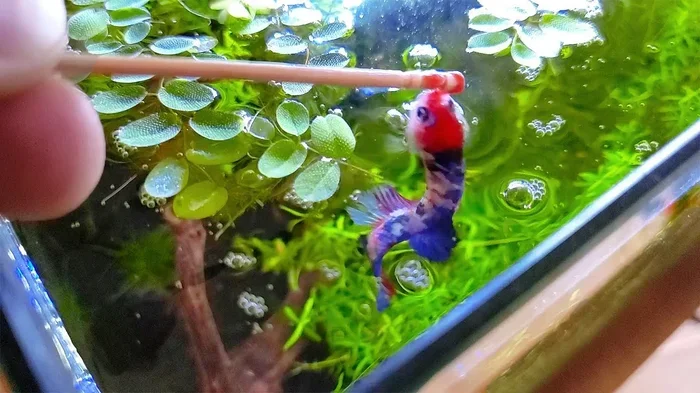
If you struggle with portion control, try using a feeding tool or tongs. These let you place food precisely in front of your betta. This reduces waste and makes it easier to track how much goes into the tank. It is a small change that makes a big difference when learning how much do I feed a betta fish.
Best Foods to Feed Your Betta
Not all fish foods are created equal. Bettas are carnivores. They need a diet rich in protein. Feeding the wrong type of food can cause nutritional gaps even if you follow a perfect schedule. Let us look at the best food options.
High-Quality Pellets
Pellets made specifically for bettas are the best staple food. Look for brands that list fish meal or shrimp meal as the first ingredient. Avoid pellets with lots of fillers like wheat or corn. Quality pellets sink slowly, which is great because bettas often prefer to eat from the bottom of the tank.
Frozen and Freeze-Dried Foods
Frozen bloodworms, brine shrimp, and daphnia are excellent choices. They are packed with protein and closely mimic what bettas eat in the wild. Freeze-dried versions are convenient but should be soaked in tank water before feeding. This prevents bloating. You can also try betta fish flakes as an occasional treat, but they should not be the main diet.
Live Foods
Live food is the best option for enrichment and nutrition. Mosquito larvae, vinegar eels, and baby brine shrimp are all fantastic. The only downside is availability. Live food can also carry parasites if not sourced properly. Use it as a supplement, not a daily staple.
Food Variety and Rotation
Feeding the same thing every day can lead to boredom and nutritional deficiencies. Try to rotate between pellets, frozen food, and the occasional live snack. A varied diet keeps your betta active and supports strong coloration. Think of it like your own meals. Variety is key to good health.
Common Mistakes When Feeding Bettas
Even experienced fish keepers can make mistakes. Here are the most common problems related to how often to feed betta fish and what you can do to avoid them.
Overfeeding
This is the number one mistake. It happens because we love our fish and want to see them eat. But a betta will almost always eat more than it needs. They do not know when to stop. That is why you must be the boss. Stick to the two-minute rule and remove any leftovers.
Feeding the Wrong Food
Tropical fish flakes are not ideal for bettas. They are made for omnivores. Bettas need animal-based protein. Using the wrong food can cause slow growth, dull color, and weak immunity. Always choose betta-specific products when possible.
Ignoring Hunger Cues
A hungry betta is not always a hungry betta. They may swim to the top or flare at their reflection. This can be curiosity or boredom, not real hunger. Wait a few minutes before feeding. If they are truly hungry, they will eat eagerly. If they ignore the food, they are not ready for a meal.
Skipping Fasting Days
Many people do not realize that bettas benefit from a fasting day once a week. This gives their digestive system a break. It also helps clear out any undigested food. Simply skip feeding for one day each week. Your betta will be just fine, and many keepers notice improved energy and color after doing this.
How Often Should You Feed a Betta Fish on Vacation?
If you are planning a trip, you might worry about feeding your betta while you are away. The good news is that adult bettas can survive several days without food. In fact, going 2 to 3 days without eating is perfectly safe. Do not panic if you cannot arrange a feeder.
For longer trips, consider an automatic feeder. These devices release small amounts of food at set times. Test the feeder before you leave to make sure it works properly. Another option is a slow-release food block. These are not ideal for long-term use, but they work for short trips. Just make sure someone checks your tank heater and filter while you are away.
Expert Tips for a Healthy Feeding Routine
Here are some quick tips from experienced betta keepers to help you build the best feeding routine.
- Watch your betta’s behavior. A healthy betta is curious, colorful, and eager to eat. Lethargy or refusal to eat may signal a problem.
- Use a feeding ring. This keeps pellets in one spot and prevents them from floating everywhere.
- Do not feed near lights at night. Feed during daylight hours when your betta is most active.
- Remove uneaten food. Use a net or siphon to clean up leftovers after feeding.
- Track your feeding schedule. Consistency is key. Try to feed at the same times every day.
How Do You Know If You Are Feeding Your Betta Enough?
This is a common concern. The best way to check is by looking at your betta’s body shape. A well-fed betta has a smooth, slightly rounded belly. Its colors are vivid, and it actively explores the tank. If your betta looks thin, has faded color, or seems tired, it may need more food or better nutrition.
On the other hand, bloating, white strings in the waste, or a distended belly are signs of overfeeding. Adjust the amount and frequency accordingly. Keeping a simple log of what and when you feed can help you spot patterns and make smart changes. This is especially useful when learning how often should I feed my betta fish.
Conclusion
Feeding your betta fish does not have to be complicated. The secret is consistency, quality food, and the right portion size. Most adult bettas do perfectly with one or two small meals per day. Feed only what they can eat in two minutes, and give them a fasting day each week to support digestion. Avoid overfeeding at all costs, because it is the leading cause of health issues in bettas. With the right schedule and a varied diet of high-quality pellets, frozen treats, and occasional live food, your betta will thrive for years to come. Now that you know how often do you feed betta fish, put this knowledge into action and enjoy watching your beautiful fish flourish.
Frequently Asked Questions
How often should I feed my betta fish?
Feed your adult betta once or twice a day with a small amount of food. Each meal should be what your fish can eat in about two minutes. Young bettas may need two to three feedings per day for proper growth.
Can I feed my betta fish every day?
Yes, daily feeding is normal and healthy for bettas. Just make sure you are giving small portions. Many experts recommend skipping one day per week to let their digestive system rest. Daily feeding with the right amount keeps your betta active and healthy.
What happens if I overfeed my betta fish?
Overfeeding can cause bloating, constipation, and swim bladder disorder. Uneaten food also rots in the tank, raising ammonia levels and polluting the water. This can lead to serious illness or even death. Always feed small amounts and remove leftovers promptly.
How much should I feed my betta each time?
Give your betta only what it can eat in two minutes. For most adults, this is about two to four pellets or a small pinch of flakes. You can also look at the betta’s belly. A slightly rounded belly after eating is perfect. A huge, tight belly means you gave too much.
Is it okay to feed my betta fish flakes every day?
Betta fish flakes can be used occasionally, but they are not the best daily food. Flakes often float and may not provide enough protein for a carnivore. High-quality betta pellets are a better staple. Use flakes as a treat alongside frozen or live foods for a balanced diet.
Should I feed my betta fish live food often?
Live food is excellent for enrichment and nutrition but does not need to be daily. Offer frozen or freeze-dried food most days and add live food a few times a week. Always source live food from reputable suppliers to avoid parasites. A mix of food types keeps your betta happy and healthy.