How Often Do I Have to Feed My Betta Fish
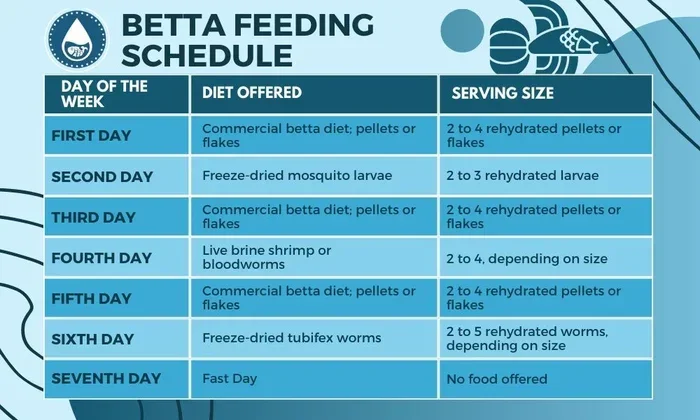
You should feed your betta fish 1 to 2 times a day in small amounts. A proper betta fish feeding schedule prevents overfeeding and keeps your fish healthy. Most owners make the mistake of feeding too much or too often, which leads to serious health problems. This guide covers everything from daily portions to weekly fasting routines.
Keeping a betta fish healthy starts with one simple thing: knowing how often to feed it. Many new fish owners think more food means a happier fish. That is far from the truth. Overfeeding is one of the most common causes of illness and early death in betta fish. Understanding the right betta fish feeding schedule can add years to your pet’s life.
This guide breaks down everything you need to know about how often do I have to feed my betta fish. You will learn about daily portions, the best types of food, and how to spot the signs of overfeeding. By the end, you will feel confident about your betta fish care routine.
Key Takeaways
- Feed 1 to 2 times daily: This is the ideal betta fish feeding schedule for most adult bettas.
- Small portions matter: Only give what your fish can eat in 2 minutes to avoid overfeeding.
- Skip a day weekly: A weekly fast helps your betta’s digestive system stay healthy.
- Variety is key: Rotate between pellets, flakes, and live or frozen foods for balanced betta fish nutrition.
- Watch for signs of overfeeding: Bloating, constipation, and cloudy water are red flags you should not ignore.
- Consistency beats quantity: A regular feeding routine matters more than how much food you offer each time.
📑 Table of Contents
Why Feeding Frequency Matters for Your Betta Fish
Betta fish are small creatures with simple digestive systems. Their stomachs are roughly the size of their eyeball. This means they do not need a lot of food at each meal. Feeding them the right amount at the right times keeps their body working smoothly.
When you follow a consistent feeding frequency, your betta stays active and colorful. But when you overfeed, food sits in the tank and rots. This spikes ammonia levels and poisons the water. Poor water quality leads to fin rot, fungal infections, and stress. A simple feeding routine prevents all of this.
The Betta Fish Digestive System
Betta fish are labyrinth fish. This means they can breathe air from the surface. But their stomachs work like most other fish. They process food slowly and in small amounts. A heavy meal sits in their gut too long and causes bloating. That is why how often do I have to feed my betta fish is such an important question to answer correctly.
In the wild, bettas eat small insects and larvae throughout the day. They do not get one big meal. Instead, they graze on tiny amounts frequently. You can mimic this pattern with a simple home routine. Two small feedings per day works best for most pet bettas.
How Often Should You Feed Your Betta Fish
The short answer is 1 to 2 times a day. But the full picture depends on your fish’s age, size, and activity level. Let us break it down.
Adult Betta Fish Feeding Schedule
For adult bettas, feeding once or twice a day is the gold standard. Each meal should be small. A good rule of thumb is 2 to 3 pellets per feeding. If you use flakes, a tiny pinch is enough. You should never fill the tank with leftover food.
Some experienced owners feed their bettas every other day. This is fine for adult fish that are not breeding. It actually mimics their natural eating patterns in the wild. If you choose this route, make sure your betta stays active and maintains a healthy weight.
Consistency is the most important part of any betta fish feeding schedule. Feed your fish at the same times each day. Morning and evening work well for most people. Your fish will learn the routine and get excited at feeding time.
Baby and Juvenile Betta Feeding
Young bettas need more frequent meals than adults. If you have a betta fry or juvenile fish, feed them 3 to 4 times a day in tiny amounts. They are growing fast and need constant energy. Use crushed pellets or baby brine shrimp for the best results.
As your betta grows, you can slowly reduce the number of daily feedings. By the time your fish reaches full adult size at around 6 months, switch to the 1 to 2 times per day schedule.
How Much Food Should Each Meal Be
Here is a simple way to measure portions. The amount of food should equal the size of your betta’s eyeball. That sounds strange, but it works. For pellets, 2 to 3 small pellets per meal is perfect. For flakes, a pinch the size of a dime works well.
If you are ever unsure, it is better to feed less than more. You can always add a tiny bit more. But you cannot take food back out once it hits the water. How Much Do I Feed A Betta Fish covers portion sizes in even more detail.
Best Types of Food for Betta Fish
Not all fish food is created equal. Bettas are carnivores. They need protein-rich foods to stay healthy. Let us look at the best options for your betta fish diet.
Betta Pellets
High-quality betta pellets are the foundation of a great betta fish diet. They sink slowly, which gives your fish time to eat. Look for pellets with fish meal or shrimp meal as the first ingredient. Avoid pellets filled with fillers like corn or wheat.
Soak pellets for a few minutes before feeding. This prevents them from expanding in your fish’s stomach, which can cause constipation. It is a small step that makes a big difference in betta fish health.
Betta Flakes
Flakes are convenient and easy to find. But they are not always the best option for bettas. Flakes break apart quickly and cloud the water. If you use flakes, only give a tiny amount and remove any uneaten flakes after a few minutes.
How Often Do You Feed Betta Fish Flakes dives deeper into the right frequency for flake feeding. In general, flakes should be a supplement, not the main staple.
Live and Frozen Foods
Live and frozen foods make excellent treats for bettas. Bloodworms, brine shrimp, and daphnia are all great choices. These foods are packed with protein and keep your betta interested in mealtime.
You should not rely on live or frozen foods alone. Use them as a supplement 2 to 3 times a week alongside your regular pellets. This variety keeps your fish’s betta fish nutrition balanced and supports vibrant color.
Freeze-Dried Foods
Freeze-dried foods are a convenient middle ground. They last a long time and are easy to store. Soak them before feeding to prevent bloating. Like frozen foods, use freeze-dried options as a treat rather than a staple meal.
Common Feeding Mistakes and How to Avoid Them
Even experienced fish owners make mistakes. Here are the most common errors people make when feeding their bettas and how to fix them.
Overfeeding
Overfeeding is the number one killer of pet bettas. It is easy to do because bettas are enthusiastic eaters. They will beg for food even when their stomach is full. Uneaten food decays quickly in warm water, which spikes ammonia levels fast.
Signs of overfeeding include:
- A bloated or distended belly
- Food floating in the tank uneaten after 5 minutes
- Cloudy or foul-smelling water
- Your betta refusing food at the next scheduled meal
- Lethargy and loss of color
If you notice these signs, skip the next feeding. Give your fish’s digestive system a chance to clear out. How Often Do I Feed My Betta Fish has more tips on adjusting your routine if overfeeding has been an issue.
Feeding Too Much Variety Too Fast
Bettas do well on a stable diet. If you suddenly switch from pellets to live food, your fish may refuse to eat or get an upset stomach. Change foods gradually over a week or two. This keeps their digestive system steady and reduces stress.
Ignoring the Fasting Day
Many people do not know that bettas benefit from a weekly fast. Skipping one feeding day per week helps your fish’s digestive system reset. It also prevents constipation and bloating. Pick one day each week and do not feed your betta at all. Your fish will be just fine.
Feeding at Random Times
Inconsistency throws off your fish’s internal clock. Bettas thrive on routine. Feed them at the same times every day. This reduces stress and makes feeding time a positive experience for both you and your fish.
Special Feeding Situations
Sometimes your normal routine needs to change. Here are a few situations where you need to adjust your betta fish feeding schedule.
When Your Betta Is Sick
A sick betta often loses its appetite. Do not force food on a fish that is not eating. Instead, focus on water quality and warmth. If your betta is recovering from an illness, offer small amounts of easily digestible food like soaked pellets. You can also feed a tiny piece of blanched pea to help with constipation.
When You Are on Vacation
If you need to leave your betta alone for a few days, do not worry. A healthy adult betta can go 3 to 5 days without food. For trips longer than that, use an automatic feeder or ask a friend to feed your fish. How Do I Feed My Betta Fish On Vacation has detailed tips for keeping your fish fed while you are away.
After Water Changes
Wait at least an hour after a water change before feeding. Your betta needs time to adjust to the new water conditions. Feeding too soon after a change can stress your fish and cause digestive issues.
Quick Tips for the Perfect Feeding Routine
Here are some simple tips to make feeding time easy and effective:
- Stick to a schedule: Feed your betta at the same two times every day.
- Use a measuring tool: A small scoop or tweezers helps you get the right portion every time.
- Watch your fish eat: Stay nearby during feeding to make sure your betta eats everything within 2 minutes.
- Remove uneaten food: Use a small net or turkey baster to pick up any food left after feeding.
- Rotate food types: Switch between pellets, frozen foods, and occasional treats to keep your betta healthy and interested.
- Keep a feeding log: Note what and when you feed your betta. This helps you spot patterns and catch problems early.
Conclusion
So, how often do I have to feed my betta fish? The answer is simple. Feed your betta 1 to 2 times a day with small portions. Stick to a regular schedule, skip one day each week for a fast, and watch your fish for signs of overfeeding or hunger. A proper betta fish feeding schedule is one of the easiest ways to keep your fish healthy and happy for years to come.
Remember, your betta depends on you for everything. A little knowledge goes a long way. Take what you have learned here and build a routine that works for your life and your fish. Your betta will thank you with bright colors, active swimming, and a long, healthy life.
For more tips on betta fish care, check out our guides on How To Feed My Betta Fish and How Much Food Should I Feed My Betta Fish. These resources will help you fine-tune your routine and give your fish the best possible life.
Frequently Asked Questions
Can I feed my betta fish once a day instead of twice?
Yes, once a day is perfectly fine for most adult bettas. Just make sure the single meal is a good size and packed with nutrition. Some owners prefer once-daily feeding because it is simpler and gives the fish a longer fasting period, which can be beneficial for digestion.
What happens if I overfeed my betta fish?
Overfeeding causes bloating, constipation, and poor water quality. Uneaten food rots in the tank and raises ammonia levels quickly. This can lead to fin rot, fungal infections, and other serious health issues. If you think you have been overfeeding, skip the next meal and monitor your fish closely.
Can I feed my betta fish every other day?
Adult bettas can eat every other day without any problems. This approach works well for fish that are not breeding or growing. Just make sure your fish stays active and maintains a healthy body shape. If your betta looks thin or lethargic, go back to daily feedings.
How long can a betta fish go without food?
A healthy adult betta can survive 3 to 5 days without food. In the wild, bettas sometimes go longer between meals. Going a full week without food is not recommended unless your fish is sick and needs a digestive reset. Always have a plan for longer absences.
Should I feed my betta fish right after a water change?
No, wait at least one hour after a water change before feeding. Your betta needs time to adjust to the new water parameters. Feeding too soon can cause stress and digestive problems. A little patience goes a long way in keeping your fish healthy.
What is the best time of day to feed my betta fish?
Morning and evening are the best times to feed your betta. This matches a natural rhythm and keeps your fish on a predictable schedule. Pick times that work for you and stick to them consistently. Bettas thrive on routine and will quickly learn when to expect their meals.