How to Take Care of Betta Fish Babies
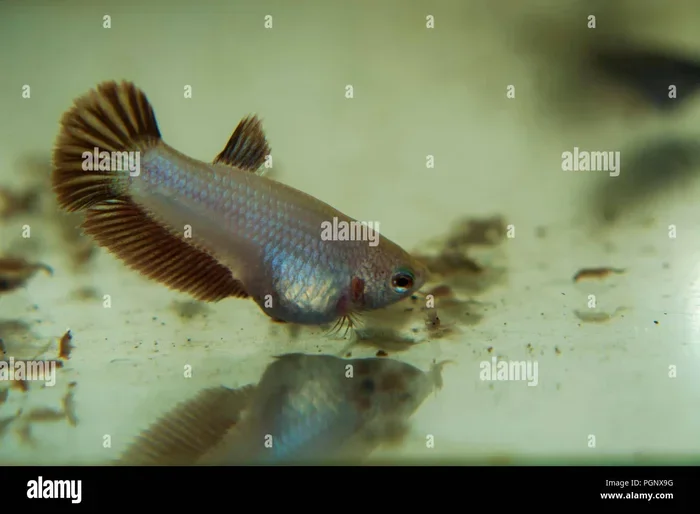
Taking care of betta fish babies requires patience, the right tank setup, and a proper feeding routine. Baby betta fish, also known as betta fry, need warm clean water, tiny foods like infusoria, and careful attention to survive their fragile first weeks. This guide covers every step you need to raise healthy betta fry from day one.
Raising betta fish babies is one of the most rewarding experiences a fish keeper can have. But it is also one of the most challenging. Betta fry are incredibly tiny and fragile. They need very specific conditions to survive and thrive. If you have ever wondered how to take care of betta fish babies, you are in the right place.
This guide walks you through everything from setting up a breeding tank to feeding your fry the right foods. Whether you are a complete beginner or an experienced hobbyist, these tips will help you raise healthy baby betta fish. Let us dive in and make sure your little ones get the best start in life.
Key Takeaways
- Separate betta fry immediately: Parent betta fish may eat their babies, so move fry to a safe breeding tank right away.
- Maintain warm water temperatures: Keep the water between 78-80°F to support healthy betta fish growth stages.
- Feed small, frequent meals: Baby betta fish need tiny amounts of food 3-4 times a day for proper nutrition.
- Keep the tank clean: Regular water changes prevent disease and improve betta fry survival rates.
- Watch for signs of illness: Early detection of common betta fish diseases can save young fry lives.
- Gradually upgrade their diet: As fry grow, transition them from infusoria to baby brine shrimp and micro pellets.
📑 Table of Contents
Understanding Betta Fish Babies
Before you start caring for betta fry, it helps to understand what they are and how they develop. Baby betta fish go through several stages. Each stage has unique needs that you must meet.
What Are Betta Fry?
Betta fry are newborn betta fish. They hatch from eggs and are incredibly small. In the first few days, they are barely visible to the naked eye. Their bodies are translucent, and they cling to surfaces in the tank. During this time, they absorb their yolk sac for nutrition. This yolk sac provides everything they need for the first 24 to 48 hours after hatching.
After the yolk sac is absorbed, the fry must start eating on their own. This is the most critical period. Many fry do not survive this transition. Proper care during these early days makes a huge difference.
Betta Fish Growth Stages
Betta fish growth stages follow a predictable pattern. Here is what to expect:
- Day 1-3: Fry absorb their yolk sac. They do not need external food yet.
- Day 3-7: Fry become free-swimming. They start looking for food.
- Week 1-2: Fry grow slightly and begin showing color.
- Week 2-4: Fins start developing. Fry become more active.
- Month 1-2: Fry look like tiny versions of adult bettas.
- Month 3+: Fry continue growing and developing their full color.
Understanding these stages helps you adjust care routines as your fry grow. Each phase requires slightly different food and tank conditions.
Setting Up the Perfect Tank for Betta Fry
The tank setup is the foundation of healthy betta fry care. A poorly set up tank can lead to illness and death. Getting this right from the start gives your babies the best chance.
Tank Size and Type
You do not need a huge tank for betta fry. In fact, a smaller tank is easier to manage. A 5-gallon tank works well for a small batch of fry. For larger breeding projects, a 10-gallon tank gives you more room. The key is to keep the water parameters stable. Small tanks are easier to control than large ones when it comes to betta fish water quality.
Use a tank with a lid or cover. Betta fry are excellent jumpers. A lid prevents them from escaping and drying out. It also keeps dust and debris out of the water.
Water Temperature and Quality
Warm water is essential for betta fry. Keep the temperature between 78 and 80 degrees Fahrenheit. Use a small heater with a thermostat to maintain a steady temperature. Fluctuations in temperature can stress young fish and slow their growth.
Water quality matters just as much as temperature. Use a gentle filter or sponge filter. Strong filters can suck up tiny fry. The water should be clean and free of ammonia and nitrites. Perform small water changes of about 10 to 20 percent every other day. This keeps the water fresh without disturbing the fry too much.
If you are new to this, learning how to take care of betta fish water is a great first step. Clean water is the single most important factor in fry survival.
Tank Decorations and Hiding Spots
Add soft plants and hiding spots to the tank. Java moss and fine-leaved plants work well. Fry use these as shelter and as places to find food. Avoid rough decorations that could injure the tiny fish. Keep the tank simple and safe.
Feeding Betta Fish Babies
Feeding is the most important part of raising betta fry. Baby betta fish have very small mouths. They cannot eat regular fish food. You need to provide the right food at the right size.
What to Feed Betta Fry
During the first few days, fry live off their yolk sac. Once they are free-swimming, you need to start feeding them. Here are the best food options for different stages:
- Infusoria: This is the ideal first food for newly hatched fry. Infusoria are microscopic organisms. You can culture them at home or purchase them online.
- Baby brine shrimp: Once fry are a few days old, they can eat baby brine shrimp. These are nutrient-rich and the perfect size for small mouths.
- Micro worms: Another excellent first food. Micro worms are easy to culture and fry love them.
- Crushed betta pellets: As fry grow, you can gradually introduce crushed high-quality pellets.
Feeding Schedule and Tips
Feed your betta fry small amounts 3 to 4 times a day. Overfeeding is a common mistake. Uneaten food fouls the water quickly and can make your fry sick. Remove any uneaten food after a few minutes.
Watch your fry during feeding time. All fry should be eating. If some are not getting food, try feeding in a smaller area or use a pipette to target feed them.
For more details on feeding schedules, check out our guide on how to take care of betta fish for general feeding tips that also apply to fry.
Common Health Issues in Betta Fry
Betta fry are vulnerable to diseases and health problems. Early detection and treatment can save lives. Here are the most common issues you may encounter.
Signs of a Sick Fry
Watch for these warning signs:
- Lethargy or not swimming
- Loss of color or fading body
- White spots on the body (ich)
- Curved or deformed spine
- Not eating or refusing food
- Labored breathing or gasping at the surface
If you notice any of these signs, act quickly. Isolate affected fry if possible. Treat the tank with appropriate medications. Always research any treatment before adding it to a fry tank.
Preventing Disease
The best way to keep your fry healthy is prevention. Here are some simple steps:
- Perform regular small water changes to maintain clean water.
- Do not overfeed. Remove uneaten food promptly.
- Keep the tank temperature stable with a reliable heater.
- Quarantine new plants or decorations before adding them to the fry tank.
- Wash your hands before and after handling the tank.
If your fry do get sick, knowing how to care for sick betta fish can make a big difference. Early intervention is always better than waiting until problems get worse.
Raising Betta Fry to Adulthood
Raising betta fry to adulthood takes time and patience. Most fry will survive the first few weeks if you keep water clean and feed properly. As they grow, you can gradually adjust their care routine.
When to Separate Fry by Size
As fry grow, some will be bigger than others. Larger fry may bully or eat smaller ones. When you notice significant size differences, separate them into different tanks. This ensures all fry get enough food and space to grow.
Gradual Diet Upgrade
Start with infusoria and micro worms. As fry reach two to three weeks old, introduce baby brine shrimp. By one month, you can offer crushed pellets and small flakes. Always increase food size gradually. A sudden change in diet can cause digestive issues.
For more guidance on raising healthy bettas, our article on how to properly care for betta fish covers long-term care strategies that work well for growing fry.
How Many Fry Can You Expect?
A single betta spawning can produce anywhere from 30 to 100 or more fry. However, not all of them will survive. A healthy survival rate is around 50 to 70 percent with proper care. Do not be discouraged if some fry do not make it. Focus on giving the strongest ones the best environment.
Common Mistakes to Avoid
Even experienced fish keepers make mistakes when raising betta fry. Here are the most common errors and how to avoid them.
Overfeeding
This is the number one mistake. Baby betta fish have tiny stomachs. Too much food pollutes the water fast. Feed small amounts and remove leftovers.
Skipping Water Changes
Fry tanks build up waste quickly. Skipping water changes leads to ammonia spikes. These spikes can be fatal for young fish. Stick to a regular water change schedule.
Using a Too-Strong Filter
A powerful filter can suck up tiny fry or create too much current. Use a sponge filter on the lowest setting. This keeps water clean without harming your babies.
Not Separating the Fry
Leaving fry in the main tank with adult fish is risky. Adults will eat the babies. Always move fry to a separate breeding tank immediately after hatching.
When Can Betta Fry Live in a Regular Tank?
Betta fry can move into a regular tank once they are about three months old. By this time, they are large enough to avoid being eaten by adult fish. They can also handle stronger water flow and regular tank conditions. Before moving them, make sure the new tank is fully cycled and stable.
Transition your fry gradually. Float their container in the new tank for a few hours to equalize the temperature. Then slowly mix small amounts of new tank water into their container over several hours. This reduces stress and prevents shock.
If you want more tips on long-term betta care, our guide on how to care for betta fish has helpful information for all ages.
For water quality tips specifically, also see our guide on how to take care of betta fish water to keep your growing fry healthy.
Conclusion
Learning how to take care of betta fish babies is a journey that requires patience and attention to detail. From the moment the eggs hatch, every decision you make affects the health and survival of your fry. Keep the water warm and clean. Feed small amounts frequently. Watch for signs of illness and act fast. With the right setup and consistent care, you can raise healthy baby betta fish from tiny fry to beautiful adults.
Remember that every fry is unique. Some will grow faster than others. Some will develop brighter colors. Enjoy the process and celebrate each small victory along the way. Raising betta fry is not just a hobby. It is a rewarding experience that connects you more deeply with these amazing fish.
Start applying these tips today. Your baby betta fish will thank you with vibrant colors and lively energy. Happy fish keeping!
Frequently Asked Questions
How long do betta fish babies stay in the egg stage?
Betta fish eggs typically hatch within 24 to 48 hours after being laid. The exact time depends on water temperature. Warmer water speeds up the hatching process. Keep the temperature steady between 78 and 80 degrees Fahrenheit for the best results.
What is the survival rate of betta fry?
With proper care, about 50 to 70 percent of betta fry survive to adulthood. Survival rates depend heavily on water quality, feeding, and temperature stability. Keeping the tank clean and feeding appropriately gives your fry the best chance of survival.
Can baby betta fish eat regular fish food?
No, baby betta fish cannot eat regular fish food. Their mouths are too small. Start with infusoria or micro worms. Gradually move to baby brine shrimp and crushed pellets as they grow. Always match the food size to the fry’s mouth.
How often should I feed betta fry?
Feed betta fry 3 to 4 times a day in small amounts. Overfeeding is worse than underfeeding. Remove any uneaten food after a few minutes to keep the water clean. Consistent feeding schedules help fry grow steadily.
Do I need a separate tank for betta fry?
Yes, absolutely. Betta fry need a separate breeding tank. Adult betta fish will eat their babies if given the chance. A small 5-gallon tank with a sponge filter and gentle heater works perfectly for raising fry safely.
When should I separate betta fry by size?
Separate fry by size as soon as you notice significant differences, usually around 2 to 3 weeks old. Larger fry can bully or eat smaller ones. Giving each size group its own space ensures everyone gets enough food and grows properly.