Is Krill Oil Better Than Fish Oil for Eczema
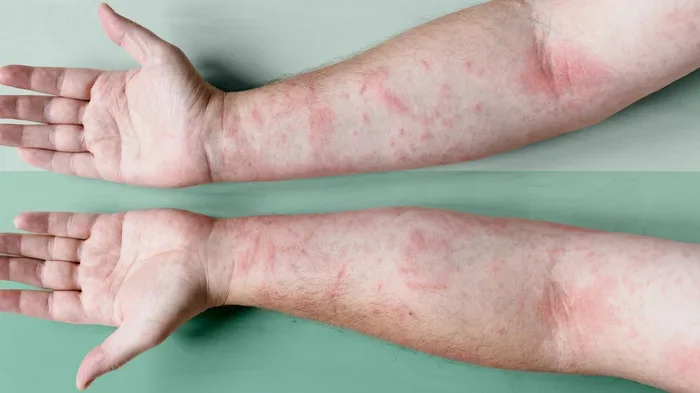
Is krill oil better than fish oil for eczema? Many people with eczema are turning to omega-3 supplements to find relief. Krill oil offers unique phospholipids and astaxanthin that may make it a stronger choice for reducing skin inflammation and supporting the skin barrier compared to traditional fish oil.
Living with eczema can be frustrating. The itching, redness, and dry patches can make daily life uncomfortable. Many people search for natural ways to calm their skin. One question that keeps coming up is whether krill oil for eczema works better than fish oil. Both supplements deliver omega-3 fatty acids, but they differ in important ways. This article breaks down the science, compares the two, and helps you decide which option might be right for your skin.
If you have ever wondered about omega-3 fatty acids for skin health, you are not alone. Millions of people with eczema look for supplements that can reduce flare-ups and support the skin barrier. Krill oil and fish oil are two of the most popular choices. But which one truly delivers better results for eczema? Let us dive in and find out.
Key Takeaways
- Krill oil contains phospholipids: This makes it easier for your body to absorb omega-3s, which may benefit eczema-prone skin faster.
- Astaxanthin in krill oil acts as a powerful antioxidant: It helps fight oxidative stress that can worsen eczema symptoms.
- Both krill oil and fish oil provide EPA and DHA: These essential fatty acids support skin health and reduce inflammation.
- Fish oil is more studied for eczema: There is a larger body of research on fish oil for skin conditions, though krill oil shows promising results.
- Quality matters: Always choose a pure, third-party tested supplement whether you pick krill oil or fish oil.
- Consult a dermatologist: Supplements work best as part of a broader eczema management plan that includes proper skincare and medical advice.
📑 Table of Contents
- What Is Eczema and Why Does It Need Omega-3 Support
- What Are Krill Oil and Fish Oil
- How Krill Oil Helps with Eczema
- How Fish Oil Compares for Eczema Relief
- Krill Oil vs Fish Oil for Eczema: Side by Side
- How to Choose the Right Supplement for Eczema
- Tips for Using Omega-3 Supplements for Skin Health
- Final Thoughts: Is Krill Oil Better Than Fish Oil for Eczema
What Is Eczema and Why Does It Need Omega-3 Support
Eczema, also known as atopic dermatitis, is a chronic skin condition. It causes patches of skin to become inflamed, itchy, and dry. The exact cause is complex. It involves a mix of genetics, immune system overreaction, and a weakened skin barrier. When the skin barrier does not work properly, moisture escapes and irritants get in. This leads to flare-ups.
Omega-3 fatty acids play a big role in managing inflammation. People with eczema often have lower levels of EPA and DHA in their blood. These are the two key omega-3s found in both krill oil and fish oil. Anti-inflammatory properties of omega-3s may help reduce the redness and swelling that come with eczema. They can also support the skin barrier, helping it lock in moisture and keep irritants out.
Why Skin Health Depends on Essential Fatty Acids
Your skin needs fats to stay strong and flexible. Essential fatty acids like omega-3s are building blocks for skin cell membranes. Without enough of them, the skin becomes dry and fragile. Omega-3s also help produce signaling molecules that calm inflammation. For people with eczema, this means fewer flare-ups and less discomfort. Adding a high-quality supplement can make a real difference over time.
What Are Krill Oil and Fish Oil
Krill oil vs fish oil is a popular comparison in the supplement world. Both come from marine sources, but they have distinct differences. Krill oil comes from tiny shrimp-like creatures called krill. Fish oil comes from fatty fish like salmon, sardines, and anchovies. Each has its own unique makeup that affects how your body uses it.
What Makes Krill Oil Special
Krill oil is rich in omega-3 fatty acids, just like fish oil. But here is the key difference. In krill oil, omega-3s are bound to phospholipids. This is a type of fat that your cell membranes are made of. Because of this, your body may absorb krill oil more easily than fish oil. Krill oil also contains a powerful antioxidant called astaxanthin. This gives krill oil its red color and helps protect your cells from damage.
Phospholipids are important for skin health. They help form the outer layer of your skin cells. This means krill oil may support the skin barrier more directly than fish oil. For eczema sufferers, this is a big deal. A stronger skin barrier means less water loss and fewer irritants triggering flare-ups.
What Fish Oil Brings to the Table
Fish oil has been studied for decades. It is one of the most well-researched supplements in the world. Fish oil delivers EPA and DHA in triglyceride form. Many studies have looked at how fish oil affects inflammation and skin health. The results are promising. Fish oil can reduce inflammatory markers in the body. It may also help with dryness and itching associated with eczema.
Fish oil is generally less expensive than krill oil. It is also easier to find in different concentrations. If you are on a budget, fish oil might be a practical starting point. However, some people experience fishy burps or stomach upset from fish oil. Krill oil tends to be easier on the stomach for most people.
How Krill Oil Helps with Eczema
So how does krill oil for eczema actually work? Let us look at the specific benefits that make krill oil a strong contender for skin health.
Better Absorption Means Faster Results
Because krill oil omega-3s come in phospholipid form, your body absorbs them more efficiently. This means the active compounds reach your skin cells faster. For eczema, faster absorption could mean quicker relief from inflammation and dryness. You may notice improvements in skin texture and redness sooner compared to other supplements.
The Power of Astaxanthin
Astaxanthin is a natural antioxidant found in krill oil. It is one of the most powerful antioxidants in nature. It helps fight oxidative stress, which plays a role in eczema flare-ups. Oxidative stress damages skin cells and worsens inflammation. Astaxanthin neutralizes free radicals and protects the skin. This gives krill oil an edge over regular fish oil, which does not contain this antioxidant.
Supporting the Skin Barrier
The skin barrier is your body’s first line of defense. In eczema, this barrier is compromised. Krill oil’s phospholipids may help rebuild and strengthen the skin barrier. This helps your skin hold onto moisture and block out triggers like allergens and irritants. Over time, a stronger skin barrier means fewer eczema episodes and milder symptoms.
How Fish Oil Compares for Eczema Relief
Fish oil is not without its strengths for eczema. Many people have found relief using fish oil supplements. The EPA in fish oil is particularly effective at reducing inflammation. It lowers the production of inflammatory compounds in the body. This can help calm the redness and swelling that eczema causes.
Fish oil is also widely available and affordable. You can find it in capsules, liquids, and softgels. The fish oil benefits for skin health are well documented. Several clinical studies have shown that fish oil can improve skin hydration and reduce itching in people with eczema.
However, fish oil has some drawbacks. It can go rancid more easily than krill oil. Rancid fish oil may actually increase oxidative stress rather than reduce it. This is why choosing a high-quality, fresh fish oil supplement is essential. Also, fish oil does not contain astaxanthin, so you miss out on that extra antioxidant protection.
Krill Oil vs Fish Oil for Eczema: Side by Side
Let us compare the two supplements directly so you can make an informed choice.
- Absorption: Krill oil wins here. The phospholipid form is easier for your body to use. Fish oil requires more processing before the omega-3s are available to your cells.
- Antioxidant Content: Krill oil contains astaxanthin, which fish oil lacks. This antioxidant is excellent for protecting skin from damage.
- Research Base: Fish oil has more studies specifically looking at eczema. Krill oil research is growing but still more limited.
- Price: Fish oil is typically cheaper per dose. Krill oil costs more but may offer better value due to superior absorption.
- Digestibility: Krill oil causes fewer stomach issues and no fishy aftertaste for most users. Fish oil can cause burping and mild nausea.
- Purity: Both can be pure if you choose a reputable brand. Look for third-party testing for heavy metals and contaminants.
How to Choose the Right Supplement for Eczema
Choosing between krill oil and fish oil depends on your needs and budget. Here are some factors to consider.
Check the EPA and DHA Content
Not all supplements are created equal. Look at the label for the actual EPA and DHA amounts per serving. Higher concentrations mean you need fewer capsules to get the benefits you want. For eczema, aim for at least 1,000 mg of combined EPA and DHA daily. This is a common dosage used in skin health studies.
Look for Third-Party Testing
Purity matters a lot when it comes to omega-3 supplements. Fish and krill can contain heavy metals, PCBs, and other contaminants. Choose brands that test their products through independent labs. This ensures you are getting a clean, safe supplement every time.
Consider Your Budget and Lifestyle
If cost is a major factor, fish oil may be the better starting point. If you want better absorption and do not mind paying a bit more, krill oil could be worth the investment. Some people also prefer krill oil because it does not cause fishy burps. Think about what will work best for your daily routine and stick with it.
Tips for Using Omega-3 Supplements for Skin Health
Adding a supplement is just one piece of the puzzle. Here are some practical tips to maximize the benefits for your eczema-prone skin.
- Take your supplement with food: Omega-3s absorb better when taken with a meal that contains some fat. This helps your body break down and use the supplement more effectively.
- Be patient: It takes time for omega-3s to build up in your system. Give it at least 8 to 12 weeks before judging results. Skin cell turnover takes about 28 days, so consistency is key.
- Pair with a good skincare routine: Supplements work best alongside proper moisturizing and gentle cleansing. Use fragrance-free products designed for sensitive skin.
- Stay hydrated: Drinking enough water supports your skin barrier from the inside out. Omega-3s and hydration work together to keep skin supple.
- Track your symptoms: Keep a journal of your eczema flare-ups and any changes you notice after starting a supplement. This helps you and your doctor understand what is working.
Common Mistakes to Avoid
Many people make mistakes when starting omega-3 supplements for eczema. One common error is giving up too soon. Omega-3s need time to accumulate in your body. Another mistake is choosing the cheapest option without checking for purity. Low-quality supplements may be oxidized or contaminated, which can actually worsen inflammation. Finally, some people expect supplements to replace medical treatment entirely. Supplements are a helpful addition, not a replacement for prescribed eczema therapies.
Expert Insights on Omega-3s and Eczema
Dermatologists increasingly recognize the role of omega-3s in managing eczema. Is krill oil better than fish oil for eczema is a question many experts are now exploring. While both supplements show promise, the unique phospholipid structure and astaxanthin content of krill oil make it a compelling option. Some experts recommend starting with fish oil if you are new to omega-3 supplements, then switching to krill oil if you want enhanced benefits. The best approach is always a personalized one based on your skin needs and health goals.
Final Thoughts: Is Krill Oil Better Than Fish Oil for Eczema
The answer depends on your individual needs and goals. If you want superior absorption, antioxidant protection, and a supplement that directly supports your skin barrier, krill oil for eczema is an excellent choice. If you prefer a well-studied, affordable option with a long track record, fish oil remains a solid option. Both supplements offer real benefits for managing eczema symptoms and supporting overall skin health.
Krill oil vs fish oil does not have to be an either-or decision. Some people even take both to get the best of both worlds. The most important thing is to choose a high-quality supplement, take it consistently, and pair it with a good skincare routine. Your skin will thank you for it.
Remember that supplements are just one tool in your eczema management toolkit. Combine them with proper moisturizing, trigger avoidance, and medical advice for the best results. Omega-3 fatty acids are a natural, safe way to support your skin from the inside out. Whether you choose krill oil or fish oil, you are taking a positive step toward healthier, more comfortable skin.
Frequently Asked Questions
Can krill oil cure eczema?
No supplement can cure eczema. Krill oil may help reduce inflammation and support the skin barrier, which can lessen the severity and frequency of flare-ups. It works best as part of a comprehensive eczema management plan that includes proper skincare and medical treatment.
How long does it take for krill oil to help with eczema?
Most people need at least 8 to 12 weeks of consistent use to notice improvements. Omega-3s build up gradually in your body. Skin cell turnover takes about 28 days, so patience and consistency are essential for seeing real results.
Is fish oil or krill oil better for sensitive skin?
Krill oil is often better tolerated by people with sensitive skin. It is easier to digest and less likely to cause stomach discomfort. The phospholipid form also allows for better absorption, which means your skin cells get the omega-3s they need more efficiently.
Are there any side effects of taking krill oil for eczema?
Krill oil is generally safe for most people. Some may experience mild digestive discomfort, especially when first starting. People with shellfish allergies should avoid krill oil. Always talk to your doctor before starting any new supplement, especially if you take blood-thinning medications.
Can I take krill oil and fish oil together?
Yes, some people combine both supplements for a broader omega-3 profile. However, you should watch your total daily intake of EPA and DHA to stay within recommended limits. Talk to your healthcare provider to determine the right dosage for your needs.
What dosage of krill oil is best for eczema?
A common dosage used in studies is 1,000 to 3,000 mg of krill oil per day, providing around 500 mg of combined EPA and DHA. Start with a lower dose and gradually increase. Always follow the manufacturer’s instructions and consult your doctor for personalized advice.