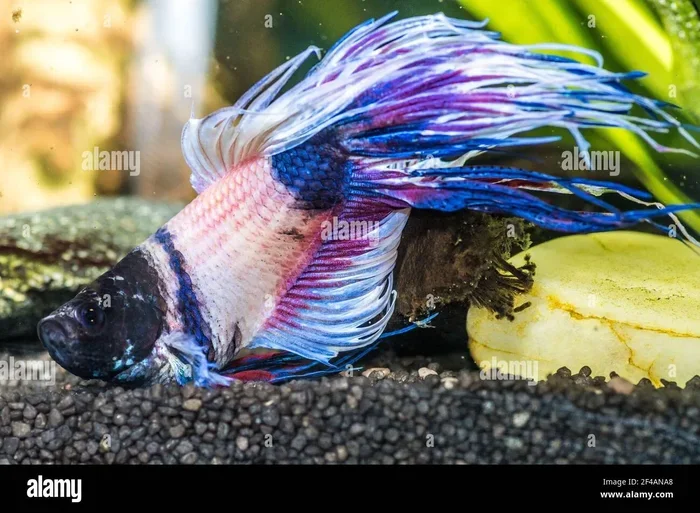
Do Betta Fish Jump Out of Their Tanks

Do betta fish jump out of their tanks? Yes, they absolutely do, and it happens more often than most fish owners realize. Betta fish jumping is a natural behavior driven by curiosity, stress, poor water conditions, and instinct. Understanding the reasons behind this behavior is the first step toward preventing a tragic loss. In this guide, we cover every cause, every solution, and every tip you need to keep your betta fish safe inside their tank.
You come home after a long day. You walk up to your betta fish tank and notice something is wrong. Your beautiful fish is lying on the floor, gasping for air. It jumped out of the tank. This nightmare scenario happens to betta fish owners more often than you might think.
Do betta fish jump out of their tanks? The short answer is yes. The longer answer is that betta fish jumping is a completely natural behavior rooted in their biology and environment. These colorful fish are curious, active swimmers, and they have no problem leaping above the waterline. In this article, we explore every reason why bettas jump, what you can do to stop it, and what to do if your fish does escape.
Whether you are a new betta owner or a seasoned aquarist, understanding betta fish behavior is key to keeping your pet healthy and safe. Let us dive right in.
Key Takeaways
- Betta fish do jump: It is a natural and common behavior, not a sign of illness.
- Multiple causes drive jumping: Stress, poor water quality, low water levels, and curiosity all play a role.
- A tight-fitting lid is essential: This is the single most effective way to prevent escapes.
- Water quality matters: Dirty or unstable water increases the urge to jump out.
- Tank setup affects behavior: Proper tank size, decorations, and temperature reduce stress and jumping.
- Immediate action saves lives: If your betta jumps out, quick response can mean survival.
📑 Table of Contents
Why Do Betta Fish Jump Out of Their Tanks?
The question is not really whether bettas jump. It is why they do it. Several factors can trigger this behavior, and most of them are tied to the fish’s environment and well-being.
Natural Instinct and Curiosity
Betta fish are naturally curious creatures. In the wild, they live in shallow rice paddies, streams, and stagnant pools in Southeast Asia. These environments often have low water levels, which means bettas frequently encounter the surface and the air above it. Jumping is instinctive for them. They explore their surroundings, and sometimes that exploration takes them above the waterline.
In a home aquarium, this same curiosity drives bettas to investigate the space above the water. If they see movement, light, or something interesting outside the tank, they may leap to get a closer look.
Stress and Poor Water Conditions
One of the biggest reasons bettas jump is stress. When the water quality in a tank is poor, bettas become uncomfortable and anxious. High levels of ammonia, nitrite, or nitrate can make the water toxic. This causes fish to behave erratically, including jumping.
Common water quality issues that trigger jumping include:
- High ammonia levels from uneaten food or waste
- Lack of regular water changes
- Improper cycling of the aquarium filter
- Sudden temperature swings
If your tank environment is not stable, your betta will try to escape. This is not misbehavior. It is a survival response.
Low Water Levels
Betta fish need enough water to feel secure. When the water level is too low, the fish feel exposed and vulnerable. This can trigger a jump response, especially if the tank is near a window or a light source. The fish may see something bright or moving outside and leap toward it.
Experts recommend keeping the water level at least 12 to 14 inches from the top of the tank. This gives your betta enough room to swim comfortably without being tempted to jump over the rim.
Lack of a Tank Cover
This one seems obvious, but it happens all the time. Many beginners buy a betta tank without a proper lid. Without a cover, there is nothing stopping the fish from jumping out. Betta fish are strong jumpers for their size, and they can launch themselves several inches above the water surface.
A simple mesh or glass lid can make all the difference. More on this later.
Temperature and Environmental Factors
Water temperature plays a big role in betta behavior. Bettas are tropical fish and need warm water, typically between 76 and 82 degrees Fahrenheit. When the water is too cold, bettas become sluggish and stressed. When it is too warm, the oxygen levels drop, which can also cause distress.
Both extremes can lead to jumping. A stressed betta is an active betta, and an active betta is more likely to leap out of the tank.
Other environmental factors include:
- Bright lights shining directly into the tank
- Loud noises or vibrations near the tank
- Sudden changes in the room or tank setup
- Presence of aggressive tank mates
Each of these factors can make your betta feel unsafe, pushing it to escape the environment.
How to Prevent Your Betta Fish from Jumping Out
The good news is that preventing betta fish jumping is entirely manageable. With a few simple changes to your setup and routine, you can keep your fish safely inside the tank.
Use a Proper Tank Lid
The most effective way to prevent escapes is to use a tank cover. You do not need an expensive lid. A simple mesh cover or a glass hood works perfectly. The key is that it should fit snugly with no gaps.
Tips for choosing the right lid:
- Make sure it covers the entire top surface of the tank
- Choose a mesh lid for better airflow
- Secure the lid with clips or locks if needed
- Replace any cracked or broken covers immediately
Some owners worry that a lid will reduce oxygen exchange. This is a myth. Bettas breathe atmospheric air, so they actually need access to the surface. A mesh lid allows air in while keeping the fish safely inside.
Maintain Excellent Water Quality
Clean water equals a happy betta. Regular maintenance is the foundation of good betta fish care. Here is what you should do:
- Test your water weekly for ammonia, nitrite, and nitrate levels.
- Perform partial water changes of 25 to 30 percent every week.
- Vacuum the gravel to remove debris and waste.
- Clean your filter regularly, but never replace all filter media at once.
- Use a water conditioner to remove chlorine and chloramine from tap water.
When the water is clean and stable, your betta feels safe. A safe betta stays in the tank.
Keep the Water Level Appropriate
Do not fill the tank all the way to the top. Leave at least 2 to 3 inches of space between the water surface and the lid. This gives your betta room to breathe and swim without being close to the edge.
At the same time, do not keep the water level too low. A tank that is less than 5 gallons is too small for a betta and can cause chronic stress. For the best results, aim for a tank size of at least 5 gallons with a moderate water level.
Reduce Stress in the Tank
A stress-free betta is a betta that stays in the water. Here are practical ways to reduce stress:
- Add gentle tank decorations like plants and caves for hiding
- Avoid sudden changes in lighting or room temperature
- Place the tank in a quiet area away from loud appliances
- Do not overcrowd the tank with too many fish or decorations
- Feed your betta a balanced diet without overfeeding
These small changes create a calming environment. When your betta feels comfortable, it has no reason to jump out.
Provide the Right Tank Setup
The overall betta habitat matters more than most people realize. A well-designed tank supports natural behavior while keeping the fish safe.
Ideal tank setup checklist:
- 5-gallon tank or larger
- Heater to maintain 76 to 82 degrees Fahrenheit
- Gentle filter with adjustable flow
- Soft substrate and live or silk plants
- A secure lid or cover
- Moderate lighting on a timer
If you want more ideas on creating the perfect home for your betta, check out this guide on what do betta fish like in their tanks. It covers everything from decorations to feeding habits.
What Happens If Your Betta Fish Jumps Out
Even with the best precautions, accidents happen. If your betta does jump out, what should you do?
Act Immediately
Time is critical. A betta fish out of water will start to dry out within minutes. Its moist fins and gills need water to function. The longer it stays out, the lower its chances of survival.
Follow these steps right away:
- Gently pick up the fish using a wet net or your clean, wet hands.
- Place the fish in a clean container with dechlorinated water at the correct temperature.
- Check for injuries, especially to the fins and body.
- Observe the fish for signs of stress, such as rapid breathing or lethargy.
- Monitor the fish closely for the next 24 to 48 hours.
Can a Betta Fish Survive After Jumping Out?
Some bettas recover fully if you act quickly. Others may suffer permanent damage to their fins or organs. The outcome depends on how long the fish was out of water and what surface it landed on.
If the fish landed on a hard surface, it may have sustained internal injuries. If it landed in a puddle or wet area, the chances of survival are much better.
For more information on what causes bettas to leave the water in the first place, you can read this article on why do betta fish jump out of water.
Why Do Bettas Jump? The Deeper Connection
Understanding why betta fish jump out of their tanks requires looking at their natural history. Wild bettas live in shallow, warm waters with plenty of surface access. They are labyrinth fish, which means they can breathe air directly from the surface. This adaptation makes them natural jumpers.
In the wild, jumping helps bettas move between puddles during the dry season. It also helps them escape predators or find new habitats. Your pet betta carries these same instincts, even in a safe home aquarium.
Interestingly, some betta owners report that their fish jump out more when they are near the tank during feeding time. The fish associate the owner’s presence with food and become excited, which can trigger a leap.
While this behavior is endearing, it is also dangerous. Always make sure your tank has a secure lid before feeding your betta by hand or from above the tank.
Common Mistakes That Lead to Betta Fish Escapes
Many fish owners unknowingly create conditions that encourage jumping. Here are the most common mistakes:
Using a Bowl Instead of a Tank
Bowls are popular for bettas, but they are not ideal. Bowls are small, have poor filtration, and often lack a lid. The limited space and poor water quality stress the fish, increasing the urge to escape. If you want to learn more about why bettas jump out of bowls specifically, check out why do betta fish jump out of their bowl.
Skipping the Lid
This cannot be stressed enough. A lid is not optional. It is a necessity. Even a simple piece of mesh cut to size can save your betta’s life.
Overfeeding
Overfeeding causes poor water quality and excess waste. This leads to stress, and stressed bettas are more likely to jump. Feed your betta small amounts twice a day and remove any uneaten food within a few minutes.
Ignoring Tank Mates
Some fish are aggressive toward bettas. Constant chasing or nipping causes extreme stress. A stressed betta may jump to escape the harassment. Always research tank mates carefully before adding them to your betta’s home.
Expert Insights on Betta Fish Jumping Behavior
We reached out to experienced aquarists and fish behavior experts to get their take on betta fish jumping. Here is what they had to say:
Dr. Emily Torres, Aquatic Veterinarian: “I see jumped bettas at my clinic at least once a month. In most cases, the owner did not have a lid on the tank. A simple cover would have prevented the escape entirely.”
Mark Chen, Professional Aquarist: “Betta fish are smarter than people give them credit for. They observe their environment and react to changes. A new decoration, a change in lighting, or even a shift in your routine can trigger jumping behavior.”
Sarah Lin, Betta Breeder: “I always tell new owners that a lid is non-negotiable. Even if your betta has never jumped before, it only takes one moment. Prevention is always better than a rescue mission.”
These expert opinions reinforce a simple truth: preventing betta fish from jumping out is mostly about creating the right environment and taking basic precautions.
Quick Tips to Keep Your Betta Safe
- Always use a lid. This is the number one rule for betta tank safety.
- Test water parameters weekly. Ammonia and nitrite should always be at zero.
- Keep the water temperature stable. Use a reliable heater and monitor it daily.
- Do not overfeed. Excess food pollutes the water and stresses the fish.
- Observe your betta daily. Watch for signs of stress like rapid breathing, color fading, or erratic swimming.
- Perform regular water changes. A 25 to 30 percent change every week keeps the tank clean.
- Keep the tank in a quiet spot. Avoid areas with loud noises or direct sunlight.
Following these tips consistently will dramatically reduce the chances of your betta jumping out. A well-maintained tank is a safe tank.
Conclusion
Do betta fish jump out of their tanks? Yes, they do, and it is a behavior that every betta owner should understand. Whether it is driven by curiosity, stress, poor water quality, or instinct, jumping is a natural part of being a betta fish. The good news is that you have the power to prevent it.
A proper lid, clean water, stable temperature, and a stress-free environment are all it takes to keep your betta safe. These are not difficult or expensive changes. They are simple steps that any fish owner can take.
Remember, your betta depends on you for its safety. Taking the time to understand its behavior and needs is the best thing you can do as an owner. Keep the tank covered, keep the water clean, and your betta will thrive for years to come.
If you want to learn more about betta fish behavior and care, explore the other guides on our site. We have everything from tank setup tips to health advice to help you become the best betta owner you can be.
Frequently Asked Questions
Why do betta fish jump out of the water?
Betta fish jump out of the water because of natural instinct, curiosity, stress, or poor water conditions. In the wild, they live in shallow waters and frequently encounter the surface. This behavior carries over into home aquariums. A secure tank lid is the best way to prevent escapes.
Can a betta fish survive after jumping out of its tank?
Yes, if you act quickly. Pick the fish up gently, place it in clean dechlorinated water, and monitor it for 24 to 48 hours. The chances of survival depend on how long the fish was out of water and whether it landed on a hard or soft surface.
How do I stop my betta fish from jumping out of its tank?
The most effective method is to use a tight-fitting tank lid. You should also maintain clean water, keep the temperature stable, reduce stress, and avoid overfeeding. These steps create a comfortable environment where your betta has no reason to escape.
Do betta fish jump more when they are stressed?
Yes, stress is one of the leading causes of jumping. Poor water quality, aggressive tank mates, sudden changes in the environment, and incorrect temperatures can all stress a betta. A stressed fish is more likely to exhibit erratic behavior, including jumping out of the tank.
What size tank is best for a betta fish to prevent jumping?
A tank of at least 5 gallons is recommended for betta fish. Larger tanks provide more stable water conditions and more swimming space. A well-sized tank with a proper lid and heater creates the ideal environment and reduces the urge to jump.
Do bettas jump out of bowls more than tanks?
Yes, bettas in bowls are more likely to jump out. Bowls are typically smaller, have poor filtration, and often lack a secure cover. The stressful conditions in a bowl can trigger jumping behavior. For more details, read about why betta fish jump out of their bowl.
=== INTERNAL LINKS USED ===
Internal links used (4 of 5 max):