How Much Space Does Betta Fish Need
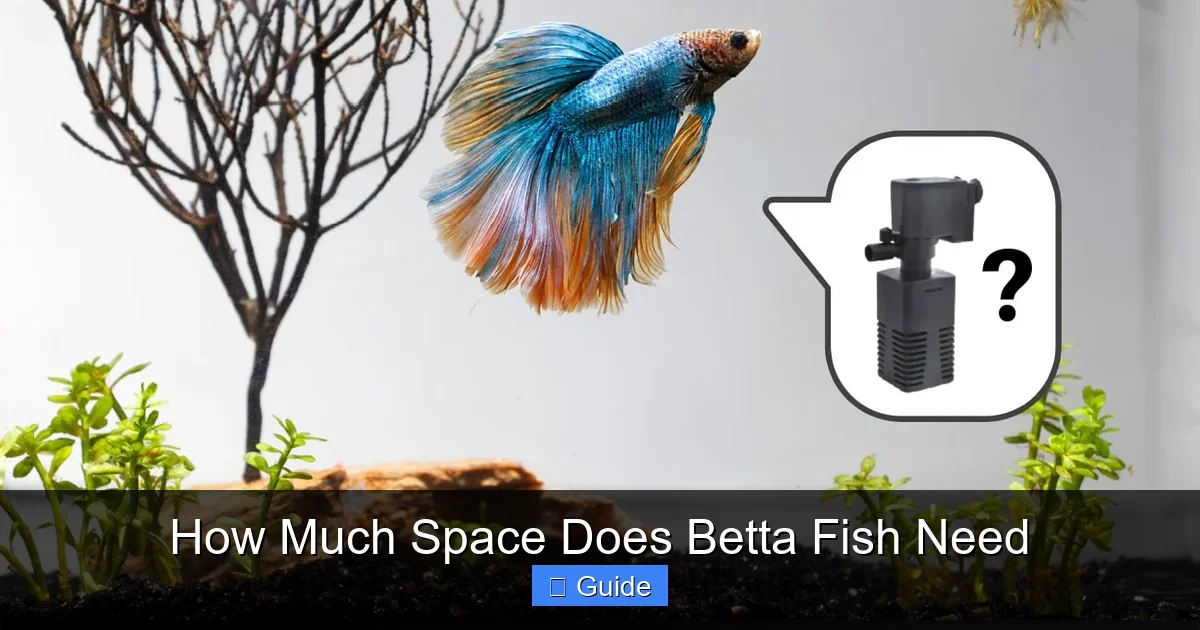
Contrary to popular belief, betta fish need significantly more space than a tiny bowl. The absolute minimum recommended tank size is 5 gallons, but a 10-gallon or larger provides a vastly better environment. This space must be accompanied by a gentle filter and a heater to maintain stable, warm water. Proper space reduces stress, boosts immunity, and allows for natural behaviors, leading to a longer, happier life for your betta.
Key Takeaways
- Minimum Standard: A single betta requires a cycled, heated tank of at least 5 gallons (19 liters). Anything smaller is considered inhumane by modern aquatic standards.
- The Bowl Myth is Deadly: Vase or bowl “habitats” lack filtration, heating, and stable water chemistry, causing chronic stress, disease, and a shortened lifespan.
- Bigger is Almost Always Better: A 10-gallon (38L) or larger tank provides more stable water parameters, more swimming space, and easier maintenance, greatly improving betta welfare.
- Filtration & Heating are Non-Negotiable: Space alone isn’t enough. A gentle, adjustable filter and a reliable aquarium heater (maintaining 78-80°F/25-27°C) are essential components of proper betta care.
- Tankmates Require Even More Space: If considering peaceful tankmates (like certain snails or shrimp), you must increase tank size to at least 10-15 gallons to provide enough territory and reduce aggression.
- Space Enables Natural Behavior: Adequate room allows for exploration, fin flaring, building bubble nests (in males), and reduces lethargy and boredom.
- Maintenance is Easier in Larger Tanks: Larger volumes of water dilute toxins (like ammonia) more effectively, meaning water changes are less frequent and critical parameters are more stable.
📑 Table of Contents
- How Much Space Does Betta Fish Need? Beyond the Decorative Bowl
- The Science of Space: Why Tank Volume is Critical for Betta Health
- What is the Absolute Minimum? Debunking the “Quart-Sized Tank”
- The Essential Trio: Space, Filtration, and Heating
- Enriching the Space: Making the Tank a Home, Not a Prison
- Community Tanks: Space Requirements Multiply
- Common Mistakes and How to Avoid Them
- Conclusion: Space is an Investment in Life
How Much Space Does Betta Fish Need? Beyond the Decorative Bowl
You’ve seen them everywhere: a solitary betta fish, often a vibrant splash of color, suspended in a tiny glass vase or a small, decorative bowl on a desk or restaurant table. It’s an iconic image, but it’s also one of the most persistent and harmful myths in the aquarium hobby. The question “how much space does betta fish need?” has a very clear, evidence-based answer that contradicts this popular imagery. Betta splendens, despite their common name “Siamese fighting fish,” are complex, intelligent creatures with specific environmental needs that cannot be met in a miniature container. This guide will thoroughly debunk the bowl myth and provide you with the definitive, science-backed requirements for giving your betta the space it truly deserves to thrive.
Understanding betta space requirements isn’t just about square inches; it’s about creating a stable, enriched ecosystem. The size of the tank influences everything: water quality, temperature stability, the betta’s stress levels, its physical activity, and even its susceptibility to disease. When we talk about “space” for a betta, we are really talking about the volume of water it lives in and the quality of that environment. Let’s dive into the details of what that ideal space looks like and why it matters so much.
The Science of Space: Why Tank Volume is Critical for Betta Health
To understand why a small bowl is a death sentence for a betta, we need to look at the basic chemistry and biology of a closed aquatic system. A fish’s waste (ammonia) is toxic. In a properly set up aquarium, beneficial bacteria convert this ammonia first to nitrite (also toxic) and then to nitrate (much less toxic). This process is called the nitrogen cycle and requires surface area—primarily from filter media, substrate, and decorations—for bacteria to colonize.
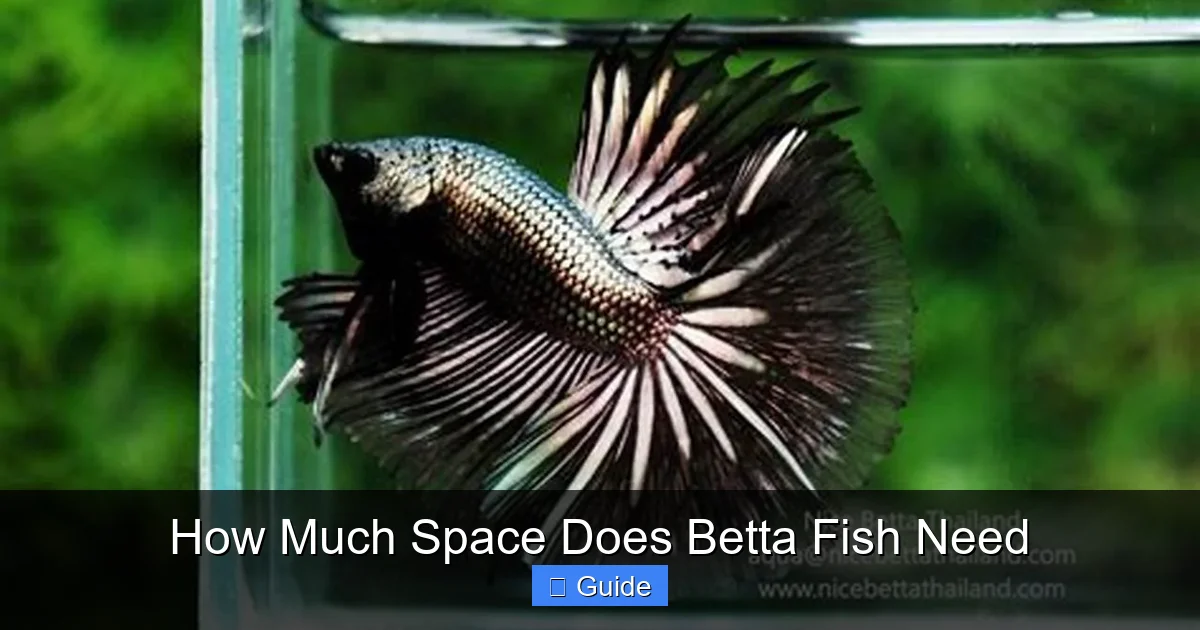
Visual guide about How Much Space Does Betta Fish Need
Image source: dsflyfishing.com
The Dilution Effect and Toxic Build-Up
In a 1-quart jar, the ammonia produced by a single betta’s waste and gill excretion skyrockets to lethal concentrations within hours. There is simply not enough water volume to dilute the toxins, and not enough surface area for enough bacteria to grow to process them. This forces you into daily, stressful 100% water changes just to keep the fish alive, and even then, parameters swing wildly. Chronic exposure to even low levels of ammonia and nitrite burns the fish’s gills, impairs oxygen uptake, suppresses the immune system, and causes immense stress.
Now, contrast that with a 5-gallon tank. The same amount of fish waste is diluted into a volume of water nearly 20 times larger. This gives the beneficial bacteria population a chance to establish itself on the extensive surface area of the filter’s sponge or media, substrate grains, and tank walls. While the tank still needs to be cycled (a 4-6 week process to grow the bacteria colony), once cycled, the system can handle the betta’s biological load much more gracefully. Water parameters remain stable between partial water changes, and the fish is not subjected to constant chemical assault. This stability is the foundation of health.
Swimming Space vs. “Treading Water”
Bettas are not naturally sedentary. In the wild, they inhabit shallow, but vast, rice paddies, slow-moving streams, and drainage ditches in Thailand. They are active explorers, hunters, and territorial observers. Confining them to a cup forces them to essentially “tread water” in the same spot constantly, as they cannot complete even a single full lap without turning around immediately. This leads to severe muscle atrophy, boredom, and frustration. A betta in a proper tank will patrol its territory, investigate plants and decorations, flare at its reflection (a natural territorial behavior), and sometimes even playfully chase a food pellet. This physical and mental stimulation is crucial for their well-being and is impossible in a tiny vessel.
What is the Absolute Minimum? Debunking the “Quart-Sized Tank”
For decades, pet stores and outdated literature claimed bettas could live in “1 quart” or “1 gallon” containers. This is unequivocally false and cruel by today’s understanding of fish welfare. The current consensus among reputable aquarists, veterinarians, and animal welfare organizations (like the Betta Fish Rescue Society and the ASPCA) is clear:
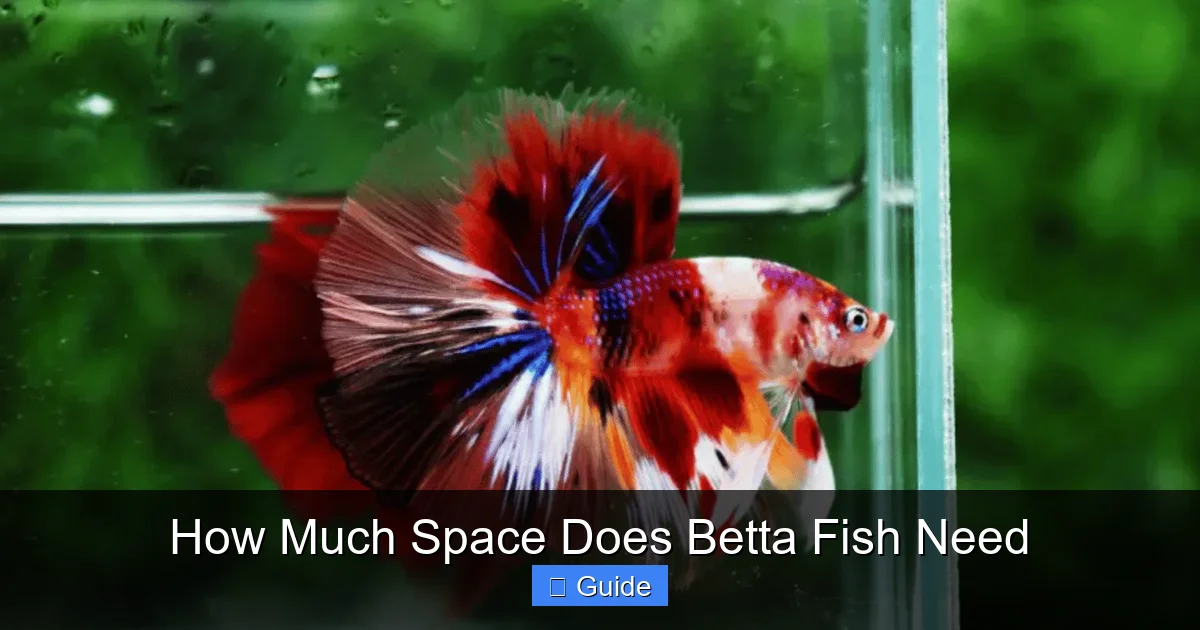
Visual guide about How Much Space Does Betta Fish Need
Image source: nicebettathailand.com
- The absolute, bare-minimum tank size for a single, uncommunity betta is 5 gallons (approximately 19 liters).
- The strongly recommended starting size is 10 gallons (38 liters) or larger.
Why 5 Gallons is the True Minimum
A 5-gallon tank is the smallest volume that can reliably support a stable nitrogen cycle, provide enough horizontal swimming space (at least 16 inches in length), and allow for basic enrichment like a few live or silk plants and a hiding spot. It provides a thermal mass that helps maintain a stable temperature when using a heater—a 5-gallon tank will cool or heat much more slowly than a 1-gallon bowl, preventing dangerous temperature shocks from room fluctuations.
However, a 5-gallon tank is a “minimum” for a reason. It offers limited wiggle room for error. Water parameters can still change quickly if you overfeed or if the filter fails. There is less space to place decor without crowding. For a beginner, a 10-gallon tank is far more forgiving. The larger volume dilutes mistakes, requires less frequent water changes (weekly 25% vs. potentially twice-weekly in a 5-gallon), and provides a more stimulating environment. The cost difference between a 5-gallon and 10-gallon starter kit is often minimal, and the benefits for the fish are immense.
The 10-Gallon Advantage: The Ideal Starter Tank
If you have the space and budget, a 10-gallon tank is the gold standard for a single betta. The extra 5 gallons make a world of difference.
- Stability: It is exponentially more stable against chemical and temperature swings.
- Scaping: You can create a more natural, beautiful aquascape with a variety of plants, driftwood, and caves without crowding.
- Exercise: The betta has a genuine swimming path, promoting better muscle tone and activity.
- Future-Proofing: If you later decide to add a peaceful snail (like a nerite) or a small group of ghost shrimp as tankmates, the 10-gallon provides the necessary extra bioload capacity and territory space.
- Maintenance Ease: A 25% water change in a 10-gallon is less of a physical shock to the system than the same percentage in a 5-gallon, and you only need to do it weekly.
The Essential Trio: Space, Filtration, and Heating
It is a critical mistake to think that “space” means just a large container of water. A large, unheated, unfiltered tank is just a large, unhealthy environment. The three pillars of betta care are inextricably linked:
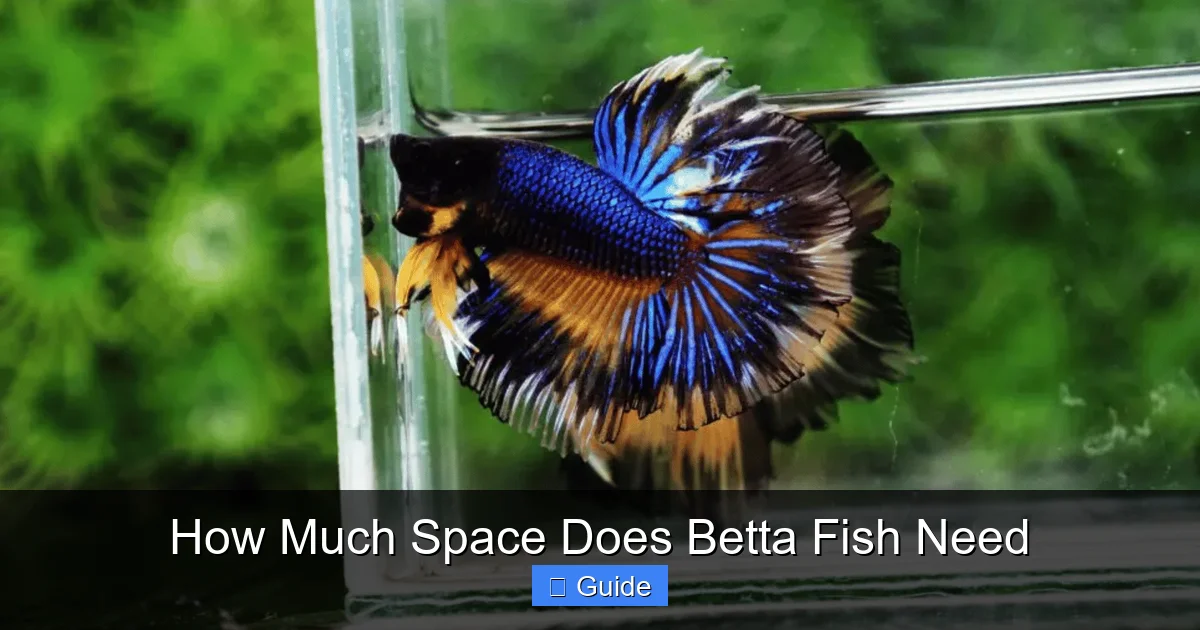
Visual guide about How Much Space Does Betta Fish Need
Image source: nicebettathailand.com
1. Heater: The Warmth of Life
Bettas are tropical fish, native to waters that consistently sit between 75°F and 86°F (24°C – 30°C). Their metabolism, immune function, and digestion depend on this warmth. An aquarium heater is not optional; it is mandatory. Room temperature is almost always too cool and fluctuates too much, especially at night. A consistent temperature of 78-80°F (25-27°C) is ideal. A small, adjustable heater (25-50 watts, depending on tank size) with a thermostat is a must. A stick-on thermometer is essential to verify the temperature. Without a heater, a betta becomes lethargic, prone to diseases like dropsy, and has a severely compromised immune system.
2. Filter: The Unsung Hero of Water Quality
Filters do two vital jobs: mechanical filtration (trapping debris) and biological filtration (harboring the beneficial bacteria we discussed). For bettas, whose long, flowing fins make them poor swimmers in strong currents, the filter must be gentle. A sponge filter (air-driven) is often the perfect choice: it provides excellent biological filtration, creates minimal current, and the sponge itself offers a great place for a betta to rest or even build a bubble nest against. Other options include hang-on-back (HOB) filters with flow adjusters or sponge pre-filters attached to the intake of more powerful filters to baffle the current. The key is that your betta should be able to swim effortlessly without being pushed around. If the current is too strong, the fish will hide, become exhausted, and may even be pushed into the tank walls, causing damage to its delicate fins.
3. Tank Size: The Foundation That Supports the Other Two
The tank size determines how effectively the heater and filter can do their jobs. A tiny tank will overheat rapidly with a heater or experience dangerous temperature swings. A tiny filter in a tiny tank will create a current that is disproportionate to the water volume. The tank size provides the dilution and stability that makes the heater and filter’s jobs manageable and effective. They are a team.
Enriching the Space: Making the Tank a Home, Not a Prison
Once you have the correct tank size (5+ gallons), heater, and filter running, it’s time to fill that space with enrichment. An empty tank is a boring tank, and a bored betta is a stressed betta. The goal is to replicate, in miniature, the complex environment they evolved in.
Plants: Safety and Stimulation
Plants are the single most important decor item. Bettas come from densely vegetated waters. Plants provide:
- Security: Hiding spots to reduce stress and feel safe.
- Resting Places: Bettas love to rest on broad leaves near the water’s surface (ideal for bubble nest building!). Use live plants like Anubias, Java Fern, or Amazon Swords, or high-quality silk plants. Avoid plastic plants with sharp edges that can tear fins.
- Visual Barriers: Break up lines of sight to reduce territorial aggression if the betta sees its reflection or a tankmate constantly.
- Natural Foraging: Live plants host microfauna (like infusoria) and make the environment dynamic.
Floating plants like Water Sprite or Duckweed (controlled) are fantastic for creating a canopy that dims the light and makes bettas feel secure.
Other Decor: Caves, Logs, and Soft Substrate
Incorporate smooth, non-abrasive caves (clay or resin), driftwood (like Malaysian or Mopani, pre-soaked), and rock formations with crevices. Ensure there are no sharp edges. A soft, fine substrate like sand or rounded gravel is kinder to the betta’s delicate fins as it rests on the bottom than sharp, jagged gravel. The decor should create a varied landscape with open swimming areas and cozy nooks.
Community Tanks: Space Requirements Multiply
A common question is, “Can I put my betta with other fish?” The answer is: sometimes, but it requires significant extra space and careful planning. Bettas are famously territorial, especially males. Introducing tankmates is not about making the betta “have a friend”; it’s about carefully selecting species that occupy different niches and are unlikely to trigger the betta’s aggression.
The “Minimum” for Community Tanks
If you are determined to try a community, you must start with a 10-gallon tank as an absolute minimum, and 15-20 gallons is much safer. In a 5-gallon, there is no room for a betta to establish a territory separate from another fish’s territory. The constant visual contact and proximity will lead to relentless stress and aggression, usually ending in injury or death.
Suitable (and Still Risky) Tankmates for a Spacious Tank
In a 10+ gallon, the following are often considered the safest *starts*:
- Snails: Nerite snails (algae eaters, won’t reproduce in freshwater), mystery/Apple snails (need extra calcium). They are slow, peaceful, and have shells for protection.
- Shrimp: Ghost shrimp, Amano shrimp, or (cautiously) Cherry shrimp. Shrimp are great cleanup crew but may be seen as a snack by a particularly food-aggressive betta. Provide lots of plant cover.
- Small, Fast, Schooling Fish: This is the most debated. Some experienced keepers have success with a large school (8-10) of peaceful, fast-moving fish like emerald green rasboras or harlequin rasboras in a 20+ gallon. The theory is that the school moves as one, avoiding the betta’s attention, and the betta is distracted by their movement. This is high-risk, requires heavy planting/hiding spots, and must be monitored closely. Never try this in under 15 gallons.
Never house bettas with fish that have long, flowing fins (like guppies, which will be mistaken for rival males) or fish that are known to nip fins (like some tetras). Always have a backup plan (a separate hospital tank) to remove a bullied or aggressive fish immediately.
Common Mistakes and How to Avoid Them
Even with a correctly sized tank, mistakes happen. Here are the most common pitfalls related to space and environment:
Overcrowding with Decor
It’s possible to have a 10-gallon tank that *feels* like a 2-gallon tank to the fish. Cramming in too many large rocks, driftwood pieces, and ornaments leaves no open swimming space. A betta needs room to swim in a straight line. A good rule is to leave at least half the tank as open water, with plants and decor used to create boundaries and hiding spots along the sides and back.
Ignoring the Cycle
Filling a new tank and adding a betta immediately is a guaranteed path to “new tank syndrome,” where toxic ammonia and nitrite spike and kill the fish. You must cycle the tank for 4-6 weeks before adding the betta. This means setting up the filter, heater, and decor, adding a source of ammonia (pure ammonia, fish food, or a bacteria starter), and testing the water with a liquid test kit (API Freshwater Master Test Kit is the industry standard) until you see ammonia and nitrite read 0 ppm and nitrate is present. This establishes the bacterial colony that will protect your fish.
Underestimating Maintenance
Larger tanks are more stable, but they are not “set and forget.” You still need to perform weekly water changes (25-50% in a 5-gallon, 25% in a 10+ gallon), clean the filter media (rinse in old tank water, never tap water!), and vacuum the substrate. Test your water parameters (ammonia, nitrite, nitrate, pH) weekly to ensure the cycle is stable. A clean tank is a healthy tank.
Conclusion: Space is an Investment in Life
So, how much space does a betta fish need? The answer is definitive: no less than 5 gallons, with 10 gallons being the truly responsible starting point. This space must be part of a complete system that includes a gentle filter and a reliable heater. Providing this proper environment is not about luxury; it is about meeting the fundamental biological and psychological needs of a living, feeling creature. A betta in a correctly sized and equipped tank will reward you with vibrant colors, active curiosity, and a personality that can shine. It will live for 3-5 years, sometimes more, instead of the 6-12 months typical of a bowl-dwelling betta. The small additional cost and space required for a proper tank is the most significant investment you can make in your betta’s health, happiness, and longevity. Ditch the bowl. Choose a tank. Give your betta the life it deserves.
Frequently Asked Questions
Can a betta fish live in a vase or bowl?
No. A vase or bowl is far too small (often less than 1 gallon), lacks filtration and heating, and cannot establish a stable nitrogen cycle. This leads to toxic water, temperature stress, and a severely shortened, painful life for the betta. It is considered inhumane by modern aquarium standards.
Is a 2.5-gallon tank big enough for a betta?
While a 2.5-gallon tank is a vast improvement over a bowl, it is still below the recommended minimum of 5 gallons. It is very difficult to maintain stable water parameters and temperature in such a small volume, and it offers minimal swimming space. It is not suitable for a beginner and is not considered a long-term, healthy habitat.
Do bettas need a filter if I have a big tank?
Yes, absolutely. Even in a large tank, a filter is essential to house the beneficial bacteria that process toxic fish waste (ammonia and nitrite). Without a filter, ammonia will build up and poison your betta. The filter must be adjusted to provide a very gentle flow, as strong currents stress bettas and damage their long fins.
Can I put a heater in a small betta tank?
You must put a heater in any betta tank, regardless of size. Bettas are tropical fish and require a consistent water temperature of 78-80°F (25-27°C). Room temperature is unreliable and usually too cool. Use a small, adjustable aquarium heater with a thermostat and always monitor the temperature with a separate thermometer.
How often should I change the water in my betta’s tank?
In a properly cycled 5-gallon tank, perform a 25-50% water change once a week. In a 10-gallon or larger tank, a 25% weekly change is usually sufficient. Never change 100% of the water at once, as this removes beneficial bacteria and shocks the fish. Always use a water conditioner to dechlorinate tap water before adding it to the tank.
Can I keep a betta with other fish in a 5-gallon tank?
No. A 5-gallon tank is only suitable for a single, solitary betta. There is absolutely no room for tankmates. Attempting to add any other animal will cause constant stress, aggression, and likely result in injury or death. For any potential tankmates, you need to start with a 10-15 gallon tank with ample hiding places and visual barriers.