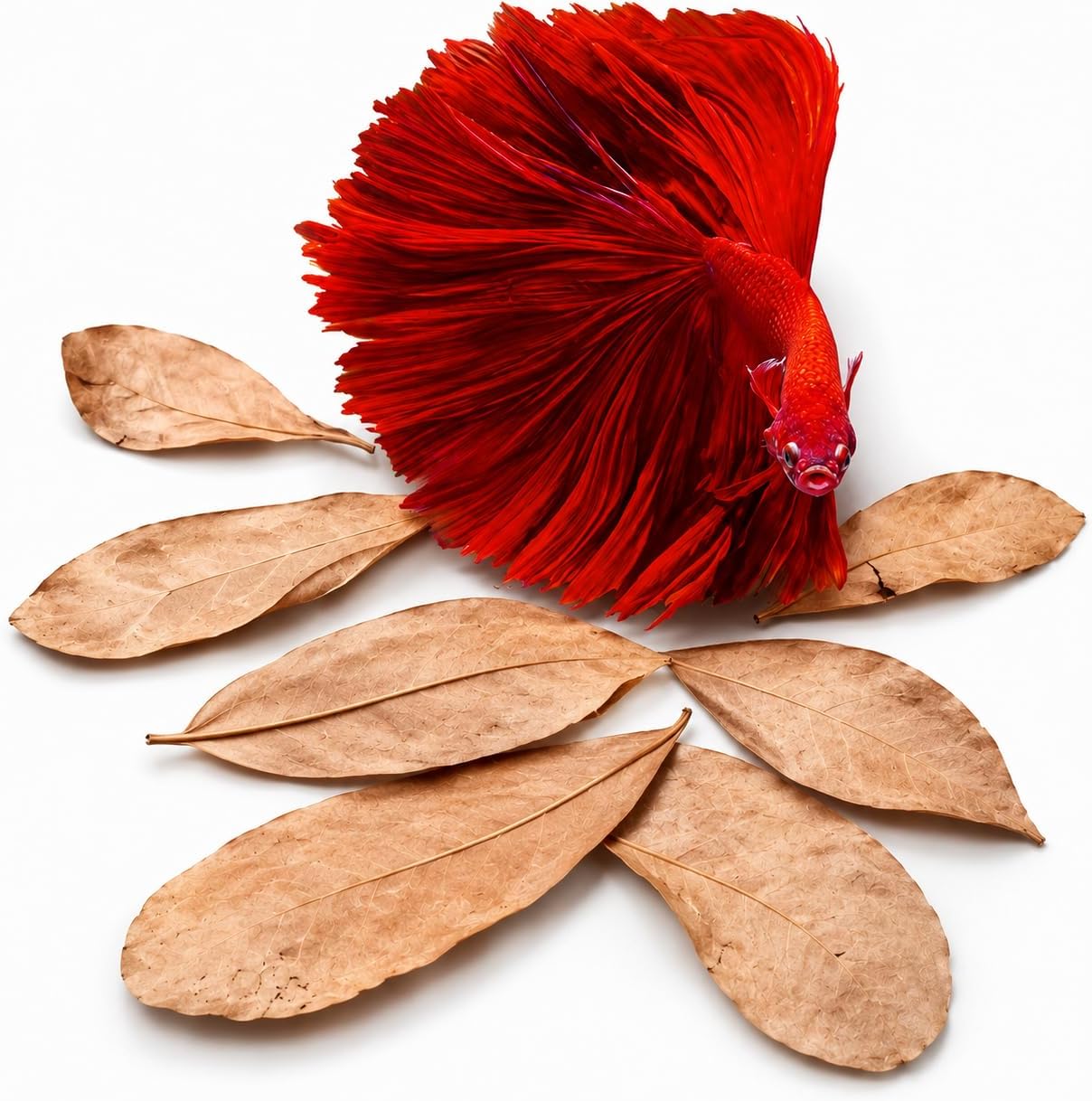
How to Transfer a Betta Fish to a Tank Safely

Transferring your betta fish to a new tank does not have to be stressful if you follow the right steps. This guide shows you exactly how to transfer a betta fish to a tank without harming your pet. You will learn about water matching, acclimation, and safe handling. With patience and care, your fish will thrive in its new home.
Key Takeaways
- Prepare the new tank first: Cycle the tank and match water parameters before moving your fish.
- Use the bag method: Float the bag to equalize temperature before opening it.
- Avoid pouring store water: Transfer the fish gently without adding old water to the new tank.
- Minimize stress: Keep lights dim and avoid sudden movements during the transfer.
- Monitor closely: Watch your betta for signs of shock or stress after the move.
- Skip the soap: Never use soap to clean a betta fish tank before setting it up.
- Consider tank size: A bigger tank offers more stable water conditions for your betta.
📑 Table of Contents
- Why Moving Your Betta Matters
- Preparing the New Tank Before the Move
- Gathering Your Supplies for the Transfer
- The Step-by-Step Transfer Process
- Common Mistakes to Avoid During Transfer
- Helping Your Betta Settle In After the Move
- Expert Tips for a Smooth Betta Transfer
- Quick Tips for Success
- Final Thoughts on Moving Your Betta
Why Moving Your Betta Matters
Moving your fish is a big deal. Betta fish are sensitive creatures. They hate sudden changes. Water temperature shocks them. Water chemistry changes stress them. If you rush the move, your fish might get sick. Some fish even die from bad transfers. That is why you need a plan. You want your betta to feel safe. You want it to swim happily in the new space.
Many people buy bettas in small cups. These cups are not homes. They are just transport boxes. Your fish deserves better. A proper tank gives more space. It gives better filtration. It gives a healthier life. But you must move the fish carefully. You cannot just dump it in. You need to match the water. You need to ease the transition. This process is called acclimation. It saves lives.
You might wonder about tank size. Can you put a betta in a big tank? Yes, you can. In fact, bigger tanks are often easier to manage. They hold stable water better. Small bowls crash fast. Big tanks stay steady. But the move still needs care. The water in the big tank must match the cup water. If the temps are different, your fish will shock. If the pH is different, your fish will stress. So, prep work is key.
Preparing the New Tank Before the Move
You must set up the tank first. Never move a fish into an empty tank. You need water. You need heat. You need filtration. You need a cycle. The nitrogen cycle is vital. It builds good bacteria. These bacteria eat fish waste. They keep the water safe. If you skip the cycle, ammonia spikes. Ammonia burns fish gills. It can kill your betta. So, cycle the tank before you move.
You also need to clean the tank properly. Can you use soap to clean a betta fish tank? No, you cannot. Soap leaves residue. Residue kills fish. Use warm water and a clean cloth. Rinse well. Make sure no soap smell remains. You can use vinegar too. But rinse it all out. The tank must be chemical-free. Your betta has sensitive gills. It breathes water. Bad chemicals hurt it fast.
Water temperature matters a lot. Betta fish like warm water. They need heat around 78 to 80 degrees. You need a heater. Check the temp with a thermometer. The new water must match the old water. If the cup water is 78 degrees, the tank water should be 78 degrees. Big temp swings cause shock. Shock weakens the immune system. Sick fish get diseases. So, match the heat. You can learn more about adding warm water safely if you need to adjust temps during setup.
Filtration is another big topic. Do betta fish have to be in a filtered tank? Not always, but a filter helps. Filters clean the water. They move the water. They help the cycle. But bettas hate strong currents. They are not strong swimmers. Pick a gentle filter. A sponge filter works well. Or a low-flow hang-on-back filter. Make sure the flow is mild. Your betta should swim easily. It should not fight the current.
Gathering Your Supplies for the Transfer
You need a few tools. Keep them ready. This makes the move smooth. You do not want to run around looking for things. Stress hurts the fish. Stress hurts you too. So, gather everything first. Here is a simple list.
- A clean bucket: Use a bucket only for fish. No soap ever.
- A net: A soft net helps catch the fish.
- A transport bag or cup: You can use the store cup or a new bag.
- A heater: Keep the water warm during the move.
- A thermometer: Check the temperature often.
- Water conditioner: This removes chlorine and chloramine.
- A siphon or cup: You need to move water gently.
You might also want a lid. Betta fish jump. They can leap out of open tanks. Can you put a lid on your betta fish tank? Yes, you should. A lid keeps the fish safe. It also keeps heat in. Use a glass lid or a plastic cover. Make sure there is some air gap. Betta fish breathe air too. They have a special organ called a labyrinth. They need surface access. So, cover the tank but leave a small opening.
Water quality is huge. You cannot just use any water. Can you use tap water in a betta fish tank? Yes, but you must treat it. Tap water has chlorine. Chlorine burns fish. It kills good bacteria too. Use a water conditioner. This neutralizes chlorine. It also helps with heavy metals. Follow the bottle directions. Add the conditioner before you move the fish. Let it sit for a few minutes. Then test the water.
Some people ask about bottled water. Can you put bottled water in a betta fish tank? Sometimes. But bottled water can lack minerals. It can also be expensive. Tap water with conditioner is usually best. Distilled water is another option. But can you put distilled water in a betta fish tank? Not alone. Distilled water has no minerals. It can swing pH fast. Mix it with tap water if you use it. Or just use treated tap water. It is simpler and safer.
The Step-by-Step Transfer Process
Now comes the move. Follow these steps closely. Take your time. Rushing causes mistakes. Mistakes hurt fish. This process works for most tanks. It is simple and safe.
Step 1: Match the Water Parameters
Check the water in the cup. Check the water in the tank. Use a test kit. Look at temperature first. They should be close. Look at pH too. They should be similar. If the tank water is very different, wait. Let the tank water settle. Adjust it slowly. Do not force a match. Slow changes are safe. Fast changes are dangerous. You want the fish to feel at home. The new water should feel like the old water.
Step 2: Float the Bag or Cup
Put the cup or bag in the tank. Let it float. This warms the cup water. It matches the tank temp. Do this for 15 to 20 minutes. Watch the fish. Keep the lid on if it is a cup. Betta fish can jump. Keep the water calm. Do not shake the cup. Gentle floating is best. This step prevents temperature shock. It is the most important step. Many people skip it. That is a big mistake.
Step 3: Mix a Little Water
After floating, open the bag. Add a little tank water to the bag. Do this slowly. Add a small amount. Wait a few minutes. Add a bit more. Do this two or three times. This helps the fish get used to the new water. It eases the pH change. It eases the chemistry change. But do not add too much. You do not want to mix old store water into your clean tank. Store water can have waste. It can have medicine. It can have bacteria. So, only add a little for acclimation. Then plan to move the fish out.
Step 4: Move the Fish Gently
Now it is time to move. Use a net or a cup. Guide the fish out. Be gentle. Do not squeeze the fish. Do not touch the fins. Betta fins are delicate. They tear easily. Place the fish into the new tank. Let it swim out on its own if possible. Some fish hide at first. That is normal. Give it space. Do not stare at it. Keep the lights low. Dim lights reduce stress. Your betta will feel safer.
Step 5: Do Not Pour the Old Water
This is a key rule. Do not pour the cup water into the tank. Many people make this mistake. They think it helps. It does not. Store water can be dirty. It can carry diseases. It can have high ammonia. Your new tank is clean. Keep it clean. Move only the fish. Leave the old water behind. You can pour the old water down the sink. Or use it on plants. But keep it out of the tank.
Step 6: Monitor the Fish Closely
Watch your betta after the move. Look for signs of stress. Clamped fins are bad. Gasping at the surface is bad. Hiding all day is okay at first. But if it lasts, check the water. Test the ammonia. Test the nitrite. Test the nitrate. Make sure the heater works. Make sure the filter runs. If the fish looks sick, act fast. You might need to do a water change. You might need to adjust the heat. Quick action saves fish.
Common Mistakes to Avoid During Transfer
People make errors. You can avoid them. Here are the top mistakes. Learn them. Skip them. Your fish will thank you.
- Moving too fast: Quick moves cause shock. Slow down. Float the bag. Match the water.
- Using soap or chemicals: Can you use soap to clean a betta fish tank? No. Soap kills. Use water only.
- Pouring store water: Old water can bring problems. Move the fish only. Keep the tank clean.
- Wrong temperature: Cold water shocks bettas. Hot water burns them. Match the heat. Use a heater.
- Strong filter flow: Betta fish hate strong currents. Pick a gentle filter. A sponge filter is great.
- Skipping the cycle: Uncycled tanks spike ammonia. This burns fish. Cycle the tank first.
- Overcrowding: Can you put two betta fish in a tank together? Usually no. Males fight. One betta per tank is best.
Another mistake is using the wrong tank size. Some think small bowls are fine. They are not. Small bowls crash fast. They get dirty fast. They stress fish. Can you put a betta in a regular fish tank? Yes. A regular tank with a filter and heater is best. A 5-gallon tank is a good start. It gives stable water. It gives room to swim. Bigger tanks are even better. Can you put a betta fish in a big tank? Yes. Big tanks are stable. They are easier to keep clean. Just make sure the fish can reach the surface. Betta fish need to breathe air.
Lighting is another point. Can you leave a betta fish tank light on? Not all the time. Fish need a day-night cycle. Keep the light on for 8 to 10 hours. Then turn it off. Fish need sleep. Constant light stresses them. Use a timer if you can. This keeps a steady rhythm. Your betta will feel more natural.
Helping Your Betta Settle In After the Move
The move is done. Now help your fish settle. The first week is key. Watch the water closely. Test it every day if you can. Ammonia can rise fast. New tanks are unstable. Do small water changes if needed. Change 10 to 20 percent of the water. Use treated tap water. Match the temperature. This keeps the water safe. It reduces stress.
Feed your betta lightly at first. Do not overfeed. Overfeeding pollutes the water. It also upsets the fish. Offer a small amount. Wait and see. If the fish eats, great. If not, wait. Stress can kill appetite. Give it time. Try again later. Betta fish can go a day without food. Do not panic if it skips a meal. Just keep the water clean.
Add some hiding spots. Plants help. Can you put lucky bamboo in a betta fish tank? Yes, lucky bamboo can work. But keep the leaves above water. The stems can rot if submerged. Live plants are better. They clean the water. They give shelter. Java fern and anubias are good choices. They are easy to grow. They do not need strong light. They help the tank feel natural. Your betta will feel secure.
You might also want to keep the tank calm. Do not tap the glass. Do not make loud noises. Fish feel vibrations. Loud sounds scare them. Keep the tank in a quiet spot. A bedroom or living room works well. Avoid high-traffic areas. Avoid spots near speakers. A calm environment helps the fish relax. Relaxed fish show better colors. They swim more. They live longer.
Some owners like to add decorations. Can you put crystals in a betta fish tank? Some crystals are safe. Others are not. Avoid sharp edges. Sharp rocks tear fins. Avoid painted rocks. Paint can leach chemicals. Use smooth stones. Use safe aquarium decor. Rinse everything before adding it. This removes dust. This keeps the water clear. Clean decor makes a happy home.
Expert Tips for a Smooth Betta Transfer
Here are some pro tips. These come from experience. They help you do it right. Use them to make the move easy.
- Use a timer for the light: This keeps a steady day-night cycle. Fish love routine.
- Keep a backup plan: Have a hospital tank ready if your fish gets sick. It is good to be prepared.
- Test water often: A simple test kit saves lives. Check ammonia and nitrite.
- Use a gentle net: Soft nets protect fins. Avoid rough mesh.
- Acclimate slowly: Time is your friend. Do not rush the float.
- Avoid tank mates at first: Can you have other fish in a betta tank? Sometimes. But wait until your betta settles. Then think about tank mates. Snails can work. Can snails go in a tank with betta fish? Yes, many snails are safe. They clean algae. They are peaceful.
- Maintain the heater: Check the heater daily. Make sure it works. Broken heaters cause temp swings.
You may also wonder about breeding. Can you breed betta fish in a 1-gallon tank? No, that is too small. Breeding needs space. It needs stable water. It needs care. A bigger tank is better for breeding. But for a regular pet betta, a 5-gallon tank is great. It is enough space. It is easy to manage. It keeps the fish healthy.
Another common question is about water changes. Can you add water to a betta fish tank? Yes, you can. You should do regular water changes. This removes waste. This keeps the water fresh. Use a siphon. Clean the gravel gently. Remove old water. Add new treated water. Match the temperature. This routine keeps your betta happy. It prevents disease. It extends life.
Finally, think about the long term. Betta fish can live several years. Good care matters. A safe transfer is the first step. After that, keep up the care. Feed well. Clean often. Test water. Watch your fish. A happy betta is a beautiful betta. It will show off its colors. It will swim with confidence. It will thrive in your home.
Quick Tips for Success
Here is a fast checklist. Use it before you move. Use it after you move. It keeps things simple.
- Cycle the tank first.
- Match the temperature.
- Float the bag for 15 minutes.
- Add a little tank water to the bag.
- Move the fish gently.
- Do not pour store water into the tank.
- Test the water after the move.
- Keep lights dim for the first day.
- Feed lightly at first.
- Watch for stress signs.
Final Thoughts on Moving Your Betta
Moving your betta is simple when you know how. You just need patience and care. Match the water. Float the bag. Move the fish gently. Keep the tank clean. Avoid soap and chemicals. Use treated tap water. Give your fish time to settle. Watch it closely. With these steps, your betta will adjust well. It will feel safe in its new home. And you will enjoy watching it swim. A safe transfer is the start of a great journey. Your betta deserves a good life. You can give it that life. Just follow the steps. Stay calm. Take your time. Your fish will be fine.
Frequently Asked Questions
How long should I float the bag before releasing my betta fish?
Float the bag for 15 to 20 minutes. This equalizes the temperature between the bag and the tank. It helps prevent thermal shock during the transfer.
Can I pour the water from the pet store cup into the new tank?
No, you should not pour store water into your tank. Store water can contain waste, medicine, or harmful bacteria. Move only the fish and leave the old water behind.
Do I need to cycle the tank before moving my betta fish?
Yes, cycling the tank is very important. A cycled tank has beneficial bacteria that process fish waste. Moving a fish into an uncycled tank can cause dangerous ammonia spikes.
What temperature should the new tank be for my betta fish?
The new tank should be between 78 and 80 degrees Fahrenheit. Match the temperature of the new tank to the water in the transport cup. This reduces stress and shock.
Can I use tap water in my betta fish tank after the transfer?
Yes, you can use tap water if you treat it first. Tap water contains chlorine that harms fish. Use a water conditioner to neutralize chlorine before adding water to the tank.
How do I know if my betta fish is stressed after the move?
Signs of stress include clamped fins, gasping at the surface, and hiding all day. Test the water parameters if you see these signs. Dim the lights and keep the tank quiet to help your fish relax.