How Much Is a Betta Fish
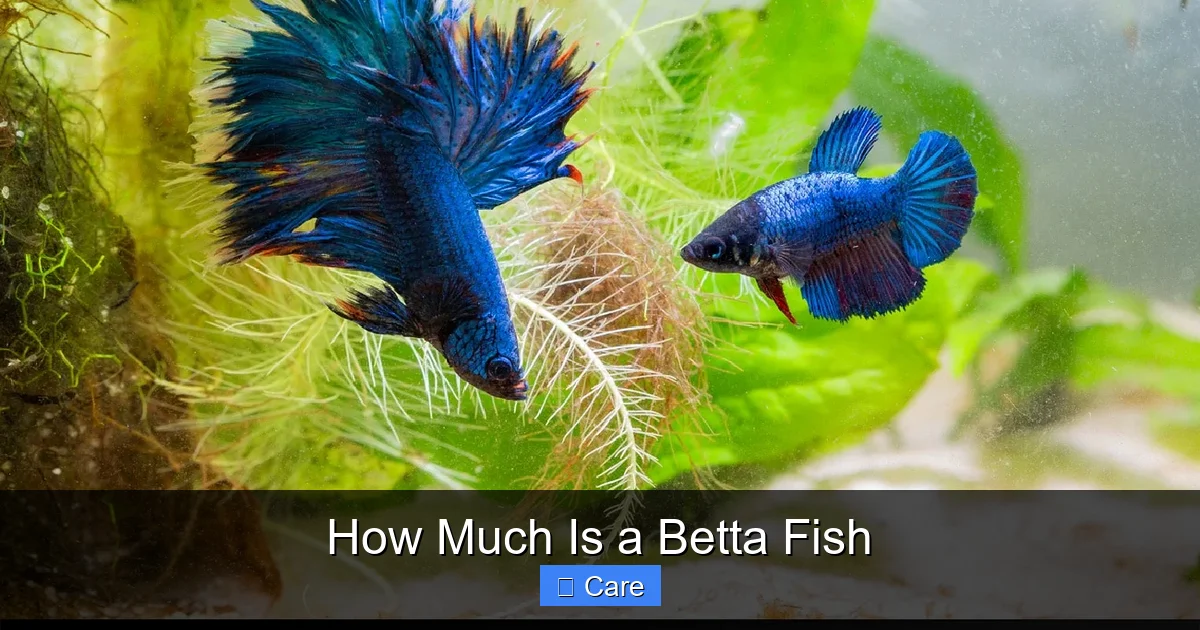
Thinking about a betta fish? The initial purchase price is just the beginning. While a basic betta can cost as little as $5, a proper tank setup with a filter, heater, and decorations typically runs $100-$250. The real expense is ongoing care, including quality food, water conditioners, and electricity, which can add $10-$20 monthly. Understanding these costs upfront is crucial for providing a healthy, thriving environment for your new pet.
Key Takeaways
- The purchase price is the smallest part of the budget: A common betta fish may cost $3-$10, but a suitable habitat and equipment are the major upfront investments.
- A “bowl” is not a tank: The single biggest mistake new owners make is using a tiny, unheated bowl. A proper 5-gallon tank with a filter and heater is the absolute minimum for betta health.
- Ongoing monthly costs are predictable and necessary: Beyond food, you must budget for water conditioners, filter media, and the electricity to run the heater and filter.
- High-quality, varied food is non-negotiable: Pellets alone are insufficient. A diet including frozen or live foods like brine shrimp is essential for long-term vitality and color.
- Rare and fancy bettas command premium prices: From halfmoon plakats to vibrant koi patterns, specialized varieties from breeders can cost $50 to over $200.
- Where you buy dramatically affects price and fish health: Big-box stores are cheap but often have poor stock. Reputable local shops or online breeders cost more but provide healthier, hardier fish.
- The true cost is a commitment to welfare: Spending more initially on a proper setup and quality fish prevents costly vet bills, stress, and a short lifespan, making it the most economical choice long-term.
📑 Table of Contents
- The Allure and the Reality of Betta Fish Costs
- Part 1: The Fish Itself – Purchase Price Variations
- Part 2: The Essential Habitat – The REAL First Cost
- Part 3: The Ongoing Monthly & Annual Costs
- Part 4: Premium & Rare Varieties – The Collector’s Market
- Part 5: The Responsible Buyer’s Checklist – Where to Buy & What to Look For
- Conclusion: The True Investment in a Life
The Allure and the Reality of Betta Fish Costs
So, you’re wondering how much is a betta fish? It’s a fantastic question, and the answer is far more complex than a simple price tag. That stunning, flashy fish staring back at you from the cup at the store might be listed for $4.99, but that number is a siren song, leading many new owners into a tragic misunderstanding of what it truly costs to keep a betta healthy and happy. The real answer to “how much is a betta fish?” is a story of two prices: the purchase price and the care price. And the care price will always, always be higher. This guide will walk you through every single expense, from the moment you bring your new friend home to the decade of joy you can share, ensuring you go in with your eyes wide open and your wallet prepared.
Let’s be clear from the start: Bettas (Betta splendens) are not disposable pets. They are intelligent, curious, and surprisingly complex creatures with a lifespan of 3-5 years, often longer with exceptional care. The myth of the “easy bowl fish” has done untold damage to this species. When you ask “how much is a betta fish,” you’re not asking about a product. You’re asking about the financial commitment to a living being. We’ll break it down into clear categories: the fish itself, the essential habitat, the ongoing monthly supplies, and the potential for premium varieties. By the end, you’ll have a complete financial picture.
Part 1: The Fish Itself – Purchase Price Variations
This is the number most people fixate on, and it has the widest range of any cost factor. The price of the betta fish is determined almost entirely by its type, color, finnage, and where you buy it. Think of it like buying a car: a used compact sedan and a brand-new luxury SUV serve the same basic function (transportation), but their cost, performance, and pedigree are worlds apart.
Visual guide about How Much Is a Betta Fish
Image source: buildyouraquarium.com
Common Store-Bought Bettas ($3 – $12)
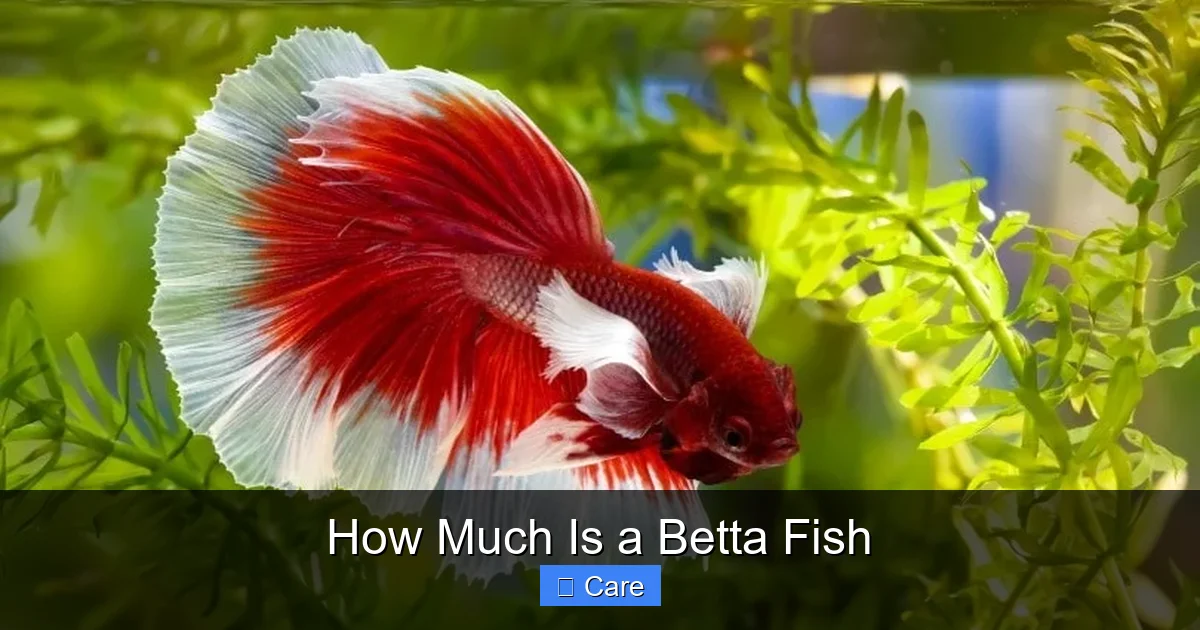
This is the price point most beginners encounter. Large pet store chains and even some big-box retailers often sell bettas in small cups. These are typically young males, bred in large quantities for color and finnage that looks good in a small container. Their genetics are often not prioritized for hardiness or longevity. You’ll find classic colors like solid red, blue, or veiltail (long, flowing tail) types here. The low price reflects mass production and the unfortunate reality that many of these fish have already endured significant stress and poor water quality before you even see them. While you can find a healthy individual here, you must be a very discerning buyer, inspecting for clamped fins, torn edges, lethargy, or fuzz (fungus). The risk of bringing home a sick fish is higher.
Local Fish Store (LFS) Bettas ($8 – $25)
This is the sweet spot for value and health. A reputable local fish store that specializes in aquatic life will almost always have a better betta selection. These stores often source from smaller, more responsible breeders or import higher-quality stock. The fish are usually kept in better conditions—often in heated, filtered systems or at least in clean, spacious containers with regular water changes. You’ll find a wider variety of fin types (like halfmoon, double tail, crown tail) and colors. The staff is also a priceless resource; they can tell you about the fish’s personality, how long it’s been at the store, and give specific care advice. Paying $15 for a betta from a caring LFS is one of the best investments you can make.
Online Breeder & Show-Quality Bettas ($25 – $200+)
Welcome to the top tier. Here, you’re not just buying a pet; you’re buying a piece of aquatic art, often with a documented lineage. Online breeders who focus on bettas selectively breed for specific, dramatic traits. We’re talking about:
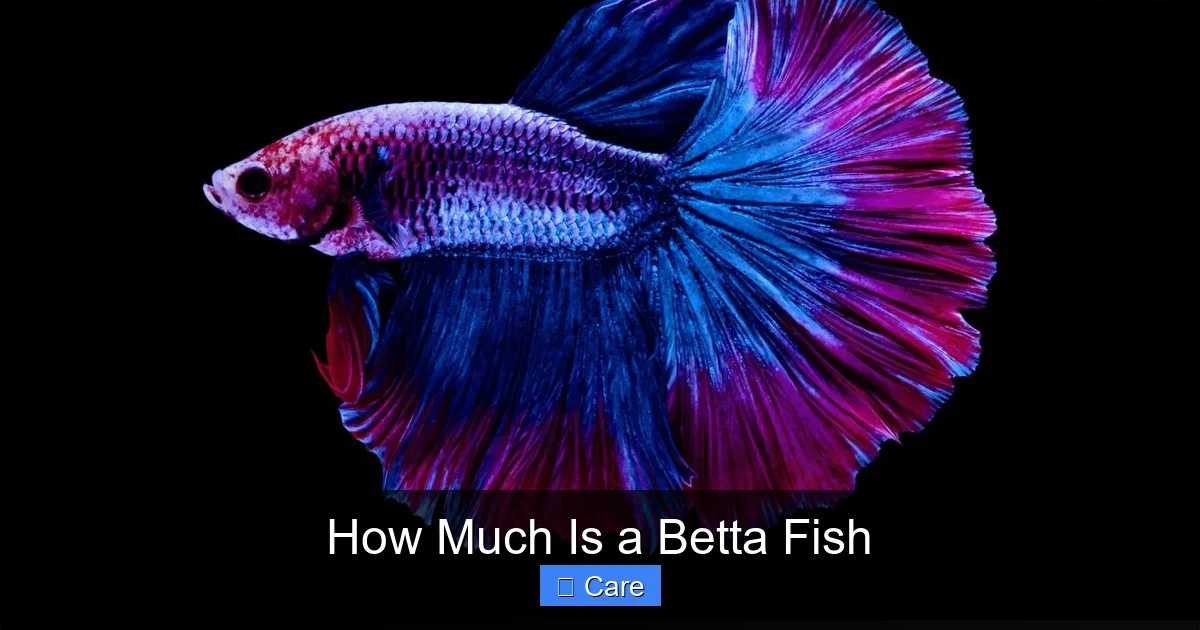
- Halfmoon (HM): The holy grail for many, with a 180-degree tail spread.
- Plakat (PK): A short, powerful, active fin type that is often hardier and more aggressive.
- Dragon Scale: Iridescent, metallic-looking scales that look like armor.
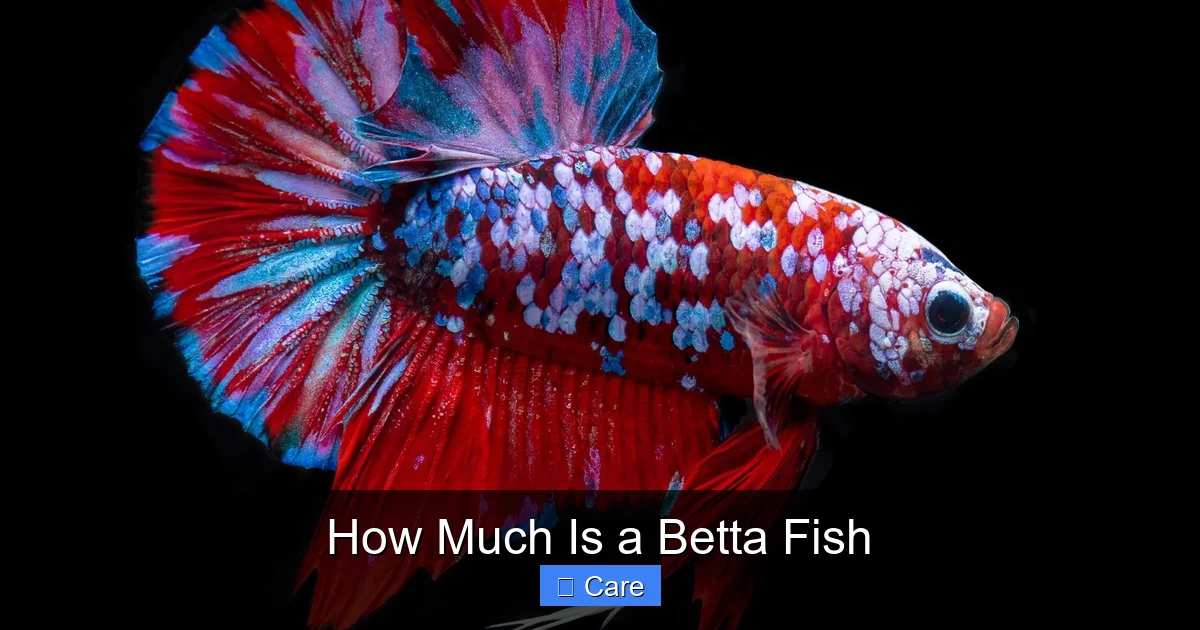
- Koi / Marble: Fish with patterns that change over time, resembling the famous Japanese fish.
- Galaxy Koi / Nemo: Extremely vibrant, multi-colored patterns with high contrast.
A young, high-quality halfmoon from a top breeder might start at $50. A proven, adult show fish with perfect symmetry and color can easily surpass $150, with some rare specimens selling for $300 or more. The price includes meticulous care, quarantine, and shipping in climate-controlled, insulated packaging. This is where the “how much is a betta fish” question has no upper bound for enthusiasts.
Part 2: The Essential Habitat – The REAL First Cost
Let’s be brutally honest: if you are planning to put your new betta in a vase, a “betta bowl,” or a one-gallon “nano tank,” you are setting yourself and the fish up for failure. The single most important answer to “how much is a betta fish” is this: The cost of a proper tank and equipment is non-negotiable and will dwarf the cost of the fish itself. A betta needs space, stable warm water, and clean conditions. Here’s what you absolutely must budget for.
Visual guide about How Much Is a Betta Fish
Image source: articles.hepper.com
The Tank: Size Matters Immensely
The absolute, bare minimum is a 5-gallon (19-liter) tank. This is not up for debate. A 10-gallon (38-liter) tank is even better and provides more stable water parameters. Why so big? Because bettas are intelligent and active. They need space to explore, flare at their reflection, and establish a territory. Small volumes of water heat and cool erratically, and toxins build up incredibly fast, causing constant stress that shortens lifespan. A 5-gallon glass or acrylic tank kit can cost anywhere from $40 to $100. You can often find sales on starter kits that include a filter and lid.
The Heater: No Compromise
Bettas are tropical fish from the warm, shallow waters of Thailand. They require water temperatures between 78°F and 80°F (25.5°C – 26.5°C). Room temperature is almost never sufficient. A small, adjustable submersible aquarium heater is essential. For a 5-gallon tank, a 25-watt heater is perfect. A reliable brand like Aqueon, Fluval, or Eheim will cost $15 to $30. Do not buy a cheap, unadjustable preset heater; they are notoriously inaccurate and can cook your fish or fail to heat properly.
The Filter: Gentle but Effective
Water movement is crucial for biological filtration (the good bacteria that eat fish waste), but a betta’s long, flowing fins are easily damaged by strong currents. You need a filter that provides gentle flow. Excellent options include:
- Sponge Filter: The gold standard for bettas. It provides superb biological filtration with zero current. Requires an air pump. Total cost: $10-$25.
- Hang-On-Back (HOB) Filter with Flow Control: Many modern HOB filters have an adjustable baffle to reduce flow. A small one for a 5-gallon tank costs $20-$40.
- Internal Power Filter: A compact unit that sits inside the tank. Look for ones with a spray bar or output you can direct. Cost: $15-$35.
Factor in replacement filter media (sponges, cartridges) as an ongoing cost.
Substrate, Décor, and Plants
This is where you can spend as much or as little as you like, but it’s more than just aesthetics. A bare tank floor is stressful. Bettas like to rest on broad leaves near the surface. A smooth, fine-grained substrate like sand or rounded gravel is best (sharp edges can damage their delicate fins). Expect $10-$30 for a bag. For décor, provide hiding spots (ceramic caves, PVC pipes) and, most importantly, resting spots. A live or silk plant with a broad leaf, or a purpose-made “betta leaf” hammock, is essential. These cost $5-$15. Live plants (like Anubias, Java Fern) are fantastic for water quality but require basic lighting; a simple clip-on LED light adds $20-$50.
The Initial Setup Total
Let’s add up a responsible, mid-range setup for a 5-gallon tank:
- Tank (with lid & light): $60
- Heater (25W): $25
- Sponge Filter + Air Pump: $25
- Substrate (sand): $15
- Decor (cave, 2 silk plants, hammock): $25
- Water Dechlorinator (bottle): $8
- Test Kit (liquid, for ammonia/nitrite/nitrate/pH): $25
- Subtotal (Habitat Only): ~$183
This $183 habitat cost is before you even look at the $5 betta fish you planned to buy. This is the critical number everyone needs to understand.
Part 3: The Ongoing Monthly & Annual Costs
Owning a betta is not a one-time purchase. It’s a recurring commitment with predictable costs. Think of this as your betta’s “maintenance budget.”
Visual guide about How Much Is a Betta Fish
Image source: acaquarium.com
Food: Quality Over Quantity
This is not an area to cheap out. High-quality pellets formulated for carnivorous bettas should be the staple. A good container (like New Life Spectrum or Hikari Betta Bio-Gold) costs $8-$15 and lasts several months for one fish. But pellets alone are a poor diet. You must supplement with protein-rich foods 2-3 times a week. The best options are:
- Frozen Foods: Brine shrimp, bloodworms, daphnia. A small cube pack is $3-$6 and lasts for many feedings (you break off a tiny piece).
- Freeze-Dried Foods: A good alternative to frozen, easier to store. A jar is $10-$15.
Monthly food cost is negligible—well under $2—if you buy quality items in bulk. The key is the upfront purchase of these varied foods.
Water Changes & Treatment
In a properly cycled 5-gallon tank with a filter, you should perform a 25-50% water change weekly. This means you need a source of water that is free of chlorine and chloramines. A water dechlorinator (also called a water conditioner) is a must. A bottle that treats hundreds of gallons costs $8-$15 and will last a year or more. Some owners also use products like Seachem Prime (a concentrated conditioner) or Stability (to boost beneficial bacteria). These add a few dollars a month. Your main “cost” here is time, not money.
Filter Maintenance
You never want to replace all your filter media at once, as it house the vital cycle bacteria. For a sponge filter, you simply rinse the sponge in old tank water (not tap water!) during a water change. It lasts for years. For cartridge filters, you’ll replace the carbon or foam cartridge every 4-8 weeks. A pack of two might cost $10. Annual cost: $20-$30.
Utilities: The Hidden Cost
Don’t forget the electricity! A 25-watt heater runs 24/7. A small air pump for a sponge filter runs 24/7. A small LED light might run 8-10 hours a day. Calculating this exactly depends on your local kWh rate, but as a rough estimate:
- Heater (25W): ~0.6 kWh/day
- Air Pump (3W): ~0.07 kWh/day
- LED Light (5W for 10 hrs): ~0.05 kWh/day
- Total: ~0.72 kWh/day or ~22 kWh/month.
At an average US rate of $0.15/kWh, that’s about $3.30 per month added to your electric bill. It’s not huge, but it’s a real, ongoing cost of ownership.
Potential Veterinary Costs
This is the wild card. Bettas can get fin rot from poor water, pop-eye from internal infections, or constipation from overfeeding. Basic fish medications (like Methylene Blue, Kanamycin) can be purchased online or at LFS for $10-$25. For a persistent or severe issue, finding a vet who treats fish is challenging and expensive. A consultation can be $50-$100+. This is why prevention through proper tank setup and maintenance is the most cost-effective strategy.
Part 4: Premium & Rare Varieties – The Collector’s Market
We touched on this in the purchase section, but it deserves its own deep dive. For many, the question “how much is a betta fish” transforms from a practical query into an exploration of a fascinating hobby. The prices for the most exceptional bettas can be staggeringly high, rivaling those of purebred dogs or high-end ornamental fish.
What Drives the Price?
It’s a combination of genetics, aesthetics, and breeder reputation.
- Perfect Form: For halfmoons, a 180-degree tail spread with no tears or kinks is paramount. A fish with perfect symmetry and form is priced much higher.
- Color Intensity & Pattern: Solid, deep colors (like a true royal blue or vibrant red) are prized. But multi-colored patterns like “koi” (with white, red, and black patches) or “galaxy” (iridescent scales with a butterfly-like pattern) are where prices skyrocket. The more defined and contrasting the pattern, the higher the cost.
- Finnage: A huge, full, symmetrical halfmoon tail is the ideal. Other types like the “rosetail” (with overlapping tail rays creating a rose-like effect) or “feathertail” are also highly sought after but can be more delicate.
- Breeder Lineage: Fish from a champion bloodline, with awards from betta shows, carry a premium. You’re paying for proven genetics.
Where to Find & Buy These Premium Fish
You will not find these at the local pet store. The avenues are:
- Specialized Online Breeders: Websites like Aquabid, or breeders’ own sites (e.g., Thailand Betta Splendens, Betta4U). They have detailed photos, videos, and shipping policies. Expect to pay $50-$200+.
- Betta Shows & Auctions: The competitive betta world has a circuit of shows. Top fish are auctioned. This is where the highest prices are seen.
- High-End Local Fish Stores: Some exceptional local shops act as dealers for top breeders, importing fish directly from Thailand or the US. Prices reflect the curation and quality.
Important Note: Shipping a live betta is an art. Reputable breeders use heat packs, insulated boxes, and ship early in the week to avoid weekend delays. The shipping cost itself can be $30-$60 for overnight delivery. This is part of the total price you must consider.
Part 5: The Responsible Buyer’s Checklist – Where to Buy & What to Look For
Now that you know the full financial scope, where you choose to spend your money is the most important ethical decision you’ll make. The cheapest betta is often the most expensive in the long run due to health problems and a shortened life.
Red Flags at Big-Box Stores
You’ve seen them: rows of bettas in tiny, dirty cups with cold water. While some chains have improved, conditions are often terrible. Avoid if you see:
- Water that is cloudy, green, or full of debris.
- Fish floating listlessly at the top or bottom, or “glass surfing” (rubbing against the cup).
- Clamped fins (held tightly against the body), faded colors, or torn/frayed fins.
- Visible fuzz (fungus), white spots (ich), or bulging eyes (pop-eye).
- No heater in the betta display unit.
Even if you find a seemingly healthy one, the stress of that environment compromises its immune system. The low price ($3-$6) comes with a high risk factor.
The Gold Standard: Reputable Local Fish Stores & Online Breeders
This is where your money does the most good and gives you the best chance at a healthy, long-lived companion.
- At a Good LFS: The bettas should be in clean, individual containers (at least 1-2 quarts each) with clean water. Many stores now keep them in heated, filtered systems. The staff should know basic betta care and be able to answer your questions. The fish should be active, responsive to you, and have full, undamaged fins. Prices reflect this care ($10-$30).
- From an Online Breeder: You are buying from a specialist. Their website will have detailed information on their breeding philosophy, fish lineage, and care requirements. They will have clear shipping guarantees (e.g., “DOA” – Dead on Arrival refunds or replacements). Photos and videos will be high-quality, showing the fish from multiple angles, flaring. The price includes the expertise, quarantine process, and professional packaging ($40-$200+).
Asking the Right Questions
When you buy, don’t be shy. Ask:
- “How long has this fish been here?” (A fish that just arrived is more stressed).
- “What do you feed them?” (A good answer includes high-quality pellets and frozen foods).
- “Can you tell me about its personality?” (Some bettas are more active or aggressive).
- “What’s your return or health guarantee policy?”
A seller who cares will have thoughtful answers. This is part of the value you’re paying for.
Conclusion: The True Investment in a Life
So, how much is a betta fish? The final tally depends entirely on your choices. You could, in theory, spend $15 total: a $5 fish, a $10 “bowl,” and some cheap food. This path leads to suffering, a likely early death, and a waste of your money and the fish’s life. Alternatively, you can make a responsible investment of $250-$400 upfront for a quality 10-gallon setup with a heater, filter, proper décor, and a healthy fish from a good source, followed by $10-$20 monthly for food, utilities, and supplies. This path leads to a vibrant, interactive pet that will greet you at the tank glass, perform flaring displays, and live a full, healthy 4-5+ years.
The question isn’t just about dollars and cents. It’s about value. The value of a life free from the misery of cold, dirty water. The value of seeing your betta, with its glorious fins, building a bubble nest or resting peacefully on a broad-leafed plant. The value of being a responsible pet owner. When you look at the total cost of responsible betta ownership, you’re not just buying equipment. You’re buying peace of mind, the joy of proper pet care, and the profound satisfaction of providing a good life. Your betta’s health and happiness are worth every single penny of that investment.
Frequently Asked Questions
What is the cheapest way to set up a healthy betta tank?
The most cost-effective healthy setup uses a 5-gallon glass tank kit (often on sale), a basic sponge filter with an air pump, a reliable 25W adjustable heater, and a bag of sand substrate. Add a silk plant and a ceramic cave for hiding. This avoids the recurring cost of expensive cartridge filters and provides excellent, gentle filtration.
Is a 2.5-gallon tank okay for a betta?
A 2.5-gallon tank is a significant improvement over a bowl, but it is still below the recommended minimum. Water parameters change too quickly in such a small volume, making it harder to maintain a stable, healthy environment. A 5-gallon tank is the widely accepted minimum for a betta’s long-term well-being and is easier to care for.
Do bettas really need a heater if my room is warm?
Almost certainly, yes. Room temperature can fluctuate significantly, especially at night and with seasonal changes. A drop below 76°F can severely weaken a betta’s immune system and slow its metabolism. A heater provides the consistent, stable temperature (78-80°F) that is crucial for digestion, activity, and disease prevention.
How much does it cost to keep a betta fish per month?
After the initial setup, the recurring monthly costs are very low. High-quality food (pellets + frozen) averages less than $2 per month. Water conditioner and occasional filter media add another $1-$3. The major monthly cost is the electricity for the heater and filter, estimated at $2-$5 depending on your local rates. So, plan on roughly $5-$10 per month for a single betta.
Are expensive “fancy” bettas harder to care for?
Not necessarily. The care requirements (tank size, water temperature, clean water) are identical for all Betta splendens. However, some fancy varieties with extremely large, flowing fins (like some rosetails) can be slightly more prone to fin damage or tearing and may be weaker swimmers. They may also have been selectively bred for looks over hardiness, so a reputable breeder who also selects for health is key. The basic husbandry is the same.
Can I keep a betta with other fish to save money on tank size?
No. This is a dangerous myth. While some bettas can live with specific, peaceful tank mates (like certain rasboras or Kuhli loaches) in a properly sized, heavily planted 10+ gallon tank, it is not a “money-saving” strategy. You are adding more fish, which increases bioload, requires more filtration, and complicates water chemistry. The betta’s tank must be large enough for all inhabitants. It is always more expensive and complex than keeping a betta as a sole occupant in a properly sized tank. For a beginner, a species-only tank is the most cost-effective and safest choice.