Why Is My Betta Fish So Bloated
Seeing your betta fish look swollen can be scary, but it’s often a sign of a treatable problem. This guide explains the main causes—from constipation to infection—offers quick checks, and provides easy home remedies to help your finned friend feel better again.
Key Takeaways
- Swelling isn’t always fatal: Many cases are caused by diet or water issues that you can fix fast.
- Check the belly, not just the fins: Look for a hard, distended abdomen, bulging eyes, or unusual swimming.
- Common culprits: Over‑feeding, constipation, bacterial infection, parasites, and poor water quality.
- Quick home treatment: Fasting, adding pea puree, and performing a gentle water change can often reverse the problem.
- When to act fast: If the fish is lethargic, has red inflamed spots, or refuses to eat after 48 hours, seek veterinary help.
- Prevention is key: Regular tank maintenance, a balanced diet, and monitoring behavior keep bloating at bay.
- Helpful resources: Related articles on swimming issues, water clarity, and sudden death give a fuller picture of betta health.
📑 Table of Contents
- Introduction: A Bloated Betta Can Be a Cry for Help
- 1. Understanding the Anatomy: What Does “Bloated” Really Mean?
- 2. Top Reasons Why Is My Betta Fish So Bloated?
- 3. Quick Diagnostic Checklist
- 4. Immediate Home Remedies
- 5. Long‑Term Prevention Strategies
- 6. When to Call a Vet or Professional
- Conclusion: Act Quickly, Stay Calm
Introduction: A Bloated Betta Can Be a Cry for Help
Imagine you’re watching your bright‑red betta glide across the water, and suddenly its belly looks like a tiny beach ball. Your first thought is, “Why is my betta fish so bloated?” It’s a common worry among hobbyists, especially those who are new to the hobby.
This article walks you through everything you need to know—what’s causing the swelling, how to spot the warning signs, and step‑by‑step fixes you can try at home. By the end, you’ll feel confident that you can act quickly and keep your betta thriving.
1. Understanding the Anatomy: What Does “Bloated” Really Mean?
The belly vs. the body
A healthy betta has a smooth, streamlined silhouette. When we say “bloated,” we usually mean the abdomen is swollen, firm, or distended. The swelling can be:
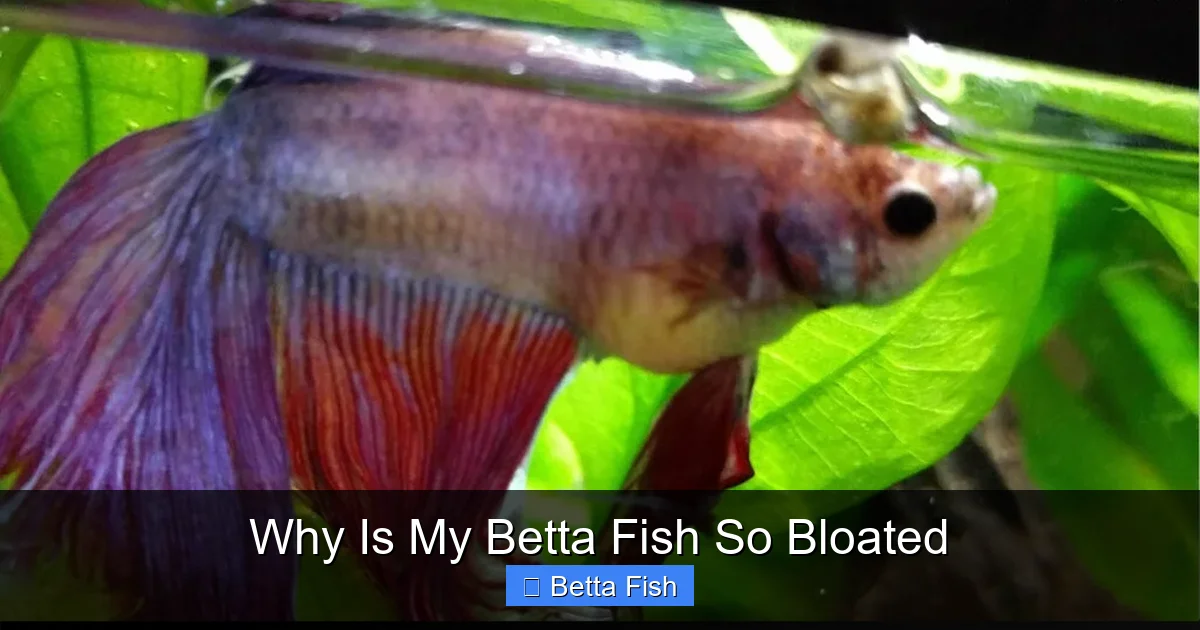
Visual guide about Why Is My Betta Fish So Bloated
Image source: buildyouraquarium.com
- Localized: A specific area, often the gut.
- Generalized: The whole body looks puffier, sometimes with bulging eyes.
Why the difference matters
Localized swelling often points to digestive problems, while generalized swelling can indicate systemic infections or organ failure. Knowing the type helps you narrow down the cause.
2. Top Reasons Why Is My Betta Fish So Bloated?
2.1 Over‑feeding and Constipation
Betta fish love food, and many owners give them more than they need. Uneaten pellets settle at the bottom, and a full stomach can’t pass waste quickly, leading to a hard, bloated belly. Constipation is the #1 cause of temporary swelling.
2.2 Bacterial or Parasitic Infections
Pathogens such as Aeromonas or Ichthyophthirius can cause fluid buildup (ascites) inside the body cavity. Infected fish often show red streaks, loss of appetite, and a “puffy” appearance.
2.3 Dropsy (Fluid Retention)
Dropsy is a serious condition where the kidneys fail and fluid leaks into the body cavity. The skin may look like a “pineapple” with raised scales. This is an emergency and usually requires medication from a vet.
2.4 Swim Bladder Disorder
The swim bladder helps a betta maintain its depth. If it’s damaged or infected, the fish may float oddly and appear swollen because the belly is pushed forward.
2.5 Poor Water Quality
High ammonia, nitrite, or nitrate levels stress the fish’s internal organs, leading to swelling. Cloudy water, strong odors, or a sudden temperature shift are red flags.
2.6 Internal Tumors or Organ Issues
Rare, but possible. Tumors can cause a gradual, persistent bloating that doesn’t improve with diet changes.
3. Quick Diagnostic Checklist
Step‑by‑step visual exam
- Look at the belly: Is it hard or soft?
- Check the eyes: Are they bulging or cloudy?
- Observe swimming: Is the fish floating sideways or upside‑down?
- Note behavior: Is it lethargic or still chasing its reflection?
- Smell the water: Any foul, sour odor?
When to use a magnifying glass
If you see white patches on the scales, consider Why Is My Betta Fish Turning White. White spots can accompany bacterial infections that also cause bloating.
4. Immediate Home Remedies
4.1 Fasting for 24–48 Hours
Stop feeding your betta for one to two days. This gives the gut a chance to clear out. Keep the water clean during this period.
4.2 Pea Puree Treatment
Cook a green pea, mash it into a smooth paste, and offer a tiny spoonful. The fiber helps move the blockage. Watch closely; most bettas will gulp it down within minutes.
4.3 Gentle Water Change
Swap out 25‑30 % of the tank water with fresh, dechlorinated water at the same temperature. This reduces ammonia and stress.
4.4 Adding a Salt Bath (Optional)
For mild bacterial issues, dissolve 1 gram of aquarium salt per gallon and soak the fish for 30 minutes. Do not use this method for egg‑laying females or if you have a planted tank.
4.5 Monitor and Record
Write down the date, water parameters, and any changes you make. This log helps you see what works and spot patterns.
5. Long‑Term Prevention Strategies
5.1 Balanced Diet
Feed high‑quality betta pellets or frozen foods once or twice a day, only as much as they can eat in two minutes. Rotate protein sources to avoid constipation.
5.2 Regular Water Testing
Test ammonia, nitrite, and nitrate weekly. Keep ammonia at 0 ppm, nitrite <0.25 ppm, and nitrate below 20 ppm.
5.3 Proper Tank Size and Filtration
Even though bettas can survive in small bowls, a 5‑gallon tank with a gentle filter improves water stability and reduces disease risk. Read more about Why Are Betta Fish Tanks So Small for sizing tips.
5.4 Observe Behavior Daily
Spend a few minutes each day watching your fish. Early detection of odd swimming or loss of appetite can prevent a full‑blown emergency.
5.5 Quarantine New Arrivals
If you add another fish, keep it in a separate quarantine tank for at least two weeks. This stops hidden parasites from spreading and causing bloating.
6. When to Call a Vet or Professional
If after 48 hours of fasting, pea treatment, and a water change your betta is still swollen, shows red streaks, has a “pineapple” skin texture, or is barely moving, it’s time to seek professional help. A vet can prescribe antibiotics or anti‑parasitic medication.
Also, if you notice sudden death after bloating, see Why Did My Betta Fish Die So Fast for clues on rapid decline.
Conclusion: Act Quickly, Stay Calm
Seeing a swollen betta is unsettling, but most cases are solvable with quick action and proper care. By understanding the root causes—diet, water, infection—you can treat the problem at home and prevent future episodes. Keep a daily eye on your fish, maintain clean water, and feed a balanced diet, and you’ll give your betta the best chance to live a long, vibrant life.
Frequently Asked Questions
Why does my betta fish look like a balloon?
The “balloon” look is usually a sign of fluid buildup in the abdomen, often caused by constipation, bacterial infection, or dropsy.
Can I treat a bloated betta without medication?
Yes, many cases improve with fasting, pea puree, and a clean water change. If there’s no improvement in 48 hours, medication may be needed.
Is bloating related to swim bladder problems?
Swim bladder disorder can make a betta float oddly and appear swollen, but true bloating is usually a gut or infection issue.
How often should I change the water to avoid bloating?
Perform a 25‑30 % water change weekly and test parameters regularly. Spot‑clean the tank if you see uneaten food.
What other symptoms indicate a serious problem?
Red streaks on the body, pinecone‑like scales, loss of appetite for more than two days, or lethargy are warning signs that require veterinary attention.
Can a bloated betta still breed?
Breeding a fish that is stressed or ill is not recommended. Wait until the swelling resolves and the fish is eating and active again.