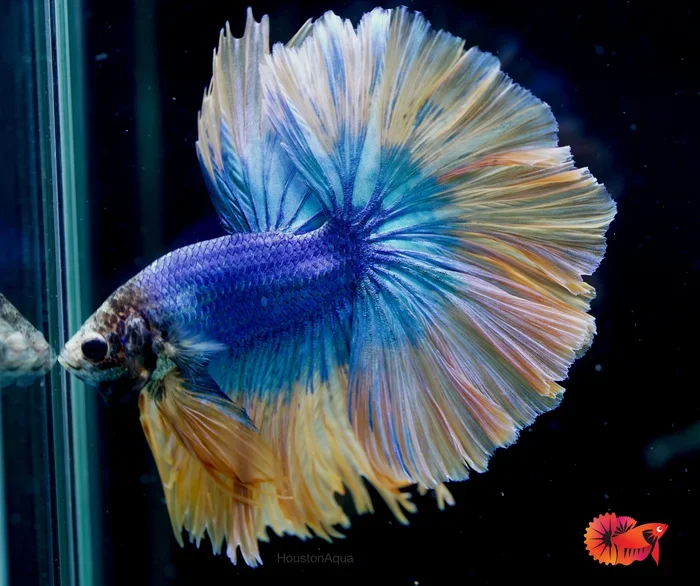
Can Betta Fish Be with Other Betta
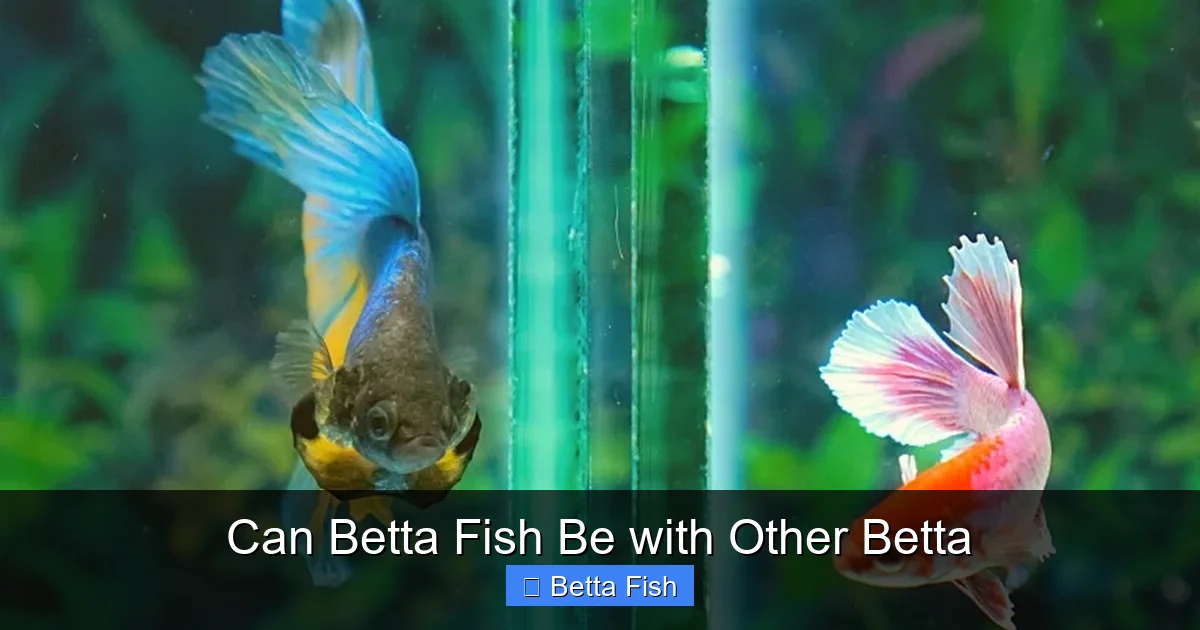
Betta fish are famous for their bold colors and feisty personalities, but can they share a tank with another betta? In most cases, males must be kept apart, while females can sometimes coexist under the right conditions. Learn how to tell if your bettas will get along and set up a peaceful home for them.
Key Takeaways
- Male vs. female: Male bettas are generally territorial and should not share a tank, whereas females can be housed together in a sorority.
- Tank size matters: A minimum of 20 gallons is recommended for a betta sorority; smaller spaces increase aggression.
- Plenty of hiding spots: Plants, caves, and decorations break lines of sight and reduce fights.
- Observe behavior: Early signs of stress—dorsal fin clamping, frantic swimming—mean it’s time to separate the fish.
- Gradual introductions: Using a divider or a neutral tank helps the bettas get used to each other safely.
- Water quality is key: Good filtration and regular water changes keep stress low and health high.
- Know the alternatives: If a sorority isn’t feasible, consider a single betta with peaceful tank mates instead.
📑 Table of Contents
- Introduction: The Betta’s Reputation and the Big Question
- Understanding Betta Aggression
- Can Male Betta Fish Be with Other Betta?
- Female Betta Sororities: When Can Betta Fish Be with Other Betta?
- Setting Up a Mixed Betta Tank: Alternatives to Multiple Betta
- Signs of Stress and How to React
- Practical Tips for Success
- Conclusion: Making the Right Choice for Your Betta
Introduction: The Betta’s Reputation and the Big Question
Betta fish, also called Siamese fighting fish, are famous for their vivid fins and feisty temperament. Many hobbyists wonder, can betta fish be with other betta without turning their aquarium into a battlefield? The answer isn’t a simple yes or no—it depends on gender, tank size, and how you set things up.
In this guide we’ll walk through the science behind betta aggression, share practical tips for keeping multiple bettas together, and help you decide whether a single betta or a sorority is the best fit for your home.
Understanding Betta Aggression
Why bettas fight
Betta fish are naturally territorial. In the wild they defend small, shallow pools, and their bright colors serve as a warning to rivals. When two males see each other, the instinct is to flare fins, display bright colors, and chase. This behavior is hard‑wired, not just a mood swing.

Visual guide about Can Betta Fish Be with Other Betta
Image source: i.ytimg.com
Male vs. female behavior
Male bettas are the classic “fighter.” Female bettas are also territorial, but they are less likely to attack each other if given enough space and hiding places. This difference is why a “betta sorority” (a group of females) can work, while a “male pair” almost always ends in injury.
Can Male Betta Fish Be with Other Betta?
The short answer
In most situations, male bettas should never share a tank. Even with a divider, they will often see each other’s reflections and become stressed.

Visual guide about Can Betta Fish Be with Other Betta
Image source: pangovet.com
When a divider might help
If you must keep two males for breeding or temporary quarantine, use a solid, opaque divider that blocks visual contact. Keep the water flow separate on each side to avoid chemical signals crossing over. Remember, this is a short‑term solution—not a permanent community tank.
Exceptions and rare cases
Some experienced keepers have reported success with a “peaceful pair” in a very large, heavily planted tank (50+ gallons). Even then, the risk is high, and you must watch for any sign of aggression.
Female Betta Sororities: When Can Betta Fish Be with Other Betta?
Choosing the right females
Start with healthy, similarly sized females. Avoid mixing a dominant, large female with smaller, shy ones. A good rule of thumb is to have at least four to six females; this spreads out aggression and gives each fish a chance to establish its own space.

Visual guide about Can Betta Fish Be with Other Betta
Image source: aniimad.com
Tank size and layout
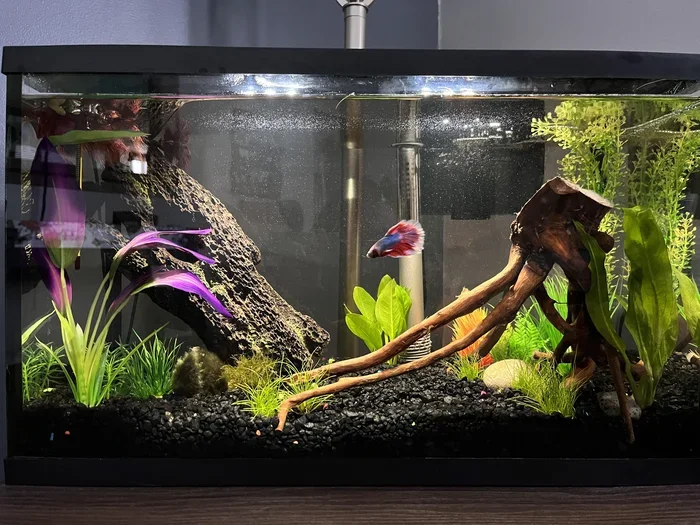
A minimum of 20 gallons is recommended for a sorority. The more space you provide, the less likely the fish will feel crowded. Fill the tank with live plants, driftwood, and caves. These structures break lines of sight and give each betta a “home base.”
Introducing the females
Use a neutral tank—one that none of the fish have lived in before—to introduce them. Let them see each other through a clear divider for a day, then lift the divider and watch closely for flaring. If a fish becomes overly aggressive, remove her and try again later.
Setting Up a Mixed Betta Tank: Alternatives to Multiple Betta
Betta with peaceful tank mates
If a sorority feels too risky, consider a single betta with calm community fish such as neon tetras, corydoras, or small rasboras. Check out our article on What Other Fish Can Live With Betta Fish for a full list of compatible species.
Why shrimp and snails can work
Many keepers successfully keep ghost shrimp or nerite snails with a betta. The betta usually ignores slow‑moving invertebrates, and they help clean leftover food. Read more about Can Shrimp Be With Betta Fish for detailed tips.
Maintaining water quality
Regardless of who shares the tank, clean water is essential. Use a gentle filter that doesn’t create a strong current—betta fins are delicate. Perform 25% water changes weekly and test for ammonia, nitrite, and nitrate.
Signs of Stress and How to React
Behavioral red flags
- Fins clamped close to the body
- Rapid, frantic swimming along the glass
- Loss of color or faded fins
- Constant flaring without an obvious trigger
What to do when stress appears
Immediately separate the aggressive fish. Use a hospital tank or a spare quarantine tank. Observe the fish for injuries; treat any wounds with a mild antibacterial dip. After a few days, reassess whether the tank can house them together again.
Practical Tips for Success
Start with a trial period
Give the fish a week of close observation. If no major fights occur, you can feel more confident. Keep a log of any flares or chases to spot patterns.
Use visual barriers
Floating plants, tall stems, and aquarium décor create “personal space.” Even a simple piece of leaf litter can make a difference.
Feed strategically
Scatter food across the tank rather than dropping it in one spot. This reduces competition and keeps the fish busy.
Consider a breeding tank
If you’re interested in breeding, set up a separate 10‑gallon tank for the pair. This isolates them from other fish and lets you control the environment.
Conclusion: Making the Right Choice for Your Betta
So, can betta fish be with other betta? Yes—female bettas can live together in a well‑planted, spacious tank, and male bettas can share a space only under very specific, heavily managed conditions. The key is to understand each fish’s temperament, provide plenty of hiding spots, and monitor behavior closely.
When in doubt, a single betta with peaceful companions or a small sorority is the safest route. By following the tips above and staying vigilant, you’ll give your bettas the best chance to thrive—whether they’re sharing a tank or enjoying their own private palace.
Frequently Asked Questions
Can two male bettas live together peacefully?
It is very rare. Male bettas are highly territorial and will usually fight, even with a divider. Only a large, heavily planted tank might reduce aggression, but constant monitoring is required.
How many female bettas can I keep in one tank?
A sorority works best with 4‑6 females in at least a 20‑gallon tank. More fish spread out aggression, and each should have its own hiding spot.
What are the best plants for a betta sorority?
Live plants like Java fern, Anubias, and Amazon swords provide cover and help maintain water quality. Floating plants such as duckweed also break line of sight.
Can I keep a betta with small tetras?
Yes, many small, fast‑moving tetras coexist well with a single betta. They stay out of the betta’s way and add color to the tank.
What should I do if my betta shows signs of stress?
Separate the fish immediately, check for injuries, and improve water conditions. Reduce feeding frequency and add more hiding places.
Is a divider an effective long‑term solution for multiple bettas?
Dividers can work for short‑term quarantine or breeding, but they are not a permanent solution for a community tank because visual and chemical cues still cause stress.