How Much Food Do You Feed Betta Fish
Feeding your betta fish the right amount is one of the most important parts of betta care. Most bettas do best with 2 to 3 small meals per day, each about the size of their eyeball. Overfeeding is the biggest mistake new fish owners make, and it can seriously harm your fish.
If you own a betta fish, you have probably wondered about how much food do you feed betta fish. It is one of the most common questions new fish keepers ask. The answer is not as simple as “a pinch of food” like many people think. Giving your betta the right amount of food affects everything from its energy levels to its lifespan.
Betta fish feeding is both an art and a science. Too little food and your fish becomes weak. Too much and you pollute the tank. Finding the sweet spot keeps your betta healthy, colorful, and active. This guide walks you through everything you need to know about portion sizes, feeding schedules, and the mistakes to avoid.
Whether you just brought home your first betta or you have had one for years, this article will help you refine your feeding routine. Let us dive into the details of proper betta fish nutrition.
Key Takeaways
- Portion size matters: Feed your betta an amount roughly equal to the size of its eyeball per meal.
- Feed 2 to 3 times daily: A consistent feeding schedule supports digestion and overall health.
- Overfeeding is dangerous: Excess food ruins water quality and can cause serious health problems.
- Variety is key: Rotate between pellets, frozen foods, and occasional treats for balanced nutrition.
- Watch for hunger cues: A hungry betta will beg, but resist the urge to give in too often.
- Adjust for age and activity: Young and active bettas may need slightly more food than older or less active ones.
📑 Table of Contents
- How Much Food Should You Feed a Betta Fish?
- How Often Should You Feed a Betta Fish?
- What Types of Food Are Best for Betta Fish?
- Common Feeding Mistakes to Avoid
- How Does Feeding Affect Betta Fish Health?
- Quick Tips for Perfect Betta Feeding
- Expert Insight: Understanding Your Betta’s Appetite
- Conclusion
How Much Food Should You Feed a Betta Fish?
The golden rule of betta fish portion control is simple. Feed your betta an amount equal to the size of its eyeball. This is roughly two to three pellets per meal for most adult bettas. It sounds tiny, and that is exactly the point.
A betta fish stomach is very small. It is about the size of its eye. When you fill it beyond that capacity, digestion slows down and health problems begin. This is why many experienced fish keepers recommend small, frequent meals over one large feeding.
Measuring Food Portions Correctly
You do not need special tools to measure your betta’s food. Here are some easy ways to get the portion right:
- The eyeball test: Compare the food amount to your fish’s eye. That is your target portion.
- Two to three pellets: For standard betta pellets, this is usually the perfect amount per feeding.
- Soak dry food first: Pellets expand in water. Soaking them briefly prevents them from swelling inside your fish.
- Use a small dish: A tiny bowl or plate helps you control portions and avoid over-pouring.
For more detail on portion sizes, check out our article on how much food to feed betta fish. It covers specific measurements and brand recommendations.
How Often Should You Feed a Betta Fish?
Feeding frequency is just as important as portion size. Most betta fish do well with two to three small meals per day. This mimics their natural eating pattern in the wild, where they forage for small meals throughout the day.
Consistency matters a lot. Try to feed your betta at the same times each day. This helps regulate their digestion and keeps their metabolism steady. Many fish owners find that morning and evening feedings work best for their schedule and their fish’s needs.
Creating a Feeding Schedule
Here is a simple betta feeding schedule you can follow:
- Morning feeding (around 8 AM): Give a small portion of pellets or flakes.
- Midday snack (optional, around 1 PM): A tiny treat like a bloodworm or daphnia.
- Evening feeding (around 6 PM): Give the main meal of the day.
Not everyone can feed three times a day. That is perfectly fine. Two meals per day is a solid minimum. The key is to keep portions small and never skip water changes. Clean water matters just as much as the food you provide.
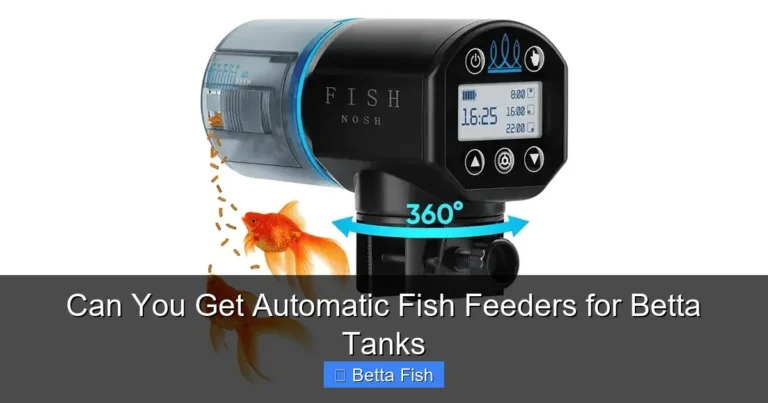
If you travel often, you might want to read our guide on how to feed your betta fish on vacation. It has great tips for automated feeders and vacation care.
What Types of Food Are Best for Betta Fish?
Not all fish food is created equal. Bettas are carnivorous by nature. They need a diet rich in protein to thrive. Choosing the right betta fish diet makes a huge difference in their color, energy, and longevity.
Betta Pellets
High-quality betta pellets should be the staple of your fish’s diet. Look for pellets where protein is the first ingredient. Brands with fish meal, shrimp meal, or krill as the primary ingredients are excellent choices. Pellets are designed to sink slowly, which is perfect for bettas who prefer eating from the middle or bottom of the water column.
Frozen and Freeze-Dried Foods
Frozen bloodworms, brine shrimp, and daphnia make excellent treats. They are packed with protein and most bettas love them. However, treats should only make up about 10 to 20 percent of the diet. Freeze-dried versions are also convenient but should be soaked before feeding to prevent bloating.
Live Foods
Live foods are the most natural option. Mosquito larvae, live brine shrimp, and micro worms are all great choices. Many bettas respond to live food with increased color and activity. You can culture your own live food at home, or buy it from a pet store.
Betta Flakes
Flakes can work for bettas, but they are not ideal. They tend to lose nutritional value quickly once exposed to air and they often sink too fast or fall apart. If you use flakes, choose a high-quality tropical flake and feed sparingly. For more on this topic, see our article on how often to feed betta fish flakes.
Comparison Table: Best Betta Foods
| Food Type | Protein Content | Best For | Feeding Frequency |
|---|---|---|---|
| Betta Pellets | 30-45% | Daily staple | 2-3 times per day |
| Frozen Bloodworms | 50-60% | Treats and variety | 1-2 times per week |
| Freeze-Dried Shrimp | 40-50% | Occasional treat | 1-2 times per week |
| Live Brine Shrimp | 55-65% | Color enhancement | 1-2 times per week |
| Betta Flakes | 25-35% | Backup option | 1-2 times per day |
For more on what bettas can and cannot eat, check out our article on can you feed your betta fish human food. It covers safe human foods and foods to avoid.
Common Feeding Mistakes to Avoid
Even experienced fish keepers sometimes make feeding mistakes. The good news is that most of these errors are easy to fix once you know what they are.
Overfeeding Your Betta
Overfeeding is the number one mistake people make with betta fish. Bettas have small stomachs and they do not stop eating when they are full. If food sits in the tank uneaten, it breaks down and releases ammonia. This poisons the water and can make your fish sick very quickly.
Signs of overfeeding include:
- Cloudy or dirty water shortly after feeding
- Your betta refusing food at the next meal
- A swollen or bloated belly
- Lethargy and lack of interest in swimming
If you think you have been overfeeding, reduce portions immediately and do a partial water change. For more on what happens when you give too much food, read our article on can you feed a betta fish too much.
Feeding Too Frequently
Some fish owners think more food equals a happier fish. This is not true. Feeding more than three times a day can overwhelm your betta’s digestive system. Stick to the recommended schedule and let your fish’s hunger cues guide you.
Ignoring Food Quality
Cheap fish food is full of fillers like wheat and soy. Bettas cannot digest these well. Always check the ingredient list. A quality betta food should list whole fish or fish meal as the first ingredient. Avoid foods with artificial colors and preservatives when possible.
Skipping Fasting Days
Believe it or not, bettas benefit from a fasting day once a week. This gives their digestive system time to fully process and eliminate waste. Many experienced betta owners skip feeding on Sundays. Your fish will be just fine, and this simple practice can prevent constipation and bloating.
How Does Feeding Affect Betta Fish Health?
The connection between food and health in betta fish is stronger than many people realize. What you feed your fish directly impacts its immune system, coloration, and lifespan.
Digestion and Waste Production
When you feed your betta the right amount, waste production stays manageable. Your filter can handle the biological load. But when you overfeed, uneaten food decays and produces ammonia. This stresses your fish and can lead to diseases like fin rot and swim bladder disorder.
Color and Vitality
A proper betta fish nutrition plan brings out the best in your fish. Foods rich in carotenoids and astaxanthin enhance red, blue, and green colors. You will notice your betta looking more vibrant within weeks of switching to a quality diet.
Lifespan and Longevity
Well-fed bettas live longer. A balanced diet supports organ function and keeps the immune system strong. The average betta lifespan is three to five years, but with excellent care and proper feeding, some bettas live beyond five years. For more on betta care overall, visit our guide on how do you care for a betta fish.
Quick Tips for Perfect Betta Feeding
Here are some fast tips you can start using today:
- Soak pellets before feeding: This prevents stomach expansion inside the fish.
- Remove uneaten food after five minutes: Use a small net or turkey baster to keep the tank clean.
- Rotate food types weekly: Variety ensures balanced nutrition and keeps your betta interested.
- Watch your fish eat: Observe how quickly your betta eats. Slow eating can signal illness.
- Keep the tank clean: Regular water changes support healthy digestion and appetite.
- Do not feed right after a water change: Wait at least an hour to avoid stressing your fish.
Expert Insight: Understanding Your Betta’s Appetite
Every betta fish is different. Some are voracious eaters and will beg for food constantly. Others are picky and take their time. Understanding your individual fish’s habits helps you adjust portions appropriately.
Hunger begging is normal betta behavior. They learn to associate your presence with food and will often swim to the surface eagerly. This does not always mean they need more food. It often means they are excited or curious. Learning to distinguish between genuine hunger and behavioral begging is a skill that comes with time.
If your betta consistently refuses food, check the water parameters first. Poor water quality is the most common cause of appetite loss. Temperature swings, high ammonia, and low pH can all suppress a betta’s desire to eat. For help diagnosing illness, see our article on how do you know if your betta fish is sick.
Conclusion
Knowing how much food do you feed betta fish is one of the most valuable skills you can develop as a fish owner. The right portion size, feeding frequency, and food quality all work together to keep your betta healthy and happy. Remember the golden rule: feed an amount equal to the size of the fish’s eyeball, two to three times per day.
Avoid overfeeding at all costs. Keep the tank clean and the water parameters stable. Offer variety through pellets, frozen foods, and occasional treats. With these simple practices, your betta fish will thrive for years to come. Start today by adjusting your current feeding routine and watching the difference in your fish’s energy and appearance.