How to Take Care of a Baby Boy Betta Fish
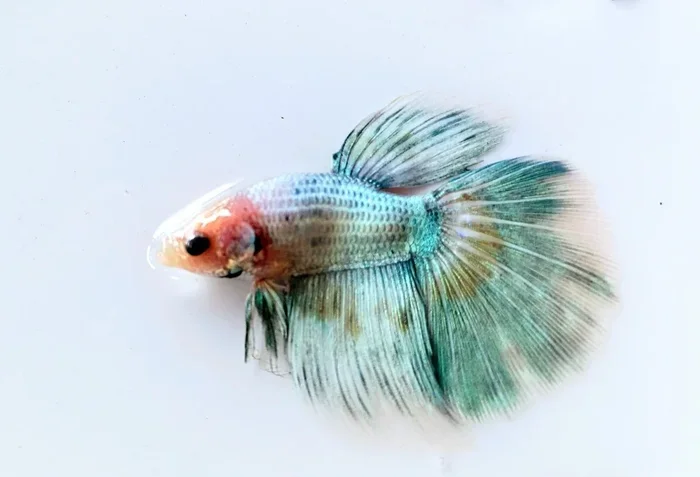
Taking care of a baby boy betta fish is exciting but needs attention to detail. You will learn how to set up the right tank, feed properly, keep the water clean, and spot health issues early. This guide covers every step to help your tiny betta grow strong and colorful.
Welcoming a baby boy betta fish into your home is a wonderful experience. These tiny creatures are full of personality and color even from a very young age. But taking care of a baby boy betta fish comes with unique challenges that many new fish owners overlook.
Baby bettas are fragile. Their immune systems are still developing, and they need very specific conditions to thrive. If you want your little one to grow into a healthy, vibrant adult, you need to get the basics right from day one.
This guide walks you through everything you need to know. From setting up the perfect tank to feeding schedules and common health issues, we have you covered. By the end, you will feel confident and ready to give your baby betta the best start in life.
Key Takeaways
- Right Tank Size: A baby boy betta fish needs at least a 5-gallon tank with gentle filtration and a heater set to 78-80°F.
- Proper Feeding: Feed baby bettas small amounts 2-3 times a day using high-quality pellets or live food.
- Water Quality: Regular water changes and proper cycling keep your baby betta safe from toxins and disease.
- Health Monitoring: Watch for signs of stress or illness like clamped fins, loss of color, or not eating.
- Gradual Growth: As your baby betta grows, you will need to adjust the tank setup and feeding routine accordingly.
📑 Table of Contents
- Understanding Your Baby Boy Betta Fish
- Setting Up the Perfect Tank for a Baby Betta
- Feeding Your Baby Boy Betta Fish
- Water Quality and Maintenance
- Common Health Issues in Baby Boy Bettas
- Growing Your Baby Betta Into a Healthy Adult
- Quick Tips for Baby Betta Success
- Common Mistakes to Avoid
- Final Thoughts on Baby Boy Betta Fish Care
Understanding Your Baby Boy Betta Fish
Before you dive into care routines, it helps to understand what makes a baby betta different from an adult. Baby boy bettas are usually under three months old. They are tiny, often less than an inch long, and their colors have not fully developed yet.
Male bettas are called “fighting fish” for a reason. Even as babies, they tend to be more aggressive than females. They have longer fins and more vivid color potential as they mature. Understanding this helps you make better decisions about tank setup and tank mates.
How Big Is a Baby Betta?
A newborn betta is incredibly small, about the size of a pinhead. Within the first few weeks, they grow to around half an inch. By the time they reach two months old, most baby bettas are about one inch long. Growth speed depends heavily on diet and water conditions.
What Makes Baby Bettas Special?
Baby bettas have very delicate fins and scales. Their skin is thinner than adult bettas, which makes them more sensitive to water quality issues. They also have smaller stomachs, which means they need to eat more frequently but in tiny amounts. This is very different from how you would care for an adult betta.
Setting Up the Perfect Tank for a Baby Betta
The tank you choose sets the foundation for your baby betta’s health. Many people think a tiny bowl is fine for a baby fish, but that is a common mistake. A proper setup gives your baby boy betta room to grow and explore.
Tank Size Matters
A 5-gallon tank is the sweet spot for a baby betta. It is large enough to maintain stable water conditions but small enough that your baby fish can find food easily. Avoid tanks smaller than 3 gallons, as they fluctuate in temperature and chemistry too quickly.
If you plan to upgrade later, starting with a 5-gallon tank saves you from doing a full setup change soon. The tank should be fully cycled before you add your baby betta. Cycling means building up beneficial bacteria that break down harmful waste.
Heating and Filtration
Baby bettas need warm water, just like adults. Set your heater to 78-80°F. Use a gentle sponge filter that will not create strong currents. Baby bettas are not strong swimmers, so a powerful filter can exhaust them quickly.
Decorations and Hiding Spots
Add soft plants and gentle decorations. Avoid anything with sharp edges that could tear delicate fins. Live plants like java moss are excellent because they provide hiding spots and help keep the water clean. Your baby betta will feel safer with places to retreat.
Setting up the tank correctly from the start is one of the most important steps in how to take care of a betta fish. A well-planned tank reduces stress and prevents many common health problems.
Feeding Your Baby Boy Betta Fish
Feeding is one of the most critical parts of baby betta care. These little fish have tiny stomachs but high energy needs. Getting the feeding routine right makes a huge difference in their growth and development.
What to Feed Baby Bettas
Baby bettas do best on a diet of small, protein-rich foods. Here are the best options:
- Crushed Betta Pellets: High-quality pellets crushed into very small pieces are ideal. Look for pellets with a protein content of at least 35%.
- Baby Brine Shrimp: This is a natural live food that baby bettas love. It is packed with protein and easy to digest.
- Microworms: These tiny worms are perfect for very young bettas. They are easy to culture at home.
- Infusoria: A natural micro-food that is great for the tiniest baby bettas in their first week of life.
Feeding Schedule and Amounts
Feed your baby betta 2-3 times a day. Each meal should be tiny, about the size of his eye. Overfeeding is one of the most common mistakes new betta owners make. Excess food fouls the water quickly and can make your baby fish sick.
Watch your baby betta after feeding. If he stops eating within two minutes, you have given the right amount. If food falls to the bottom and sits there, you are feeding too much.
How Feeding Changes as They Grow
As your baby betta grows past one inch, you can gradually increase portion sizes and reduce feeding frequency to twice a day. By three months old, you can transition to adult-sized pellets. This gradual shift helps their digestive system adjust without stress.
Water Quality and Maintenance
Clean water is the single most important factor in how to care for a betta fish. Baby bettas are especially vulnerable to poor water quality because their immune systems are still developing. Even small amounts of ammonia or nitrite can be dangerous.
The Nitrogen Cycle Explained Simply
Before adding your baby betta, your tank must be fully cycled. The nitrogen cycle is a natural process where beneficial bacteria convert toxic ammonia into less harmful nitrite and then nitrate. This process takes about 4-6 weeks to establish.
You can speed up cycling with bottled bacteria starters. Test your water regularly with a liquid test kit to make sure ammonia and nitrite levels are at zero before introducing your baby fish.
Water Changes for Baby Bettas
Perform 25-30% water changes every week. Use a turkey baster or small siphon to remove debris from the substrate. Always match the temperature of new water to the tank water to avoid shocking your baby betta.
Treat all new water with a water conditioner to remove chlorine and chloramine. These chemicals are harmless to humans but toxic to fish, especially delicate baby bettas.
Testing and Monitoring
Keep a simple testing routine. Test for ammonia, nitrite, nitrate, and pH weekly. The ideal parameters for a baby betta are:
- Ammonia: 0 ppm
- Nitrite: 0 ppm
- Nitrate: Under 20 ppm
- pH: 6.5-7.5
- Temperature: 78-80°F
Maintaining proper betta fish water quality is the easiest way to prevent illness and promote healthy growth. It takes just a few minutes each week but pays off enormously.
Common Health Issues in Baby Boy Bettas
Even with the best care, baby bettas can face health problems. Knowing the warning signs early gives you the best chance to help your fish recover quickly.
Signs of a Healthy Baby Betta
A healthy baby betta is active, has bright colors, and eats eagerly. His fins should be held open and moving freely. His belly should be round but not bloated. These are good signs that your care routine is working.
Common Problems to Watch For
Fin Rot: This is a bacterial infection that causes the edges of fins to look ragged or discolored. It is common in baby bettas kept in poor water conditions. Improve water quality and consider a mild aquarium salt treatment.
White Spot Disease (Ich): Small white dots on the body and fins are a telltale sign. Ich is caused by a parasite and spreads quickly in stressed fish. Raise the temperature slightly to 82°F and treat with an appropriate medication.
Constipation: A bloated belly and difficulty swimming often mean your baby betta is constipated. This happens from overfeeding or a diet low in fiber. Skip one feeding and offer a blanched pea (mashed very small) to help.
Stress: Stressed baby bettas may clamp their fins close to their body, hide constantly, or lose their appetite. Check water parameters first, then look for environmental stressors like bright lights or loud noises near the tank.
When to Seek Help
If your baby betta stops eating for more than two days, shows rapid breathing, or develops unusual spots or lesions, take action quickly. Isolate sick fish if you have a quarantine tank. Early intervention often makes the difference between a full recovery and a lost fish.
Growing Your Baby Betta Into a Healthy Adult
Raising a baby betta is a rewarding journey. As your fish grows, you will need to adjust your care routine to match his changing needs. This is where many owners miss opportunities to give their betta the best life possible.
Tank Upgrades Over Time
A baby betta can live comfortably in a 5-gallon tank for several months. However, as he grows past two inches, you may want to consider upgrading to a 10-gallon tank. More space means better water stability and more room for your betta to swim and explore.
If you decide to upgrade, do it gradually. Sudden changes in environment can stress your fish. Add new decorations and adjust equipment slowly over a few weeks.
Bonding With Your Baby Betta
Betta fish are surprisingly interactive. Many baby bettas learn to recognize their owner and will swim to the front of the tank when they see you. Spend time near the tank talking softly or gently tapping the glass. Over time, your baby betta may even follow your finger around the tank.
Building a bond with your betta enriches both your lives. It also makes it easier to spot behavioral changes that could indicate health problems early.
What to Expect as Your Betta Matures
By four to five months old, your baby boy betta will start showing his full color potential. His fins will grow longer and more dramatic. Males develop the long, flowing fins that make bettas so popular. This is an exciting time for any betta owner.
Remember that a baby betta’s care routine directly impacts how long and how well he lives. With proper care, a healthy betta can live 3-5 years, and some even reach 7 years or more.
Quick Tips for Baby Betta Success
- Always cycle your tank before adding a baby betta.
- Feed small amounts 2-3 times a day, never more than he can eat in two minutes.
- Keep water temperature stable between 78-80°F.
- Perform weekly 25-30% water changes without fail.
- Use a gentle sponge filter to avoid strong currents.
- Watch for early signs of illness every day.
- Avoid handling your baby betta unless absolutely necessary.
- Keep the tank in a quiet area away from direct sunlight and drafts.
Common Mistakes to Avoid
Even well-meaning owners make mistakes that can harm baby bettas. Here are the most common ones to avoid:
- Using a tiny bowl: Baby bettas need at least 3-5 gallons. Bowls cannot maintain stable water conditions.
- Overfeeding: This is the number one killer of baby bettas. Their small stomachs can only handle tiny portions.
- Skipping water changes: Even with a filter, waste builds up. Regular water changes are non-negotiable.
- Adding tank mates too early: Male bettas should live alone. Even baby males can be aggressive toward other fish.
- Ignoring water temperature: Cold water weakens a baby betta’s immune system and makes him vulnerable to disease.
Learning from these common mistakes saves you time, money, and heartache. If you are new to fish keeping, following these guidelines gives your baby betta the best possible foundation for a long, healthy life.
Final Thoughts on Baby Boy Betta Fish Care
Taking care of a baby boy betta fish is a commitment, but it is also incredibly rewarding. These tiny fish bring so much life and color to any space. With the right tank, proper feeding, clean water, and regular health monitoring, your baby betta will thrive and grow into a stunning adult.
Remember that every small action you take matters. A weekly water change, a properly measured feeding, and a watchful eye for early warning signs all add up to a happy, healthy fish. The effort you invest now pays off for years to come.
If you ever feel unsure, refer back to this guide. You can also explore more about how to take care of a betta fish for additional tips on general care routines. The more you learn, the better equipped you are to give your baby betta the life he deserves.
Start with the basics, stay consistent, and enjoy the journey of raising your baby boy betta. You have got this, and your little fish is lucky to have such a caring owner.
Frequently Asked Questions
How often should I feed my baby boy betta fish?
Feed your baby betta 2-3 times a day in very small amounts. Each feeding should be about the size of his eye. Remove any uneaten food after two minutes to keep the water clean and prevent overfeeding.
What size tank does a baby betta need?
A 5-gallon tank is ideal for a baby betta. It provides enough space for stable water conditions while being small enough that your baby fish can easily find food. Avoid tanks smaller than 3 gallons.
How can I tell if my baby betta is healthy?
A healthy baby betta is active, eats eagerly, and has bright, vivid colors. His fins should be held open and moving freely. His belly should be round but not bloated. Any changes in behavior or appearance are worth investigating.
Can I keep my baby betta with other fish?
It is best to keep male bettas alone, even as babies. They are territorial and can become aggressive. If you want tank mates, consider peaceful species like snails or shrimp in a larger tank setup, but always monitor their interactions closely.
How do I keep the water safe for my baby betta?
Perform 25-30% water changes weekly, use a water conditioner to remove chlorine, and test parameters regularly. Keep ammonia and nitrite at zero, nitrate under 20 ppm, and temperature stable between 78-80°F. Always match new water temperature to tank water.
When should I upgrade my baby betta to a bigger tank?
Consider upgrading from a 5-gallon to a 10-gallon tank once your betta reaches about two inches long, usually around 4-5 months old. Do the upgrade gradually to avoid stressing your fish, and make sure the new tank is fully cycled before the move.