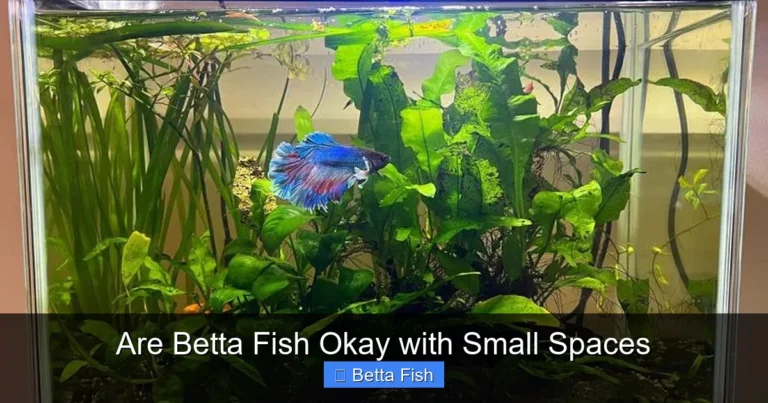
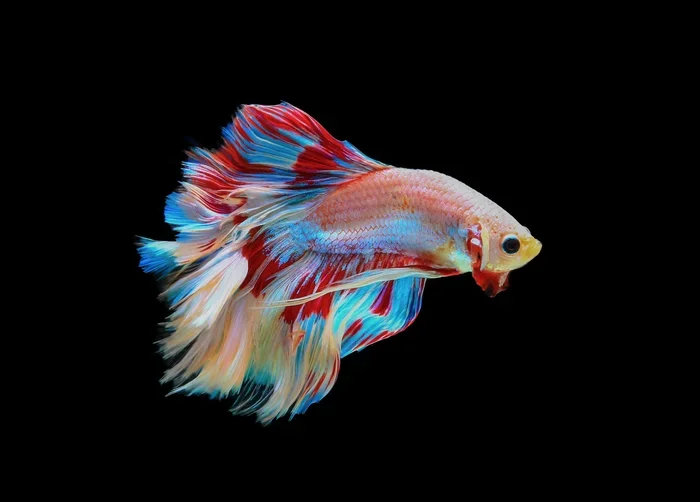
How Much Food Do You Feed a Veiltail Betta Fish
Knowing how much food to feed a veiltail betta fish is one of the most important parts of keeping your fish healthy and happy. A veiltail betta’s stomach is tiny, about the size of their eye, so small portions go a long way. Overfeeding is the number one mistake new betta owners make, and it can lead to serious health problems like bloating and swim bladder issues.
Feeding your veiltail betta fish might seem simple, but there is a lot more to it than just tossing food into the tank. Many new fish owners wonder, how much food do you feed a veiltail betta fish, and the answer is not as straightforward as you might think. The right amount depends on factors like your fish’s age, size, activity level, and the type of food you are using.
Getting the portion size right makes a huge difference in your betta’s health, color, and lifespan. A well-fed veiltail betta will display vibrant fins, active swimming behavior, and a strong appetite. On the other hand, a fish that is overfed or underfed can develop serious problems fast. In this guide, we will walk you through everything you need to know about feeding your veiltail betta the perfect amount every single day.
Whether you just brought home your first betta or you have been caring for these beautiful fish for years, this article covers all the details. We will break down portion sizes, feeding schedules, food types, and common mistakes so you can confidently keep your veiltail betta thriving.
Key Takeaways
- Small Portions Matter: A veiltail betta fish should get only 2-3 pellets or a small pinch of food per meal, roughly the size of their eyeball.
- Feed Twice a Day: Most veiltail bettas do well with two small feedings per day, spaced about 12 hours apart.
- Overfeeding Is Dangerous: Excess food pollutes the tank and can cause constipation, bloating, and a shortened lifespan.
- Variety Is Key: Rotating between pellets, frozen foods, and occasional treats keeps your betta nutrition balanced and interested.
- Watch for Warning Signs: A bloated belly, lethargy, or uneaten food on the tank floor are clear signals that you need to adjust portions.
- Fasting Helps: Giving your veiltail betta a one-day fast per week supports healthy digestion and prevents overfeeding buildup.
📑 Table of Contents
- How Much Food Does a Veiltail Betta Fish Need?
- What Types of Food Are Best for Veiltail Bettas?
- How Often Should You Feed a Veiltail Betta?
- Signs You Are Feeding Your Veiltail Betta Too Much or Too Little
- Tips for a Healthy Feeding Routine
- Common Mistakes to Avoid When Feeding Your Veiltail Betta
- Conclusion
How Much Food Does a Veiltail Betta Fish Need?
The general rule for veiltail betta fish feeding is simple: give them only what they can eat in two minutes. A veiltail betta has a very small stomach, roughly the size of their eyeball. This means even a tiny amount of food fills them up more than you would expect.
For adult veiltail bettas, two to three pellets per meal is the sweet spot. If you are using flakes or freeze-dried food, a small pinch works just as well. The key is to observe your fish during feeding and remove any uneaten food after a couple of minutes. Leftover food breaks down in the water and raises ammonia levels, which is harmful to your fish.
Portion Size by Food Type
Different foods require different portion sizes. Here is a quick breakdown of what a proper serving looks like for each type:
- Betta Pellets: 2 to 3 small pellets per feeding. These are the most common and nutritionally balanced option.
- Flakes: A small pinch, about the size of a pea. Flakes expand in water, so less is more.
- Frozen or Freeze-Dried Food: 2 to 3 bloodworms or brine shrimp per meal. These are great as treats.
- Live Food: 3 to 5 small live foods like daphnia or microworms. These mimic natural hunting behavior.
Remember that portion control for betta fish is not just about the food itself. It is about keeping the tank clean and your fish healthy. Uneaten food decays quickly in warm water, which spikes ammonia and nitrite levels fast.
How a Veiltail Betta’s Stomach Works
Understanding your betta’s digestive system helps explain why small portions matter so much. A veiltail betta has a short digestive tract designed for frequent small meals in the wild. They do not have the capacity to process large amounts of food at once. When you overfeed, the food sits in the stomach and can ferment, causing bloating and discomfort.
This is why betta fish nutrition experts always recommend feeding small amounts multiple times a day rather than one large meal. Your fish digests food more efficiently this way, and it keeps their metabolism steady throughout the day.
What Types of Food Are Best for Veiltail Bettas?
Choosing the right food plays a big role in how much you should feed. Not all betta foods are created equal, and some are more nutritious than others. The best diet for a veiltail betta includes a mix of protein-rich options that mimic what they would eat in their natural habitat.
High-Quality Betta Pellets
Betta pellets are the foundation of a good feeding routine. Look for pellets that list fish meal or whole ingredients as the first item on the label. Avoid pellets filled with fillers like wheat or corn, as these offer little nutritional value. High-quality pellets sink slowly, which is perfect for bettas that feed near the surface.
Frozen and Freeze-Dried Treats
Bloodworms, brine shrimp, and daphnia make excellent supplements to a pellet-based diet. These foods are packed with protein and natural fats that boost your betta’s color and energy. However, they should be treated as occasional additions, not the main meal. Freeze-dried foods should always be soaked in tank water before feeding to prevent digestive issues.
Live Foods for Natural Feeding
Live foods like microworms and baby brine shrimp are the closest thing to a wild betta’s diet. They encourage natural hunting behavior and provide excellent nutrition. You can find live foods at most pet stores or raise them at home easily. Just make sure the source is reliable to avoid introducing parasites into your tank.
Foods to Avoid
Not everything is safe for your veiltail betta. Stay away from bread, crackers, and human table scraps. These foods lack proper nutrition and can expand in the stomach, causing serious blockages. Goldfish food and tropical fish flakes are also not ideal because they do not meet the specific protein needs of bettas.
How Often Should You Feed a Veiltail Betta?
Feeding frequency is just as important as portion size. For adult veiltail bettas, twice a day is the standard recommendation. Feed once in the morning and once in the evening, spacing the meals about 12 hours apart. This routine mirrors the natural eating patterns of wild bettas and keeps their metabolism running smoothly.
For younger bettas, especially those under six months old, you may want to feed them three times a day with even smaller portions. Growing fish need more frequent meals to support their development. As your betta matures, you can scale back to two feedings per day.
The Importance of a Consistent Schedule
Bettas thrive on routine. Feeding at the same times each day helps your fish feel secure and builds a healthy appetite. Try to stick to a schedule, even on weekends or busy days. If you are away, an automatic fish feeder can help maintain consistency, but use it carefully to avoid overfeeding.
How often do you feed a betta fish is one of the most searched questions in the betta care community, and for good reason. Consistency in feeding times supports better digestion and reduces stress in your aquarium environment.
Should You Fast Your Veiltail Betta?
Yes, fasting is an important part of a healthy feeding routine. Skipping one meal per week gives your betta’s digestive system a chance to process any remaining food and reset. Many experienced betta keepers fast their fish on Sundays or one day each week. This simple practice helps prevent constipation and keeps your fish feeling active and hungry at mealtimes.
Signs You Are Feeding Your Veiltail Betta Too Much or Too Little
Knowing the signs of improper feeding is essential for every betta owner. Both overfeeding and underfeeding produce visible symptoms that are easy to spot once you know what to look for.
Signs of Overfeeding
- Bloated Belly: A noticeably swollen abdomen is one of the clearest signs your betta has eaten too much.
- Uneaten Food on the Bottom: If food sits in the tank for more than a few minutes, you are giving too much.
- Lethargy: An overfed betta may become less active and spend more time resting near the bottom.
- Constipation: Difficulty passing waste or long strings of feces indicate digestive problems from excess food.
- Cloudy Water: Excess food decays quickly and can cause water quality to drop fast.
If you notice any of these signs, reduce the portion size immediately and consider doing a partial water change. Can you feed a betta fish too much is a real concern, and the answer is yes. Overfeeding is one of the leading causes of health problems and early death in captive bettas.
Signs of Underfeeding
- Loss of Color: A malnourished betta will look faded and dull compared to a well-fed fish.
- Weight Loss: You may notice the body looking thinner, especially near the tail base.
- Lethargy: Just like overfeeding, underfeeding also causes low energy and inactivity.
- Aggressive Behavior: Some bettas become more territorial or nippy when they are hungry.
- Slow Growth: Young bettas that are not getting enough food may grow more slowly than expected.
If your betta shows signs of underfeeding, gradually increase the portion size over several days. Sudden increases in food can shock the digestive system, so make changes slowly and monitor your fish closely.
Tips for a Healthy Feeding Routine
Building a solid feeding routine for your veiltail betta does not have to be complicated. A few simple habits can make a big difference in your fish’s overall health and longevity. Here are some practical tips to get the most out of every feeding session.
1. Measure Your Food
It is easy to eyeball food and accidentally give too much. Invest in a small feeding spoon or count your pellets carefully. Consistent measurement helps you track exactly how much your fish eats and makes it easier to spot changes in appetite.
2. Feed in a Calm Environment
Turn off the tank light a few minutes before feeding. Bettas are visual feeders and they respond better when they can see their food clearly. Dim lighting also reduces stress and encourages natural hunting behavior.
3. Remove Uneaten Food Promptly
Use a small net or turkey baster to remove any food your betta does not eat within two minutes. This keeps the water clean and prevents ammonia spikes. A clean tank environment directly supports better digestion and overall health.
4. Rotate Food Types
Offering a variety of foods ensures your betta gets a broad spectrum of nutrients. Try alternating between pellets, frozen bloodworms, and live brine shrimp throughout the week. This also keeps your fish mentally stimulated and interested in mealtime.
5. Monitor Your Fish After Feeding
Watch your betta for a few minutes after each feeding. A healthy betta will eat eagerly and swim actively afterward. If your fish refuses food or appears uncomfortable, adjust the portion size or food type and try again at the next feeding.
Common Mistakes to Avoid When Feeding Your Veiltail Betta
Even experienced betta owners can fall into bad habits when it comes to feeding. Here are some of the most common mistakes and how to avoid them.
Overfeeding Based on Appetite
Bettas are opportunistic eaters, which means they will eat as much as you offer them. This does not mean they need that much food. A hungry-looking betta does not always need more food. Stick to the recommended portion size and trust the schedule rather than your fish’s begging behavior.
Skipping Meals Too Often
While one fasting day per week is beneficial, skipping meals regularly can lead to malnutrition. If you are going on vacation, consider using an automatic feeder or asking a friend to feed your betta in small, controlled amounts.
Ignoring Water Quality
Food waste affects water quality fast, especially in smaller tanks. If your water parameters are off, your betta’s appetite and digestion will suffer. Regular water changes and proper filtration work hand in hand with a good feeding routine to keep your fish healthy.
Using the Wrong Food
Not all fish food is suitable for bettas. Tropical flakes and community fish pellets often lack the protein levels bettas need. Always choose food specifically formulated for bettas or supplement their diet with appropriate protein-rich treats.
For more detailed information on how to care for your betta fish holistically, check out our complete betta care guide. Understanding the full picture of betta health goes far beyond just food, and it all starts with a solid feeding foundation.
Conclusion
Feeding your veiltail betta fish the right amount is one of the simplest yet most impactful things you can do for their health. Stick to small portions, feed twice a day, and always remove uneaten food promptly. A consistent routine with high-quality food and occasional treats will keep your veiltail betta vibrant, active, and full of life for years to come.
The answer to how much food do you feed a veiltail betta fish comes down to this: less is more. Your fish will thank you with bright colors, energetic swimming, and a strong appetite every time you approach the tank. Start applying these tips today and watch your veiltail betta thrive like never before.
Remember that every betta is an individual, so pay attention to your fish’s unique needs and adjust as necessary. With patience, consistency, and a little knowledge, you will become a confident and caring betta owner who knows exactly how to keep their fish happy and well-fed.
Frequently Asked Questions
How many pellets should I feed my veiltail betta per meal?
Feed 2 to 3 small pellets per meal for an adult veiltail betta. If you are using larger pellets, reduce the number to 1 or 2. The portion should be roughly the size of your fish’s eyeball. Adjust based on your betta’s appetite and body condition.
Can I feed my veiltail betta once a day instead of twice?
Twice a day is the recommended schedule, but once a day can work if you slightly increase the portion size. However, splitting meals into two smaller feedings is better for digestion and mimics natural eating patterns. If you choose once a day, make sure the single meal is still small and easily consumed.
What happens if I accidentally overfeed my veiltail betta?
Accidental overfeeding happens to everyone. If it happens once, remove the uneaten food immediately and monitor your fish for any signs of bloating or discomfort. One-time overfeeding rarely causes lasting harm, but repeated overfeeding can lead to serious health issues like swim bladder disease and water quality problems.
Can I leave food in the tank for my betta to nibble on throughout the day?
No, leaving food in the tank is not recommended. Uneaten food decays quickly in warm water and raises ammonia levels, which is toxic to bettas. Always feed measured amounts and remove anything your fish does not eat within two minutes.
Are freeze-dried foods enough as a staple diet for my veiltail betta?
Freeze-dried foods should be used as treats or supplements, not as a staple diet. They lack the full nutritional balance that high-quality betta pellets provide. Soak freeze-dried food before feeding to prevent it from expanding in your betta’s stomach and causing digestive issues.
How do I know if my veiltail betta is getting enough food?
A well-fed veiltail betta will have vibrant colors, a healthy appetite, steady energy levels, and a smooth body shape. If your fish looks faded, is losing weight, or seems lethargic, you may need to adjust the portion size or feeding frequency. Regular observation is the best way to ensure your betta is getting the right amount of nutrition.