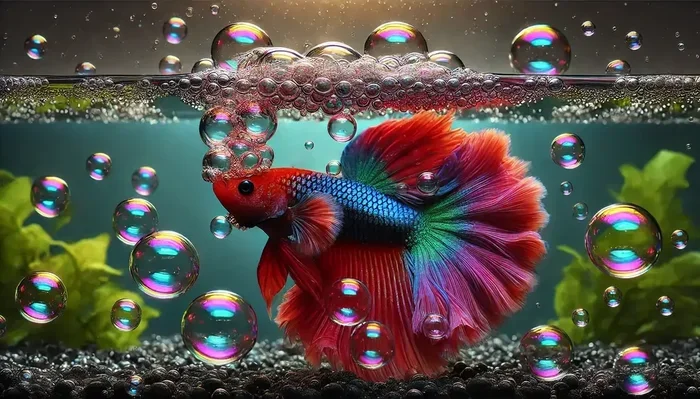
Is Fighter Fish and Betta Fish Same

Yes, fighter fish and betta fish are the same species. The term “fighter fish” is simply a common name for the Betta fish, scientifically known as Betta splendens. Whether you call them fighter fish or betta fish, you are talking about the same beautiful, colorful freshwater fish that is loved by aquarium hobbyists around the world.
If you have ever walked into a pet store and seen a colorful fish labeled as a “fighter fish” next to another one labeled as a “betta fish,” you might have wondered if they are the same creature. The short answer is yes. Fighter fish and betta fish are exactly the same species. The only difference is the name people use in different parts of the world.
This guide will walk you through everything you need to know about is fighter fish and betta fish same. We will cover their history, care needs, common myths, and how to keep them healthy in your home aquarium. Whether you are a complete beginner or a seasoned hobbyist, this article has something useful for you.
Key Takeaways
- Fighter fish and betta fish are the same species: Both names refer to Betta splendens, the popular Siamese fighting fish.
- The name “fighter fish” comes from their aggressive behavior: Male bettas were historically bred for fighting contests in Thailand.
- They share the same care requirements: Tank size, water temperature, diet, and habitat needs are identical regardless of the name used.
- Betta fish are not aggressive toward all tank mates: With proper planning, they can live peacefully with certain species.
- Knowing the truth helps new fish owners: Understanding that both names mean the same thing prevents confusion when buying supplies or researching care.
- Color and fin variety differ by breeding, not species: The many colors and long fins seen in bettas come from selective breeding, not different species.
- Proper habitat setup is essential: A well-planned tank keeps your fighter betta healthy and happy for years.
📑 Table of Contents
What Is a Fighter Fish?
The name “fighter fish” comes from the fish’s history in Southeast Asia. In Thailand and other parts of the region, male bettas were bred and used in fighting contests as early as the 1800s. People would place two males in a tank and watch them flare and fight. These contests became a popular form of entertainment, and the fish earned the name “fighter fish” because of this tradition.
Today, the term “fighter fish” is still widely used in many countries. You will often hear it in South Asia, the Middle East, and parts of Africa. The name stuck because it perfectly describes the fish’s bold and territorial nature. But make no mistake, fighter fish and betta fish are one and the same.
Why Are They Called Fighter Fish?
The fighting history of these fish is deep-rooted. Male bettas have long, flowing fins and bright colors. When two males are placed together, they flare their gills, spread their fins, and bite at each other. This behavior is natural and comes from their instincts. Over time, people selectively bred the most aggressive and visually striking fish, which gave us the beautiful pet bettas we see today.
Modern bettas are much less aggressive than their ancestors. Years of careful breeding have softened their temper while keeping their stunning looks. Still, they remain territorial, especially males. This is why you should never house two male bettas in the same tank.
What Is a Betta Fish?
A betta fish, also known as Betta splendens, is a small freshwater fish that belongs to the gourami family. Native to the warm waters of Thailand, Cambodia, Vietnam, and Laos, bettas are found in shallow rice paddies, slow-moving streams, and flood plains. Their natural habitat is warm, humid, and often low in oxygen.
Betta fish have a special organ called the labyrinth organ, which allows them to breathe air directly from the surface. This is why they can survive in small amounts of water, but that does not mean they should live in tiny bowls. A proper tank setup makes a huge difference in their health and lifespan.
Popular Betta Varieties
One of the reasons bettas are so popular is the incredible variety of colors and fin types. Here are some of the most common varieties:
- Veil Tail: The most common type with long, flowing tail fins.
- Crowntail: Has spiky fin rays that give it a crown-like appearance.
- Half Moon: Tail spreads out to form a perfect half circle.
- Plakat: Shorter fins that resemble the wild-type betta.
- Double Tail: Has two separate tail fins instead of one.
- Butterfly: Features two-tone color patterns on the fins.
All of these varieties are still betta fish, and they all share the same care requirements. The name you use, whether fighter fish or betta, does not change how you care for them.
Are Fighter Fish and Betta Fish the Same?
Yes, fighter fish and betta fish are the same species. The scientific name is Betta splendens, and both common names refer to this single species. The difference is purely cultural and regional. In some countries, people prefer the term “fighter fish,” while in others, “betta fish” or “Siamese fighting fish” is more common.
Here is a simple comparison to make things clear:
- Scientific Name: Betta splendens (for both)
- Family: Osphronemidae (for both)
- Origin: Southeast Asia (for both)
- Average Size: 2 to 3 inches (for both)
- Lifespan: 3 to 5 years with proper care (for both)
- Temperament: Territorial, especially males (for both)
- Care Level: Moderate (for both)
As you can see, there is no biological or care-related difference between a fighter fish and a betta fish. They are simply two names for the same amazing creature.
Why the Confusion Exists
Many new fish owners get confused because they see different names used in different stores or online. Some sellers use “fighter fish” to describe the aggressive males, while others use “betta” for all fish regardless of gender. This naming inconsistency can lead to mistakes when buying tank mates or setting up a habitat.
For example, if you search for “fighter fish tank mates,” you will find similar advice to searching for “betta fish tank mates.” The results are the same because the fish is the same. Understanding this helps you make better decisions for your aquarium.
You might also come across articles about do betta fish and tetras get along or can betta fish and goldfish live in the same tank. These topics apply equally whether you call your fish a fighter fish or a betta. The compatibility rules do not change based on the name.
How to Tell If Your Fish Is a Betta (or Fighter Fish)
If someone hands you a fish and says it is either a fighter fish or a betta, you can be confident they are the same thing. But here are some quick ways to confirm your fish is indeed a Betta splendens:
- Look at the fins: Betta fish have long, flowing fins, especially males. Females have shorter fins and a visible egg spot.
- Check the color: Wild bettas are usually dull green or brown. Pet store bettas come in almost every color of the rainbow.
- Watch the behavior: Betta fish will flare their gills and fins when they see another male or their reflection. This is a classic betta behavior.
- Notice the size: Most bettas grow to about 2 to 3 inches in length, not counting the fins.
- Observe the breathing: Betta fish often hover near the surface and take gulps of air. This is normal and happens because of their labyrinth organ.
If your fish matches these descriptions, congratulations, you have a betta, also known as a fighter fish. Both names are correct and interchangeable.
Caring for Your Fighter Betta Fish
Since fighter fish and betta fish are the same, all care advice applies equally. Here is a practical guide to keeping your fish healthy and happy.
Tank Size and Setup
Many people make the mistake of keeping bettas in tiny cups or bowls. While a betta can survive in a small container for a short time, it will thrive in a larger tank. A minimum of 5 gallons is recommended for a single betta. This gives the fish enough room to swim and explore.
Add a gentle filter to keep the water clean. Bettas prefer slow water flow, so choose a filter with an adjustable output. A heater is also essential because bettas need warm water between 76 and 82 degrees Fahrenheit. Pacing behavior in bettas can sometimes be linked to poor water conditions or temperature fluctuations.
Water Quality and Maintenance
Clean water is the foundation of good betta health. Here are some quick tips:
- Test the water regularly for ammonia, nitrite, and nitrate levels.
- Perform 25% water changes every week.
- Use a water conditioner to remove chlorine and chloramine.
- Keep the pH between 6.5 and 7.5.
- Avoid sudden temperature changes.
Dirty water is the number one cause of illness in betta fish. Staying on top of your maintenance routine will prevent most common health problems.
Diet and Feeding
Betta fish are carnivores. They need a protein-rich diet to stay healthy. High-quality betta pellets should form the base of their diet. You can supplement with frozen or live foods like bloodworms, brine shrimp, and daphnia.
Feed your betta 2 to 3 small meals per day. Do not overfeed, as uneaten food will pollute the water. A good rule of thumb is to feed only what your fish can eat in 2 minutes.
If you are wondering about feeding with other fish species, check out our guide on do betta and tetra fish eat the same food for helpful tips.
Tank Mates and Compatibility
One of the most common questions is whether a betta can live with other fish. The answer depends on the tank setup and the temperament of the fish involved. Some good tank mates for bettas include:
- Neon tetras (in schools of 6 or more)
- Corydoras catfish
- Snails like mystery snails or nerite snails
- Ghost shrimp
- Harlequin rasboras
Avoid keeping two male bettas together. Also, be cautious with fin-nipping fish like tiger barbs, which can stress your betta. If you want to add snails to your betta tank, read our article on can you put snails and betta fish together for detailed guidance.
For more information about which fish get along with bettas, check out do betta fish and tetras get along to learn about one of the most popular betta tank mate pairings.
Common Myths About Fighter Fish and Betta Fish
There are many myths surrounding bettas and fighter fish. Let us clear up some of the most common ones.
Myth 1: Bettas Can Live in Tiny Bowls
This is probably the biggest myth. While bettas can breathe air, they still need clean, spacious water. A 5-gallon tank is the minimum, and bigger is always better. Small bowls lead to stress, illness, and a shorter lifespan.
Myth 2: Fighter Fish and Betta Fish Are Different Species
We have already covered this, but it bears repeating. They are the same species. The different names come from cultural and regional preferences, not biology.
Myth 3: Bettas Are Aggressive Toward All Fish
Male bettas are territorial toward other bettas and fish with similar shapes or bright colors. However, they can live peacefully with many community fish when the tank is set up correctly. Choosing the right tank mates makes all the difference.
Myth 4: Bettas Do Not Need Heaters
Bettas are tropical fish. They need a consistent water temperature between 76 and 82 degrees Fahrenheit. A heater is not optional, it is a necessity for long-term health.
Key Takeaways
- Fighter fish and betta fish are the same species: Both names refer to Betta splendens, the Siamese fighting fish.
- The fighting name comes from history: Male bettas were bred for fighting contests in Southeast Asia centuries ago.
- Care requirements are identical: Tank size, water quality, diet, and temperature needs do not change based on the name used.
- Color and fin varieties come from breeding: The stunning colors and long fins seen in pet bettas are the result of selective breeding over generations.
- Proper habitat setup is critical: A 5-gallon tank with a heater, filter, and clean water will keep your betta thriving.
- Tank mate selection matters: Choose peaceful, non-fin-nipping companions to keep your betta stress-free.
- Understanding the names prevents confusion: Knowing that fighter fish equals betta fish helps you make better decisions when shopping for supplies or researching care guides.
Final Thoughts
The question of is fighter fish and betta fish same has a clear and simple answer. Yes, they are the same fish. Whether you call your pet a fighter fish, a betta, or a Siamese fighting fish, you are talking about the same wonderful species that brings color and life to aquariums around the world.
Understanding this simple fact helps you navigate the vast world of betta care with confidence. You will find the same advice, the same tank mate suggestions, and the same feeding guidelines no matter which name you search for. The fish does not care what you call it. It just wants a clean, warm, and safe home.
If you are thinking about adding a betta to your aquarium or already have one, focus on giving it the best care possible. Set up a proper tank, feed a quality diet, and choose compatible tank mates. Your fighter betta will reward you with years of beauty and enjoyment.
Remember, every fish deserves a great home. And now you know exactly what it takes to give one to your betta, no matter what name you prefer.
Frequently Asked Questions
Can a fighter fish and a betta fish breed with each other?
Yes, because they are the same species. A male fighter fish and a female betta fish can easily breed since they are both Betta splendens. The breeding process, called a bubble nest build, is the same for all bettas regardless of the name used.
Do fighter fish and betta fish need different food?
No, they need the exact same food. Both are carnivorous and thrive on a diet of high-quality betta pellets, frozen bloodworms, brine shrimp, and daphnia. The name does not change their nutritional needs in any way.
Can I keep a fighter fish with goldfish?
It is not recommended. Bettas and goldfish have very different water temperature needs. Goldfish prefer cooler water while bettas need warm tropical temperatures. For more details, check our guide on can betta fish and goldfish live in the same tank.
Why is my fighter fish aggressive toward other fish?
Male bettas are naturally territorial. They see bright-colored fish or fish with long fins as rivals. This behavior is normal and comes from their breeding history as fighting fish. Providing enough space and choosing compatible tank mates can reduce aggression significantly.
Are female fighter fish less aggressive than males?
Yes, female bettas are generally less aggressive than males. They can sometimes be kept in small groups called sororities. However, they can still show territorial behavior, so careful monitoring is always needed when housing multiple females together.
How long do fighter fish live compared to betta fish?
There is no difference in lifespan because they are the same fish. With proper care, both fighter fish and betta fish live 3 to 5 years on average. Some well-cared-for bettas have even been known to live up to 7 years.