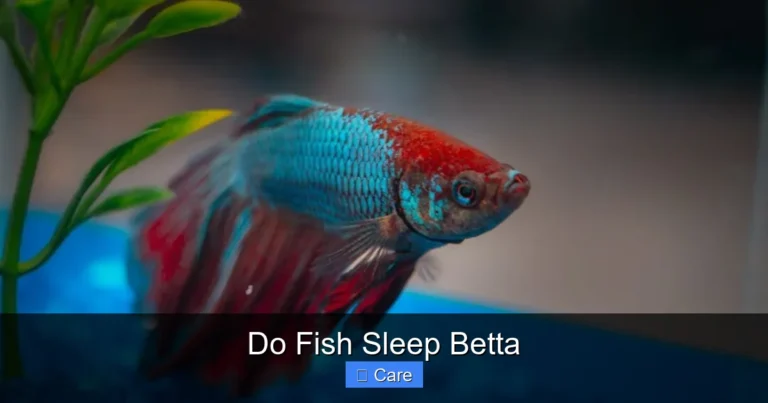
How Many Years Can a Betta Fish Live With Proper Care

Betta fish typically live 2 to 4 years, but with the right care, some reach 5 years or more. Water quality, proper tank size, and a balanced diet play the biggest roles in extending their lifespan. This guide explains exactly what you need to do to help your betta thrive. You will learn simple steps that make a real difference in longevity.
Key Takeaways
- Typical lifespan: Most bettas live 2 to 4 years, with excellent care pushing that to 5 years or more.
- Tank size matters: A minimum of 5 gallons gives your betta enough space to swim and stay healthy.
- Water quality is critical: Clean, warm, filtered water prevents disease and supports a longer life.
- Diet drives longevity: High-quality pellets, frozen foods, and occasional fasting keep your betta strong.
- Temperature stability: Keep water between 76 and 80°F to avoid stress and immune problems.
- Low stress extends life: Gentle tank mates, hiding spots, and a calm environment reduce wear and tear.
- Regular checkups catch issues early: Watching for fin damage, color loss, or lethargy helps you act fast.
📑 Table of Contents
- How Many Years Can a Betta Fish Live With Proper Care
- Understanding Betta Fish Lifespan in the Wild vs. Captivity
- The Real Factors That Affect How Long a Betta Lives
- How to Maximize Your Betta Fish Lifespan
- Common Mistakes That Shorten a Betta Fish Life
- Expert Insights and Realistic Expectations
- Final Thoughts on Betta Fish Longevity
How Many Years Can a Betta Fish Live With Proper Care
If you just brought home a betta, you probably want to know how long your new friend will stick around. Betta fish lifespan questions come up all the time, and the answer is both simple and a little nuanced. In a good home, most bettas live between two and four years. Some even reach five years or more when their care is spot on. The key is understanding what drives that lifespan and what you can control.
A lot of people see bettas sold in tiny cups and assume they are low-maintenance pets. That idea causes real problems. A betta can survive in a small space for a while, but surviving is not the same as thriving. When you give your fish the right tank, clean water, proper food, and a calm environment, you give it a real chance at a longer, healthier life. This guide walks you through everything that matters, step by step.
Understanding Betta Fish Lifespan in the Wild vs. Captivity
Wild bettas live in shallow rice paddies, slow streams, and flooded fields in Southeast Asia. These waters are warm, often slightly murky, and full of natural food sources. Wild bettas face predators, changing seasons, and limited space, so their lifespans tend to be shorter and less predictable. In captivity, the story changes because you control the environment.
In a home aquarium, a betta does not have to worry about predators or sudden droughts. That sounds like a huge win, and it is. But captivity also brings new risks, like poor water quality, wrong temperatures, and bad feeding habits. When those risks are managed well, a betta can live much longer than many people expect. The difference between a two-year betta and a four-year betta usually comes down to daily care, not luck.
What the Average Betta Owner Should Expect
Most first-time betta owners can reasonably expect a lifespan of two to three years. That is the normal range when care is decent but not perfect. If you are already paying close attention to water changes, temperature, and food, you can push that range higher. A betta that gets consistent care from day one often shows better color, stronger fins, and more energy over time.
It also helps to remember that bettas are individuals. Some are naturally hardier, while others are more sensitive. Age at purchase matters too. A younger betta has more potential years ahead, while an older one may already be near the middle of its life. If you ever wonder about the age of your fish, you can read more in our guide on can you tell how old a betta fish is.
The Real Factors That Affect How Long a Betta Lives
Several care factors work together to shape your betta lifespan. None of them acts alone. Water quality, tank size, temperature, food, stress, and disease prevention all matter. When one area is weak, the others have to work harder to compensate. That is why a holistic approach works best.
Think of it like building a house. A strong roof does not help much if the foundation is shaky. In the same way, great food will not fully make up for dirty water or a tank that is too small. The good news is that you do not need fancy equipment to do this well. You just need consistency and a few solid habits.
Water Quality and Filtration
Clean water is the single biggest factor in betta health. Ammonia and nitrite build up from waste, uneaten food, and decaying plant matter. Those compounds stress fish and open the door to illness. A good filter helps, but it does not replace regular water changes. Even a gentle filter can make a big difference in keeping the water stable.
If you are wondering whether a betta can live in a tank without a filter, the short answer is that it is possible for a while, but not ideal for long-term health. You can learn more in our article on can betta fish live in a tank without a filter. For most home setups, a mild filter plus weekly water changes is a much safer path.
Tank Size and Environment
Tank size matters more than many people think. A small bowl may look cute, but it makes water quality harder to manage and gives your betta less room to move. A larger tank is usually easier to keep stable because there is more water to buffer changes. It also gives your fish a more natural swimming space.
If you are deciding between a bowl and a tank, it is worth looking at the pros and cons carefully. For example, our piece on can betta fish live in a bowl with bamboo shows how decorative setups can still work, but only when the basics are right. In general, a 5-gallon tank or larger is a smart starting point for long-term care.
Temperature and Stability
Bettas are tropical fish, so they need warm water. Stable temperature matters just as much as the number on the thermometer. Sudden drops or spikes can stress a betta and weaken its immune system. A reliable heater and a thermometer help you avoid those swings.
Aim for a steady range near 76 to 80°F. That range supports normal metabolism and activity. If your room gets cold at night or hot during the day, your tank may need extra attention. A well-placed heater and a spot away from drafts or direct sunlight make a big difference.
Diet and Feeding Habits
Food affects energy, color, immunity, and overall longevity. A betta does best on a varied diet rather than the same flakes every day. High-quality pellets made for bettas are a solid base. Frozen or live foods like bloodworms or brine shrimp can add variety and interest. The key is portion control, because overfeeding causes waste and health issues.
It is also smart to plan for times when you cannot feed your fish normally. Many owners worry about vacations or busy weeks. If you want to know whether a betta can handle a short break, see our article on can betta fish live without food for a week. Short gaps are usually manageable, but regular feeding is still the goal.
Stress, Tank Mates, and Activity
Stress shortens life in subtle ways. Loud noises, constant tapping on the glass, aggressive tank mates, and crowded setups all add up. Bettas are often kept alone because males can be territorial. That does not mean they need a bare tank, though. Plants, soft decorations, and a quiet location help them feel secure.
If you are thinking about companions, proceed carefully. Some fish and invertebrates can coexist peacefully, while others create tension. For example, you may want to read can freshwater snail live with a betta fish if you are considering a snail. The right choice depends on your tank size, your betta personality, and how much space you can provide.
How to Maximize Your Betta Fish Lifespan
If your goal is a longer, healthier life for your betta, focus on a simple routine. Consistency beats perfection. A manageable schedule that you can actually keep up is better than an ideal plan you abandon after two weeks. Below are the habits that matter most.
Set Up the Tank the Right Way
Start with a tank that gives your betta room to swim and explore. Add a gentle filter, a heater, and a thermometer. Use dechlorinated water and a substrate that is easy to clean. If you want live plants, make sure they are safe and compatible with your setup. You can check can you put a live water plant with betta fish for plant ideas that work well in betta tanks.
A good setup does not need to be complicated. Keep it simple, stable, and easy to maintain. That makes weekly care less stressful for you and safer for your fish.
Build a Reliable Care Routine
A steady routine keeps water quality high and stress low. Here is a practical checklist you can follow:
- Weekly water changes: Replace about 25 to 50 percent of the water, depending on tank size and bioload.
- Filter maintenance: Rinse filter media in old tank water during water changes so beneficial bacteria stay intact.
- Temperature checks: Verify the heater and thermometer regularly, not just when something seems wrong.
- Feeding schedule: Offer small portions once or twice a day, only what your betta can finish quickly.
- Visual health checks: Look for torn fins, spots, bloating, or unusual hiding behavior.
This kind of routine helps you catch small problems before they become big ones. It also makes your tank more stable over time.
Feed for Health, Not Just Fullness
A healthy feeding plan supports a longer life. Offer a staple pellet food most days, then mix in occasional frozen or live treats. Variety keeps your betta interested and helps cover different nutritional needs. Avoid stuffing the tank with extra food, because leftover food breaks down and pollutes the water.
Some owners also use occasional fasting days to reduce waste and give digestion a break. That can be helpful if your betta seems sluggish after meals. The goal is balance, not restriction. A well-fed betta should look rounded and active, not bloated or lethargic.
Keep Stress Low and Enrichment High
A calm environment helps your betta feel safe. Place the tank where traffic is not constant, and avoid sudden vibrations near the glass. Add plants or decorations that break up lines of sight, especially if your betta seems tense. Enrichment also includes gentle interaction, like observing your fish and learning its normal behavior.
If you ever notice your betta hiding more than usual, check the basics first. Water parameters, temperature, and feeding are the usual suspects. A quiet tank with good cover often helps a nervous fish settle in.
Common Mistakes That Shorten a Betta Fish Life
Even well-meaning owners make mistakes. The good news is that most of them are fixable once you know what to look for. Avoiding these common pitfalls can make a real difference in lifespan.
Overcrowding and Poor Tank Choices
One of the biggest mistakes is choosing a home that is too small or too unstable. Tiny containers make water quality hard to manage and limit activity. Another mistake is adding too many fish or incompatible tank mates too quickly. If you are curious about mixing species, you can read can betta fish live with a bottom feeder before making changes. The right choice depends on your tank and your betta temperament.
Inconsistent Water Care
Skipping water changes or doing huge, abrupt changes can both cause problems. Small, regular maintenance is usually safer than occasional deep cleans. It also helps to test water sometimes, especially in new tanks. A stable cycle and steady maintenance routine reduce the risk of toxic spikes.
Feeding Errors and Temperature Neglect
Overfeeding is easy to do and hard on water quality. Underfeeding is less common, but it can leave your betta undernourished. Temperature neglect is another silent issue. A heater that stops working or a room that gets too cold can stress your fish before you notice. Simple daily observation prevents many of these problems.
Expert Insights and Realistic Expectations
Experienced betta keepers usually say the same thing: good care adds up over time. You do not need dramatic changes to see results. Small improvements in water stability, feeding, and tank setup often lead to better color, more activity, and fewer health issues. Those are the signs that your betta is doing well.
It also helps to keep expectations realistic. Not every betta will reach five years, even with great care. Genetics, early life history, and individual sensitivity all play a role. What you can control is the quality of the environment you provide. That is where your impact is biggest.
When to Pay Extra Attention
Watch for changes that last more than a day or two. Clamped fins, pale color, loss of appetite, or unusual swimming can signal stress or illness. Quick action matters because early treatment is easier than waiting until a problem gets worse. If you suspect something is off, start by checking water quality and temperature before assuming the worst.
A Simple Longevity Checklist
If you want a quick way to judge your setup, use this list:
- Tank size: Is your betta in a space that is easy to keep clean and stable?
- Water care: Are water changes regular and filter maintenance gentle?
- Temperature: Is the water warm and steady around the right range?
- Food: Is your betta getting a varied diet in sensible portions?
- Stress level: Is the tank quiet, decorated appropriately, and free of aggressive neighbors?
If you can answer yes to most of those, you are already doing a lot right.
Final Thoughts on Betta Fish Longevity
So, how many years can a betta fish live? With proper care, most bettas live several years, and many do best when their owners focus on stable water, enough space, good food, and low stress. A betta is not a short-term decoration. It is a living pet that responds beautifully to thoughtful care. The more consistent you are, the better your chances of enjoying your fish for the long haul.
If you are setting up a new tank or improving an existing one, start with the basics and build from there. Keep the water clean, keep the temperature steady, and feed with care. Those simple habits create the kind of environment where a betta can truly thrive.
Frequently Asked Questions
How many years can a betta fish live on average?
Most bettas live about 2 to 4 years with decent care. With excellent water quality, stable temperature, and a good diet, some can reach 5 years or more. Lifespan varies depending on genetics and daily maintenance.
What is the best tank size for a longer betta lifespan?
A 5-gallon tank or larger is usually a better choice than a small bowl because it is easier to keep stable. More water helps buffer temperature and water quality changes. That stability supports better long-term health.
Does a filter really help a betta live longer?
Yes, a gentle filter usually helps by keeping water cleaner and more stable. It does not replace water changes, but it makes maintenance easier and reduces harmful waste buildup. A calm flow is best for bettas.
How often should I feed my betta for good health?
Small portions once or twice a day are usually enough, as long as your betta eats what you offer. A varied diet with quality pellets and occasional treats works well. Avoid overfeeding, since leftover food pollutes the water.
Can stress really shorten a betta fish life?
Yes, ongoing stress can weaken a betta immune system and make it more prone to illness. Loud environments, aggressive tank mates, and poor water conditions all add to stress. A calm setup helps your fish stay healthier longer.
What are the first signs that a betta may not be doing well?
Common warning signs include clamped fins, faded color, hiding more than usual, loss of appetite, or strange swimming. If you notice these changes, check water quality and temperature first. Early attention often prevents bigger problems.