How Many Years Do Betta Fish Live Lifespan Guide
Most betta fish live between two and four years when given proper care. Their actual betta fish lifespan depends heavily on tank size, water quality, feeding habits, and stress levels. This guide breaks down every factor that influences longevity and shows you simple steps to help your fish thrive longer. You will also learn how to spot early warning signs and create a stable environment that supports healthy aging.
Key Takeaways
- Typical lifespan range: Healthy bettas usually live 2 to 4 years with consistent care.
- Tank size matters: A minimum of 5 gallons reduces stress and supports a longer betta fish lifespan.
- Water quality is critical: Clean, dechlorinated water with stable temperature prevents disease and extends life.
- Diet impacts longevity: High-protein pellets plus occasional treats prevent obesity and support immune health.
- Stress shortens life: Overcrowding, aggressive tank mates, and poor filtration can drastically reduce how many years do betta fish live.
- Early detection saves lives: Watching for color fading, lethargy, or clamped fins helps you address issues before they become fatal.
- Consistent routines work best: Regular water changes, stable heating, and predictable feeding schedules create the best conditions for aging bettas.
📑 Table of Contents
- Understanding the Average Betta Fish Lifespan
- How Many Years Do Betta Fish Live in Captivity
- Tank Size and Environment Impact on Longevity
- Diet and Feeding Habits That Extend Life
- Water Quality and Stress Management
- Health Monitoring and Aging Signs
- Practical Routine for Maximizing Betta Fish Lifespan
Understanding the Average Betta Fish Lifespan
Many new owners ask the same question: how many years do betta fish live? The honest answer depends on your daily care habits. In the wild, these colorful fish face predators, changing weather, and limited food. That environment usually limits their life to about one or two years. In a home aquarium, the story changes completely. With steady care, a betta fish lifespan often reaches three to four years. Some well-cared fish even push past five years.
The key is understanding that longevity is not about luck. It is about routine. Clean water, proper heating, and a balanced diet create the foundation for a longer life. Small mistakes add up quickly. Poor water quality causes stress. Stress weakens the immune system. A weak immune system opens the door to illness. Once you see that chain reaction, it becomes clear why daily habits matter so much.
You also need to remember that every fish is different. Genetics play a role. Some lines are simply hardier than others. Store-bought fish may already carry hidden stress from crowded shipping tanks. That is why the first few weeks in your home are so important. A smooth transition sets the tone for the entire betta fish lifespan ahead.
What Determines How Long They Live
Several factors work together to shape longevity. Tank size is one of the biggest. Small bowls create rapid water decay and temperature swings. Both of those issues strain the fish. Water parameters matter just as much. Stable pH, low ammonia, and proper hardness keep the body from working overtime. Diet is another major piece. Overfeeding leads to waste buildup and digestive problems. Underfeeding causes weakness and poor color.
Temperature control also plays a huge role. These fish come from warm tropical waters. Cold water slows their metabolism and makes them sluggish. Warm water that stays steady supports normal breathing, digestion, and activity. Finally, stress management ties everything together. Loud noise, sudden light changes, and aggressive neighbors all shorten life. When you control these variables, you give your fish the best chance to reach the upper end of the betta fish lifespan range.
Quick Tips for Longer Life
- Start with a 5-gallon tank or larger for stable water conditions.
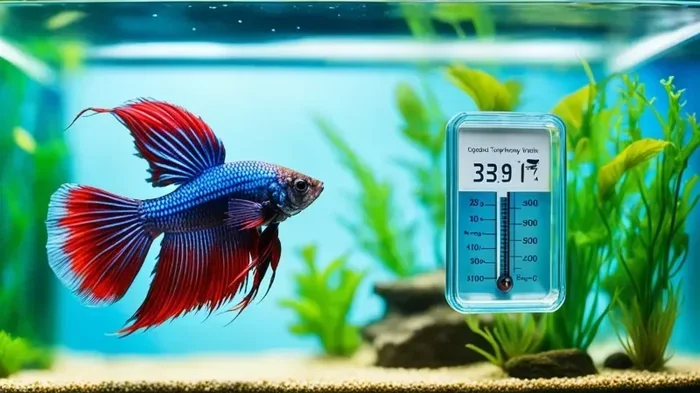
- Use a gentle heater to keep the water between 78 and 80 degrees Fahrenheit.
- Test water weekly and change 25 to 30 percent when ammonia or nitrites rise.
- Feed small portions twice a day instead of one large meal.
- Add live or silk plants so the fish can rest and explore without sharp edges.
How Many Years Do Betta Fish Live in Captivity
This is the core question for most owners. In a well-maintained aquarium, how many years do betta fish live usually falls between two and four years. That range covers most home setups. Fish kept in pristine conditions with low stress often reach the four-year mark. Fish kept in tiny unfiltered containers rarely make it past a year. The difference is not magic. It is basic husbandry.
Captivity actually offers a major advantage over the wild. You control the food. You control the temperature. You control the water changes. That means you can remove the biggest threats to longevity. The trade-off is responsibility. A captive fish depends entirely on you for survival. When you provide steady care, the betta fish lifespan can stretch well beyond wild expectations.
Typical Life Stages
Understanding life stages helps you set realistic expectations. Young bettas are active and vivid. They explore constantly and react quickly to movement. As they mature, their energy settles into a steady rhythm. Adult fish focus more on resting, patrolling territory, and eating. Senior fish move slower and may sleep more. Their color can fade slightly, and their fins may look less dramatic. None of that automatically means illness. It often just reflects a normal aging process.
Tracking these stages helps you adjust care over time. Older fish may need softer food and slightly gentler water flow. Younger fish may need more enrichment and consistent training to prevent boredom. Matching your routine to the life stage supports a healthier betta fish lifespan from youth through senior years.
Expert Insights on Longevity
Experienced keepers often say that consistency beats perfection. You do not need a fancy setup to get great results. You need a stable one. A simple tank with a reliable heater, a gentle filter, and a regular cleaning schedule usually outperforms a complex setup that gets neglected. The best results come from predictable routines. Fish thrive when they know what to expect.
Another common insight is that observation matters more than equipment. Watching your fish daily helps you notice small changes before they become big problems. A slightly clamped fin, a faded stripe, or a change in appetite can all signal trouble. Catching those signs early protects the betta fish lifespan and saves you from emergency treatments later.
Tank Size and Environment Impact on Longevity
Space is one of the strongest predictors of a long life. Many people still believe these fish do well in tiny bowls. That idea causes more harm than almost anything else. Small containers trap waste, swing in temperature, and limit oxygen exchange. All of those factors create chronic stress. Chronic stress shortens life. A larger tank gives the water room to stabilize. It also gives the fish room to swim and rest comfortably.
A 5-gallon tank is widely considered the practical minimum for a single fish. It holds enough water to dilute waste between changes. It also supports a stable temperature more easily than a shallow bowl. Larger tanks, such as 10-gallon setups, offer even more stability. They are easier to maintain because the water parameters shift more slowly. If you want to maximize betta fish lifespan, bigger is usually better.
Filtration and Water Flow
Filters help by removing waste and supporting beneficial bacteria. Those bacteria break down harmful compounds that would otherwise damage the fish. The trick is choosing the right flow. Strong currents tire these fish quickly because they are not built for racing water. A gentle sponge filter or a low-output hang-on-back filter usually works well. Calm water reduces exhaustion and supports a longer betta fish lifespan.
If you notice your fish struggling against the current, adjust the output or add a baffle. You can also place plants or decorations to break up the flow. The goal is clean water without constant fighting. When the environment feels manageable, the fish spends less energy on stress and more on normal daily life.
Common Mistakes With Tank Setup
- Using a bowl that is too small for stable water quality.
- Adding sharp decorations that tear delicate fins.
- Placing the tank in direct sunlight or near drafts.
- Skipping the cycling process before adding the fish.
- Overloading the tank with too many items that reduce swimming space.
Diet and Feeding Habits That Extend Life
Food is fuel, but it is also a major source of health problems when handled poorly. These fish need high-quality protein to stay strong. Pellets made for bettas usually provide a solid base. The problem starts when owners overfeed or rely on low-quality food. Excess food rots in the tank and spikes ammonia. Excess calories also lead to obesity, which strains the body and shortens the betta fish lifespan.
A better approach is small, measured meals. Offer only what the fish can finish in a couple of minutes. Many keepers feed twice a day with very small portions. That routine keeps energy steady without overwhelming the digestive system. It also keeps the water cleaner because less food ends up as waste. Clean water and balanced feeding work together to support longevity.
Best Food Choices
Staple pellets should form the core of the diet. Look for options with clear protein sources near the top of the ingredient list. Variety helps too. Occasional frozen or live foods can provide enrichment and extra nutrients. Many owners rotate in treats once or twice a week. That small amount of variety keeps the fish interested and supports a more complete diet.
Some keepers also use fasting days to help digestion. Skipping one meal per week can reduce bloating in some fish. That practice is not required for every individual, but it can be useful if you notice sluggishness or a swollen belly. As always, watch your fish and adjust based on what you see. Good feeding habits are one of the easiest ways to protect the betta fish lifespan.
Quick Comparison: Feeding Approaches
| Feeding Style | Pros | Cons |
|---|---|---|
| Small pellets twice daily | Steady nutrition, easy routine, less waste | Requires portion control |
| One large meal per day | Simple schedule | Higher waste, risk of bloating |
| Frequent treats | Enrichment, variety | Can unbalance diet if overused |
| Weekly fasting day | May aid digestion | Not ideal for every fish |
Water Quality and Stress Management
Water quality is the silent driver of health. Fish live in their environment every second of every day. If the water carries toxins, the fish absorbs them constantly. Ammonia and nitrite are especially dangerous because they damage gills and stress the body. Even low levels can wear a fish down over time. That slow wear reduces the betta fish lifespan without obvious warning signs at first.
The best defense is regular testing and partial water changes. You do not need to replace all the water at once. In fact, large changes can shock the fish. A steady 25 to 30 percent change each week usually keeps conditions stable. Use a water conditioner to remove chlorine and chloramine. Match the new water to the tank temperature as closely as possible. Those simple steps prevent many common problems.
Signs of Stress to Watch
Stress shows up in many ways. A fish that hides constantly may feel unsafe. A fish that flares repeatedly may be overwhelmed by reflections or tank mates. Faded color, rapid breathing, and clamped fins also suggest trouble. Sometimes the issue is environmental. Sometimes it is social. Either way, the answer is to identify the trigger and reduce it. Lower stress means a stronger immune system and a better chance at a full betta fish lifespan.
Noise and vibration can also matter more than people expect. Tanks near loud speakers, constant foot traffic, or slamming doors may keep the fish on edge. Moving the tank to a quieter spot can make a noticeable difference. Small environmental adjustments often improve behavior quickly.
Common Mistakes With Water Care
- Changing too much water at once and causing temperature shock.
- Using untreated tap water that contains chlorine.
- Cleaning the filter too aggressively and removing beneficial bacteria.
- Ignoring test results until the fish looks sick.
- Adding new decorations without rinsing them first.
Health Monitoring and Aging Signs
Watching your fish closely is one of the most powerful tools you have. Daily observation helps you learn what normal behavior looks like. Once you know the baseline, you can spot changes faster. A healthy fish usually explores, eats eagerly, and rests without looking weak. A declining fish may linger near the bottom, ignore food, or breathe heavily. Those changes deserve attention because early action protects the betta fish lifespan.
Aging brings its own patterns. Older fish often slow down. They may take longer to react and spend more time resting near plants or shelter. Their fins may appear slightly less full, and their colors may soften. These changes are not always signs of disease. They can simply reflect a natural decline. The challenge is telling the difference between aging and illness. When in doubt, check water quality first. Most health issues start with environmental stress.
When to Adjust Care for Older Fish
Senior fish may benefit from easier access to food and gentler surroundings. You can lower the flow a bit more if needed. You can also offer smaller pellets or soaked food if chewing seems difficult. Keep the schedule predictable so the fish does not have to adapt to constant changes. A calm, stable setup supports comfort in the later years of the betta fish lifespan.
It also helps to reduce unnecessary handling and disruptions. Avoid moving decorations around too often. Keep lighting on a steady cycle. Those simple habits make daily life easier for an older fish. Comfort matters just as much as nutrition when a fish is entering its senior phase.
Practical Routine for Maximizing Betta Fish Lifespan
The best routine is one you can actually maintain. Complex plans often fail because they are hard to repeat. A simple weekly rhythm works better for most people. Start by setting a fixed day for water testing and partial changes. Add a second check for filter performance and thermometer readings. Then keep feeding times consistent. Predictability reduces stress for both you and the fish.
A good daily habit is a quick visual check. Look at the fins, the eyes, the breathing, and the swimming pattern. Note anything unusual before it becomes a bigger issue. This kind of attention is what separates a short-lived fish from one that reaches the upper range of the betta fish lifespan. You do not need to be perfect. You just need to be consistent and responsive.
Key Takeaways for Long-Term Care
- Keep the tank at least 5 gallons with stable warmth and gentle filtration.
- Test water regularly and change it in small, steady amounts.
- Feed measured portions and avoid constant overfeeding.
- Reduce stress by limiting noise, aggressive tank mates, and sudden changes.
- Watch daily for behavior shifts and address problems early.
- Adjust care as the fish ages to maintain comfort and quality of life.
If you want to understand more about how these fish behave during rest, you may find it helpful to read about whether betta fish leave their eyes open when they sleep. Sleep patterns can reveal a lot about comfort and stress levels. You can also learn more about their natural feeding instincts by exploring whether betta fish eat live food. Those details help you build a more complete care routine.
Another useful topic is how bettas interact with their environment. If you are curious about their preferences for tank size and swimming space, check out whether betta fish like a lot of space. Understanding that preference can help you choose a setup that supports a longer, healthier life. Each of these details adds up to better daily care and a stronger betta fish lifespan over time.
Conclusion
So, how many years do betta fish live? With good care, most will give you two to four years of companionship, and some may go even longer. The real secret is not a single product or trick. It is a stable tank, clean water, thoughtful feeding, and calm surroundings. When those pieces come together, the betta fish lifespan has room to reach its full potential. Treat your fish as a living partner in a daily routine, and you will see the difference in energy, color, and longevity.
Frequently Asked Questions
How many years do betta fish live on average?
Most betta fish live between two and four years when kept in a clean, stable aquarium. Their exact betta fish lifespan depends on tank size, water quality, diet, and stress levels.
Can a betta fish live longer than 4 years?
Yes, some bettas live beyond four years with excellent care and low stress. Reaching that age usually requires consistent water changes, stable heating, and a balanced diet.
Do betta fish live longer in bigger tanks?
They often do, because larger tanks maintain steadier water conditions and reduce waste buildup. A more stable environment lowers stress and supports a longer betta fish lifespan.
What shortens a betta fish lifespan the most?
Poor water quality, overcrowding, cold temperatures, and overfeeding are among the biggest shortenings factors. Chronic stress from these issues weakens the fish over time.
How can I tell if my betta fish is aging or sick?
Aging usually brings slower movement and softer color, while illness often causes rapid breathing, clamped fins, or sudden appetite loss. Always check water quality first, since many health problems start there.
What is the best way to help a betta fish live longer?
The best approach is a simple, consistent routine with a heated tank, gentle filtration, regular water changes, and measured feeding. Watching your fish daily helps you catch problems early and protect its betta fish lifespan.