Can Betta Fish Live Without Food for a Week
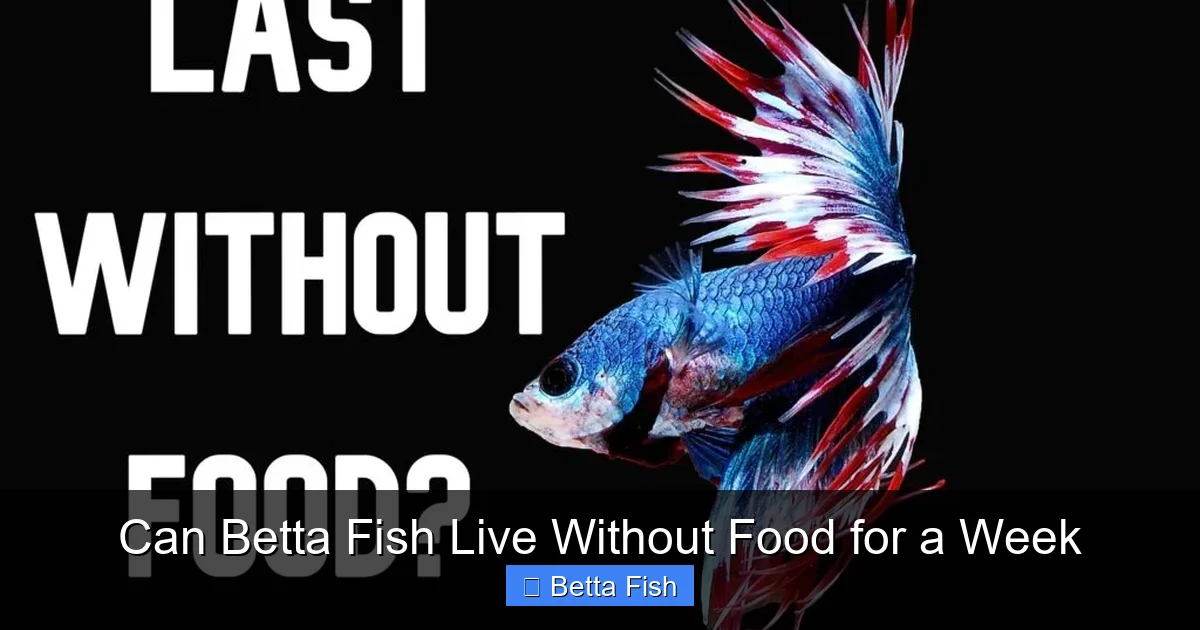
Betta fish can survive without food for about 7 to 10 days, but this doesn’t mean they should regularly go that long without eating. While bettas are hardy fish with slow metabolisms, extended fasting causes stress, weakens their immune system, and can lead to serious health problems. Understanding how long betta fish can live without food helps you plan better care and avoid putting your pet at risk.
Key Takeaways
- Survival window: Betta fish can typically survive 7 to 10 days without food, though this varies based on age, health, and water conditions.
- Not recommended: Just because they can survive doesn’t mean it’s safe or healthy to leave them unfed for a week.
- Metabolism matters: Bettas have slow metabolisms compared to many tropical fish, which helps them endure short fasting periods.
- Health risks: Extended fasting weakens the immune system, causes stress, and can lead to organ damage over time.
- Preparation is key: If you’re traveling, use automatic feeders, slow-release food blocks, or ask someone to feed your betta.
- Signs of starvation: Look for lethargy, loss of color, clamped fins, and a sunken belly as warning signs.
- Water quality: Clean, warm water becomes even more critical when a betta is not eating, as stress compounds in poor conditions.
📑 Table of Contents
- Can Betta Fish Live Without Food for a Week?
- How Long Can Betta Fish Actually Survive Without Food?
- What Happens to a Betta Fish When It Doesn’t Eat?
- Why Betta Fish Can Handle Fasting Better Than Other Fish
- How to Prepare Your Betta for a Week Without Feeding
- Signs Your Betta Fish Is Starving
- What to Feed Your Betta After a Period of Fasting
- Common Myths About Betta Fish and Fasting
- How Water Quality Affects a Fasting Betta
- Final Thoughts
Can Betta Fish Live Without Food for a Week?
So you’re planning a trip, or maybe you just forgot to pick up betta food at the store. Either way, you’re probably wondering — can betta fish live without food for a week? It’s one of the most common questions new betta owners ask, and honestly, it’s a really important one. The answer isn’t as simple as a yes or no. There’s a lot that goes into how long a betta can go without eating, and understanding the details could mean the difference between a healthy fish and a sick one.
Betta fish, also known as Siamese fighting fish, are known for being tough little survivors. They come from the shallow rice paddies and slow-moving waters of Southeast Asia, where food isn’t always available every single day. Over thousands of years, they’ve adapted to handle periods of scarcity. But there’s a big difference between surviving and thriving. Let’s break down everything you need to know about how long betta fish can live without food, what happens to their bodies during fasting, and how to make sure your betta stays healthy even when life gets busy.
How Long Can Betta Fish Actually Survive Without Food?
The General Rule
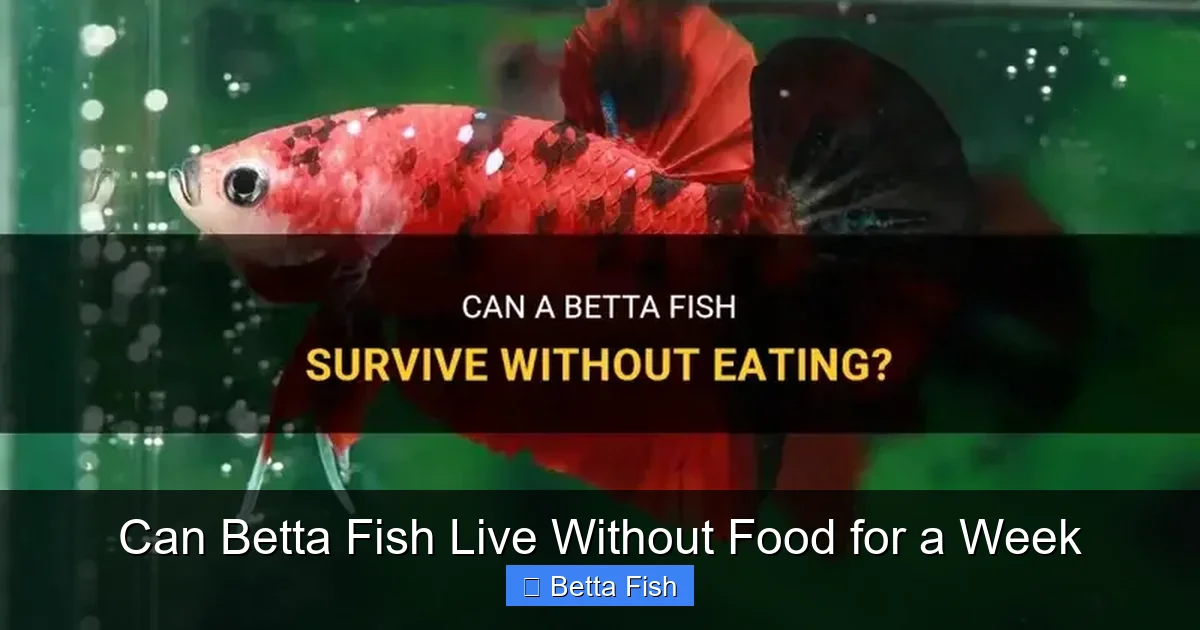
Most experienced betta keepers and aquatic veterinarians agree that a healthy adult betta fish can survive without food for approximately 7 to 10 days. Some sources even suggest that under ideal conditions, a betta might push that to 14 days. But here’s the thing — survival doesn’t mean the fish is doing well. By day 5 or 6, your betta is already under significant stress, and every day after that increases the risk of permanent damage.
Visual guide about Can Betta Fish Live Without Food for a Week
Image source: petshun.com
If you want to dive deeper into the specifics, check out our detailed guide on how long a betta fish can live without food, which covers different scenarios and age groups in more detail.
Factors That Affect Survival Time
Not all bettas are created equal when it comes to fasting. Several factors determine exactly how long your specific fish can handle without food:
- Age: Younger bettas and fry need to eat more frequently because they’re still growing. A baby betta might only survive a few days without food, while an adult can last much longer.
- Overall health: A betta that’s already dealing with illness or stress will have a much harder time fasting than a healthy one.
- Water temperature: Warmer water speeds up a fish’s metabolism, meaning they burn through energy faster. Bettas in cooler water tend to have slower metabolisms and can last a bit longer without eating.
- Body condition: A well-fed betta with some fat reserves will survive longer than one that’s already underweight.
- Stress levels: A betta living in a stressful environment — like a small bowl with poor water quality — will deteriorate faster during a fast.
What Happens to a Betta Fish When It Doesn’t Eat?
The First Few Days
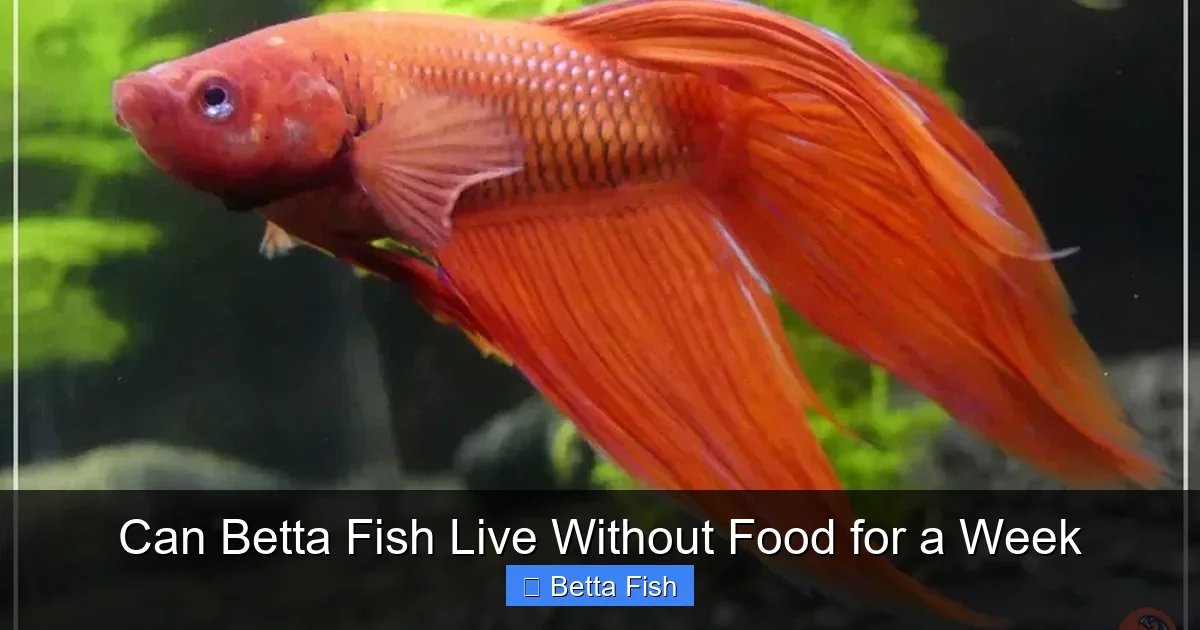
During the first 2 to 3 days without food, your betta probably won’t show any major signs of distress. Their bodies start tapping into stored energy reserves, and their metabolism slows down to conserve energy. You might notice your betta becoming a little less active, but overall, things seem normal. This is the phase where most people think, “See? My betta is fine without food.” But appearances can be deceiving.
Visual guide about Can Betta Fish Live Without Food for a Week
Image source: aquariumnexus.com
Days 4 to 7
This is when things start to get serious. By day 4 or 5, your betta’s energy reserves are running low. You’ll likely notice some visible changes:
- Loss of color: Your betta’s vibrant hues may start to fade or look dull.
- Lethargy: They’ll become noticeably less active and may spend more time resting at the bottom of the tank.
- Clamped fins: Instead of flowing beautifully, the fins may appear held close to the body.
- Sunken belly: The stomach area may look concave, which is a clear sign of weight loss.
At this stage, the immune system is starting to weaken. Your betta becomes much more vulnerable to diseases like fin rot, ich, and fungal infections. Even if they survive the fast, they might develop health problems shortly after.
Beyond a Week
Once you pass the one-week mark without food, the situation becomes critical. Organ function starts to decline, and the risk of death increases significantly. The fish’s body begins breaking down muscle tissue for energy, which causes irreversible damage. If your betta has gone more than 7 days without eating, you need to start reintroducing food very slowly to avoid digestive shock.
Why Betta Fish Can Handle Fasting Better Than Other Fish
Evolutionary Adaptations
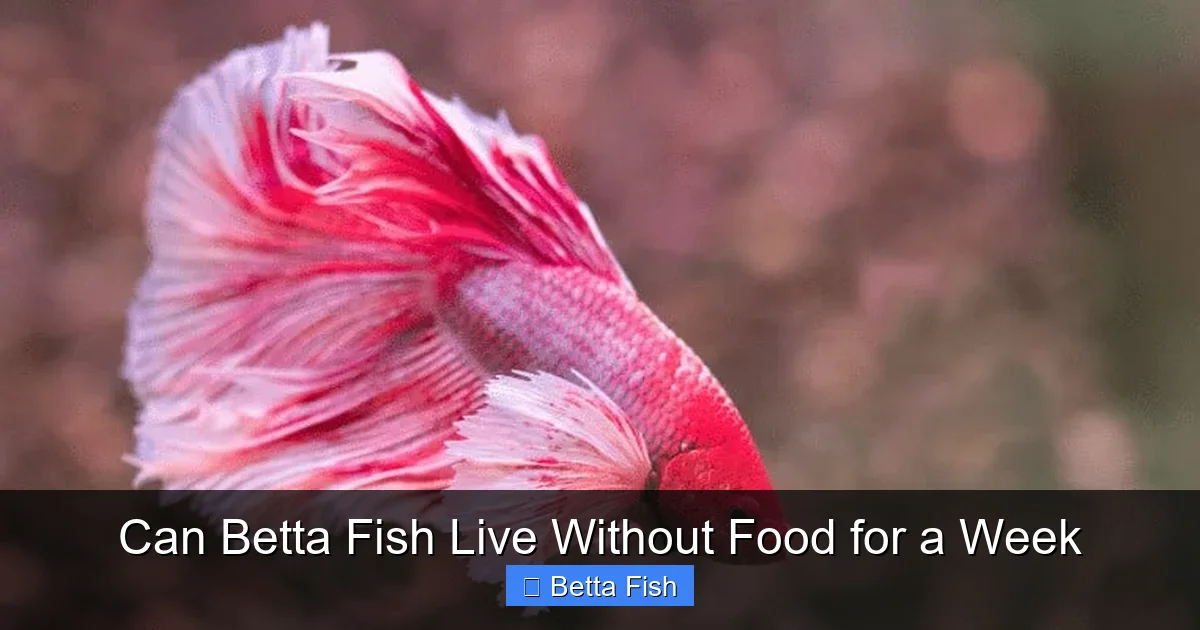
Betta fish have evolved in environments where food availability fluctuates dramatically. In their native habitats in Thailand, Cambodia, and Vietnam, they live in shallow ponds, rice paddies, and slow-moving streams. During dry seasons, water levels drop, and food becomes scarce. Bettas that could survive these periods passed on their genes, creating a species that’s naturally equipped to handle short-term fasting.
Visual guide about Can Betta Fish Live Without Food for a Week
Image source: aquariumsphere.com
Slow Metabolism
Compared to many other tropical fish, bettas have a relatively slow metabolism. They don’t need to eat as frequently as, say, a tetra or a guppy. This slower metabolic rate means they burn through their energy reserves at a slower pace, giving them a longer window without food. However, this advantage has its limits, and pushing a betta too far can still be fatal.
Labyrinth Organ Advantage
One unique feature that sets bettas apart is their labyrinth organ. This special structure allows them to breathe atmospheric air directly from the surface, in addition to extracting oxygen from the water through their gills. This adaptation means bettas can survive in low-oxygen environments where other fish would perish. While this doesn’t directly relate to fasting, it does contribute to their overall hardiness and ability to endure stressful conditions.
How to Prepare Your Betta for a Week Without Feeding
Option 1: Automatic Fish Feeders
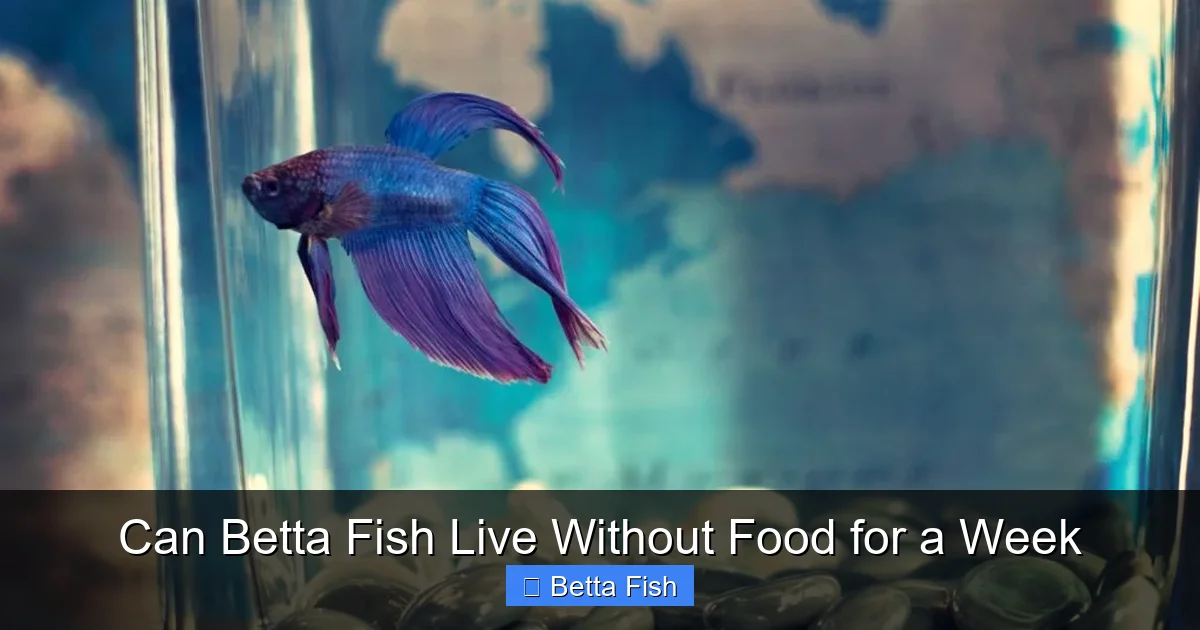
The best solution for keeping your betta fed while you’re away is an automatic fish feeder. These devices can be programmed to dispense a set amount of food at specific times each day. They’re affordable, reliable, and take the guesswork out of vacation feeding. Just make sure to test the feeder for a few days before you leave to ensure it’s dispensing the right amount.
Visual guide about Can Betta Fish Live Without Food for a Week
Image source: yourhousepet.com
Option 2: Slow-Release Feeding Blocks
Vacation feeding blocks are another popular option. These blocks slowly dissolve in the water, releasing small amounts of food over several days. They’re convenient, but they do come with a downside — they can affect water quality. If you use a feeding block, make sure your tank has adequate filtration, and do a water change as soon as you get back.
Option 3: Ask a Friend or Neighbor
Having someone stop by every day or every other day to feed your betta is probably the most reliable method. The key is to pre-portion the food into small containers or pill organizers so your helper doesn’t overfeed. Overfeeding is actually more dangerous than underfeeding because excess food decays and ruins water quality fast. Leave clear written instructions about how much to feed and what to watch for.
Option 4: Combination Approach
For extra peace of mind, you can combine methods. Set up an automatic feeder and also have a friend check in every couple of days. This way, if the feeder malfunctions, there’s a backup plan. It’s always better to be over-prepared than to come home to a sick or starving fish.
Signs Your Betta Fish Is Starving
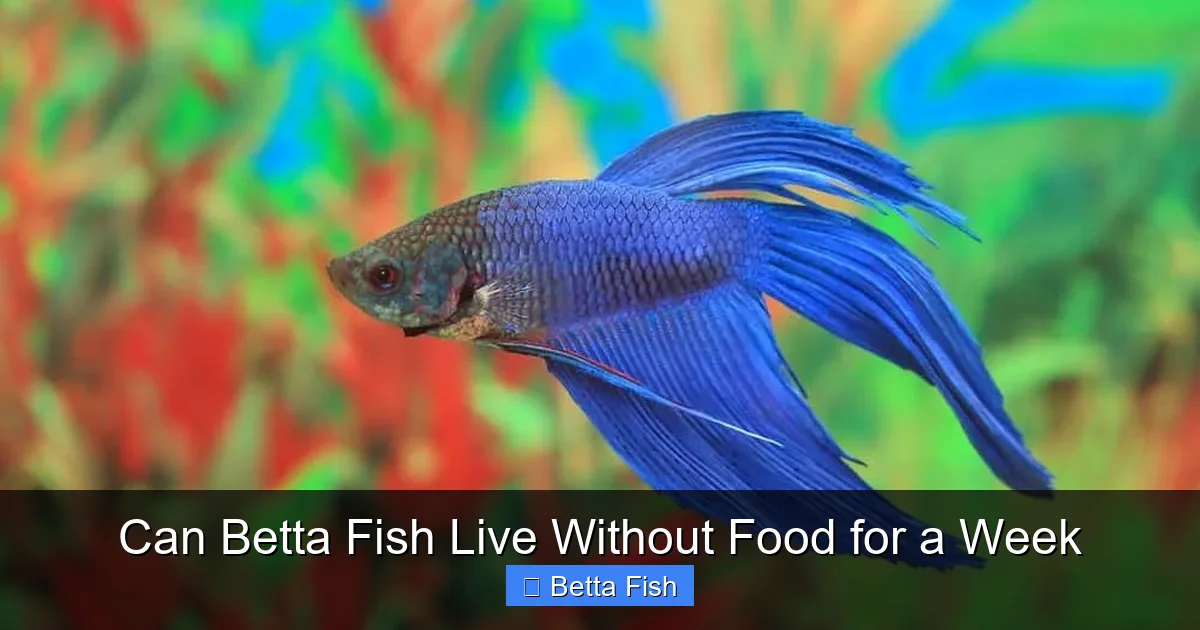
Knowing how to spot the signs of starvation can help you take action before it’s too late. Here’s what to look for if you suspect your betta hasn’t eaten in a while:
Visual guide about Can Betta Fish Live Without Food for a Week
Image source: fishtankmaster.com
- Sunken or concave belly: This is the most obvious physical sign. A healthy betta should have a slightly rounded belly. If it looks pinched or hollow, your fish hasn’t eaten in too long.
- Faded color: Bettas are famous for their brilliant colors. When they’re stressed or starving, those colors dull significantly.
- Extreme lethargy: While bettas do rest a lot, a starving betta will be almost completely inactive, barely moving even when stimulated.
- Clamped fins: Fins held tight against the body instead of fanning out naturally.
- Loss of appetite when food is offered: Ironically, a betta that has gone too long without food may refuse to eat when food is finally offered. Their digestive system can become compromised during extended fasting.
- Erratic swimming or loss of balance: In severe cases, a starving betta may swim erratically or have trouble maintaining its position in the water.
If you notice any of these signs, start feeding small amounts of high-quality food immediately. Don’t dump in a bunch of food at once — their stomachs are only about the size of their eyeball. Start with a few pellets or a small portion of frozen food and gradually increase over a couple of days.
What to Feed Your Betta After a Period of Fasting
Start Slow
After a period of not eating, your betta’s digestive system needs time to readjust. Start with a very small amount of food — maybe half of what you’d normally feed. Wait a few hours and offer a little more. Over the course of 2 to 3 days, gradually return to your normal feeding schedule.
Choose Easily Digestible Foods
After fasting, it’s best to offer foods that are easy on the stomach. Freeze-dried bloodworms (soaked in tank water first) or high-quality betta pellets are good options. Avoid heavy or hard-to-digest foods right away. You can learn more about proper nutrition in our article about feeding betta fish live food, which covers the best dietary options for recovery.
Monitor Closely
Keep a close eye on your betta for the first few days after resuming feeding. Watch for signs of bloating, constipation, or swim bladder issues, which can occur when a fish eats too much too quickly after fasting. If anything seems off, withhold food for another day and then try again with a smaller portion.
Common Myths About Betta Fish and Fasting
Myth: Bettas Are Fine Without Food for Weeks
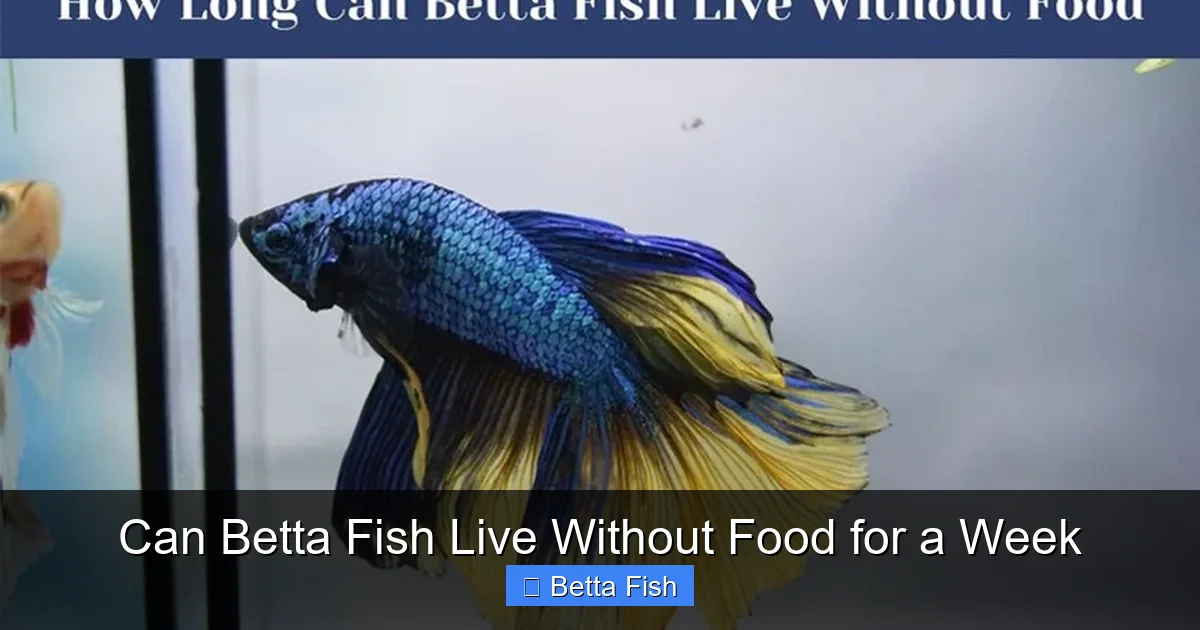
This is probably the most dangerous myth out there. While bettas are hardy, they are not invincible. Going weeks without food will almost certainly result in death or severe organ damage. The 7 to 10 day survival window is a worst-case scenario, not a recommendation.
Visual guide about Can Betta Fish Live Without Food for a Week
Image source: pondsinfo.com
Myth: Bettas Can Eat Algae and Plant Matter in the Tank
Some people believe that bettas can survive by eating algae or plant leaves in their aquarium. While bettas might occasionally nibble on plants out of curiosity, they are carnivorous fish that require protein-rich diets. They cannot sustain themselves on algae or plant matter alone.
Myth: Fasting One Day a Week Is Always Beneficial
There’s some truth to this one — a single fasting day per week can help prevent constipation and give the digestive system a break. However, this should only be practiced with healthy, well-fed bettas. If your fish is already underweight or recovering from illness, skip the fasting day.
Myth: Betta Fish Only Need to Eat Once a Week
Absolutely not. Bettas should be fed once or twice daily with small portions. Feeding once a week is a recipe for malnutrition and a shortened lifespan. For more information on proper feeding schedules, check out our guide on how long bettas can go without food.
How Water Quality Affects a Fasting Betta
When your betta isn’t eating, water quality becomes even more important than usual. A stressed fish in poor water conditions will deteriorate much faster than one in a clean, well-maintained tank. Here’s what to focus on:
- Temperature: Keep the water between 76°F and 82°F. A stable, warm temperature supports your betta’s immune system and keeps metabolism steady.
- Ammonia and nitrite levels: Both should be at 0 ppm. Test your water before you leave and make sure the cycle is stable.
- Water changes: Do a 25-30% water change the day before you leave to ensure the water is pristine.
- Filtration: Make sure your filter is running properly. A good filter keeps the water clean and oxygenated, which is crucial for a fasting betta.
Understanding the relationship between water quality and your betta’s health is essential. If you’re curious about how tank conditions affect your fish’s wellbeing, our article on whether bettas can live in a bowl without a filter offers valuable insights.
Final Thoughts
So, can betta fish live without food for a week? Technically, yes — most healthy adult bettas can survive 7 to 10 days without eating. But should you let them? Absolutely not. A week without food puts serious stress on your betta’s body, weakens their immune system, and can lead to long-term health problems or even death.
The good news is that keeping your betta fed while you’re away doesn’t have to be complicated. Automatic feeders, vacation food blocks, or a trusted friend can all do the job. A little planning goes a long way in making sure your betta stays healthy, happy, and vibrant. Remember, your betta depends on you for everything — including regular meals. Treat them well, and they’ll reward you with their stunning colors and fascinating personalities for years to come.
Frequently Asked Questions
Can a betta fish die from not eating for a week?
Yes, a betta fish can die from not eating for a week, especially if it’s young, already unhealthy, or living in poor water conditions. While healthy adult bettas can typically survive 7 to 10 days without food, the risk of death increases significantly after day 5 or 6. Prolonged fasting weakens the immune system and can cause organ failure.
How often should I feed my betta fish?
You should feed your betta fish once or twice a day, offering only as much food as they can consume in about 2 minutes. A good rule of thumb is 2 to 3 pellets per feeding. Some owners choose to implement one fasting day per week to help prevent digestive issues like constipation and bloating.
What should I do if my betta hasn’t eaten in 5 days?
If your betta hasn’t eaten in 5 days, start by offering a very small amount of easily digestible food, such as a single pellet or a tiny portion of soaked freeze-dried bloodworms. Gradually increase the portion size over the next few days. Also check your water parameters, as poor water quality can cause appetite loss.
Can I leave my betta fish alone for a weekend?
Yes, leaving your betta fish alone for a weekend (2 to 3 days) is generally safe for a healthy adult. Bettas can easily handle a couple of days without food. Just make sure the water is clean, the temperature is stable, and the filter is running properly before you leave.
Do betta fish eat less in colder water?
Yes, betta fish tend to eat less and have slower metabolisms in colder water. Their bodies require less energy to function when the temperature drops, so they naturally consume less food. However, keeping your betta in water that’s too cold is dangerous and can lead to illness, so always maintain a temperature between 76°F and 82°F.
What are the best foods for betta fish?
The best foods for betta fish include high-quality betta-specific pellets as a staple diet, supplemented with frozen or freeze-dried foods like bloodworms, brine shrimp, and daphnia. These protein-rich options mimic their natural diet and help maintain vibrant colors and good health. Avoid generic tropical fish flakes, as they often lack the protein bettas need.