How Many Times to Feed Betta Fish
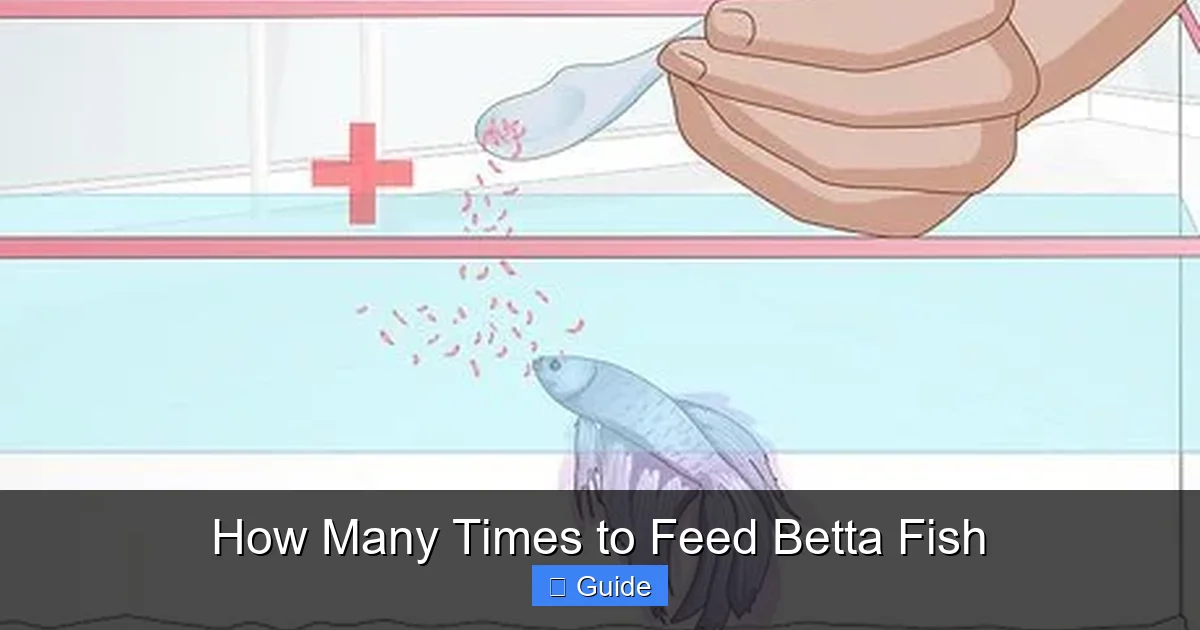
Feeding your betta fish correctly is crucial for its health and longevity. The general rule is to feed your betta once or twice a day, offering only what it can consume in 2-3 minutes, typically 2-3 pellets or a small pinch of frozen food. Overfeeding is the #1 mistake betta owners make, leading to serious health issues like constipation, swim bladder disorder, and fatal water pollution. Consistency, portion control, and a varied high-protein diet are the keys to a thriving, colorful companion.
Key Takeaways
- Feed 1-2 Times Daily: Adult bettas thrive on one meal a day, with a second smaller meal optional. This matches their natural grazing habits and prevents overloading their tiny digestive systems.
- Portion Size is Critical: A betta’s stomach is roughly the size of its eye. Feed 2-3 high-quality pellets or an equivalent small portion of frozen/brine shrimp. If food sinks to the bottom uneaten, you’ve fed too much.
- Implement a Weekly Fast: Skipping one full day of feeding each week is highly beneficial. It gives their digestive system a rest, helps clear any minor blockages, and mimics natural food scarcity in the wild.
- Variety is Essential: Never rely on pellets alone. Rotate between high-quality pellets, frozen foods (bloodworms, brine shrimp), and occasional live foods (daphnia) to provide a complete nutrient profile and stimulate natural hunting behavior.
- Observe and Adjust: Watch your betta during feeding. If it doesn’t eat eagerly or leaves food, adjust the portion or type. A healthy betta will be alert and interested in food at feeding time.
- Water Quality Dictates Health: Overfeeding directly causes ammonia spikes from decaying food. Perform regular water changes (25-50% weekly) and use a gravel vacuum to remove uneaten pellets immediately after feeding to maintain pristine water conditions.
- Age Matters: Young betta fry need 3-4 tiny meals daily of infusoria or baby brine shrimp. As they mature, gradually reduce to the adult schedule. Senior bettas may only need one small meal per day.
📑 Table of Contents
- The One Question Every Betta Owner Asks: How Often Should I Feed?
- Understanding Your Betta’s Tiny Tummy: The Biology Behind the Schedule
- The Golden Rule: Once or Twice a Day, But What’s the “Once”?
- The Art of the Portion: Seeing is Believing
- Building the Perfect Betta Buffet: Diet Variety and Food Choices
- The Domino Effect: How Overfeeding Destroys Your Tank and Your Fish
- Putting It All Together: Your Complete Betta Feeding Schedule & Checklist
- Conclusion: Feeding as an Act of Love Through Restraint
The One Question Every Betta Owner Asks: How Often Should I Feed?
So, you’ve brought home that stunning, flowing-finned Siamese fighting fish. You’ve set up the perfect tank with a heater, filter, and beautiful plants. Now comes the daily ritual: feeding time. And with it, a wave of doubt. How much is too much? How little is too little? What if I starve him? The single most common question in betta care is, without a doubt, “How many times a day should I feed my betta fish?” It seems simple, but the answer is layered with nuance, biology, and a heavy dose of myth-busting. Getting this right isn’t just about filling a belly; it’s the cornerstone of preventing disease, maintaining crystal-clear water, and ensuring your aquatic jewel lives its full, vibrant 3-5 year lifespan.
Let’s settle this once and for all. The short, definitive answer is: Feed your adult betta fish once or twice a day, offering only what it can completely consume in 2-3 minutes. That’s it. But why? What happens if you deviate? And what exactly does “what it can consume” look like? This guide will dive deep into the physiology of your betta, debunk the “feed more” myth, and provide you with a crystal-clear, actionable feeding strategy that will have your betta thriving, not just surviving. We’ll talk portion sizes, food types, the magic of a weekly fast, and the undeniable link between your feeding hand and your aquarium’s water chemistry. By the end, you’ll move from a worried beginner to a confident, knowledgeable betta caretaker.
Understanding Your Betta’s Tiny Tummy: The Biology Behind the Schedule
To understand the “how often,” we must first understand the “why.” Your betta fish, with its labyrinth organ that allows it to breathe air, is a predator from the shallow, warm waters of Thailand’s rice paddies and slow-moving streams. In the wild, its diet consists of insects, mosquito larvae, tiny crustaceans, and zooplankton. It’s a opportunistic hunter, not a constant grazer. It might score a big meal one day and go hungry the next. This evolutionary history is the key to modern captive feeding.
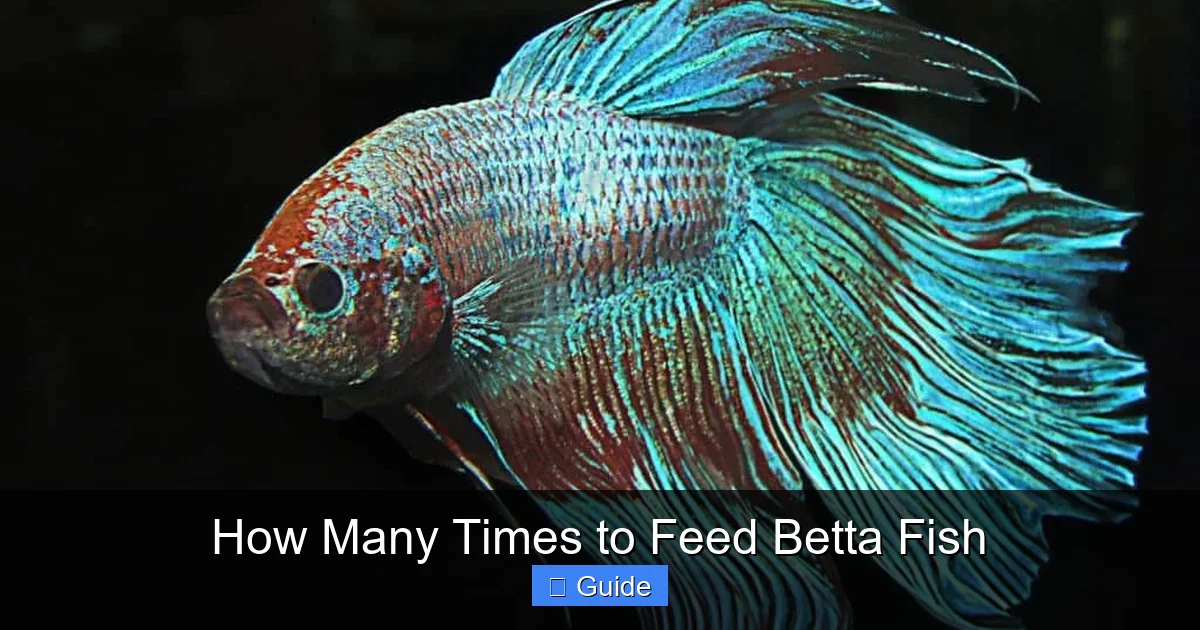
Visual guide about How Many Times to Feed Betta Fish
Image source: cafishvet.com
A Stomach Smaller Than Its Eye
The most critical visual cue for portion control is your betta’s own eyeball. A healthy adult betta’s stomach is approximately the size of one of its eyes. This is not a rough estimate; it’s a biological fact. Overfeeding means forcing food into a digestive system that physically cannot process it efficiently. When you dump a scoop of pellets into the tank, you’re likely offering a meal several times the size of that tiny stomach. The excess food doesn’t just sit there; it begins to decompose in the water, and the undigested material sits in your betta’s gut, leading to serious complications.
The Slow Metabolism of a Cold-Blooded Carnivore
Betta fish are ectothermic (cold-blooded). Their metabolic rate is directly tied to the water temperature. In the warm, stable 78-80°F (25.5-26.5°C) we maintain in their tanks, their metabolism is active but not ravenous. They do not have the high-energy, fast-burning metabolism of a mammal. They process food slowly. Feeding them multiple large meals a day is like asking a human to run a marathon after a Thanksgiving dinner every few hours—it’s inefficient, stressful, and damaging.
The Golden Rule: Once or Twice a Day, But What’s the “Once”?
Now we get to the practical application. The consensus among reputable betta breeders and veterinarians is clear: one substantial meal per day is perfectly sufficient for a healthy adult betta. This single feeding should provide all the nutrients it needs for 24 hours. A second, much smaller feeding can be offered 12 hours later, but it must be a true “snack”—think one or two pellets max. For many bettas, especially those with less active personalities or prone to constipation, one meal a day is ideal.
Visual guide about How Many Times to Feed Betta Fish
Image source: bettafishbay.com
Why not three times a day? The risk of overfeeding compounds with each additional meal. Even if each meal is small, the cumulative load on the digestive system and the bio-load on the aquarium’s nitrogen cycle (from waste and uneaten food) increases significantly. Consistency is also key. A betta’s digestive system expects food at roughly the same time each day. A erratic feeding schedule can cause stress and digestive upset.
What About Fasting? The Power of a Day Off
Here’s a pro-tip that separates good owners from great ones: implement a weekly fast. Choose one day a week—often Sunday is convenient—and feed your betta absolutely nothing. No pellets, no snacks. This 24-hour period is not cruel; it’s incredibly beneficial. It gives the entire digestive tract a complete rest, allowing any minor blockages or undigested material to pass naturally. In the wild, a day without food is standard. This practice is a powerful preventative measure against constipation and swim bladder disease, two of the most common ailments in captive bettas. Your betta will be fine and will often be even more enthusiastic at the next day’s first meal.
The Art of the Portion: Seeing is Believing
Knowing the frequency is only half the battle. The other half is the actual amount. This is where most owners, driven by a desire to care for their pet, go wrong. We see a fish swim to the top and beg (a learned behavior, not always a sign of hunger!), and we feel compelled to give more. We must disconnect emotion from feeding and focus on objective measurement.
The Pellets Per Day Method
For high-quality, sinking betta pellets (which should be the staple of their diet), the rule is simple: 2-3 pellets per day for one feeding, or 1-2 pellets per feeding if feeding twice. Let that sink in. That’s it. A single pinch of pellets from the container should be enough for an entire day. If your betta is large or particularly active, you might edge toward 4 pellets once a day, but never exceed the “eye-sized stomach” principle. Use a dedicated spoon or your thumb and forefinger to measure this out consistently. Never guess by pouring from the container directly into the tank.
The Frozen Food Equivalent
Frozen foods like bloodworms or brine shrimp are excellent supplements but are less dense. A “portion” here is a small chunk about the size of a pea, or a small pinch of the frozen block that, once thawed, equals roughly 3-4 pellets in volume. Since these foods are mostly water, you can offer a slightly larger volume by weight, but the same 2-3 minute consumption rule applies. Thaw a small piece in a dish of tank water first, then use a pipette or turkey baster to squirt it near your betta.
The “No Leftovers” Mandate
This is the ultimate test. After offering the measured portion, watch your betta. It should actively chase and consume every morsel within 2-3 minutes. If food is sinking to the substrate and being ignored, you have overfed. Immediately use a net or a gravel vacuum (during a water change) to remove every last uneaten pellet. Leftover food is a ticking time bomb. It will rot, spike your ammonia and nitrite levels, and cloud your water within hours. A clean tank after feeding is a sign of a correctly measured portion. A tank with pellets littering the bottom is a sign of a serious error.
Building the Perfect Betta Buffet: Diet Variety and Food Choices
A diet of only pellets, even high-quality ones, is like a human eating only fortified cereal. It’s complete, but it’s not optimal. In the wild, bettas consume a wide variety of prey. replicating this variety in captivity is essential for vibrant color, strong fins, and a robust immune system. Think of your betta’s diet as a pyramid.

Visual guide about How Many Times to Feed Betta Fish
Image source: bettafishbay.com
The Foundation: High-Quality Pellets
Choose pellets specifically formulated for bettas or carnivorous fish. They should list whole fish, shrimp, or squid as the first few ingredients, not fillers like wheat or soy. Avoid generic “tropical fish flakes.” Good pellets are nutrient-dense and hold their shape without disintegrating quickly, reducing water clouding. Brands like Hikari Betta Bio-Gold, New Life Spectrum Betta, and Fluval Bug Bites are excellent staples. This should make up 70-80% of your betta’s diet.
The Vital Middle: Frozen & Freeze-Dried Foods
This is where you add excitement and key nutrients. Offer a frozen or freeze-dried food 2-3 times a week in place of a pellet meal. Excellent choices include:
- Bloodworms: A classic favorite, rich in protein. Use sparingly as a “treat” due to high fat content.
- Brine Shrimp: The ultimate gut-loading food. They are easy to digest and excellent for conditioning and color. The #1 recommendation for a regular supplement.
- Daphnia: Tiny water fleas. Fantastic for digestion and a natural laxative. Perfect to offer after a pellet meal if you suspect constipation.
Always thaw frozen foods in a cup of tank water before feeding. Never feed straight from the frozen block.
The Occasional Peak: Live Foods
Live foods like microworms, vinegar eels, or small mosquito larvae are the ultimate in stimulation. They trigger intense hunting behavior and are nutritionally superior. However, they carry a risk of introducing parasites or pollutants to your pristine tank. If you choose to use them, source them from a trusted aquarium supplier or culture your own, and use them as a rare treat (once a month or less), not a staple.
The Domino Effect: How Overfeeding Destroys Your Tank and Your Fish
We’ve emphasized portion control, but it’s worth understanding the catastrophic chain reaction that starts with one extra pinch of food. This is why the “how many times” question is so serious.
Step 1: The Un-eaten Pellet
Food that is not eaten within 3 minutes begins to break down. Bacteria immediately colonize it, consuming oxygen and releasing ammonia (NH3), which is highly toxic to fish. Even a few pellets can spike ammonia in a 5-gallon tank.
Step 2: The Overstuffed Gut
Food that is eaten but exceeds the stomach’s capacity sits undigested. This mass of rotting food in the intestinal tract causes severe constipation. The physical pressure of this impacted mass against the swim bladder (a gas-filled organ that controls buoyancy) leads to Swim Bladder Disorder (SBD). Your betta will float upside down, sink to the bottom, or swim erratically. SBD is almost always a direct result of overfeeding and/or constipation.
Step 3: The Internal Pollution
A constipated betta produces more waste, and that waste is often loose and discolored. More waste means more ammonia and nitrite entering the water column from the fish itself, compounding the pollution from the uneaten food. The filter, no matter how good, can be overwhelmed.
Step 4: The Visible Decline
The combined stress of internal discomfort (from constipation) and external water toxicity (from ammonia) suppresses the immune system. Your betta becomes lethargic, loses its vibrant color, its fins may clamp or fray, and it becomes susceptible to opportunistic infections like fin rot or velvet. The vibrant, curious fish you brought home becomes a listless, sickly shadow. And it all started with feeding too much, too often.
Putting It All Together: Your Complete Betta Feeding Schedule & Checklist
Let’s synthesize all this information into a simple, actionable weekly plan. This is your blueprint for success.
Sample Weekly Feeding Schedule
- Monday: 2-3 high-quality betta pellets in the morning.
- Tuesday: 1-2 pellets in the morning, small pinch of thawed brine shrimp in the evening (12 hours later).
- Wednesday: 2-3 pellets in the morning.
- Thursday: 2-3 pellets in the morning.
- Friday: 1-2 pellets in the morning, small pinch of thawed daphnia in the evening.
- Saturday: 2-3 pellets in the morning.
- Sunday (FASTING DAY): NO FOOD. Clean the tank, prune plants, enjoy your fish without the feeding ritual.
Note: Adjust the “twice a day” days based on your betta’s body condition. If it starts to look too thin (spine visibly prominent), add a second tiny meal. If it becomes constipated, reduce to one meal and add more daphnia.
The Daily Feeding Checklist
Before you drop that food in, run through this mental list:
- Measure: Have I taken out 2-3 pellets (or equivalent) with my fingers or a spoon?
- Condition: Is the food the right type (pellets, thawed frozen) for today’s schedule?
- Observe: Is my betta active and coming to the top? (If not, skip or reduce the meal).
- Feed: Introduce food slowly near the surface.
- Watch: Does he eat it all within 2-3 minutes?
- Clean: Is there any leftover food? If yes, remove it immediately with a net.
Following this checklist turns feeding from a guessing game into a precise, health-promoting ritual.
Conclusion: Feeding as an Act of Love Through Restraint
Your instinct as a pet owner is to nurture, to give, to provide. With betta fish, the ultimate act of nurturing is often to withhold. It is to measure out that single, perfect pellet instead of pouring a handful. It is to walk past the tank on a Sunday without reaching for the food container. It is to trust that the wild, predatory spirit in your betta is built for intermittent feasts, not constant snacking.
By mastering the “how many times” and the “how much,” you do more than prevent swim bladder disease. You maintain water quality that requires less frantic crisis management. You foster a fish that is active, curious, and displays its full, breathtaking color palette. You extend its lifespan and its quality of life. You move from being a feeder to being a true steward. So take that deep breath, measure out those two pellets, watch your betta chase them with joyful abandon, and take pride in the knowledge that you are providing exactly what it needs—no more, and certainly no less. That’s the foundation of a beautiful, long-lasting partnership between you and your betta.
Frequently Asked Questions
What is the best type of food for a betta fish?
The best diet is a varied one. Use high-quality, carnivore-formulated betta pellets as your daily staple (2-3 per day). Supplement this 2-3 times per week with frozen or freeze-dried foods like brine shrimp, daphnia, or bloodworms. Avoid generic flake food and over-reliance on bloodworms due to their high fat content.
How can I tell if I’m overfeeding my betta?
The clearest signs are visible uneaten pellets sinking to the bottom after 2-3 minutes, cloudy or foul-smelling water shortly after feeding, a constipated appearance (a swollen, lumpy belly), and the development of swim bladder disorder where the fish floats or sinks uncontrollably. If you see any of these, immediately reduce portion size and fast the fish for 2-3 days.
Is it okay to skip a day of feeding my betta?
Yes, and it’s highly recommended! Implementing a weekly 24-hour fast is one of the best things you can do for your betta’s digestive health. It helps clear the system, prevents constipation, and mimics natural feeding patterns in the wild. Your betta will be fine and will often eat more eagerly the next day.
Can I give my betta treats like peas or vegetables?
No. Bettas are obligate carnivores. Their digestive systems are not designed to process plant matter. Foods like peas (often suggested for other fish) are inappropriate and can cause severe digestive issues for a betta. Stick to animal-based proteins like insects, shrimp, and worms.
What time of day is best to feed a betta?
Choose a consistent time each day, typically in the morning when you first observe the tank. If you feed twice, space the meals about 12 hours apart (e.g., 8 AM and 8 PM). Consistency is more important than the exact hour, as it helps regulate your betta’s metabolism and anticipation.
What happens if I accidentally underfeed my betta?
A single missed meal is harmless. Bettas can easily go 3-5 days without food without issue. Chronic underfeeding (consistently offering less than 1-2 pellets per day for an adult) will lead to weight loss, lethargy, faded color, and a weakened immune system. However, underfeeding is far less common and less immediately dangerous than the widespread problem of overfeeding.