How Many Times Do You Change a Betta Fish& 39
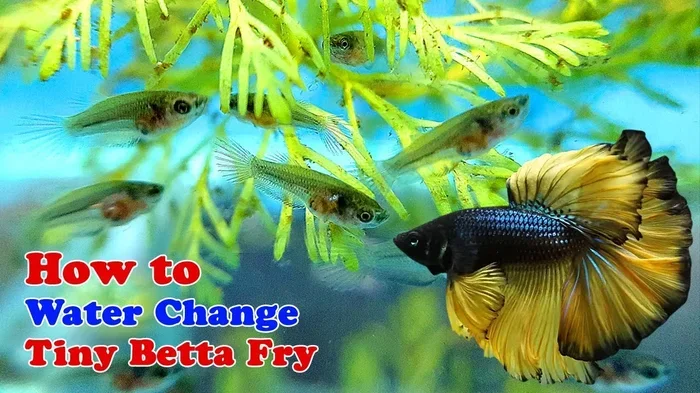
You should change your betta fish water 1 to 2 times per week for small tanks and less often for larger setups. Regular water changes remove harmful toxins and keep your betta fish healthy. This guide covers the exact schedule, step-by-step process, and common mistakes to avoid.
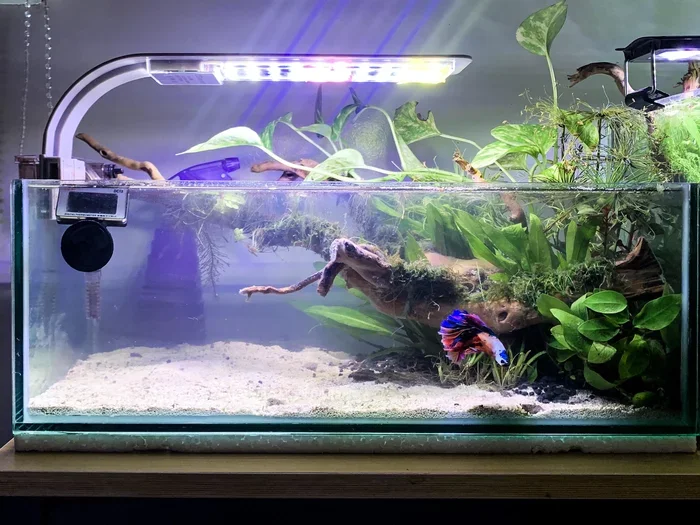
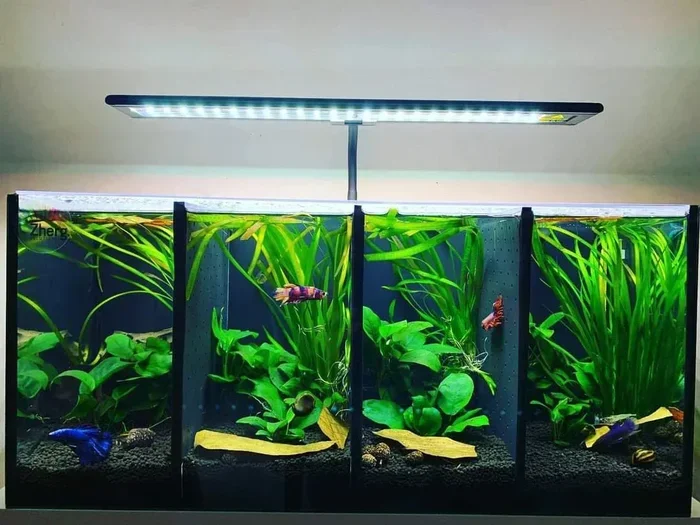
Keeping your betta fish healthy starts with one simple task: regular water changes. Many new fish owners ask, how many times do you change a betta fish tank, and the answer depends on a few key factors. Tank size, filtration, and stocking levels all play a role in determining your schedule.
A dirty tank is the number one killer of betta fish. Toxic chemicals like ammonia and nitrite build up fast in small spaces. These substances damage your fish’s gills, weaken its immune system, and can lead to serious illness. Consistent water changes remove these toxins before they become dangerous.
In this guide, we walk you through everything you need to know about changing your betta’s water. You will learn the ideal frequency, the step-by-step process, and the mistakes most beginners make. By the end, you will feel confident keeping your betta’s home clean and safe.
Key Takeaways
- Weekly Changes: Most betta tanks need a 20-30% water change every 3-7 days depending on tank size.
- Small Tanks Need More: Tanks under 5 gallons require more frequent water changes than larger ones.
- Proper Method Matters: Use a gravel vacuum and water conditioner for safe, effective changes.
- Watch for Warning Signs: Cloudy water, bad smell, and lethargic fish signal an urgent need for a change.
- Avoid Over-Changing: Changing too much water at once can stress your betta and disrupt beneficial bacteria.
📑 Table of Contents
How Often Should You Change Betta Fish Water?
The short answer is once or twice a week for most setups. But the exact frequency depends on your specific situation. Let us break it down by tank size and conditions.
Water Change Schedule by Tank Size
Tank size is the biggest factor in how often you need to change water. Smaller tanks pollute faster because fish waste concentrates quickly. Here is a simple comparison table to guide you.
| Tank Size | Water Change Frequency | % of Water to Change |
|---|---|---|
| 1-3 gallons | Every 2-3 days | 50-70% |
| 5 gallons | Every 5-7 days | 25-30% |
| 10 gallons | Every 7-10 days | 20-25% |
| 15+ gallons | Every 10-14 days | 15-20% |
If you keep your betta in a tiny bowl or vase, you need to change the water almost every other day. These containers have no filtration, so waste builds up extremely fast. A 5-gallon tank is the minimum recommended size for a betta fish, and it makes maintenance much easier.
How Many Times Do You Change a Betta Fish Tank Each Week?
For most hobbyists, the answer is one to two times per week. A 5-gallon tank with a filter typically needs a 25-30% change every 5-7 days. If you overfeed your fish or have no filter, you may need to change the water more often.
Some experienced aquarists run a heavily planted 10-gallon tank with a betta and only need to do a partial change every 10 days. Plants absorb nitrates and help keep the water clean. But for the average setup, stick to a weekly routine to be safe.
Quick Tips for Scheduling
- Pick a specific day each week for water changes. Consistency is key.
- Set a phone reminder so you never miss a scheduled change.
- Keep a log of your water changes to track your routine.
- Adjust frequency if you notice water quality dropping between changes.
Why Regular Water Changes Matter for Your Betta
You might wonder why you cannot just top off the tank with fresh water and call it done. The truth is, partial water changes remove dissolved waste that simple topping off cannot address. Let us explore the real reasons these changes are so important.
Removing Toxic Chemicals
Betta fish produce ammonia through their waste and gills. In a small tank, ammonia levels can spike dangerously within hours. Even trace amounts of ammonia burn your fish’s sensitive gill tissue. Nitrite is another toxic compound that forms during the tank cycling process. Regular water changes dilute these poisons and keep your betta safe.
Maintaining Proper Water Parameters
Beyond ammonia and nitrite, you also need to manage nitrate levels. Nitrates are less toxic but still harmful in high concentrations. Water changes are the most effective way to keep nitrates below 20 ppm. Other parameters like pH and water temperature also benefit from fresh, conditioned water.
Supporting Your Betta’s Immune System
A clean environment strengthens your betta’s natural defenses. Fish in dirty water become stressed, which suppresses their immune system. Stressed bettas are more prone to diseases like fin rot and ich. By keeping the water fresh, you help your fish stay healthy and vibrant.
For more details on general care routines, check out our guide on how do you care for a betta fish to build a complete maintenance plan.
How to Do a Water Change the Right Way
Knowing how many times do you change a betta fish tank is only half the battle. You also need to do it correctly. A poorly executed water change can do more harm than good. Follow these steps for a safe and effective cleanup.
Step-by-Step Water Change Process
Here is the simple process you should follow every time you change your betta’s water:
- Gather your supplies. You need a gravel vacuum, a bucket, water conditioner, and a thermometer.
- Unplug all equipment. Turn off your heater and filter before starting.
- Remove decorative items. Take out any ornaments you want to clean separately.
- Vacuum the gravel. Use the gravel vacuum to suck up debris from the substrate. Remove about 25-30% of the total water volume.
- Clean the filter media. Rinse filter floss or cartridges in old tank water, never tap water.
- Prepare fresh water. Fill a bucket with dechlorinated water matching the tank temperature.
- Add water conditioner. Dose the conditioner according to the product instructions.
- Slowly pour the new water. Avoid disturbing the substrate or stressing your fish.
- Plug equipment back in. Turn on your heater and filter once the new water is added.
What Supplies Do You Need?
You do not need a lot of fancy equipment. Here is a basic list of essentials for a proper water change:
- Gravel vacuum or siphon — removes debris and old water simultaneously
- Water conditioner/dechlorinator — neutralizes chlorine and chloramine from tap water
- Thermometer — ensures new water matches the tank temperature
- Bucket dedicated to aquarium use — never use a bucket that holds chemicals or soap
- Algae scraper — optional but helpful for cleaning tank walls
If you want a deeper dive into the process, our article on how to do a water change for betta fish covers every detail you need.
Expert Insight
Always match the temperature of your new water to the tank water. Bettas are tropical fish and prefer temperatures between 78-80°F. A sudden temperature drop can shock your fish and weaken its immune system. Use a thermometer every single time.
Signs Your Betta Needs a Water Change Sooner
Even with a regular schedule, sometimes your tank needs attention between changes. Learning to recognize the warning signs helps you act fast and protect your fish.
Cloudy or Discolored Water
Clear water should be your goal. If the water looks cloudy, yellow, or brown, it is time for a change. Cloudiness often signals a bacteria bloom or excess waste. While not always dangerous, it indicates poor water quality that could harm your betta.
Foul Odor
A healthy aquarium should not smell bad. If you notice a rotten egg or sewage smell, ammonia levels are likely very high. This is an emergency situation. Do a large water change immediately and test your water parameters.
Lethargic or Hiding Betta
Betta fish are naturally curious and active. If your fish suddenly stops moving, stays at the bottom, or hides behind decorations, something is wrong. Poor water quality is one of the most common causes of lethargy in bettas. Test your water and perform a change if needed.
Excess Algae Growth
Some algae is normal, but rapid green growth on every surface means your water changes are not frequent enough. Algae feeds on nitrates and phosphates that build up between changes. More frequent water changes and less light exposure can help control this.
For more information on recognizing health problems, read our article on how do you know a betta fish is dying to learn about critical warning signs.
Common Water Change Mistakes to Avoid
Even experienced fish keepers make mistakes with water changes. Knowing what to avoid saves you time and protects your betta from unnecessary stress.
Changing Too Much Water at Once
This is the most common mistake beginners make. Removing more than 50% of your tank water at once can crash your beneficial bacteria colony. It also shocks your fish with sudden changes in pH and temperature. Stick to 20-30% changes for most setups.
Forgetting to Treat New Water
Tap water contains chlorine and chloramine that are lethal to betta fish. Always use a water conditioner before adding fresh water to your tank. This is a non-negotiable step, no matter how clean your tap water looks.
Ignoring the Gravel
Debris trapped in the substrate is a major source of ammonia. Simply swapping water without vacuuming the gravel leaves waste behind. Always use a gravel vacuum during your water changes to remove built-up fish waste and food particles.
Using the Wrong Temperature Water
Cold water shocks a tropical fish. Hot water holds less oxygen and can stress your betta. Always bring the new water to the same temperature as the tank. A small thermometer makes this easy and prevents problems.
Skipping Water Changes Entirely
Some owners believe that a filter alone keeps the water clean. While filters are essential, they cannot remove dissolved waste completely. Without regular water changes, nitrate levels will climb to toxic levels over time. Never skip your scheduled water change.
If you are struggling with your routine, our article on how many times to change water for betta fish provides additional scheduling guidance.
Building a Water Change Routine That Works
The best water change routine is one you can stick to consistently. Here are practical strategies to make the process easy and automatic.
Set a Weekly Reminder
Choose a day that works for your schedule. Many fish owners prefer Sunday evenings as their maintenance night. Set a recurring alarm on your phone so you never forget. After a few weeks, it becomes second nature.
Keep a Maintenance Log
Write down each water change date, the percentage of water changed, and any observations about your fish. This log helps you spot patterns and catch problems early. It also holds you accountable to your routine.
Prepare Supplies in Advance
Keep your bucket, gravel vacuum, and water conditioner in one easy-to-reach spot. When supplies are ready, the entire process takes only 15-20 minutes. Preparation removes the friction that makes people skip maintenance.
Pair Water Changes with Feeding Checks
Water changes and feeding go hand in hand. For tips on how often to feed your betta, check out our guide on how often do you need to feed a betta fish. A consistent feeding schedule helps you predict waste production and adjust your water change frequency accordingly.
Quick Tips for a Stress-Free Routine
- Always use the same bucket for aquarium-only tasks.
- Pre-mix your water and let it sit for 15 minutes to reach room temperature.
- Clean only one area of the tank per session to avoid overwhelming your betta.
- Watch your fish during the water change. If it seems stressed, speed up the process.
- Store water conditioner in a visible spot near your tank as a reminder.
Conclusion
Knowing how many times do you change a betta fish tank is one of the most important skills you will learn as a betta owner. The general rule is simple: change your water once or twice per week, remove 20-30% of the volume, and always treat new water with conditioner. Small, consistent changes beat big, infrequent ones every time.
A clean tank means a healthy, happy betta fish. Your fish will display vibrant colors, active behavior, and a strong appetite. Water changes might seem like a chore at first, but they become quick and easy once you build a routine. Your betta will thank you with years of companionship and beauty.
Start today. Pick a day, gather your supplies, and give your betta the fresh, clean home it deserves. Consistent maintenance is the single best thing you can do for your fish.
Frequently Asked Questions
How many times a week should I change my betta fish water?
For most betta tanks, you should change the water once or twice per week. Small tanks under 5 gallons need changes every 2-3 days, while larger tanks of 10 gallons or more can go every 7-10 days. The key is consistency and never skipping your scheduled changes.
Can I change my betta fish water every day?
Daily water changes are not recommended unless you have a very small bowl with no filter. Changing water every day removes beneficial bacteria and can stress your fish. Stick to partial changes of 20-30% on a weekly basis for the best results.
Do I need a gravel vacuum for water changes?
Yes, a gravel vacuum is one of the most helpful tools for betta tank maintenance. It removes debris, fish waste, and uneaten food from the substrate while you drain old water. You can find affordable gravel vacuums at most pet stores or online.
What happens if I don’t change my betta fish water?
Without regular water changes, toxic ammonia and nitrite levels rise in the tank. These chemicals damage your betta’s gills, cause stress, and can lead to fatal disease. Over time, your fish will become lethargic, lose its color, and eventually die from poor water quality.
How much water should I change at one time?
A safe amount is 20-30% of the total tank volume for weekly changes. In small tanks under 5 gallons, you may need to change up to 50% every few days. Never change more than 50% at once, as this can disrupt your tank’s bacterial balance and shock your fish.
Do betta fish need a water conditioner after a change?
Yes, always use a water conditioner or dechlorinator before adding new water to your tank. Tap water contains chlorine and chloramine that are toxic to betta fish. The conditioner neutralizes these chemicals and makes the water safe for your pet.