How Many Eggs Can a Female Betta Fish Lay
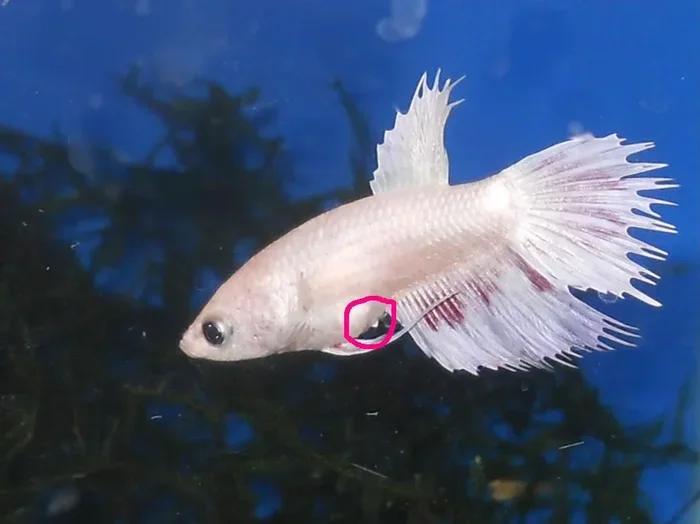
A female betta fish can lay between 100 and 500 eggs per spawn, depending on her size, age, and overall health. Understanding how many eggs can a female betta fish lay is essential for any aquarist interested in betta fish breeding. In this guide, we break down the factors that influence egg production and share practical tips for raising healthy betta fry.
Key Takeaways
- Average Egg Count: A healthy female betta fish typically lays between 100 and 500 eggs per spawning cycle, though this can vary widely.
- Age Matters: Younger, mature bettas in their prime produce more eggs than older females past their breeding peak.
- Egg Quality Over Quantity: Not all eggs will be fertilized or survive. Focus on providing optimal conditions for the eggs that are laid.
- Breeding Requires Planning: Successful betta fish breeding needs a proper setup, including a separate breeding tank and careful monitoring.
- Egg Hatching Time: Betta eggs typically hatch within 24 to 48 hours after fertilization, depending on water temperature and conditions.
- Female Can Lay Eggs Without a Male: A female betta can produce unfertilized eggs without a male present, but these will not develop into fry.
📑 Table of Contents
- How Many Eggs Can a Female Betta Fish Lay?
- Understanding the Female Betta Fish
- How Many Eggs Do Betta Fish Lay Per Spawn?
- What Affects How Many Eggs a Betta Fish Lays?
- The Breeding Process: How It All Works
- Caring for Betta Eggs and Fry
- Can a Female Betta Fish Lay Eggs Without a Male?
- Common Mistakes When Breeding Betta Fish
- Expert Insights on Betta Fish Egg Production
- Conclusion
How Many Eggs Can a Female Betta Fish Lay?
If you have ever wondered how many eggs can a female betta fish lay, you are not alone. This is one of the most common questions among betta fish owners, especially those curious about betta fish breeding. The answer is not as simple as a single number, though. Several factors determine how many eggs a female betta will produce during a single spawning cycle.
On average, a healthy female betta fish lays somewhere between 100 and 500 eggs at one time. That is a wide range, and it can leave many hobbyists scratching their heads. Let us dig deeper into what drives this number and how you can support your female betta through the process.
Understanding the Female Betta Fish
Before we dive into egg counts, it helps to understand the female betta herself. Bettas, or Betta splendens, are freshwater fish native to Southeast Asia. They are famous for their bright colors, flowing fins, and unique personalities. In the wild, they live in warm, shallow waters like rice paddies and slow-moving streams.
Female bettas are smaller than males, usually reaching about 2 to 2.5 inches in length. Their bodies are built for egg production once they reach sexual maturity. A gravid betta, meaning one ready to spawn, will show a visible white stripe near her underside called the egg spot or ovipositor. This is a clear sign she is ready to reproduce.
When Does a Female Betta Reach Sexual Maturity?
Female bettas typically reach breeding age around 3 to 4 months old. However, it is best to wait until they are at least 6 months old before attempting betta fish breeding. At this point, they are fully grown and their bodies can handle the physical demands of producing eggs. Breeding too young can stress the fish and lead to poor egg quality.
How Many Eggs Do Betta Fish Lay Per Spawn?
The big question remains: how many eggs can a female betta fish lay in one go? The short answer is 100 to 500 eggs. But let us break that down further.
- Smaller females may produce closer to 100 eggs or even fewer.
- Average-sized females typically lay between 200 and 300 eggs.
- Larger, healthy females in their prime can push past 400 or even 500 eggs.
It is also worth noting that not every spawn is the same. A female may produce fewer eggs during her first spawn and increase output in later cycles. Her betta fish egg production can fluctuate based on diet, water quality, and overall betta fish health.
How Often Do Betta Fish Spawn?
A female betta can spawn roughly every two to four weeks under ideal conditions. However, this assumes a male is present and the pair is compatible. Without a male, the female will still release unfertilized eggs periodically, but the cycle may be less predictable. Understanding betta fish spawn frequency helps hobbyists plan their breeding setups more effectively.
What Affects How Many Eggs a Betta Fish Lays?
Not all bettas are the same, and several key factors influence egg count. Here is a closer look at what drives the number of eggs a female betta will lay.
Age and Size
Age plays a huge role. Young, fully mature females in their prime produce the most eggs. As a betta ages past her breeding peak (around 1 to 2 years old), egg production naturally declines. Larger females also tend to lay more eggs simply because they have more room inside their bodies to develop eggs.
Diet and Nutrition
What a betta eats directly impacts her ability to produce healthy eggs. A betta fish diet rich in protein is essential for breeding-ready females. Offer high-quality pellets, frozen or live brine shrimp, bloodworms, and daphnia. Good nutrition supports strong betta fish reproduction and helps the female develop robust eggs.
Water Quality and Tank Conditions
Clean, well-maintained water is non-negotiable. A betta fish tank with proper temperature (78 to 80°F), neutral to slightly acidic pH, and low ammonia levels creates the best environment for egg development. Poor water quality can reduce egg count and even cause the female to reabsorb eggs rather than release them.
Stress Levels
Stress is a silent killer when it comes to betta fish egg production. A stressed female may produce fewer eggs or refuse to spawn altogether. Common stressors include aggressive tank mates, loud noises, frequent tank changes, and improper lighting. Keeping her environment calm and stable is critical.
Comparison Table: Factors Affecting Egg Count
| Factor | Higher Egg Count | Lower Egg Count |
|---|---|---|
| Age | 6 months to 1 year old | Over 2 years old |
| Size | Larger females (2.5+ inches) | Smaller females (under 2 inches) |
| Diet | High-protein, varied diet | Poor or inconsistent feeding |
| Water Quality | Clean, warm, stable | Dirty, fluctuating conditions |
| Stress | Calm environment | Aggressive tank mates, noise |
The Breeding Process: How It All Works
Understanding how does a male betta fish fertilize the eggs is key to grasping the full picture of betta fish breeding. Here is a simplified step-by-step look at the process.
Step 1: Courtship
The male betta builds a bubble nest near the water surface. He flares his fins and displays to the female to show he is ready. If the female is interested, she will approach him and begin the courtship dance.
Step 2: Spawning
The female releases her eggs, and the male fertilizes them externally. The male catches the eggs in his mouth and places them into the bubble nest. This process can take several hours. The number of eggs actually transferred depends on how many the female produced and how many the male successfully collects.
Step 3: Egg Guarding
After spawning, the male takes over. He guards the bubble nest and keeps the eggs safe. This is why separating the male and female after spawning is so important. The female can become aggressive, and the male may attack her if she gets too close to the nest.
Step 4: Hatching
So how many days to hatch betta fish eggs? Typically, eggs hatch within 24 to 48 hours. Water temperature plays a big role here. Warmer water (around 80°F) can speed up the process, while cooler temperatures slow it down. Once the eggs hatch, the betta fry are tiny and need very specialized care.
Caring for Betta Eggs and Fry
Raising betta fry is one of the most challenging parts of betta fish care. The eggs and newborn fry are incredibly delicate, and even small mistakes can be fatal. Here are some practical tips to give your fry the best start.
Remove the Female After Spawning
As soon as spawning is complete, move the female back to her own tank. She may try to eat the eggs. The male will handle all parental duties. Keeping the female nearby also risks aggression from the male, which can injure her.
Maintain Stable Water Conditions
The breeding tank should stay at a consistent temperature between 78 and 80°F. Avoid doing water changes during the egg stage unless absolutely necessary. If you must add water, match the temperature exactly. Even small temperature swings can harm developing eggs and reduce betta fish eggs hatching success.
Feed the Fry Properly
Once the fry hatch, they need tiny foods. Infusoria, vinegar eels, or commercially prepared fry foods work well in the first week. After a few days, you can introduce baby brine shrimp. Do not feed them regular betta pellets, as the fry cannot eat them yet. For more feeding guidance, check out this helpful resource on how many pellets to feed a betta fish to understand proper feeding amounts for adult bettas.
Quick Tips for Raising Betta Fry
- Keep the lighting dim to prevent the fry from being startled.
- Do not add filters to the breeding tank, as the current can knock fry against surfaces.
- Use a sponge filter on the main tank instead if you need filtration nearby.
- Perform partial water changes with a turkey baster to remove waste without disturbing the fry.
- Separate fry by size after two weeks to prevent larger ones from eating smaller ones.
Can a Female Betta Fish Lay Eggs Without a Male?
This is another question many hobbyists ask. The short answer is yes. A female betta can produce and release unfertilized eggs even without a male present. However, these eggs will never develop into fry. The female may eat them or they will simply dissolve in the water.
Releasing unfertilized eggs regularly can actually stress the female. If she is not bred with a male, it is best to keep her in a calm environment and avoid triggering unnecessary egg production. For a deeper dive into this topic, you can read more about whether a female betta fish can lay eggs without a male and what it means for her health.
Some aquarists also wonder about the broader question of can betta fish lay eggs in general. The answer is that both male and female bettas are capable of participating in reproduction, but only the female physically produces and releases eggs. The male fertilizes them externally during the spawning process.
Common Mistakes When Breeding Betta Fish
Even experienced hobbyists can stumble when it comes to betta fish breeding. Here are some common mistakes to avoid.
- Breeding too young: Wait until the female is at least 6 months old and fully grown.
- Ignoring water quality: Poor water conditions can kill eggs and fry quickly. Test your water regularly.
- Leaving the female with the male too long: Remove her immediately after spawning to prevent attacks.
- Overfeeding the fry: Small amounts, multiple times a day, work better than large feedings.
- Not planning for the fry: Have a grow-out tank ready before you attempt breeding. Do not start breeding on a whim.
Expert Insights on Betta Fish Egg Production
Professional breeders often share that egg count is less important than egg quality. A female that produces 150 strong, healthy eggs is more valuable than one that produces 500 weak ones. The goal is not just numbers, but raising fry that survive and thrive.
Experienced breeders also emphasize the importance of genetics. Choosing healthy, vibrant parent fish from strong bloodlines improves the chances of producing robust offspring. The betta fish lifecycle from egg to adult is a delicate journey, and every stage deserves careful attention.
Another pro tip is to observe the female closely before breeding. If she appears lethargic, has clamped fins, or shows signs of illness, hold off on breeding. A healthy gravid betta is bright, active, and eager to spawn. Her betta fish habitat should mimic her natural environment as closely as possible to encourage breeding behavior.
Conclusion
So how many eggs can a female betta fish lay? The answer is typically between 100 and 500 eggs per spawn, with the exact number shaped by her age, size, diet, water conditions, and stress levels. Betta fish reproduction is a fascinating process, but it requires knowledge, preparation, and patience. Whether you are a beginner or a seasoned hobbyist, understanding egg production and fry care is key to successful breeding. Take your time, set up properly, and enjoy the rewarding journey of raising healthy betta fry.
Frequently Asked Questions
How many eggs can a female betta fish lay in one spawn?
A healthy female betta fish can lay anywhere from 100 to 500 eggs in a single spawn. The exact number depends on her size, age, diet, and overall health. Larger females in their prime tend to produce the most eggs.
How many days does it take for betta fish eggs to hatch?
Betta fish eggs typically hatch within 24 to 48 hours after fertilization. Water temperature plays a big role, with warmer conditions around 80°F speeding up the process. For more details, you can read about how many days to hatch betta fish eggs.
Can a female betta fish lay eggs without a male?
Yes, a female betta can release unfertilized eggs without a male present. However, these eggs will never develop into fry. This process can actually stress the female, so it is best to keep her in a calm environment. Learn more at can a female betta fish lay eggs without a male.
What should I feed my betta fry after they hatch?
Newborn betta fry need very small foods like infusoria, vinegar eels, or baby brine shrimp. Avoid feeding them regular pellets or flakes, as they are too large for the fry to eat. Gradually increase food size as the fry grow over the first few weeks.
How can I tell if my female betta is ready to lay eggs?
A gravid betta shows a visible white egg spot near her underside, a slightly rounded belly, and increased appetite. She may also build bubble nests or display more active behavior. If you want to know more about egg production, check out how many eggs do betta fish lay for detailed guidance.
Is it safe to keep male and female betta fish together?
Male and female bettas can be kept together temporarily for breeding purposes, but they should be separated afterward. Males can become aggressive after spawning. For more information on housing bettas together, read about keeping a male and female betta fish together and best practices for cohabitation.