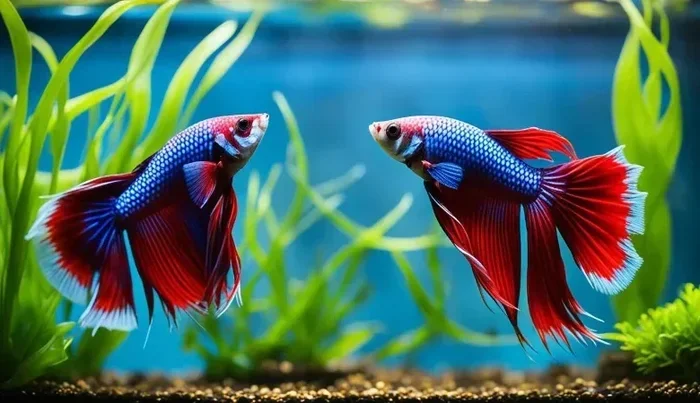
Is Soft Water Bad for Betta Fish
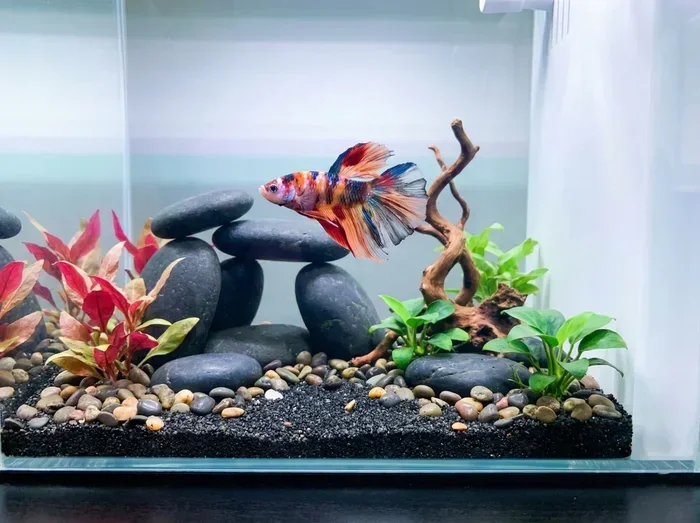
Is soft water bad for betta fish? The short answer is no — soft water is generally safe and even beneficial for bettas when managed correctly. Bettas thrive in soft to moderately soft water with a gentle mineral profile that mimics their natural habitat in Southeast Asia. However, extremely low mineral levels can cause issues if not monitored.
Keeping a betta fish healthy starts with one simple thing — the water they live in. Every betta owner wants to give their fish the best life possible. But when it comes to water hardness, there is a lot of confusing advice out there. One question keeps popping up: is soft water bad for betta fish?
The truth might surprise you. Soft water is not the enemy. In fact, bettas naturally live in soft, slow-moving waters in places like Thailand, Cambodia, and Vietnam. Their wild habitat has low mineral content and gentle water flow. So soft water can actually be a great match for your betta. But there are important details you need to know. Let us walk through them together.
If you have ever wondered about what kind of water is best for betta fish, you are in the right place. This guide covers everything you need to know about soft water and your betta. We will look at what soft water means, why it matters, and how to get it right in your tank. By the end, you will feel confident about your water choices.
Key Takeaways
- Soft water is generally safe for betta fish and closely resembles their natural living conditions.
- Monitor mineral levels like calcium and magnesium to keep your betta healthy long-term.
- Avoid extremely soft water with near-zero hardness, as it can destabilize tank parameters.
- Use a water test kit regularly to track your water hardness and pH levels.
- Acclimate your betta gradually when transitioning between different water types.
- Tap water and spring water are common sources that may need conditioning before use.
- Consult expert resources to understand the full picture of betta water requirements.
📑 Table of Contents
- What Is Soft Water and Why Does It Matter for Bettas?
- Can Betta Fish Live in Soft Water?
- Is Soft Water Bad for Betta Fish? The Real Risks
- How to Test and Adjust Your Water Hardness
- Common Mistakes Bettas Owners Make with Soft Water
- Quick Tips for Success with Soft Water Betta Tanks
- Final Thoughts on Soft Water and Betta Fish
What Is Soft Water and Why Does It Matter for Bettas?
Water hardness refers to the amount of dissolved minerals — mainly calcium and magnesium — in your water. Soft water has low levels of these minerals. Hard water has high levels. The scale used to measure this is called general hardness (GH), and it is measured in degrees (dGH) or parts per million (ppm).
Here is a simple breakdown of water hardness levels:
- Very soft water: 0–4 dGH (0–70 ppm)
- Soft water: 4–8 dGH (70–140 ppm)
- Moderately hard water: 8–12 dGH (140–210 ppm)
- Hard water: 12+ dGH (210+ ppm)
Bettas naturally live in soft to moderately soft water. Their ideal GH range falls between 3 and 8 dGH. This is very gentle on their bodies and supports healthy gill function. When you ask is soft water bad for betta fish, the answer is almost always no — as long as the water is stable and free of harmful contaminants.
How Soft Water Affects Betta Fish Health
Soft water creates a low-stress environment for bettas. Here is why that matters:
- Gentle on sensitive membranes: Bettas have delicate gills and skin. Soft water does not irritate these tissues the way hard water sometimes can.
- Mimics natural conditions: In the wild, bettas live in rice paddies, slow streams, and floodplains with low mineral content. Soft water recreates this feel.
- Supports natural behavior: Bettas in soft water tend to be more active and display better color.
- Reduces mineral buildup: Soft water leaves less scale and deposits on tank surfaces and equipment.
However, extremely soft water — the kind with near-zero hardness — can be a different story. If your water has almost no minerals at all, it can become unstable. pH levels may swing wildly, and your betta may experience stress. This is why testing your water regularly is so important.
Can Betta Fish Live in Soft Water?
The short answer is yes. Can betta fish live in soft water? Absolutely. Many betta keepers successfully maintain their fish in soft water setups. But let us dig deeper into what works and what does not.
If you are wondering can you keep betta fish in soft water, the answer is the same. Soft water is one of the best choices for bettas. The key is to maintain consistency. Bettas do not like sudden changes in their environment. A stable soft water setup is far better than an unstable hard water setup.
Here are some tips for keeping bettas in soft water:
- Use a water test kit to check your GH and pH at least once a week.
- Add a liquid water conditioner to remove chlorine and chloramine from tap water.
- Consider using RO (reverse osmosis) water mixed with a remineralizer if your tap water is too hard.
- Keep the temperature between 76°F and 82°F — bettas are tropical fish and need warm water.
- Perform regular water changes of about 25–30% every week to maintain water quality.
Many experienced keepers also recommend checking out what kind of water is best for betta fish to get a complete picture of all the options. You can learn more in our detailed guide on what kind of water is best for betta fish.
Is Soft Water Bad for Betta Fish? The Real Risks
So we know soft water is generally safe. But are there situations where it could cause problems? Let us look at the real risks honestly.
When Soft Water Becomes a Problem
Soft water is not bad by itself. The problems start when it is not managed properly. Here are the main risks:
- pH instability: Very soft water has little buffering capacity. This means the pH can crash or spike quickly, which is dangerous for bettas.
- Low mineral content over time: If your water is too soft for too long, your betta may not get enough trace minerals. These minerals support healthy fins, scales, and immune function.
- Mixing with hard water accidentally: If you top off your tank with hard tap water while your main water is soft, you create inconsistent conditions. This stresses your fish.
- Ignoring other water parameters: Soft water is only one piece of the puzzle. Temperature, ammonia, nitrite, and nitrate levels all matter just as much.
The good news is that all of these risks are preventable. With a little attention and routine testing, you can keep your soft water tank perfectly balanced. Bettas are hardy fish, and they do well in soft environments when the basics are covered.
Soft Water vs. Hard Water for Bettas
Let us compare the two side by side to make things clearer:
- Soft water: Low mineral content, gentle on bettas, mimics natural habitat, needs pH monitoring, great for breeding setups.
- Hard water: High mineral content, can irritate sensitive fish, common in municipal tap supplies, more stable pH but less natural for bettas.
Most betta experts agree that soft to moderately soft water is the sweet spot. It provides comfort and health benefits without the risks of extreme softness. You can find more about this topic in our guide on can soft water be used for betta fish.
How to Test and Adjust Your Water Hardness
Testing your water is the most important step in keeping your betta healthy. You cannot manage what you do not measure. Here is how to do it right.
Testing Your Water Hardness
You have several options for testing water hardness:
- Liquid test kits: These are the most accurate and affordable. The API Freshwater Master Test Kit is a popular choice among betta keepers.
- Test strips: Quick and easy, but less precise than liquid kits. Good for a fast check.
- Digital meters: More expensive but very accurate. Great for serious hobbyists.
Aim to test your water at least once a week. Write down your readings so you can spot trends over time. If your GH drops too low or climbs too high, you can take action before your betta feels any effects.
Adjusting Water Hardness Safely
If your water is too hard, you can soften it. Here is how:
- Use a water filter: Activated carbon filters can reduce hardness slightly over time.
- Try reverse osmosis water: RO water is very pure and soft. You can remineralize it to your desired level. Learn more about using reverse osmosis water for betta fish.
- Add driftwood or peat moss: These natural materials gently soften water over time and also lower pH slightly.
- Mix soft and hard water: Blend RO or distilled water with your tap water to reach the right hardness.
If your water is too soft, you can add a commercial remineralizer. These products add beneficial minerals back into the water without making it hard. Always make changes gradually — sudden shifts in water chemistry can shock your betta.
Common Mistakes Bettas Owners Make with Soft Water
Even experienced fish keepers make mistakes. Here are the most common ones related to soft water and bettas:
- Not testing water often enough: Soft water changes quickly. A test once a month is not enough. Weekly testing is the minimum.
- Assuming all soft water is the same: Water from a well, a filter, or a RO system all have different mineral profiles. Know what you are working with.
- Overlooking pH: Soft water and pH are closely linked. If you focus only on hardness, you may miss pH swings that harm your fish.
- Using untreated tap water: Even if your tap water is soft, it likely contains chlorine or chloramine. Always condition your water before adding it to the tank.
- Changing too much water at once: A 50% water change in soft water can crash your tank parameters. Stick to 25–30% changes weekly.
Avoiding these mistakes will go a long way toward keeping your betta happy and healthy in a soft water setup.
Quick Tips for Success with Soft Water Betta Tanks
Here are some fast, actionable tips to keep in mind:
- Keep a logbook of your water tests. Patterns become obvious over time.
- Use a gentle filter — bettas do not like strong currents. A sponge filter works great.
- Add live plants like java moss or anubias. They help stabilize water parameters naturally.
- Keep the tank at least 5 gallons — larger volumes are more stable and easier to manage.
- Feed quality pellets and avoid overfeeding. Uneaten food fouls soft water faster.
- Check your water source — if you use well water or spring water, test it thoroughly before adding it to your tank.
For more information on water types, check out our article on can you keep betta fish in soft water for additional tips and insights.
Final Thoughts on Soft Water and Betta Fish
So, is soft water bad for betta fish? The answer is a clear no. Soft water is one of the best choices you can make for your betta. It mimics their natural habitat, supports their health, and keeps them comfortable. As long as you test regularly, make adjustments gradually, and maintain stable parameters, your betta will thrive.
Remember that every tank is different. Your local water supply, your filtration setup, and your feeding habits all play a role in your water quality. Soft water gives you a great foundation to build on. Just stay attentive and keep learning.
If you want to go deeper, explore our article on can betta fish live in soft water for more detailed guidance. And always feel free to reach out to experienced aquarists or trusted online resources whenever you have questions. Your betta deserves the best care possible, and you are already on the right track by doing your research.
Keep your water clean, keep your betta happy, and enjoy the beauty of your little fish. Soft water and bettas are a winning combination when done right.
Frequently Asked Questions
Can betta fish live in soft water long-term?
Yes, bettas can live in soft water for their entire lifespan. In fact, soft water closely matches their natural habitat in Southeast Asia. Just make sure to test your water regularly and keep the parameters stable. A consistent soft water environment supports healthy fins, bright colors, and active behavior.
What is the ideal water hardness for betta fish?
The ideal general hardness (GH) for betta fish is between 3 and 8 dGH. This range is considered soft to moderately soft and provides the right balance of minerals without being too harsh. Always use a reliable test kit to monitor your levels and make adjustments slowly.
Is RO water too soft for betta fish?
RO water is very pure and extremely soft, which can be an issue if used alone without remineralization. If you use RO water, add a remineralizer to bring the mineral levels up to a safe range for bettas. Mixing RO water with a small amount of tap water is another effective approach.
Can soft water cause pH crashes in a betta tank?
Yes, very soft water has low buffering capacity, which means the pH can change quickly. This is called a pH crash and it can be dangerous for bettas. To prevent this, test your pH regularly and consider adding buffering agents or natural materials like driftwood to help stabilize the water.
Do I need a water conditioner if I use soft water?
Yes, you still need a water conditioner even if your water is soft. Tap water often contains chlorine, chloramine, and other chemicals that are harmful to bettas. A good liquid conditioner removes these toxins and makes the water safe for your fish regardless of hardness level.
How often should I test soft water in my betta tank?
Test your soft water at least once a week. Soft water parameters can shift more quickly than harder water, so regular testing helps you catch problems early. Keep a record of your readings so you can spot trends and make informed adjustments to your tank setup.