How Long Is a Betta Fish Supposed to Live With Care

How long is a betta fish supposed to live depends on your care. Most live 2 to 4 years, but some reach 5 years. Good water and food help them thrive. This guide shows you how to keep them healthy.
Many people buy these colorful fish without knowing much about them. They look beautiful in the store. But keeping them alive takes work. You might wonder about their lifespan. How long is a betta fish supposed to live is a common question. The answer is not just one number. It depends on many things.
These fish come from shallow waters in Asia. They are tough but need care. In the wild, they face many dangers. In your home, you control their world. You can help them live longer. This article will show you how. We will talk about tanks, food, and water. You will learn simple steps to help your pet.
Let’s dive into the details. You want your fish to thrive. Understanding their needs is the first step. We will cover everything you need to know. By the end, you will be a pro at care. Your fish will thank you for it.
Key Takeaways
- Average Lifespan: Betta fish typically live between 2 to 4 years in captivity.
- Tank Size Matters: A larger tank supports better health and longevity than a small bowl.
- Water Quality: Clean, warm water prevents disease and stress.
- Proper Diet: High-quality food keeps their colors bright and immune system strong.
- Stress Reduction: Avoid aggressive tank mates and loud environments.
- Health Monitoring: Watching for signs of illness early can save their life.
- Environment: Plants and hiding spots make them feel secure.
📑 Table of Contents
Understanding the Lifespan of Betta Fish
The average life of a betta is around three years. Some live less. Some live more. It really depends on you. How long is a betta fish supposed to live with good care? Experts say 2 to 4 years is normal. But some owners report longer lives. This happens when conditions are perfect.
Age matters when you buy them. Stores often sell young fish. They are usually six months old. This means you have plenty of time left. Older fish might have health issues. Young fish grow fast. You should ask the store about age. It helps you plan ahead.
Genetics play a big role too. Some fish are bred for looks. This can hurt their health. Look for active fish in the store. Avoid those with torn fins. A healthy start leads to a longer life. You want a strong partner for your tank.
Factors That Influence Longevity
Many things change how long they live. Stress is a big one. Loud noises scare them. Bright lights at night hurt them. You need a calm space. Water temperature is another key factor. They like warm water. Cold water slows their body down. It makes them sick.
Food is fuel. Bad food makes them weak. Good food makes them strong. Variety is important. Do not feed them only one thing. Mix it up. This keeps their diet balanced. A balanced diet supports their immune system. A strong immune system fights disease.
Here are the main factors:
- Water Quality: Clean water prevents sickness.
- Temperature: Keep it steady between 78 and 80 degrees.
- Tank Size: Bigger is better for swimming.
- Diet: Feed high-quality pellets and treats.
- Stress: Keep the environment calm and quiet.
Ideal Tank Setup for a Longer Life
People often put them in small bowls. This is a bad idea. Bowls are too small. They get dirty fast. Your fish needs space to swim. How long is a betta fish supposed to live in a bowl? Not very long. A tank is much better.
A five-gallon tank is the minimum. Ten gallons is even better. More water means stable conditions. It is easier to keep clean. Your fish will have more room. They can explore their space. This reduces boredom and stress.
Filtration is also key. You might wonder, do betta fish have to be in a filtered tank? Yes, they do. Filters remove waste. They keep water safe. But the flow must be gentle. Bettas do not like strong currents. Use a sponge filter if needed.
Water Conditions and Maintenance
Water quality is the most important thing. Dirty water kills fish. You must change the water often. Do not change all of it at once. Change about twenty-five percent weekly. This removes toxins. It adds fresh minerals.
Temperature must stay steady. Use a heater for this. Sudden changes shock the fish. Shock can be fatal. Keep a thermometer in the tank. Check it every day. Consistency is key for health.
You might ask, could a betta fish live in a filtered tank? Absolutely. It is the best way. But you must clean the filter too. Rinse it in old tank water. Never use tap water on the filter. Tap water kills good bacteria.
Also, consider the water source. You might wonder, could a betta fish live in tap water? Only if treated. Tap water has chlorine. Chlorine burns their gills. Use a water conditioner. This makes it safe. Always treat new water before adding it.
Decor and Plants
Plants make the tank look nice. They also help the fish. You can ask, can you put a live water plant with betta fish? Yes, live plants are great. They clean the water. They give hiding spots. Silk plants are okay too. Avoid sharp plastic plants. They cut fins.
Hiding spots reduce stress. Bettas like to rest. They need places to sleep. Add caves or tunnels. Make sure they are smooth. Your fish will feel secure. A secure fish is a happy fish.
Diet and Nutrition Secrets
Food affects health deeply. Bad food leads to disease. Good food leads to life. How long is a betta fish supposed to live on bad food? Not long. They need protein. They are carnivores. Look for fish-based pellets.
Do not overfeed them. This is a common mistake. Too much food fouls the water. It also hurts the fish. Their stomach is small. It is the size of their eye. Feed them small amounts. Only feed what they eat in minutes.
You might ask, can you feed peanut butter to a betta fish? No, never do this. It is not safe. It has too much fat. It clogs their system. Stick to fish food. Frozen bloodworms are a good treat. Brine shrimp are good too.
Feeding Schedule
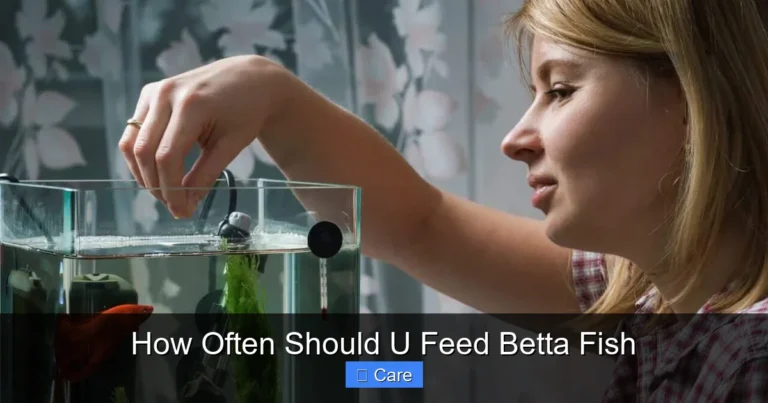
Feed them once or twice a day. Skip one day a week. This helps their digestion. It mimics wild conditions. They do not eat every day in nature. This rest day is good for them. Watch them eat. Make sure all food is gone.
Variety is the spice of life. Do not feed the same thing always. Rotate their diet. Use pellets one day. Use frozen food the next. This gives different nutrients. It keeps them interested. A bored fish might not eat well.
Here is a simple feeding plan:
- Morning: A few pellets.
- Evening: A few pellets or frozen treat.
- Weekly: One fasting day.
- Treats: Once or twice a week only.
Common Health Issues and Prevention
Sick fish do not live long. Prevention is better than cure. Watch your fish every day. Look for changes. Clamped fins are a bad sign. White spots are bad too. Fading color is a warning. Catch issues early.
Fin rot is common. It happens from bad water. The fins look shredded. They turn white at the edges. Fix the water immediately. Add clean water. Use medicine if needed. Early treatment saves lives.
You might wonder, can you bring a betta fish back to life? Sadly, no. But you can save them from dying. Act fast when they look sick. Quarantine new fish. This stops disease spread. Keep your tank clean always.
Signs of a Dying Fish
It is hard to see them suffer. Know the signs. Lethargy is a big one. They stop swimming. They hide all the time. They float oddly. Breathing becomes hard. Gills move fast. These are red flags.
If you see these signs, check water first. Test the levels. Ammonia must be zero. Nitrite must be zero. Nitrate should be low. Fix the water parameters. Sometimes this saves them. Sometimes it is too late. But you must try.
Environment and Stress Factors
Stress shortens life. Loud noises scare them. Vibrations hurt them. Keep the tank in a quiet room. Do not tap on the glass. They feel every tap. It stresses them out. Be gentle around the tank.
Light matters too. They need a day and night cycle. Use a timer for the light. Twelve hours on and twelve off. This mimics nature. It helps them sleep. Sleep is vital for health. Do not leave lights on all night.
You might ask, can betta fish live in a dark room? They need some light. Complete darkness is bad. They need to see food. But too much light is bad. Balance is key. Find a spot with natural light. But avoid direct sun. Sun heats the water too much.
Tank Mates and Compatibility
Bettas are often lonely. But they can be aggressive. Males fight each other. Do not put two males together. It is dangerous. You might ask, can betta fish live together in a big tank? Only females sometimes. Males need alone time.
Other fish might work. But be careful. Some fish nip fins. This hurts the betta. Look for peaceful species. Snails are good choices. You can ask, can freshwater snail live with a betta fish? Yes, snails are great cleaners. They eat algae. They are quiet neighbors.
Goldfish are not good mates. They get too big. They make too much waste. You might ask, can betta fish live with a goldfish? No, do not mix them. They need different conditions. Keep them separate. It is safer for everyone.
Bottom feeders can work. You might ask, can betta fish live with a bottom feeder? Yes, some do. Corydoras catfish are gentle. They stay at the bottom. They do not bother the betta. Just watch them closely. Ensure everyone gets food.
Expert Insights for Maximizing Lifespan
Experts agree on one thing. Consistency is key. Do not change things suddenly. Keep routines steady. Feed at the same time. Change water on the same day. This makes the fish feel safe. Safe fish live longer.
Observe your fish daily. You know them best. You will see small changes. A slight color change matters. A small fin tear matters. Catching these early helps. It prevents big problems. Be a detective for your pet.
Avoid quick fixes. Do not buy medicine right away. Fix the environment first. Most sickness comes from water. Clean water fixes many issues. Medicine is a last resort. Use it only when needed.
Here are some expert tips:
- Quarantine New Fish: Keep them separate for two weeks.
- Test Water Weekly: Use a liquid test kit.
- Avoid Overcrowding: Less is more in small tanks.
- Use a Heater: Never guess the temperature.
- Clean Gently: Do not scrub everything at once.
Conclusion
So, how long is a betta fish supposed to live? With love and care, they can reach 4 years or more. It is up to you. You control their world. Give them a big tank. Give them clean water. Give them good food.
Avoid common mistakes. Do not use small bowls. Do not overfeed them. Do not ignore signs of sickness. These steps make a huge difference. Your fish will show you appreciation. They will swim with energy. Their colors will shine bright.
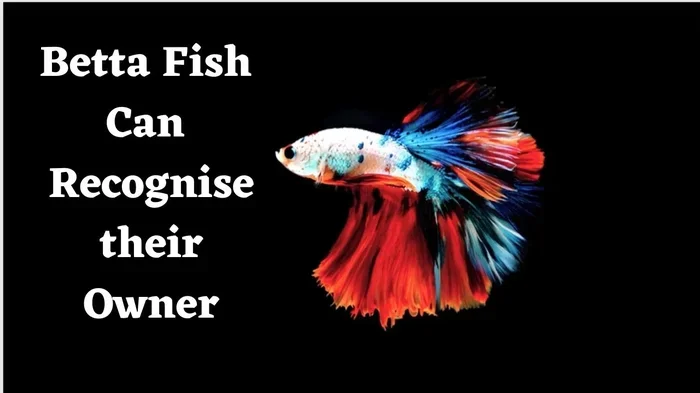
Enjoy your time with them. They are wonderful pets. They have personality. They recognize their owners. Treat them well. They will be with you for years. Start today for a longer life. Your betta deserves the best.
Frequently Asked Questions
How long do betta fish live in a bowl?
Betta fish live shorter lives in bowls. Bowls are too small and dirty. They usually live less than a year in poor conditions. A tank is much better for them.
What is the oldest betta fish ever recorded?
Some owners report bettas living up to 5 years. This is rare but possible. It requires perfect care and luck. Most do not reach this age.
Do betta fish recognize their owners?
Yes, they can recognize you. They often swim to the front when you approach. They associate you with food. This shows they are smart.
Can betta fish live without a filter?
They can survive without one, but it is not ideal. Water gets toxic faster without filtration. A filter keeps the environment stable. It helps them live longer.
How often should I change the water?
You should change about 25 percent weekly. This keeps toxins low. It also adds fresh minerals. Do not change all the water at once.
What temperature is best for betta fish?
The best temperature is between 78 and 80 degrees Fahrenheit. They are tropical fish. Cold water makes them sluggish. Use a heater to maintain this.