How Many Times a Day Should I Feed Betta Fish
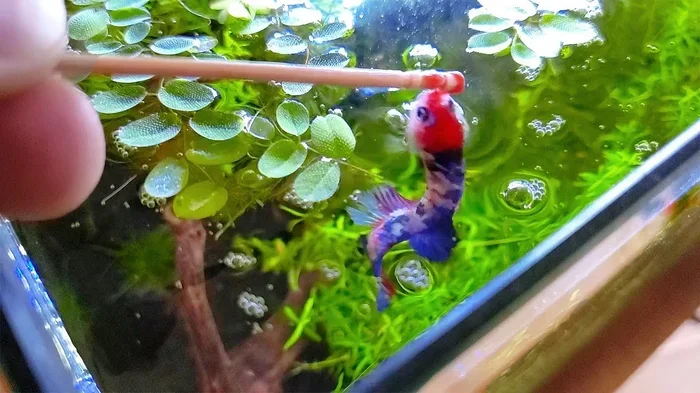
So, how many times a day should i feed betta fish? The answer is twice a day — morning and evening — with small portions each time. A proper betta fish feeding schedule keeps your fish healthy, active, and free from common digestive issues. This guide covers everything you need to know about betta fish diet, portions, and feeding frequency.
If you own a betta fish, you have probably wondered about the right feeding frequency. Many new fish owners get this wrong. And it can cause real problems. So, how many times a day should i feed betta fish? Let us break it down in simple terms.
The short answer is twice a day. Morning and evening. Two small meals. That is it. But there is more to it than just timing. What you feed, how much you give, and how often you adjust all matter. This guide walks you through every detail. You will learn the proper betta feeding routine, the best foods, and the mistakes to avoid. By the end, you will feel confident about your betta fish care routine.
Feeding your betta is not just about filling a bowl. It is about keeping your fish healthy, colorful, and active. A fish feeding routine that works can make a huge difference. Let us dive in.
Key Takeaways
- Feed your betta fish twice a day: morning and evening meals are the ideal routine for optimal health.
- Portion control matters: only give what your fish can eat in 2 minutes to avoid overfeeding.
- Watch for hunger and fullness cues: understanding your betta’s behavior helps you adjust portions.
- Variety is key: rotate between pellets, frozen foods, and occasional treats for balanced nutrition.
- Avoid common mistakes: skipping days too often or overfeeding can harm your fish.
- Adjust for special situations: breeding, illness, and vacation periods need unique feeding approaches.
📑 Table of Contents
- How Many Times a Day Should I Feed Betta Fish
- The Ideal Feeding Schedule for Betta Fish
- How Much Food Should You Give Each Meal
- Signs You Are Overfeeding or Underfeeding Your Betta
- Best Foods for Your Betta Fish
- Special Feeding Situations for Betta Fish
- Common Feeding Mistakes to Avoid
- How Feeding Frequency Affects Betta Fish Health
- Conclusion
How Many Times a Day Should I Feed Betta Fish
The betta fish feeding schedule is straightforward. Feed your betta twice a day. Once in the morning and once in the evening. This mimics their natural eating pattern in the wild. Bettas are opportunistic eaters. They eat small amounts throughout the day in their natural habitat. But in a home aquarium, two meals work perfectly.
Each meal should be small. Think about the size of your betta’s eye. That is roughly the right portion. Or better yet, give only what your fish can finish in about 2 minutes. This keeps the feeding frequency consistent and prevents waste.
If you have been feeding your betta once a day or three times a day, it is time to reassess. Feeding betta fish twice a day strikes the perfect balance. It gives your fish enough energy without overwhelming their digestive system.
Why Twice a Day Works Best
Betta fish have small stomachs. Their digestive systems are designed for frequent, small meals. In the wild, they nibble on insects and larvae throughout the day. But replicating that exact pattern in a tank is not practical. Feeding betta fish twice a day is the closest you can get to their natural routine.
Two meals also make it easier for you to maintain consistency. Fish thrive on routine. When you feed at the same times each day, your betta knows what to expect. This reduces stress and encourages healthy eating habits.
Some people ask, how often should i feed my betta fish on weekends or holidays. The answer stays the same. Twice a day, no matter what. Consistency is the key to a healthy betta fish diet.
The Ideal Feeding Schedule for Betta Fish
A fish tank feeding schedule is more than just picking times. It is about creating a routine that fits your life and your fish’s needs. Here is how to set one up.
Morning feeding: Do this around the same time you start your day. Give a small pinch of pellets or a few flakes. Watch your betta eat. Make sure all the food is gone within 2 minutes.
Evening feeding: Do this a few hours before you go to bed. This gives your betta time to digest before resting. Bettas sleep in the dark, and a full stomach can cause discomfort.
Try to keep the time gap between meals at least 8 to 10 hours. This gives your fish’s digestive system time to process the food properly. A betta fish hunger cue, like swimming near the surface, is normal before feeding time. Your fish will learn the routine quickly.
Sample Daily Feeding Routine
- 7:00 AM: Give a small portion of pellets. About 2 to 3 pellets for an adult betta.
- 7:00 PM: Give another small portion. You can alternate between pellets and frozen food.
- In between: Do not snack-feed your betta. Extra food leads to overfeeding.
Following this betta fish feeding schedule keeps things simple and effective. Your fish will stay healthy and your tank water will stay cleaner.
How Much Food Should You Give Each Meal
Portion size is just as important as frequency. Giving too much food is one of the most common mistakes new betta owners make. So, how much do i feed a betta fish at each meal? The answer depends on your fish’s size, age, and activity level.
For an adult betta, 2 to 3 pellets per meal is usually enough. For younger bettas or fry, you can give slightly smaller portions more frequently. But for the average adult fish, keep it small and consistent.
The 2-minute rule is your best friend. Drop the food in and watch. If your betta finishes everything within 2 minutes, the portion is right. If there is leftover food after 3 minutes, you gave too much. Remove the uneaten food quickly to keep the water clean.
The 2-Minute Rule Explained
This rule is simple but powerful. Give your betta only as much food as it can eat in 2 minutes. This prevents overeating and keeps ammonia levels in check. Uneaten food decays in the water, which can harm your fish.
Some owners use a betta fish portion size guide based on pellet size. A single small pellet is about the right amount per feeding for a standard betta. If you use flakes, a pinch the size of your pinky nail works well.
If you want more detailed guidance on portions, check out this guide on how much do i feed a betta fish for additional tips and visual references.
Signs You Are Overfeeding or Underfeeding Your Betta
Understanding your betta’s eating behavior is crucial. Both overfeeding and underfeeding come with clear warning signs. Learning to spot them early can save your fish’s life.
Signs of Overfeeding
- Uneaten food floating in the tank: This is the most obvious sign. If food sits at the bottom for more than a few minutes, you gave too much.
- Cloudy water: Excess food decays quickly and clouds the water. This spikes ammonia levels fast.
- Swollen or bloated belly: A betta with a rounded, tight belly may be constipated from overeating.
- Lethargy after meals: If your betta barely moves after eating, the portion was too large.
- Loss of appetite over time: Overfed fish sometimes refuse food because their stomachs are always full.
Signs of Underfeeding
- Rapid weight loss: A visibly thin betta with a sunken belly needs more food.
- Loss of color: Underfed bettas often look faded and dull. Their vibrant colors fade when they lack nutrition.
- Aggressive begging behavior: Your betta may swim frantically to the surface every time you walk by the tank.
- Low energy: An underfed betta spends most of the time resting at the bottom of the tank.
- Slow growth in young fish: Baby bettas that are not getting enough food will grow slowly or stop growing.
If you notice any of these signs, adjust your betta fish diet immediately. For overfeeding, reduce the portion size. For underfeeding, add a tiny bit more at the next meal. Finding the right balance takes a little patience.
Best Foods for Your Betta Fish
Not all fish food is created equal. Bettas are carnivores. They need a protein-rich betta fish nutrition plan. Let us look at the best food options.
Betta Pellets
High-quality betta pellets are the staple of a good betta fish diet. Look for pellets that list fish meal or shrimp as the first ingredient. Avoid cheap pellets filled with fillers like corn or wheat. These offer little nutritional value.
Soak pellets before feeding them. Dry pellets expand in water, and your betta’s stomach can bloat if it eats them dry. A quick 5-minute soak in tank water makes them safer and easier to digest.
If you want specific pellet recommendations, visit this article on how many pellets to feed a betta fish for detailed portion guidance.
Frozen and Live Foods
Bettas love variety. Frozen brine shrimp, bloodworms, and daphnia are excellent supplements. These foods mimic what bettas eat in the wild. They are packed with protein and keep your fish interested in mealtime.
Live foods are even better, but they come with risks. Live foods can carry parasites or bacteria. If you choose live food, buy from a reputable source. Frozen foods are a safer alternative that still provides great nutrition.
Flakes and Other Options
Betta flakes exist, but they are not always ideal. Flakes break apart quickly and can cloud the water. If you use flakes, give only a tiny amount. Pellets are generally a better choice for proper betta feeding.
Some owners also offer blanched peas as an occasional treat. Peas help with digestion and can relieve constipation. Just remove the shell and mash the pea into a small piece before feeding.
| Food Type | Protein Level | Best For | Feeding Frequency |
|---|---|---|---|
| Betta Pellets | High | Daily staple | Twice a day |
| Frozen Brine Shrimp | Medium-High | Supplement/treat | 2-3 times per week |
| Frozen Bloodworms | High | Supplement/treat | 1-2 times per week |
| Betta Flakes | Medium | Occasional alternative | Not recommended as staple |
| Blanched Peas | Low | Digestive aid | As needed for constipation |
Rotating between these foods keeps your betta healthy and excited about mealtime. A varied betta fish nutrition plan supports vibrant colors, strong immunity, and long life.
Special Feeding Situations for Betta Fish
Sometimes, the standard twice-a-day routine needs adjustments. Certain situations call for a different approach. Let us cover the most common ones.
Feeding a Sick Betta Fish
A sick betta may lose its appetite. If your fish is not eating, try offering smaller portions. Soaked pellets are easier to digest. You can also try a tiny piece of frozen bloodworm to tempt your fish. If your betta refuses food for more than 3 days, check the water parameters and consider consulting a vet.
Maintaining clean water is especially important when your fish is sick. Poor water quality can worsen illness and reduce appetite. For more on tank maintenance, read this complete guide on how do i take care of a betta fish.
Feeding Your Betta While on Vacation
Going on vacation does not mean your betta goes hungry. For trips under a week, an automatic feeder works great. For shorter trips, a feeding block can sustain your fish for 3 to 5 days. If you are gone longer, ask a friend or neighbor to feed your betta once a day with a small portion.
Never leave a vacation feeder running unsupervised for too long. Overfeeding while you are away can crash your water quality fast. For detailed vacation feeding tips, check out this guide on how to feed your betta fish on vacation.
Feeding a Young Betta or Fry
Baby bettas need more frequent meals than adults. Feed fry 3 to 4 times a day with very small portions. Use crushed pellets or baby brine shrimp. As they grow, gradually reduce the frequency and increase the portion size. By the time they reach adulthood, switch to the standard twice-a-day routine.
Can You Skip a Day of Feeding?
Skipping one day occasionally is not harmful. In fact, a light fasting day once a week can help your betta’s digestion. It gives the digestive system a break and can prevent constipation. But do not skip days regularly. Consistent how often to feed betta meals are what keep your fish thriving.
Common Feeding Mistakes to Avoid
Even experienced betta owners make feeding mistakes. Here are the ones to watch out for.
- Overfeeding: This is the number one killer of pet bettas. Excess food pollutes the water and causes serious health problems.
- Feeding the wrong food: Tropical flakes or goldfish food do not meet your betta’s nutritional needs. Stick to betta-specific foods.
- Inconsistent schedule: Feeding at random times stresses your fish. Set a routine and stick to it.
- Ignoring leftover food: Uneaten food decays within minutes. Remove it promptly to protect water quality.
- Using too many treats: Frozen bloodworms are great, but feeding them every day leads to nutritional imbalance. Treat them as supplements, not staples.
Avoiding these mistakes will keep your betta healthy and your tank water clean. A simple, consistent routine goes a long way.
How Feeding Frequency Affects Betta Fish Health
The betta fish feeding schedule you follow directly impacts your fish’s overall health. A well-fed betta has bright colors, steady energy, and a strong immune system. An overfed or underfed betta develops health problems that shorten its lifespan.
Proper feeding frequency supports healthy digestion. Bettas need time between meals to fully process their food. Two meals a day with an 8 to 10 hour gap gives them exactly that. This natural rhythm keeps their metabolism working efficiently.
Feeding also affects behavior. A well-fed betta is curious and active. It swims around the tank, builds bubble nests, and interacts with its environment. An underfed betta becomes lethargic and hides. An overfed betta becomes bloated and sedentary. The right balance makes all the difference.
If you are ever unsure about your routine, revisit the basics. Feed twice a day. Give small portions. Watch your fish’s behavior. Adjust as needed. For more on how often do you feed a betta fish, this detailed feeding guide offers additional insights.
Remember, every betta is slightly different. Age, size, activity level, and water temperature all affect appetite. Use the 2-minute rule as your guide and adjust portions until you find the sweet spot. Your betta will thank you with vibrant colors and lively behavior.
Taking care of a betta fish is rewarding. And feeding is one of the most important parts of that care. Get the betta fish diet right, and everything else falls into place. Your fish will live a longer, happier life. And you will enjoy watching it every single day.
Conclusion
So, how many times a day should i feed betta fish? Twice a day. Morning and evening. Small portions. Simple as that. A consistent betta fish feeding schedule keeps your fish healthy, active, and colorful. Pair that with the right foods, proper portions, and a watchful eye for warning signs, and your betta will thrive.
Avoid the common traps of overfeeding and inconsistency. Stick to the routine. Adjust as your fish grows and changes. And always remember that feeding is an act of care. Every meal you serve is a step toward a happier, healthier betta.
Start today. Set a feeding alarm if you need to. Your betta fish will reward you with years of beauty and companionship.
Frequently Asked Questions
Can I feed my betta fish once a day instead of twice?
Feeding once a day is not ideal but it works in a pinch. Your betta may seem fine for a while, but twice a day provides better nutrition and energy. If you must feed once a day, make the portion slightly larger while still following the 2-minute rule.
What happens if I overfeed my betta fish?
Overfeeding causes bloating, constipation, and poor water quality. Uneaten food decays and raises ammonia levels, which can make your fish seriously ill. Stick to small portions and remove any leftover food after 2 minutes.
Can betta fish go without food for a day?
Yes, bettas can skip a day without any harm. In fact, a light fasting day once a week can improve digestion. Just do not make skipping days a regular habit, as your fish needs consistent nutrition to stay healthy.
How do I know if my betta fish is hungry?
A hungry betta will swim to the surface and beg for food when you approach the tank. This is normal behavior and does not mean your fish needs more food. Stick to your scheduled portions and ignore the begging to avoid overfeeding.
Can I feed my betta fish the same food every day?
It is better to rotate foods. Pellets as a staple, with frozen brine shrimp or bloodworms a few times a week, provides balanced nutrition. Variety prevents nutritional gaps and keeps your betta interested in eating.
How many pellets should I feed my betta per meal?
For an adult betta, 2 to 3 small pellets per meal is the standard. Soak them first to prevent bloating. If your betta finishes them within 2 minutes and shows interest in more, you can add one extra pellet. Adjust based on your fish’s appetite and body condition.