How Long to Betta Fish Usually Live
So how long to betta fish usually live? The average betta fish lifespan ranges from 3 to 5 years, but with the right care, some bettas can reach 7 years or more. Your betta’s lifespan depends heavily on water quality, tank setup, diet, and genetics. This guide covers everything you need to know about extending your betta fish life naturally.
If you own a betta fish or are thinking about getting one, you probably wonder how long to betta fish usually live. This is one of the most common questions new fish owners ask. The truth is, bettas can live a surprisingly long time when given the right care. Many people assume these colorful fish only last a year or two. That is a myth. With proper attention to water, food, and environment, your betta can be a companion for several years.
Understanding betta fish lifespan starts with knowing what these fish need to thrive. They are not just decorative pets. They are living creatures with specific needs. When those needs are met, they reward you with vibrant colors and active behavior for years. In this guide, we will break down everything you need to know about how long betta fish usually live and what you can do to maximize their life expectancy.
The average lifespan of a betta fish is 3 to 5 years. But this number is not set in stone. Some bettas live shorter lives due to poor care. Others surpass the 5-year mark and even reach 7 years old. What separates the short-lived from the long-lived bettas? It comes down to a few key factors that we will explore in detail below. Whether you are a beginner or a seasoned fish keeper, this article will give you practical advice you can use right away.
Key Takeaways
- Average lifespan: Most betta fish live between 3 and 5 years with proper care.
- Tank size matters: A 5-gallon tank or larger helps bettas live longer and healthier lives.
- Water quality is critical: Regular water changes and stable parameters prevent disease and stress.
- Diet plays a big role: A varied, high-quality diet boosts immunity and overall health.
- Stress reduction: Keeping the environment calm and free of aggressive tank mates extends lifespan.
- Genetics count: Some betta fish are simply predisposed to longer lives based on breeding quality.
- You can make a difference: Small changes in care routines can add years to your betta’s life.
📑 Table of Contents
How Long Do Betta Fish Usually Live?
The short answer is that betta fish usually live 3 to 5 years in captivity. However, this range depends on many variables. Let us look at the numbers more closely so you know what to expect.
In ideal conditions, a well-cared-for betta fish can live 5 to 7 years. Some owners report their bettas reaching 8 or even 9 years old, though these cases are rare. The key is starting with a healthy fish and maintaining excellent care throughout its life.
Wild vs. Captive Betta Lifespan
Wild betta fish live shorter lives than captive ones. In their natural habitat, bettas face predators, food scarcity, and poor water conditions. Most wild bettas live only 2 to 3 years. Captive bettas, on the other hand, have protected environments and regular meals. This is why how long do betta fish live in a tank is often longer than their wild counterparts.
If you want to give your betta the best shot at a long life, a well-maintained tank is essential. The controlled environment of a home aquarium removes many of the dangers wild bettas face daily.
What Affects a Betta Fish’s Lifespan?
Several factors determine how long to betta fish usually live. Some you can control. Others you cannot. Let us break down the most important ones.
Water Quality and Temperature
Water quality is the single biggest factor in betta fish lifespan. Betta fish are tropical creatures. They need warm, clean water to stay healthy. The ideal temperature range is 76 to 82 degrees Fahrenheit. If the water is too cold, bettas become sluggish and prone to illness. If it is too hot, they become stressed and their oxygen levels drop.
Regular water changes are essential. Aim to change 25 to 30 percent of the water every week. This removes harmful chemicals like ammonia and nitrite. Use a water conditioner to neutralize chlorine and chloramine before adding fresh water to the tank.
Tank Size and Setup
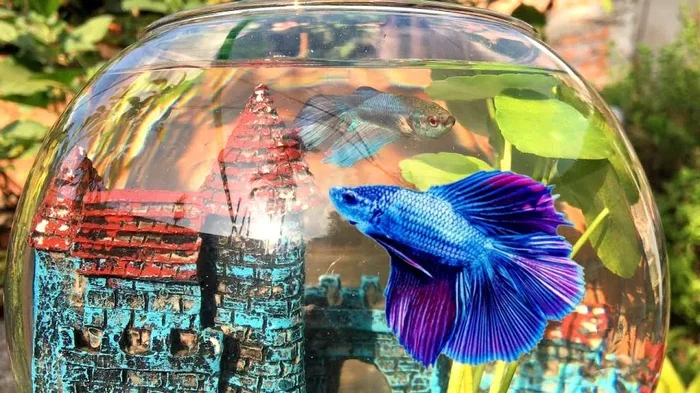
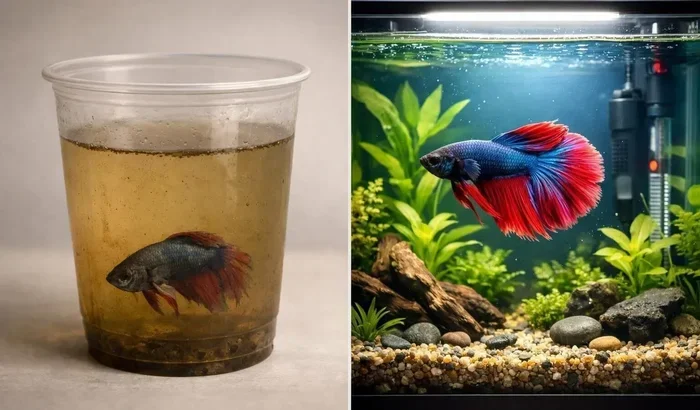
Many people keep bettas in tiny bowls. This is a common mistake. A small bowl limits movement and makes it hard to maintain stable water conditions. A tank of at least 5 gallons gives your betta room to swim and explore. It also makes it easier to keep the water clean and balanced.
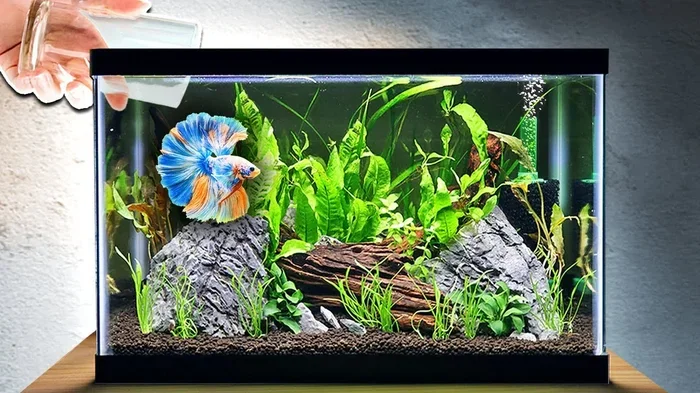
Adding plants, hiding spots, and gentle filtration creates a more natural environment. Betta fish feel safer in decorated tanks. Less stress means a longer, healthier life. The setup you choose directly impacts how long do betta fish live in a tank, so invest time in getting it right.
Diet and Nutrition
What you feed your betta matters more than you might think. A poor diet leads to a weak immune system, obesity, and organ failure over time. High-quality betta pellets should form the base of their diet. But variety is key. Supplement their meals with frozen or live foods like brine shrimp, bloodworms, and daphnia.
Feed your betta small amounts twice a day. Do not overfeed. Leftover food decays quickly and pollutes the water. If you ever wonder how long can betta fish live without food, the answer is about 10 to 14 days for a healthy adult. But this should never be a regular practice. Consistent, proper feeding is much better for long-term health.
Genetics and Breeding Quality
You cannot change your betta’s genetics, but you can choose where you buy from. Bettas from reputable breeders tend to be healthier and live longer. Pet store bettas often come from mass breeding facilities where genetic diversity is low. This can lead to inherited health problems that shorten their lives.
When you buy from a trusted breeder, you are more likely to get a fish with strong genes. Strong genes mean better immunity, brighter colors, and a longer life. This is one reason how long do betta fish live varies so much from fish to fish.
Stress and Environment
Stress is a silent killer for betta fish. Loud noises, bright lights, aggressive tank mates, and constant tapping on the glass all cause stress. A stressed betta becomes vulnerable to diseases like ich, fin rot, and velvet. These illnesses can shorten a betta’s life significantly.
Keep the tank in a quiet area of your home. Avoid placing it near speakers or high-traffic zones. Choose peaceful tank mates if you have a community tank. Or keep your betta alone, as they do best with their own space. A calm, stable environment goes a long way toward helping your betta live a full life.
How to Help Your Betta Fish Live Longer
Now that you know what affects lifespan, let us talk about what you can do to help your betta live as long as possible. These tips are simple but highly effective.
1. Maintain Consistent Water Parameters
Test your water regularly using a liquid test kit. You want to keep ammonia and nitrite at zero. Nitrate should stay below 20 ppm. Stable pH between 6.5 and 7.5 is ideal. Do not make sudden water changes that shock your betta’s system. Gradual adjustments are always safer.
2. Provide a Balanced Diet
Rotate between high-quality pellets, frozen foods, and occasional live foods. This mimics what bettas would eat in the wild. A varied diet provides all the nutrients they need. It also keeps them interested in eating and prevents boredom.
3. Keep the Tank Clean
A clean tank is a healthy tank. Perform weekly water changes and vacuum the substrate to remove waste. Clean the filter media in old tank water, not tap water. Tap water kills beneficial bacteria that help break down toxins.
4. Avoid Overcrowding
Betta fish are territorial. They do not appreciate crowded spaces. Even in a 5-gallon tank, keep decorations and plants to a reasonable number. Give your betta open swimming areas alongside hiding spots. This balance reduces aggression and stress.
5. Monitor Your Betta’s Health Daily
Spend a few minutes each day observing your betta. Look for changes in color, appetite, or activity level. Early detection of illness makes treatment much easier. Catching a problem on day one is far better than noticing it on day ten when it has worsened.
Quick Tips for a Longer Betta Life
- Keep the water temperature stable between 76 and 82 degrees Fahrenheit.
- Use a gentle sponge filter to maintain water flow without stressing your betta.
- Add live plants to naturally filter the water and provide hiding spots.
- Avoid handling your betta unnecessarily. They are delicate fish.
- Quarantine new fish before adding them to your betta’s tank.
- Do not use medications unless absolutely necessary. Many are harsh on bettas.
- Provide mental stimulation with gentle tank décor and plants to explore.
Common Mistakes That Shorten Betta Fish Lifespan
Knowing what to do is only half the battle. It is equally important to know what not to do. Many common mistakes silently shorten how long to betta fish usually live. Let us highlight the biggest ones.
Keeping Bettas in Tiny Bowls
This is probably the most widespread mistake. Tiny bowls offer no room for swimming, no space for filtration, and make water quality nearly impossible to maintain. A bowl might look cute, but it is a death sentence for long-term betta health. Upgrade to at least a 5-gallon tank as soon as possible.
Overfeeding
Betta fish have small stomachs. They look hungry all the time, but that does not mean they need more food. Overfeeding causes bloating, constipation, and poor water quality from uneaten food rotting in the tank. Feed small amounts twice a day and remove any leftovers after 2 minutes.
Ignoring Water Changes
Some owners think a filter alone keeps the water clean. Filters help, but they do not replace water changes. Waste builds up over time, and toxins accumulate. Skipping water changes is one of the fastest ways to shorten your betta’s life.
Using Harsh Decorations
Sharp or rough decorations can tear your betta’s delicate fins. Torn fins are entry points for bacterial and fungal infections. Choose smooth, soft decorations and avoid anything with rough edges. Live plants are excellent because they are gentle and improve water quality.
Betta Fish Lifespan by Type
Not all bettas are the same. Different types of betta fish may have slightly different lifespan expectations. Let us look at a few common varieties.
Male vs. Female Betta Lifespan
Male bettas tend to live slightly longer than females on average. How long does a male betta fish live? Typically 3 to 5 years, sometimes longer with excellent care. Female bettas often live 2 to 4 years. However, females that are not used for breeding can live just as long as males if given proper care.
The difference is not huge, but it is worth noting. Female bettas sometimes face additional stress from breeding cycles, which can take a toll over time.
Glow and Glo Betta Fish
Glow bettas and glo bettas are genetically modified fish that glow under certain lighting. Their lifespan is similar to standard bettas, usually 3 to 5 years. Some owners report slightly shorter lives for these modified fish, possibly due to the genetic modifications affecting overall health.
Whether you have a standard betta, a glow betta fish, or a glo betta, the care requirements remain the same. Focus on water quality, diet, and stress reduction for the best results.
How Long Do Betta Fish Live Without Food?
A healthy adult betta can survive about 10 to 14 days without food. However, this should never be intentional. Going without food for extended periods weakens the immune system and causes the fish to burn fat reserves. This leads to organ damage over time. Always maintain a regular feeding schedule for optimal health and longevity.
If you are planning a vacation, consider using an automatic feeder or asking a friend to feed your betta in small amounts. Most bettas can handle a weekend without food just fine, but anything longer needs planning.
When to Worry About Your Betta Fish’s Age
As your betta ages, you may notice changes in behavior and appearance. These changes are normal, but some can signal serious health problems. Knowing the difference helps you respond quickly.
Older bettas may become less active. They might sleep more and eat less. Their colors can fade slightly. These are natural signs of aging. However, if your betta stops eating completely, develops white spots, has torn fins that do not heal, or struggles to swim, these are warning signs of illness, not just old age.
Senior bettas benefit from even more attentive care. Keep the water pristine. Offer easily digestible foods like soaked pellets. Reduce any sources of stress in the tank. Your goal in the later years is comfort and quality of life, not just length.
Understanding how long to betta fish usually live helps you set realistic expectations and appreciate every year you have with your fish. Even if your betta falls short of the average, the care you provide matters deeply to their quality of life.
Conclusion
How long to betta fish usually live depends on many factors you can control. Water quality, tank size, diet, stress levels, and genetics all play a role. On average, betta fish live 3 to 5 years. But with dedicated care, many bettas reach 6 or 7 years old. The secret is consistency. Small daily efforts add up to years of extra life for your fish.
Start by evaluating your current setup. Is your tank big enough? Are you changing the water regularly? Is your betta eating a balanced diet? If you answered no to any of these, now is the perfect time to make changes. Your betta fish deserves a long, healthy, and happy life. And the good news is, giving them that life is entirely within your reach. Take the steps today, and you will enjoy your colorful companion for many years to come.
Frequently Asked Questions
What is the average lifespan of a betta fish?
The average lifespan of a betta fish is 3 to 5 years in captivity. With excellent care, some bettas can live 6 to 7 years or occasionally longer. The key factors that influence this are water quality, tank setup, diet, and genetics.
Can betta fish live longer than 5 years?
Yes, betta fish can live longer than 5 years. Many dedicated fish owners report their bettas reaching 6, 7, or even 8 years old. This usually happens when the fish receives consistent high-quality care, including clean water, a proper diet, and a low-stress environment.
How can I make my betta fish live longer?
To help your betta live longer, maintain clean water with regular changes, keep the temperature stable between 76 and 82 degrees Fahrenheit, feed a varied and balanced diet, and reduce stress by providing a calm environment. Choosing a healthy fish from a reputable breeder also sets a strong foundation for longevity.
Do male and female betta fish live the same length of time?
Male bettas generally live slightly longer than females, averaging 3 to 5 years compared to 2 to 4 years for females. However, the difference is not dramatic. Female bettas that are not used for breeding can live just as long as males when given the same level of care and a stable environment.
How long can a betta fish live without food?
A healthy adult betta fish can survive about 10 to 14 days without food. However, this should not be a regular practice. Skipping meals weakens the immune system and causes the fish to burn fat reserves, which can damage organs over time. Always maintain a consistent feeding schedule.
Why do some betta fish live shorter lives than others?
Some betta fish live shorter lives due to poor water quality, small tanks, inadequate diet, stress from aggressive tank mates, or genetic factors from mass breeding. Bettas purchased from pet stores often come from breeding facilities with less genetic diversity, which can lead to weaker immune systems and shorter lifespans overall.