How Many Pebbles Do I Feed My Betta Fish
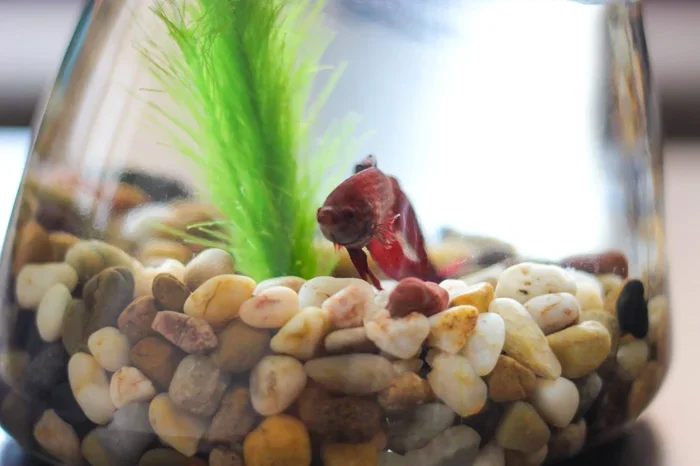
You don’t actually feed pebbles to your betta fish. Pebbles serve as tank substrate, not food. The right amount depends on tank size, and choosing smooth, small pebbles keeps your betta safe and healthy.
Many betta fish owners ask a strange but common question: how many pebbles do I feed my betta fish? The short answer is simple. You don’t feed pebbles to your betta at all. Pebbles belong in your tank as substrate, not on the menu. But this question opens up a bigger conversation about betta fish tank setup, substrate choice, and overall aquarium maintenance. In this guide, we’ll clear up the confusion and help you set up the perfect home for your colorful friend.
If you’re new to keeping bettas, the world of tank setup can feel overwhelming. There’s gravel, sand, pebbles, and a dozen other options. Each choice affects your fish’s health, your cleaning routine, and how your tank looks. Let’s break down everything you need to know about pebbles and your betta fish habitat.
Key Takeaways
- Pebbles are substrate, not food: Betta fish don’t eat pebbles, and you should never feed them as a meal.
- 2 to 3 pounds of pebbles per gallon is a good rule: This creates a natural look without overcrowding the tank.
- Choose smooth, small pebbles: Rough or sharp stones can hurt your betta’s delicate fins and mouth.
- Clean pebbles before adding them: Rinse thoroughly to remove dust and debris that cloud your water.
- Substrate depth matters: A 1 to 2 inch layer works best for most betta tanks.
- Too many pebbles trap waste: Excess substrate makes tank cleaning harder and harms water quality.
📑 Table of Contents
- Why Do People Put Pebbles in Betta Fish Tanks?
- How Many Pebbles Do You Actually Need?
- How to Add Pebbles to Your Betta Tank
- Common Mistakes People Make With Pebbles and Betta Fish
- How Pebbles Fit Into Overall Betta Fish Care
- Expert Tips for Choosing the Best Pebbles
- Final Thoughts on Pebbles and Your Betta
Why Do People Put Pebbles in Betta Fish Tanks?
Pebbles are one of the most popular choices for aquarium substrate. They come in many colors and sizes, and they make a tank look beautiful. But there’s more to pebbles than just looks. A proper substrate layer supports good bacteria that keep your water clean. It also gives your betta a natural feeling environment that reduces stress.
When you choose the right pebbles, you create a healthy base for your entire tank. Your betta will swim over them, explore them, and sometimes even move them around. That’s normal behavior. Just make sure the pebbles are smooth and small enough that your fish won’t choke on them.
What Kind of Pebbles Work Best for Bettas?
Not all pebbles are created equal. For betta fish, you want smooth, rounded stones that are small enough to avoid any risk. Avoid sharp or jagged rocks at all costs. Your betta’s fins are delicate, and rough surfaces can cause cuts or infections.
Here are the best pebble types for a betta tank:
- Smooth aquarium gravel: Easy to clean and gentle on fins.
- Small polished pebbles: Look natural and feel safe for your fish.
- Color-coated aquarium stones: Add visual appeal without harming your betta.
Avoid limestone or any rock that changes your water’s pH. Betta fish thrive in stable conditions, and the wrong stones can throw off your tank’s balance. If you’re unsure, stick with plain aquarium gravel from a pet store. It’s designed specifically for fish tanks.
How Many Pebbles Do You Actually Need?
This is the heart of the question. The amount of pebbles you need depends on your tank size. A good general rule is about 2 pounds of pebbles per gallon of water. So a 5-gallon tank needs roughly 10 pounds of substrate. A 10-gallon tank needs about 20 pounds.
But here’s the thing. You don’t need to fill the entire bottom with pebbles. A layer that’s about 1 to 2 inches deep works perfectly. This gives your betta enough space to explore while still leaving room for beneficial bacteria to thrive.
Too Many Pebbles Can Cause Problems
It’s tempting to pile on the pebbles, especially in a small tank. But overdoing it creates real issues. Excess substrate traps uneaten food and waste deep in the gaps. This decaying matter releases ammonia, which is toxic to your fish.
Too many pebbles also make tank cleaning much harder. Your vacuum hose can’t reach the debris buried under a deep layer. Over time, water quality drops, and your betta’s health suffers. Keep the layer thin, and your maintenance routine will be much easier.
Too Few Pebbles Also Has Downsides
On the flip side, too few pebbles won’t support enough beneficial bacteria. These good bacteria break down harmful compounds in your water. Without a proper substrate layer, your tank maintenance becomes a constant battle. A very thin or bare bottom also looks bare and can stress your betta out.
Finding the sweet spot is key. A thin but even layer gives you the best of both worlds. Your water stays cleaner, your betta feels secure, and your tank looks great.
How to Add Pebbles to Your Betta Tank
Adding pebbles the right way matters more than most people think. Rushing the process can introduce dust, debris, and even harmful chemicals into your tank. Follow these steps for a smooth setup.
Step 1: Rinse the Pebbles Thoroughly
Put your pebbles in a colander and rinse them under running water. Use your hands to swirl them around. You’ll be surprised how much dust comes off. Keep rinsing until the water runs clear. This alone will prevent cloudy water in your new betta fish bowl or tank.
Step 2: Add a Thin Base Layer
Spread a thin layer of pebbles across the bottom first. About half an inch is enough. This creates a base that prevents debris from reaching the glass below, where it’s harder to clean.
Step 3: Build Up to the Right Depth
Add more pebbles gradually until you reach 1 to 2 inches total depth. Slope the substrate slightly toward the back of the tank for a natural look. This also gives you more space at the front for your betta to explore.
Step 4: Fill with Water Carefully
Place a plate on top of the pebbles and pour water onto the plate. This prevents the substrate from shifting and clouding your water. Once the tank is full, let it cycle for at least 24 hours before adding your betta.
Common Mistakes People Make With Pebbles and Betta Fish
Even experienced fish keepers make mistakes with substrate. Here are the most common ones to avoid.
- Using pebbles from outside: Rocks from your yard may contain chemicals, parasites, or bacteria. Always use aquarium-safe pebbles.
- Choosing pebbles that are too large: Big stones create gaps where food and waste hide. Your betta might also try to eat large pebbles, which can cause blockages.
- Skipping the rinse: Dirty pebbles cloud your water and introduce harmful particles into the tank.
- Ignoring substrate color: Dark pebbles make it easier to spot debris and monitor your betta’s waste. Light pebbles show every speck of dirt.
- Forgetting to clean pebbles during maintenance: During regular tank maintenance, stir the top layer gently and vacuum up any debris that settles on the surface.
What If My Betta Fish Eats a Pebble?
Don’t panic. Small, smooth pebbles usually pass through your betta’s system without any issue. Betta fish sometimes pick up pebbles in their mouths while exploring. But if your fish seems distressed, stops eating, or shows signs of discomfort, check the pebble size. Switch to smaller, smoother stones to prevent future incidents. Also, make sure your betta fish care routine includes monitoring what’s happening at the bottom of the tank.
How Pebbles Fit Into Overall Betta Fish Care
Pebbles are just one piece of the puzzle. A healthy betta tank needs more than just the right substrate. You also need proper filtration, the right temperature, and a clean environment. Your aquarium substrate works hand in hand with all of these elements.
Here’s a quick checklist for a healthy betta tank setup:
- Proper substrate: 1 to 2 inches of smooth pebbles or gravel.
- Water temperature: Keep it between 76 and 82 degrees Fahrenheit.
- Filtration: Use a gentle filter that doesn’t create strong currents.
- Regular cleaning: Vacuum the substrate weekly and change 25 percent of the water.
- Proper feeding: Feed your betta small amounts twice a day. Overfeeding leads to excess waste that sinks into the pebbles.
Remember that your substrate choice affects your entire cleaning routine. If you use pebbles, you’ll need a gravel vacuum to clean between the stones. If you prefer easier maintenance, consider fine sand instead. Sand doesn’t trap waste the same way, but it requires different cleaning techniques.
Expert Tips for Choosing the Best Pebbles
Still not sure which pebbles to pick? Here are some expert-backed tips that make the decision easier.
First, always buy from a reputable aquarium supplier. Pet store pebbles labeled as “aquarium safe” have been tested and won’t release harmful substances into your water. Second, match the pebble size to your betta’s mouth. If the pebble is smaller than your fish’s eye, it’s generally safe. Third, consider your betta’s personality. Active diggers do better with smaller, finer pebbles that won’t scratch them during their explorations.
If you want to add a natural touch, look for river stones that have been smoothed by water flow. These are beautiful and safe for your fish. Just give them an extra thorough rinse before adding them to your tank.
One more thing to keep in mind. If you ever plan to move your betta to a different tank, you can reuse your pebbles. Just clean them properly before the transfer. A quick rinse and a soak in tank water will prep them for their next home.
Final Thoughts on Pebbles and Your Betta
So, to answer the original question once more. You don’t feed pebbles to your betta fish. Pebbles are substrate, and the right amount depends on your tank size. Aim for 2 pounds per gallon, with a layer 1 to 2 inches deep. Choose smooth, small stones, rinse them well, and clean them regularly.
The right pebble setup creates a beautiful, healthy environment for your betta. It supports good bacteria, makes cleaning easier, and gives your fish a natural space to thrive. Take your time choosing the right substrate, and your betta will thank you with vibrant colors and active behavior. For more tips on betta fish care, check out our guide on how to take care of a betta fish and learn everything you need to keep your fish happy and healthy.
Your betta fish deserves a home that’s both beautiful and safe. Start with the right pebbles, maintain your tank consistently, and enjoy the rewarding experience of watching your fish thrive. A little effort in setup goes a long way toward a happy, healthy aquarium.
Frequently Asked Questions
Can betta fish eat pebbles?
No, betta fish cannot and should not eat pebbles. Pebbles are substrate, not food. If your betta picks up a small pebble in its mouth while exploring, it will usually spit it out or pass it naturally. However, large or sharp pebbles can be dangerous and should be avoided at all costs.
How deep should the pebble layer be in a betta tank?
A 1 to 2 inch layer of pebbles is ideal for most betta tanks. This depth supports beneficial bacteria without trapping too much waste. Deeper layers make cleaning harder and can create dead zones where harmful compounds build up.
Can I use pebbles from a garden or beach for my betta tank?
It’s best to avoid pebbles from outside sources. Garden or beach pebbles may contain chemicals, fertilizers, or bacteria that harm your fish. Always use aquarium-safe pebbles from a reputable supplier to keep your betta healthy.
How often should I clean the pebbles in my betta tank?
You should stir and vacuum the pebbles during your weekly water changes. This removes trapped debris and uneaten food. Deep cleaning of all pebbles is only necessary during major tank maintenance or when you notice excessive buildup.
What’s the difference between pebbles and gravel for a betta tank?
Pebbles are typically smaller and smoother than gravel. Both work well as substrate, but pebbles are often preferred for betta tanks because they’re gentler on fins and less likely to trap waste. Gravel comes in rougher varieties that can be harder to clean.
Do pebbles affect water quality in a betta tank?
Yes, pebbles do affect water quality. They house beneficial bacteria that break down harmful compounds. But too many pebbles or dirty pebbles can also worsen water quality by trapping waste. Regular cleaning and the right amount of substrate keep water parameters stable.
=== INTERNAL LINKS ===