How Many Pebbles Do You Give a Betta Fish
Giving your betta fish the right number of pebbles keeps the tank healthy and looks great. The amount of substrate you use depends on tank size, fish comfort, and easy cleaning. Most experts recommend a 2-inch layer of pebbles for a standard betta setup, but the exact number varies based on several key factors we will cover below.
Setting up a tank for a betta fish is exciting. One of the first things many new fish owners think about is the look of the tank. Pebbles and gravel create a beautiful base layer that makes the whole setup feel natural and inviting. But here is the question that trips up a lot of beginners: how many pebbles do you give a betta fish?
The answer is not as simple as just pouring in a handful. Too few pebbles and the tank looks bare. Too many and you create hidden pockets of waste that harm water quality. Getting the right balance takes a little planning, but it is easier than you think.
In this guide, we will walk through everything you need to know about adding pebbles to a betta fish tank. We will cover how much substrate to use, what size pebbles work best, and how to keep the tank clean. By the end, you will feel confident setting up a beautiful and safe home for your betta fish.
Key Takeaways
- Right Amount Matters: Using too few or too many pebbles affects water quality and tank aesthetics.
- 2-Inch Rule: A 2-inch deep layer of pebbles is the standard recommendation for most betta tanks.
- Tank Size Changes Everything: The number of pebbles you need scales with the size of the tank.
- Smaller Pebbles Are Safer: Avoid large or sharp pebbles that could harm your betta fish.
- Cleaning Is Easier With Less: Fewer pebbles mean less debris buildup and simpler maintenance.
- Rinse Before Adding: Always wash new pebbles to remove dust and chemicals before placing them in the tank.
📑 Table of Contents
- Why Pebbles Matter for a Betta Fish Tank
- How Many Pebbles Do You Give a Betta Fish
- How to Add Pebbles to Your Betta Fish Tank
- Common Mistakes People Make With Pebbles
- How to Clean Pebbles in a Betta Fish Tank
- Do Betta Fish Need Pebbles at All?
- Quick Tips for Adding Pebbles to a Betta Tank
- Final Thoughts
Why Pebbles Matter for a Betta Fish Tank
Pebbles do more than just make a tank look nice. They play an important role in the overall aquarium substrate system. Here is why the right amount of pebbles matters:
- Natural Feel: Betta fish come from warm, slow-moving waters in Southeast Asia. A pebble-covered bottom mimics their natural habitat and helps them feel secure.
- Beneficial Bacteria: Pebbles provide a surface area where helpful bacteria grow. These bacteria break down harmful toxins like ammonia and nitrite in the aquarium substrate.
- Plant Support: If you plan to add live or silk plants, pebbles anchor the roots and keep things stable.
- Debris Management: A proper layer of pebbles traps fish waste and leftover food, making it easier to vacuum during water changes.
When you get the pebble setup right, your betta fish stays healthier and the tank looks stunning. But getting it wrong can cause real problems. Let us look at how many pebbles to actually use.
How Many Pebbles Do You Give a Betta Fish
The short answer is that you should cover the bottom of the tank with a 2-inch layer of pebbles. This depth works well for most standard betta fish tanks. But the exact amount depends on a few factors that we will break down below.
The 2-Inch Rule Explained
A 2-inch deep layer of pebbles is the gold standard for betta fish aquariums. Here is why this depth works so well:
- Enough Bacteria Surface: A 2-inch layer gives beneficial bacteria plenty of space to colonize. This supports a healthy nitrogen cycle in the tank.
- Hides Waste Effectively: Fish waste and uneaten food settle into the pebbles. A 2-inch depth keeps this waste partially hidden until you clean it.
- Easy to Vacuum: A gravel vacuum can reach into a 2-inch layer without disturbing the entire base. This makes routine tank maintenance much simpler.
- Natural Look: A 2-inch layer looks full and natural without being overwhelming.
If you go thinner than 2 inches, you lose some of the benefits. If you go thicker, waste gets trapped deeper and becomes harder to remove. Stick with the 2-inch guideline for the best results.
How Tank Size Changes the Pebble Amount
The size of your tank directly affects how many pebbles you need. A larger tank needs more substrate to achieve that 2-inch depth. Here is a simple guide:
- 5-Gallon Tank: About 1.5 to 2 pounds of pebbles. This is the most common size for a single betta fish.
- 10-Gallon Tank: About 3 to 4 pounds of pebbles. More space means more substrate to cover the bottom evenly.
- 20-Gallon Tank: About 6 to 8 pounds of pebbles. Larger tanks need more volume to maintain the 2-inch depth.
Keep in mind that these numbers can vary based on pebble size. Smaller pebbles pack more tightly, so you may need slightly less. Larger pebbles leave more gaps, so you may need a bit more.
If you are unsure about tank size, check out our guide on how many gallons for a betta fish to find the right fit.
Pebble Size and Type for Betta Fish
Not all pebbles are created equal. The type and size of pebble you choose matters just as much as the amount. Here is what to look for:
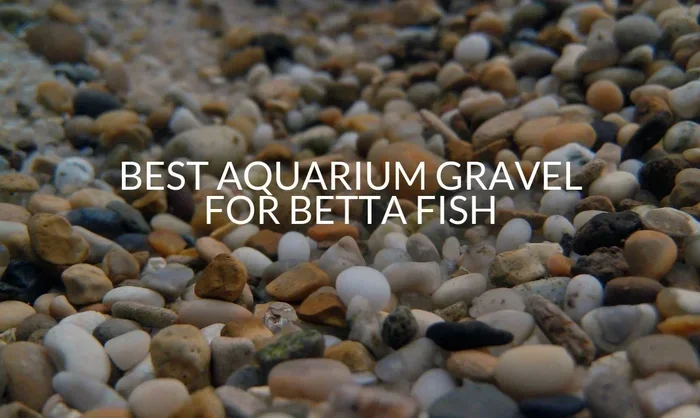
- Small Pebbles (1-3mm): These are ideal for betta tanks. They are smooth, easy to clean, and create a natural look.
- Medium Pebbles (3-7mm): These work well too but may trap more debris between them. You will need to vacuum more often.
- Large Pebbles (7mm+): Avoid these for betta tanks. Food and waste can get stuck underneath, leading to dirty water and poor water quality.
Always choose smooth, rounded pebbles. Sharp or rough stones can damage your betta fish’s delicate fins. River pebbles and aquarium-grade gravel are safe choices. Avoid stones from your backyard or beach, as they may contain harmful minerals or bacteria.
How to Add Pebbles to Your Betta Fish Tank
Adding pebbles to a betta fish tank is simple, but doing it the right way makes a big difference. Follow these steps for a clean, healthy setup:
Step 1: Rinse the Pebbles Thoroughly
Before putting any pebbles in the tank, rinse them in a bucket of clean water. Use your hands to swirl them around and remove dust, dirt, and small debris. Keep rinsing until the water runs clear. This prevents cloudy water when you first fill the tank.
Step 2: Add a Thin Base Layer
Spread a thin layer of pebbles across the bottom of the tank first. Aim for about a quarter-inch layer. This helps create an even base and prevents bare spots later on.
Step 3: Build Up to 2 Inches
Slowly add more pebbles until you reach the 2-inch depth. Pour them in gradually and spread them evenly with your hands or a spoon. Check the depth in different spots to make sure it is consistent across the tank floor.
Step 4: Fill the Tank Slowly
Once the pebbles are in place, fill the tank with water slowly. Pour the water over a plate or saucer to prevent the pebbles from shifting. This keeps your carefully arranged substrate layer in place.
Step 5: Let the Tank Cycle
Before adding your betta fish, let the tank run for at least 24 to 48 hours. This allows the beneficial bacteria to start colonizing the pebbles. It also gives you time to check for any water quality issues.
For more tips on setting up a healthy tank, see our article on what you need for a betta fish tank.
Common Mistakes People Make With Pebbles
Even experienced fish owners sometimes make mistakes when adding pebbles to a betta tank. Here are the most common ones to avoid:
Using Too Many Pebbles
Some people think more pebbles mean a better-looking tank. But overloading the bottom creates deep pockets where waste gets trapped. These pockets release ammonia and other harmful chemicals into the water. This can make your betta fish sick and strain your filter system.
Skipping the Rinse
New pebbles often carry dust, dirt, and even chemical residue. Adding them without rinsing clouds the water and can harm your fish. Always rinse pebbles thoroughly before placing them in the tank.
Choosing the Wrong Size
Large pebbles look dramatic but are problematic for betta fish. Food and waste slip through the gaps and sit on the tank bottom, where it decays and pollutes the water. Stick with small to medium-sized pebbles for the best results.
Ignoring the Substrate Depth
A very thin layer of pebbles does not provide enough surface area for beneficial bacteria. It also looks bare and unappealing. Always aim for the 2-inch depth to get the full benefits of your aquarium substrate.
How to Clean Pebbles in a Betta Fish Tank
Once your pebbles are in place, keeping them clean is part of regular tank maintenance. Here is how to do it without disturbing your betta fish:
- Vacuum During Water Changes: Use a gravel vacuum to suck up debris from between the pebbles. Do this every 1 to 2 weeks during partial water changes.
- Stir Gently: Occasionally gently stir the top layer of pebbles to release trapped debris. Be careful not to dig too deep and disturb the base layer.
- Remove Visible Waste: If you see visible waste sitting on top of the pebbles, remove it with a small net or siphon.
- Replace Pebbles When Needed: Over time, pebbles can become discolored or rough. Replace them every 1 to 2 years to keep the tank looking and feeling fresh.
Regular cleaning keeps the tank environment healthy for your betta. If you are ever unsure about cleaning frequency, check out our guide on how often you clean a betta fish bowl for helpful tips.
Do Betta Fish Need Pebbles at All?
This is a fair question, and the answer is no, betta fish do not strictly need pebbles. In the wild, bettas live in shallow rice paddies and slow-moving streams with bare or muddy bottoms. They can survive just fine in a tank with no substrate at all.
However, pebbles do offer real benefits. They support beneficial bacteria, anchor plants, and create a more natural and comfortable fish tank environment. Most betta owners choose to add pebbles because the visual and practical benefits outweigh the extra effort.
If you decide to skip pebbles, you will need to clean the tank bottom manually during each water change. This is doable but takes more effort. For most people, a thin layer of pebbles makes the betta fish care routine much easier and more enjoyable.
For a complete guide to caring for your betta, check out our article on how to care for a betta fish.
Quick Tips for Adding Pebbles to a Betta Tank
- Always rinse pebbles before adding them to the tank.
- Aim for a 2-inch depth across the entire tank floor.
- Choose smooth, small pebbles that are safe for betta fins.
- Do not overdo it. More pebbles do not mean a better tank.
- Vacuum the pebbles regularly during water changes.
- Let the tank cycle before adding your betta fish.
- Match the pebble color to your betta fish for a cohesive look.
Final Thoughts
The question of how many pebbles do you give a betta fish comes down to a simple formula: a 2-inch layer that matches your tank size. Too few pebbles and the tank looks empty and lacks beneficial bacteria. Too many and waste builds up in hard-to-reach spots that harm water quality.
Remember to rinse your pebbles, choose the right size, and maintain them with regular cleaning. These small steps go a long way in keeping your betta fish happy and healthy. A well-set-up tank with the right amount of pebbles gives your betta a beautiful, natural home that supports its well-being for years to come.
Take your time setting up the tank, enjoy the process, and soon you will have a stunning betta fish habitat that you can be proud of. Your fish will thank you with vibrant colors and lively behavior.
Frequently Asked Questions
Can I use pebbles from my garden for a betta fish tank?
It is best not to use garden pebbles in a betta tank. Outdoor stones may contain pesticides, bacteria, or minerals that can harm your fish. Always use aquarium-grade pebbles or river pebbles that have been thoroughly cleaned and rinsed before adding them to the tank.
How often should I clean the pebbles in my betta fish tank?
You should clean the pebbles during every partial water change, which is typically every 1 to 2 weeks. Use a gravel vacuum to remove debris from between the pebbles without disturbing the substrate layer. This keeps the tank environment healthy and the pebbles looking their best.
Can too many pebbles hurt my betta fish?
Yes, too many pebbles can cause problems. Excessive substrate creates deep pockets where fish waste and uneaten food get trapped. This leads to ammonia buildup and poor water quality, which can stress or harm your betta fish. Stick to the recommended 2-inch depth to avoid these issues.
What size pebbles are safest for betta fish?
Small to medium pebbles in the 1 to 7 millimeter range are safest for betta fish. They are smooth, easy to clean, and do not trap large amounts of debris. Avoid large pebbles with wide gaps, as food and waste can accumulate underneath them and decay in the tank.
Do pebbles affect the water pH in a betta fish tank?
Some types of pebbles can slightly affect water pH. Inert pebbles like aquarium-grade gravel and river stones have minimal impact. However, limestone or coral-based stones can raise the pH, which may not be ideal for betta fish. Always check the type of pebble before adding it to your tank.
Should I add pebbles to a bare-bottom betta tank?
Adding pebbles to a bare-bottom tank is a personal choice. Pebbles offer benefits like supporting beneficial bacteria and creating a natural look. However, betta fish can live comfortably in tanks without any substrate. If you choose to add pebbles, follow the 2-inch depth guideline and rinse them thoroughly before placing them in the tank.