Is Bamboo Ok for Better Fish
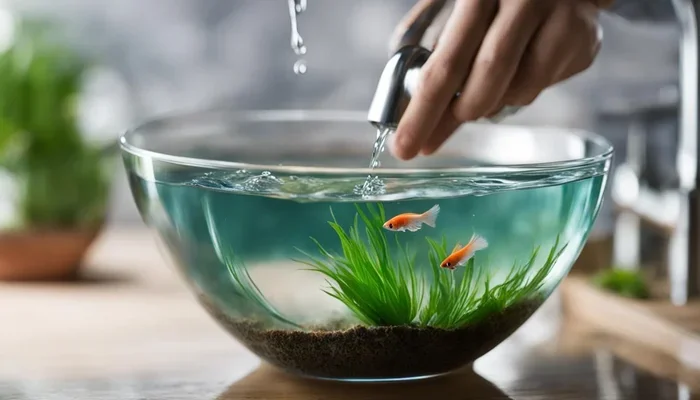
Yes, bamboo is generally safe and beneficial for betta fish tanks when used correctly. Bamboo plants can improve water quality, provide natural hiding spots, and enhance the overall look of your aquarium. However, proper placement and care are essential to keep your betta fish healthy and happy.
Many betta fish owners wonder about adding natural elements to their aquariums. One popular question is whether bamboo is ok for better fish health and tank environments. The short answer is yes, but there are important details to understand before you add bamboo to your betta fish tank.
Bamboo has become a trendy choice among aquarium hobbyists. Its green stalks and simple look fit well with most tank setups. But beyond looks, bamboo offers real benefits for your fish. It can help clean the water, give your betta places to explore, and make the tank feel more natural. In this guide, we will cover everything you need to know about using bamboo in a betta fish tank.
If you are new to keeping betta fish or just looking for ways to improve your current setup, this article has you covered. We will talk about the different types of bamboo, how to prepare them, and what to watch out for. By the end, you will feel confident about whether bamboo is the right choice for your aquarium.
Key Takeaways
- Bamboo is safe for betta fish: When properly prepared and placed, bamboo makes an excellent addition to a betta fish tank.
- Bamboo improves water quality: It absorbs nitrates and other toxins, helping to keep the aquarium environment clean.
- Not all bamboo is aquarium-safe: Some bamboo varieties may release harmful substances, so choosing the right type matters.
- Preparation is key: Cleaning and curing bamboo before adding it to your tank prevents contamination and keeps your fish safe.
- Live bamboo vs. fake bamboo: Both options have benefits, but live plants offer more natural advantages for your betta’s environment.
- Monitor water parameters: Always test your water after adding bamboo to ensure it does not alter pH or hardness in unwanted ways.
📑 Table of Contents
- What Is Bamboo and Why Use It in a Fish Tank?
- Is Bamboo Safe for Betta Fish?
- How to Prepare Bamboo for Your Betta Fish Tank
- Benefits of Bamboo for Betta Fish
- Bamboo vs. Other Aquarium Plants
- Common Mistakes When Using Bamboo in a Fish Tank
- Expert Tips for Keeping Bamboo Healthy in a Betta Tank
- Conclusion
What Is Bamboo and Why Use It in a Fish Tank?
Bamboo is a fast-growing plant that belongs to the grass family. In the aquarium world, people use both live bamboo and artificial bamboo. Each type has its own set of advantages. Understanding these differences helps you make the best choice for your betta fish tank setup.
Live Bamboo in Aquariums
Live bamboo brings a natural feel to any tank. It grows over time and can become a centerpiece in your aquarium. Many fish owners love the way live bamboo looks because it adds greenery without taking up too much space. Live bamboo also helps with aquarium plant care by absorbing waste products from the water.
When you use live bamboo, your betta fish may enjoy swimming around it. The stalks create interesting shapes that mimic a betta’s natural habitat. This kind of betta fish enrichment can reduce stress and encourage natural behaviors. Your fish might even build bubble nests near the bamboo, which is a great sign of a happy betta.
Artificial Bamboo for Fish Tanks
Fake bamboo is a popular option for those who want the look without the maintenance. Artificial bamboo does not need light or nutrients to survive. It stays the same shape and color over time, which makes it very low-maintenance.
However, fake bamboo does not offer the same water-quality benefits as live plants. It cannot absorb nitrates or produce oxygen. If you choose artificial bamboo, make sure it is made from aquarium-safe materials. Some plastics may leach chemicals into the water, which can harm your fish. Always buy from trusted brands that specialize in fish tank decor.
Is Bamboo Safe for Betta Fish?
This is the most important question, and the answer is mostly yes. Bamboo is safe for betta fish when you choose the right type and prepare it properly. Not all bamboo varieties work well in water, though. Let us look at what makes bamboo safe or unsafe for your aquarium.
Safe Bamboo Varieties
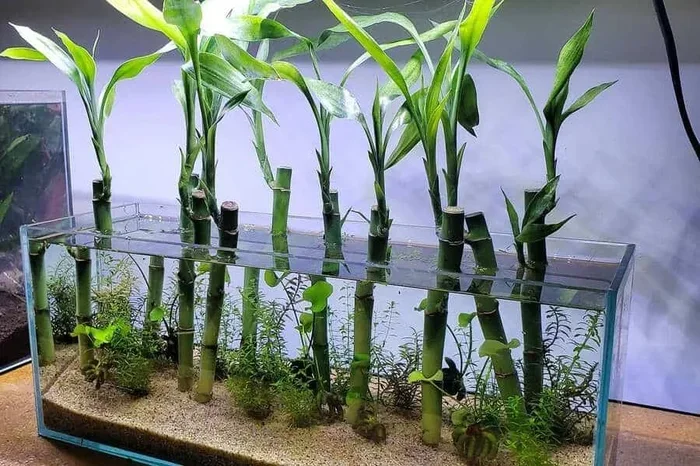
Lucky bamboo, also known as Dracaena sanderiana, is the most common type used in fish tanks. Despite its name, lucky bamboo is not actually bamboo. It is a tropical plant that thrives in both water and soil. Lucky bamboo is widely considered safe for betta fish and other freshwater species.
Another safe option is real bamboo species that can grow partially submerged. These plants do well with their roots in water and their stalks above the surface. Always research the specific bamboo variety before adding it to your tank. Some wild bamboo species may release compounds that are harmful to fish.
Potential Risks of Bamboo
While bamboo is generally safe, there are a few risks to keep in mind. Some bamboo plants may release tannins into the water. Tannins can slightly lower the pH and tint the water yellow or brown. This is not usually harmful, but it can change the look of your tank. Many fish owners use activated carbon in their filters to manage tannin levels.
Another concern is the treatment of the bamboo itself. Bamboo sold in stores may carry pesticides or chemical coatings. These substances can be toxic to your betta fish. Always rinse bamboo thoroughly and consider soaking it before placing it in your tank. If you are unsure about a specific product, check with the seller or look for bamboo plants for betta fish that are labeled as aquarium-safe.
How to Prepare Bamboo for Your Betta Fish Tank
Preparation is one of the most important steps when adding bamboo to your aquarium. Skipping this step can introduce harmful substances into your tank. Taking the time to prepare your bamboo properly ensures a safe and healthy environment for your betta.
Step-by-Step Preparation Process
- Rinse the bamboo thoroughly. Use clean, room-temperature water to remove any dirt or surface chemicals. Scrub the stalks gently with a soft brush if needed.
- Soak the bamboo in clean water. Place the bamboo in a bucket of dechlorinated water for 24 to 48 hours. This helps release any remaining pesticides or toxins.
- Change the soaking water. After the first soak, drain the water and repeat with fresh dechlorinated water. Do this at least two times for best results.
- Inspect for damage. Check the bamboo for soft spots, mold, or discoloration. Remove any damaged areas before adding the plant to your tank.
- Place in the tank carefully. Position the bamboo so that it is stable. You can use aquarium-safe glue or stones to anchor it if needed.
Should You Boil Bamboo?
Some aquarium hobbyists recommend boiling bamboo before adding it to the tank. Boiling can help sterilize the plant and remove bacteria or parasites. It also helps release tannins more quickly. If you choose to boil your bamboo, let it cool completely before placing it in the aquarium. Never add hot bamboo directly to your tank, as sudden temperature changes can stress your betta fish.
Benefits of Bamboo for Betta Fish
Bamboo offers several real advantages for a betta fish tank. These benefits go beyond simple decoration. Let us explore why many fish owners choose to add bamboo to their aquariums.
Natural Water Filtration
Live bamboo absorbs nitrates and ammonia from the water. These substances build up from fish waste and uneaten food. High levels of nitrates can be harmful to your betta over time. By adding bamboo, you create a natural filtration system that works alongside your regular filter. This helps maintain better water quality for fish and reduces the frequency of water changes.
Enrichment and Hiding Spots
Betta fish are curious creatures. They enjoy exploring their environment and having places to hide. Bamboo stalks provide excellent hiding spots and exploration opportunities. This kind of enrichment can make your betta feel more secure and less stressed. A relaxed betta is a healthier betta.
Some betta owners notice that their fish spend more time near the bamboo, especially when they are building bubble nests. The plant provides a surface for the nest and gives the fish a sense of territory. This behavior is a positive sign that your betta feels comfortable in its environment.
Aesthetic Appeal
Let us not forget the visual appeal. Bamboo adds a natural, calming look to any aquarium. It pairs well with gravel, sand, and other live plants. Many people find that a well-planted tank with bamboo creates a peaceful atmosphere in any room. If you are looking to upgrade the look of your betta fish tank, bamboo is a great option.
Bamboo vs. Other Aquarium Plants
Bamboo is not the only plant option for betta fish tanks. Let us compare bamboo to some popular alternatives so you can make an informed decision.
Bamboo vs. Live Aquarium Plants
Traditional aquarium plants like anubias, java fern, and amazon sword offer broader leaf coverage. These plants often provide more hiding spots and surface area for beneficial bacteria. However, bamboo grows taller and takes up less horizontal space, making it ideal for smaller tanks. Both options improve water quality, but each does so in a different way.
If you are deciding between bamboo and other live plants, consider your tank size and your betta’s behavior. Betta fish often enjoy plants with long leaves they can swim through. Bamboo stalks are more upright, which works well for bettas that prefer open swimming areas.
Bamboo vs. Fake Plants
Fake plants require no care and never die. They are convenient and come in many designs. However, they do not contribute to water quality or provide the same enrichment as live plants. If you want a low-maintenance option that still looks natural, real plants vs fake plants for fish tank is a great comparison to explore further.
For the best of both worlds, some aquarium owners use a combination of live bamboo and a few carefully chosen fake plants. This approach gives you the natural benefits of live bamboo while filling in gaps with colorful artificial options.
Quick Comparison Table
| Feature | Live Bamboo | Fake Bamboo | Traditional Live Plants |
|---|---|---|---|
| Water Quality Benefits | Yes | No | Yes |
| Maintenance Level | Medium | Low | Medium to High |
| Hiding Spots for Betta | Good | Good | Excellent |
| Aesthetic Value | Natural Look | Varied Designs | Natural Look |
| Cost Over Time | Low | Low | Medium |
Common Mistakes When Using Bamboo in a Fish Tank
Even with the best intentions, mistakes can happen. Knowing what to avoid saves you time, money, and most importantly, keeps your betta fish safe.
Using Bamboo Without Proper Cleaning
The most common mistake is skipping the cleaning step. Store-bought bamboo may carry chemicals, bacteria, or even tiny pests. Always rinse and soak your bamboo before adding it to the tank. This simple step prevents many potential problems down the road.
Choosing the Wrong Bamboo Type
Not all bamboo is created equal for aquarium use. Some species are not suited for submerged environments. Always verify that the bamboo variety you choose is safe for aquatic use. When in doubt, stick with lucky bamboo or well-known aquarium-safe species.
Overcrowding the Tank
Bamboo can grow quickly, and over time it may take over your tank. Too many plants can reduce swimming space for your betta and block light from reaching other areas of the aquarium. Plan your placement carefully and trim your bamboo as needed to keep the tank balanced.
Ignoring Water Parameter Changes
After adding bamboo, always test your water parameters. Some bamboo varieties can shift pH or release tannins that change water color. If you notice any sudden changes, perform a partial water change and monitor your betta closely. Keeping an eye on your betta fish tank maintenance routine helps catch issues early.
Expert Tips for Keeping Bamboo Healthy in a Betta Tank
Once your bamboo is in the tank, a little ongoing care goes a long way. Here are some expert tips to keep your bamboo and betta fish thriving together.
- Provide moderate lighting. Bamboo does not need intense light. A standard aquarium light is usually enough. Too much light can promote algae growth on the bamboo stalks.
- Keep the roots submerged. If you are growing lucky bamboo, make sure the roots stay in water while the stalk remains above the surface or partially submerged.
- Trim regularly. Cut any yellow or decaying leaves to prevent them from rotting in the water. Clean trimmings should be removed from the tank immediately.
- Use liquid fertilizers sparingly. Bamboo does not need heavy fertilization. A small dose of liquid fertilizer once a month is usually sufficient.
- Watch for algae buildup. Algae can grow on bamboo surfaces over time. Gently wipe the stalks during water changes to keep them clean and attractive.
If you want to dive deeper into choosing the best plants for your betta, check out our guide on whether bamboo plants are safe for betta fish. It covers additional safety tips and plant recommendations that pair well with bamboo in a community tank.
For more ideas on enhancing your betta’s environment with natural elements, our article on how bamboo plants benefit betta fish provides in-depth insights on plant selection and tank design.
Adding natural elements to your aquarium is one of the best ways to create a thriving habitat. If you are curious about how live plants compare to artificial ones, read our piece on real plants vs fake plants for aquariums to understand the full picture. And if you are interested in how bettas interact with plants in general, our article on the relationship between betta fish and plants offers valuable information on creating a balanced ecosystem.
Conclusion
So, is bamboo ok for better fish? The answer is a clear yes. Bamboo can be a wonderful addition to your betta fish tank when you choose the right type and prepare it properly. It offers natural water filtration, enrichment opportunities, and a beautiful aesthetic that enhances any aquarium setup.
Remember to always clean your bamboo thoroughly before adding it to the tank. Stick with aquarium-safe varieties like lucky bamboo, and monitor your water parameters after introduction. With the right approach, bamboo becomes a valuable part of your betta’s environment. Your fish will thank you with healthier, more active behavior and a more vibrant tank to call home.
Whether you are a beginner or a seasoned aquarium keeper, bamboo is a versatile and rewarding plant choice. Start small, observe how your betta responds, and enjoy the process of building a natural underwater world. Happy fish keeping!
Frequently Asked Questions
Can bamboo harm my betta fish?
Bamboo is generally safe, but improperly prepared bamboo can introduce chemicals or toxins into the tank. Always rinse and soak bamboo before adding it to your aquarium. Choose aquarium-safe varieties to minimize any risk to your betta fish.
How long does bamboo last in a fish tank?
With proper care, bamboo can last for several months to years in a fish tank. Live bamboo may grow over time, while artificial bamboo stays the same. Regular maintenance and water testing help extend the life of your bamboo and keep your tank healthy.
Do betta fish like bamboo in their tank?
Many betta fish enjoy bamboo because it provides hiding spots and exploration opportunities. The natural look of bamboo can also reduce stress in bettas. However, every fish has its own personality, so observe your betta to see how it interacts with the bamboo.
Can I put lucky bamboo directly into my betta tank?
It is best to prepare lucky bamboo before adding it to the tank. Rinse it well and soak it in dechlorinated water for 24 to 48 hours. This removes any surface chemicals and helps the plant adjust to the aquatic environment safely.
Will bamboo change the water color in my aquarium?
Some bamboo varieties release tannins that can tint the water slightly yellow or brown. This is not harmful to fish but may affect the appearance of your tank. Using activated carbon in your filter can help manage tannin levels and keep the water clear.
Is it better to use live or fake bamboo for a betta tank?
Live bamboo offers more benefits, including natural water filtration and enrichment for your betta. Fake bamboo is easier to maintain but does not improve water quality. Many owners use a mix of both to get the best of both worlds.