Is Loud Music Bad for Betta Fish
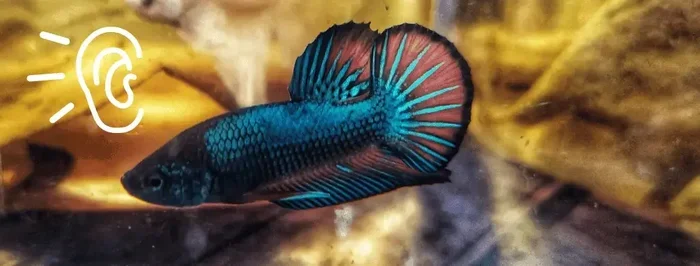
Yes, loud music can stress betta fish and harm their health over time. Betta fish have sensitive hearing, and constant noise disrupts their natural behavior. Keep your aquarium in a quiet spot and use soft background sounds to keep your fish happy and healthy.
Can your favorite playlist hurt your betta fish? It might. Many fish owners love playing music at home but never think about how it affects their aquatic pets. The truth is, loud music and betta fish don’t mix well. Your colorful companion picks up sound vibrations through the water, and those vibrations can cause real stress. In this guide, we’ll explore exactly how sound affects betta fish, what signs to watch for, and how you can keep your fish calm and healthy.
Understanding the impact of noise on your aquarium is one of the easiest ways to improve your betta’s quality of life. Whether you love rock, pop, or classical music, the volume matters more than you think. Let’s dive in and learn how to create a peaceful home for your finned friend.
Key Takeaways
- Betta fish can hear sounds: They detect vibrations through water, making loud music potentially harmful.
- Stress is the biggest risk: Prolonged exposure to loud noise causes chronic stress in betta fish.
- Watch for warning signs: Gasping, hiding, and loss of appetite signal noise-related stress.
- Placement matters: Keep the tank away from speakers and high-traffic noisy areas.
- Soft music can help: Calming, low-volume sounds create a peaceful environment for your betta.
- Tank setup reduces stress: Proper tank size, water quality, and decor all play a role in noise resilience.
📑 Table of Contents
- How Betta Fish Respond to Sound
- How Loud Music Affects Betta Fish Health
- Best Tank Placement to Reduce Noise Stress
- Signs Your Betta Fish Is Stressed from Noise
- Can Music Ever Be Good for Betta Fish?
- Tips for Creating a Peaceful Aquarium Environment
- Common Mistakes Fish Owners Make with Music and Noise
- Expert Insights on Fish and Sound
- Final Thoughts
How Betta Fish Respond to Sound
Betta fish don’t have ears like we do. Instead, they sense vibrations through their lateral line system and inner ear. This means they pick up sound differently than land animals. When you blast music, the sound waves travel through the air and then into the water. Your betta feels those waves as vibrations.
Can Betta Fish Actually Hear Music?
Yes, they can. Betta fish detect low-frequency sounds very well. This is why bass-heavy music is especially problematic. The deep vibrations pass right through the glass and into the water. Your fish might not “enjoy” the music the way you do. Instead, it experiences the sound as constant disturbance. The frequency and volume of the music determine how much stress your betta feels.
Fish in the wild live in relatively quiet environments. Streams, rivers, and ponds have natural background sounds, but nothing like a loud speaker. So when you suddenly fill their environment with booming music, it triggers a stress response. Think of it like someone shaking your house constantly. You’d feel on edge all the time, right?
What Kind of Sounds Do Betta Fish Prefer?
Betta fish thrive in calm environments. Soft, gentle sounds are far less disruptive. Some owners even play soft classical music at low volume and notice their fish seem more relaxed. The key is keeping the volume low enough that you can barely hear it from across the room. If it’s loud enough for you to enjoy, it’s probably too loud for your fish.
How Loud Music Affects Betta Fish Health
Chronic exposure to loud noise takes a real toll on your betta’s body. Just like humans, fish respond to stress with physical and behavioral changes. When your betta feels threatened by constant vibrations, its body releases stress hormones. Over time, this weakens the immune system and opens the door to disease.
Stress and the Immune System
When a betta fish is stressed, its body goes into fight-or-flight mode. Cortisol levels rise, and the fish becomes more vulnerable to infections. A stressed betta is more likely to develop fin rot, ich, and other common diseases. Loud music creates a low-level stressor that never fully goes away. Your fish never gets a chance to relax.
Here are common health issues linked to noise stress in betta fish:
- Weakened immune response: Makes your fish prone to bacterial and fungal infections.
- Loss of appetite: Stressed fish often stop eating or eat much less.
- Color fading: A healthy betta displays vibrant colors. Stress causes dullness.
- Clamped fins: This is a classic sign of discomfort and stress.
- Reduced lifespan: Chronic stress can shorten your betta’s life significantly.
Behavioral Changes Caused by Noise
You’ll notice behavioral shifts before health problems appear. Your betta might start hiding more often. Some fish become aggressive and flare at their own reflection more frequently. Others become lethargic and stop swimming actively. If your betta suddenly changes behavior after you start playing music louder, that’s a red flag.
Also, loud sounds near the tank can startle your betta. This sudden shock causes them to dart around the tank, which can lead to injury. If your tank is near a speaker, consider how often these startle events happen during the day.
Best Tank Placement to Reduce Noise Stress
Where you place your aquarium makes a huge difference. The right spot can protect your betta from unwanted noise. The wrong spot turns your fish tank into a constant noise chamber.
Where to Put Your Betta Tank
Choose a quiet area of your home for the tank. Here are some smart placement tips:
- Avoid bedrooms with loud music: If you play music in your bedroom at night, move the tank to another room.
- Keep away from speakers: Even a few feet of distance reduces vibration significantly.
- Stay clear of high-traffic areas: Hallways, living rooms with TVs, and home offices with constant noise are not ideal.
- Choose a quiet corner: A calm spot with indirect light works perfectly for betta fish.
- Consider the floor material: Solid floors transmit more vibration than carpeted surfaces.
If you already have the tank in a noisy spot, don’t panic. You can still make changes. Simply moving the tank a few feet away from the noise source can dramatically reduce your betta’s stress levels. Also, check if the tank is on a surface that absorbs vibration. A thick towel or foam pad under the tank helps dampen sound transmission.
Room Acoustics and Your Aquarium
Hard surfaces reflect sound waves and make the noise worse. Rooms with lots of glass, tile, or bare walls amplify the problem. Adding soft furnishings like curtains, rugs, or cushions near the tank helps absorb excess sound. This simple trick creates a quieter micro-environment for your betta.
Signs Your Betta Fish Is Stressed from Noise
Knowing the warning signs helps you act fast before stress causes lasting damage. Every betta fish shows stress differently, but there are common patterns to watch for.
Physical Signs of Stress
- Gasping at the surface: If your betta keeps coming up for air more than usual, something is wrong. This could be noise-related stress or a water quality issue. Learn more about why betta fish gasp for air in our detailed guide.
- Faded colors: A vibrant betta that suddenly looks pale is telling you something is off.
- Rapid gill movement: Fast breathing without physical exertion signals distress.
- White spots or patches: Stress weakens immunity and can trigger ich outbreaks.
Behavioral Signs of Stress
- Hiding constantly: A normally curious betta that hides behind every decoration is stressed.
- Loss of appetite: Ignoring food is a clear cry for help.
- Erratic swimming: Darting around or swimming in circles indicates discomfort.
- Flaring excessively: Constant flaring at imaginary threats shows heightened anxiety.
If you notice any of these signs, check your noise levels first. Sometimes the simplest fix is moving the tank to a quieter room. Also, test your water parameters to rule out other causes. Proper water conditions and low noise work together to keep your betta healthy.
Can Music Ever Be Good for Betta Fish?
Here’s the good news. Not all music is bad for bettas. In fact, some types of sound can create a calming environment. The key is volume and frequency. Low-volume, soft music can actually help your betta feel more secure.
Calming Sounds for Your Aquarium
Soft instrumental music works well. Nature sounds like rain or gentle streams also create a soothing atmosphere. Some aquarium owners play white noise at very low volume to mask sudden loud sounds from other parts of the house. This helps prevent startle responses and keeps your betta feeling safe.
Here’s a quick comparison of music types and their impact on betta fish:
- Classical music (low volume): Gentle and calming. Minimal vibration impact.
- Lo-fi beats: Soft and repetitive. Generally safe for bettas.
- Nature sounds: Mimics natural environments. Very calming.
- Rock or electronic music: Heavy bass and high volume. Very stressful for fish.
- Pop music at moderate volume: Acceptable if kept low and not played all day.
The best approach is to keep music at a background level. If you can’t hear it clearly from across the room, it’s probably fine. If the bass is vibrating the glass, turn it down immediately.
Tips for Creating a Peaceful Aquarium Environment
Beyond managing music, several other factors contribute to a calm home for your betta. A holistic approach to tank management reduces stress from all sources, including noise.
Optimize Tank Setup
Start with the basics. Make sure your tank is the right size. A 5 gallon tank or larger gives your betta plenty of space to swim away from stressful stimuli. Use plants and decorations to create hiding spots. This gives your fish a sense of security when outside noise increases.
Maintain Excellent Water Quality
Clean water reduces baseline stress. When your betta is already comfortable in good water conditions, it handles occasional noise better. Regular water changes and proper filtration are essential. Also, make sure your tap water conditioner removes chlorine and chloramine completely.
Keep a Consistent Routine
Bettas thrive on predictability. Feed them at the same times each day. Keep lights on a regular schedule. Minimize sudden loud noises. When your fish knows what to expect, it stays calmer overall.
Monitor Tank Temperature
Temperature stress compounds noise stress. Keep the water between 76 and 82 degrees Fahrenheit. Use a reliable heater and thermometer. If the water is too cold or too hot, your betta becomes more vulnerable to the effects of noise. Check out our guide on ideal temperature for betta fish for detailed temperature management tips.
Choose Quiet Equipment
Some aquarium filters and air pumps create their own noise. Choose quiet equipment to avoid adding to the overall sound level. Sponge filters are excellent for betta tanks because they run almost silently. If you use an air stone, consider whether it’s adding unnecessary noise to your fish’s environment.
Common Mistakes Fish Owners Make with Music and Noise
Even well-meaning fish keepers make mistakes that harm their bettas. Here are the most common ones to avoid.
Playing Music Too Loud for Too Long
Some owners think their fish get used to loud noise. They don’t. Betta fish don’t adapt to chronic stress. What starts as mild discomfort becomes a constant health drain over time. Keep music volumes low and limit the duration.
Ignoring Substrate and Tank Placement
Placing your tank on a thin stand in a high-traffic area compounds the problem. The tank vibrates with every footstep and every loud sound. Use a sturdy, thick stand and place it in a calm location.
Overlooking Other Noise Sources
Music isn’t the only noise concern. Construction nearby, loud appliances, and even a TV in the same room all contribute. Take a holistic view of your fish’s acoustic environment.
Assuming All Fish React the Same Way
Every betta has a slightly different temperament. Some are more noise-sensitive than others. Observe your individual fish and adjust accordingly. If your betta seems bothered by music, don’t take chances.
Expert Insights on Fish and Sound
Aquarium experts generally agree that betta fish benefit from a quiet environment. Dr. Joanne Kory, a marine biologist specializing in freshwater fish, notes that “constant noise exposure elevates cortisol levels in fish, leading to suppressed immune function and behavioral changes.” This research supports what experienced fish keepers have observed for years.
The consensus among experienced betta breeders is clear: keep the noise down. A peaceful environment promotes vibrant colors, active swimming, and a longer lifespan. If you want your betta to thrive, sound management is just as important as water quality and proper diet.
Final Thoughts
So, is loud music bad for betta fish? The answer is a clear yes. Your betta fish picks up sound vibrations through the water, and loud noise causes real stress. Chronic stress weakens the immune system, changes behavior, and can shorten your fish’s life. But the good news is that managing noise is simple and effective.
Move your tank to a quiet spot, keep music volume low, and watch for signs of stress. A calm, peaceful environment lets your betta fish thrive. Your fish may not care about your playlists, but it will thank you for the quiet.
Take a moment today to assess your aquarium’s noise environment. Small changes can make a big difference. Your betta will be healthier, happier, and more active in a peaceful home. And you’ll enjoy watching your colorful friend swim calmly in a stress-free tank.
Frequently Asked Questions
Can betta fish hear music through the aquarium glass?
Yes, betta fish can detect sound vibrations that pass through glass. The sound travels through the air, hits the glass, and transfers into the water as vibrations. Your betta feels these vibrations through its lateral line system. This is why placing the tank near a speaker can cause stress even if the music sounds quiet in the room.
What volume of music is safe for betta fish?
Keep the volume low enough that you can barely hear it from across the room. If the bass makes the tank glass vibrate, it’s too loud. Soft instrumental music or nature sounds at low volume are generally safe and even calming for betta fish.
Does loud music cause betta fish to stop eating?
Yes, chronic noise stress can lead to loss of appetite in betta fish. When fish feel constantly threatened, they often refuse food. If your betta stops eating and you’ve recently increased the music volume, try reducing it and see if their appetite returns.
Is it okay to play music while I’m at work if my betta is home alone?
It’s better to keep the environment quiet when you’re away. If you do play music, keep it very soft and set a timer so it doesn’t play all day. Your betta needs periods of calm to rest and stay healthy. Consider using a timer or smart plug to control music duration.
Can loud noise from a TV hurt my betta fish?
Yes, a loud TV creates similar stress as loud music. The sound vibrations pass through the water and can startle your betta. Place the tank away from the TV and keep the volume at a reasonable level. A calm environment supports better betta health overall.
Do betta fish need complete silence to be healthy?
No, betta fish don’t need complete silence. They are accustomed to gentle background sounds in nature. What they need is an environment free from sudden loud noises and constant high-volume sounds. Soft ambient noise is perfectly fine and won’t harm your fish.