Can Snails Be in a Tank with Betta Fish
Yes, many snail species can be excellent, peaceful tank mates for betta fish. They help clean algae and waste, adding interest without competing for territory. However, success depends on choosing the right snail type, providing ample space and hiding spots, and understanding your betta’s unique personality. With proper setup and observation, a snail can be a beneficial and fascinating addition to your betta’s world.
So, you’ve got that beautiful, personality-filled betta fish swimming gracefully in its tank. Maybe it’s a vibrant blue with flowing fins, or a fiery red with an attitude to match. You love watching it, but you can’t shake the feeling that the tank looks a little… empty. Or perhaps you’re battling a persistent algae problem and wondering if there’s a natural cleanup crew that could help. The thought crosses your mind: Can snails be in a tank with betta fish? It’s a fantastic question, and the answer is a resounding, qualified yes. But, as with any aquatic community, the devil is in the details. Let’s dive deep into the world of betta and snail companionship, covering everything from species selection to tank setup and ongoing care.
Betta fish, or Siamese fighting fish, have a reputation. That reputation is largely earned by their historic use in fights and their intense territoriality towards other male bettas. However, when it comes to other species—especially slow-moving, shelled invertebrates like snails—they often prove to be much more tolerant. Snails don’t compete for the same space, they don’t flash bright fins that trigger a betta’s aggression, and they generally mind their own business. This makes them one of the safest and most beneficial tank mates you can consider for a solo betta. But “safe” doesn’t mean “guaranteed.” Your individual betta’s temperament is the wild card. A laid-back, curious betta might completely ignore a snail. A feisty, defensive one might see the slow-moving creature as an irritating invader to be chased or nipped. Our goal is to stack the deck in favor of harmony.
Key Takeaways
- Compatibility is possible: Most common aquarium snails are peaceful and ignore bettas, making them ideal low-risk tank mates.
- Choose the right snail: Opt for species like Nerite, Mystery, or Ramshorn snails; avoid large, aggressive, or prolific breeders like Apple snails.
- Tank size and setup are critical: A minimum of 5 gallons is essential, with plenty of plants, rocks, and driftwood to break line-of-sight and provide snail grazing areas.
- Know your betta: A particularly aggressive or territorial betta may still nip at or harass a snail; observe their initial interactions closely.
- Snails are janitors, not food: They will not eat fish food meant for your betta but will scavenge algae, leftover bits, and detritus, improving water quality.
- Monitor water parameters: Snails are sensitive to poor water quality and copper-based medications; stable, clean water benefits both species.
- Population control matters: Some snails breed rapidly; choose single-sex or non-breeding varieties (like Nerites) to avoid a snail explosion.
📑 Table of Contents
Why Consider a Snail for Your Betta Tank?
Before we get into the “how,” let’s talk about the “why.” Adding a snail isn’t just about aesthetics (though they can be quite beautiful!). It’s a practical decision that can improve your aquarium’s ecosystem and your own enjoyment.
The Algae Eating Advantage
This is the number one reason most hobbyists consider snails. Many species are excellent grazers. They’ll methodically work their way across the glass, leaves, and hardscape, scraping away green dust algae, brown diatoms, and even some hair algae. A Nerite snail, for instance, is a powerhouse against tough algae types. While they won’t single-handedly solve a severe algae bloom (that’s usually a water chemistry or lighting issue), they are a fantastic natural maintenance tool that reduces the need for scrubbing.
Detritus and Leftover Food Cleanup
Betta fish are notorious for being messy eaters. They often gulp food and leave crumbs or miss pellets that sink to the substrate. Snails like Mystery snails or Ramshorns will actively scavenge for these leftovers, as well as decaying plant matter (detritus). This helps keep the tank cleaner and reduces the biological load on your filter, contributing to better overall water quality.
Adding Biodiversity and Interest
A single-species tank, while clean, can be a bit static. Adding a snail introduces a different form of life with a completely different mode of movement and behavior. Watching a snail’s little feet work, seeing it explore every nook, or observing it come out at night can be incredibly fascinating. It makes your aquarium feel more like a complete, living ecosystem.
Low Maintenance and No Extra Feeding
Unlike some fish or shrimp, you generally do not need to target-feed most aquarium snails. They sustain themselves on the algae and waste in your tank. This means no extra feeding schedule, no extra food costs, and no risk of overfeeding that could foul your water. They are one of the lowest-maintenance tank mates you can choose.
Top 5 Snail Species Perfect for Betta Tanks
Not all snails are created equal, especially in a betta context. We need peaceful snails that won’t overpopulate, won’t require special diets, and won’t carry diseases. Here are the top contenders, ranked from most recommended to situational.
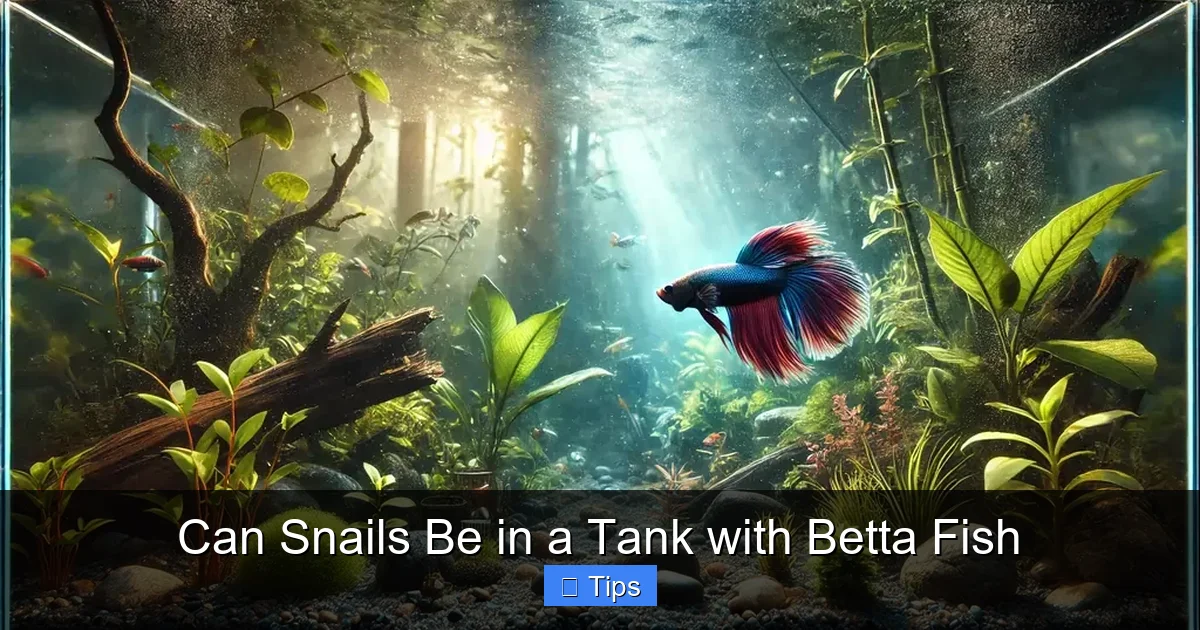
Visual guide about Can Snails Be in a Tank with Betta Fish
Image source: healthyhomeaquarium.com
1. Nerite Snails (The Algae-Bashing Champion)
Neritina spp. (e.g., Zebra Nerite, Tiger Nerite, Olive Nerite) are arguably the best all-around choice for a betta tank. They come in stunning, patterned shells, are incredibly effective at cleaning algae (even the stubborn black beard algae), and have one critical advantage: they do not reproduce in freshwater. Nerite snails require brackish (slightly salty) water to breed, meaning you will never have a population explosion in your betta’s freshwater home. They are peaceful, hardy, and spend their days glued to the glass or decorations doing their job. They are also less likely to be targeted by a betta because they move quickly and have a smooth shell. The only minor downside is they can sometimes be picky eaters if there’s not enough algae, but in a typical betta tank, they’ll find plenty.
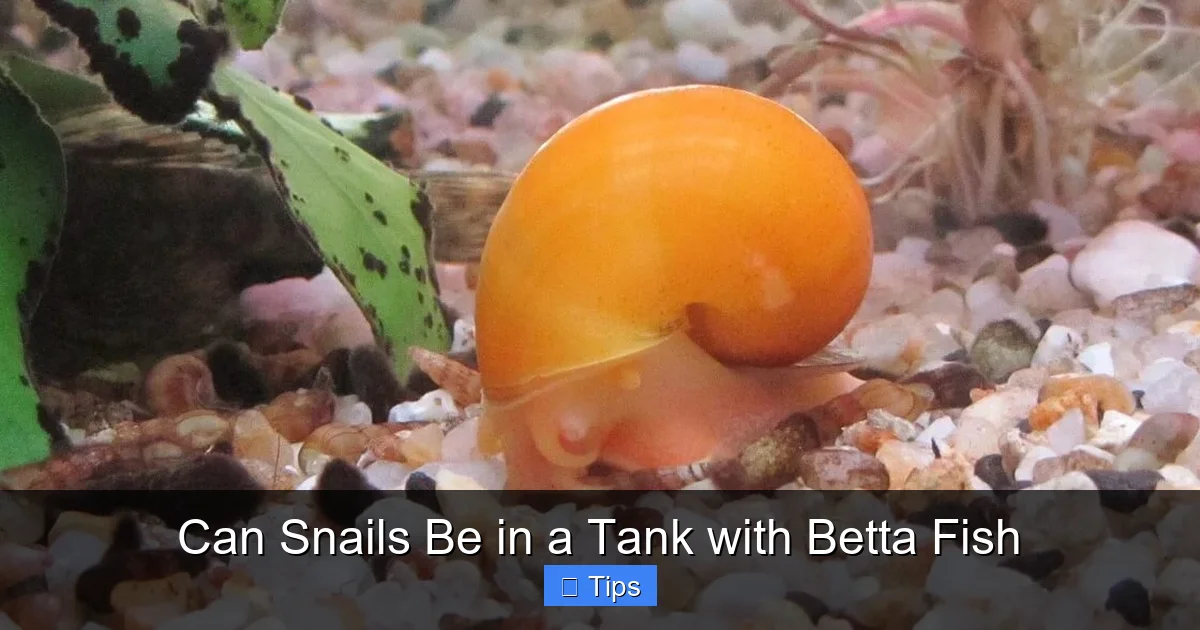
2. Mystery Snails (The Colorful Personality)
Pomacea bridgesii are hugely popular for their vibrant colors—gold, blue, ivory, purple—and their active, curious nature. They are larger (about the size of a golf ball) and will often come to the top of the tank to breathe air. They are excellent scavengers and will eat algae, leftover food, and even blanched vegetables like zucchini or spinach if you supplement. Mystery snails can breed in freshwater, but they require a male and female pair, and the females lay large, obvious egg clusters above the waterline. This makes population control very easy—you simply remove the egg clutches. Their size means a very curious betta might give them a tentative nip, but they are generally too big to be considered prey and are tough enough to handle a minor investigation.
3. Ramshorn Snails (The Efficient Grazer)
Planorbidae family snails are small, planispiral (coiled like a ram’s horn) snails that come in red, brown, or leopard-spotted varieties. They are prolific breeders if conditions are ideal (lots of food, warm water), but their population is usually self-regulating based on available resources. They are fantastic at cleaning glass and plant leaves. Their small size can be a double-edged sword: they are less likely to bother a betta, but a very aggressive betta might see one as a tiny snack and try to eat it. However, their shells are relatively hard, and many bettas lose interest after a tentative peck. If you start with just one or two and your tank isn’t overfed, you likely won’t have a swarm.
4. Japanese Trapdoor Snails (The Hardy Survivor)
Viviparus malleatus are live-bearing snails, meaning they give birth to fully formed, tiny snails rather than laying eggs. They are incredibly hardy, tolerant of cooler temperatures, and have an operculum (a trapdoor) they can seal shut if stressed. They are good scavengers but not primarily algae eaters. They are peaceful and large enough not to be eaten. The breeding concern is that they can reproduce in freshwater, but because they are live-bearers and the young are slow, you can manage the population by removing juveniles if you notice too many. They are an excellent, low-interaction choice.
5. Assassin Snails (The Specialist, Use with Caution)
Clea helena are the exception that proves the rule. They are carnivorous snails that prey on other snails. If you have a pest snail problem (like an unwanted Ramshorn bloom), an Assassin snail can be a natural solution. However, in a betta tank, they are a situational choice only. They are not algae eaters and require a diet of other snails or high-protein meaty foods. They are generally peaceful but might be seen as prey by a large, curious betta due to their active, burrowing hunting behavior. Only add one if you have a specific snail problem to solve and are prepared to potentially rehome it if your betta shows aggression.
Setting Up the Perfect Tank: The Foundation for Harmony
The environment you create is 80% of the battle. A poorly set-up tank will stress your betta and make it more aggressive, and it won’t support a healthy snail population. Here’s your blueprint for success.
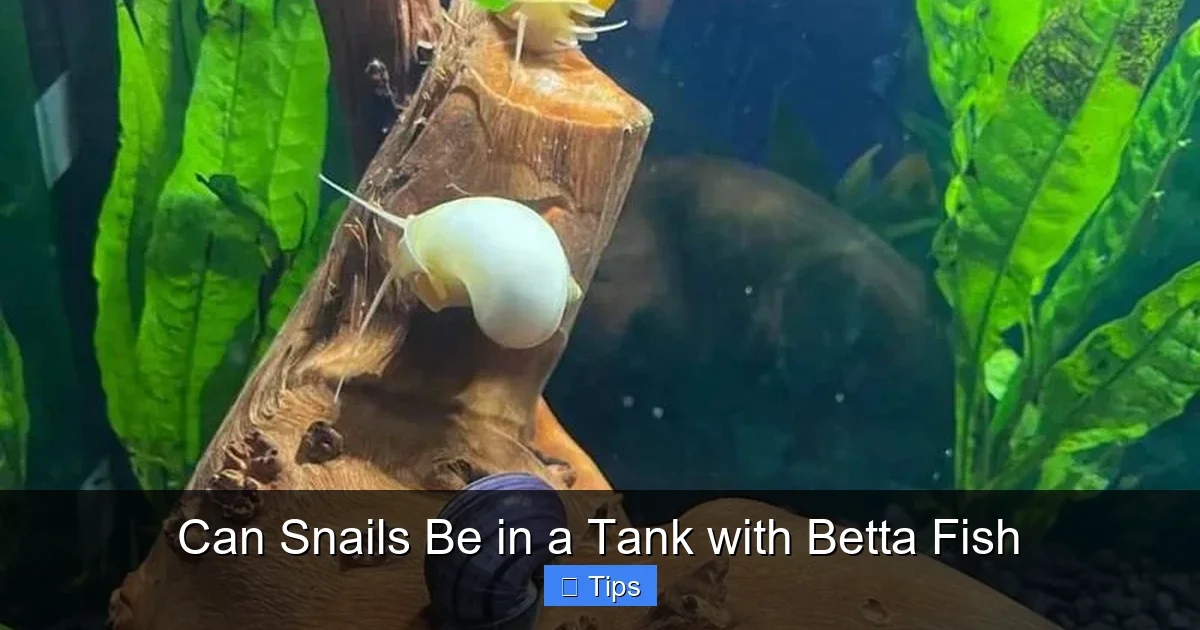
Visual guide about Can Snails Be in a Tank with Betta Fish
Image source: acaquarium.com
Tank Size: Bigger is Always Better
The absolute minimum for a betta and snail is a 5-gallon (19-liter) tank. This is non-negotiable. In a 2.5-gallon “betta bowl,” there is zero space for a snail to escape a territorial betta’s attention, and water quality will be too unstable. A 5-gallon tank provides enough room for the betta to establish its territory at the top and middle levels, while the snail can occupy the bottom and plant surfaces. Ideally, aim for 10 gallons or more. This gives you more swimming space for the betta, more grazing area for the snail, and a much more stable aquatic environment. The extra volume dilutes waste and makes parameter swings less drastic, which is crucial for sensitive invertebrates like snails.
Aquascaping: Breaking the Line of Sight
This is the most important physical element. Bettas are visual predators. If they have a clear, unobstructed view of a slow-moving object in “their” space, they are likely to investigate aggressively. You must break that constant line of sight. Use:
- Live Plants: These are gold. Floating plants like Duckweed or Salvinia provide a beautiful canopy at the top where bettas love to rest and snails can graze on the undersides. Tall stem plants like Rotala or Hygrophila create vertical barriers. Broad-leaved plants like Anubias or Java Fern (attached to driftwood) give snails surfaces to graze and bettas leaves to rest on.
- Driftwood and Rocks: A piece of mopani wood or a slate rock creates caves, overhangs, and shadowy areas. A snail can disappear behind these structures, and a betta can patrol around them rather than having a single, open arena.
- Terracotta Pots or PVC Tubes: These make excellent, inexpensive hiding spots. A snail can tuck itself into a small pot’s drainage hole, and a betta might use it as a territorial marker or a place to build a bubble nest.
The goal is a tank that is lush, complex, and offers multiple “rooms” rather than one open studio apartment.
Water Parameters: The Non-Negotiable Basics
Both bettas and snails need clean, stable water. Bettas are tropical fish from Southeast Asia; most common snails share similar preferences.
- Temperature: 76-82°F (24-28°C). This is the ideal range for betta activity and metabolism. Snails are also fine here. Avoid temperatures above 84°F, as this can stress snails and deplete oxygen.
- Ammonia & Nitrite: Must be 0 ppm. Both species are highly sensitive to these toxins. A fully cycled tank is essential.
- Nitrate: Should be kept below 20 ppm. While snails can tolerate slightly higher nitrates than fish, chronic exposure weakens them and can lead to shell problems.
- pH: 7.0-7.5 is ideal. Avoid acidic water below 6.5, as it can slowly dissolve snail shells.
- Hardness (GH/KH): Snails, in particular, need calcium and other minerals in the water to build and maintain strong, healthy shells. If your tap water is very soft (low GH), you may need to supplement with a calcium additive, a cuttlebone in the filter, or use a mineral-rich substrate. Crumbling snail shells or thin, pitted shells are a sign of mineral deficiency.
Critical Warning: Many common fish medications, especially copper-based treatments for parasites, are deadly to snails. Never use copper in a tank with snails. If you need to medicate a sick betta, you must either use a non-copper medication confirmed safe for invertebrates or remove the snail to a separate hospital tank. Always research medication safety first.
Filtration and Flow
A good filter is essential for a betta (which can be lazy and prefer calm water) and a snail (which needs clean water). Sponge filters are a fantastic choice: they provide gentle biological filtration and flow, offer a surface for beneficial bacteria, and are impossible for a betta to get sucked into. Hang-on-back (HOB) or internal power filters are also fine if you can adjust the flow to a very gentle setting using a spray bar or by baffling the output with a sponge. Strong currents will stress your betta and make it difficult for a snail to move around.
The Introduction Process: Patience is a Virtue
You have your cycled, planted, properly sized tank. You’ve chosen your snail. Now, how do you make the introduction? Rushing this is a common mistake.
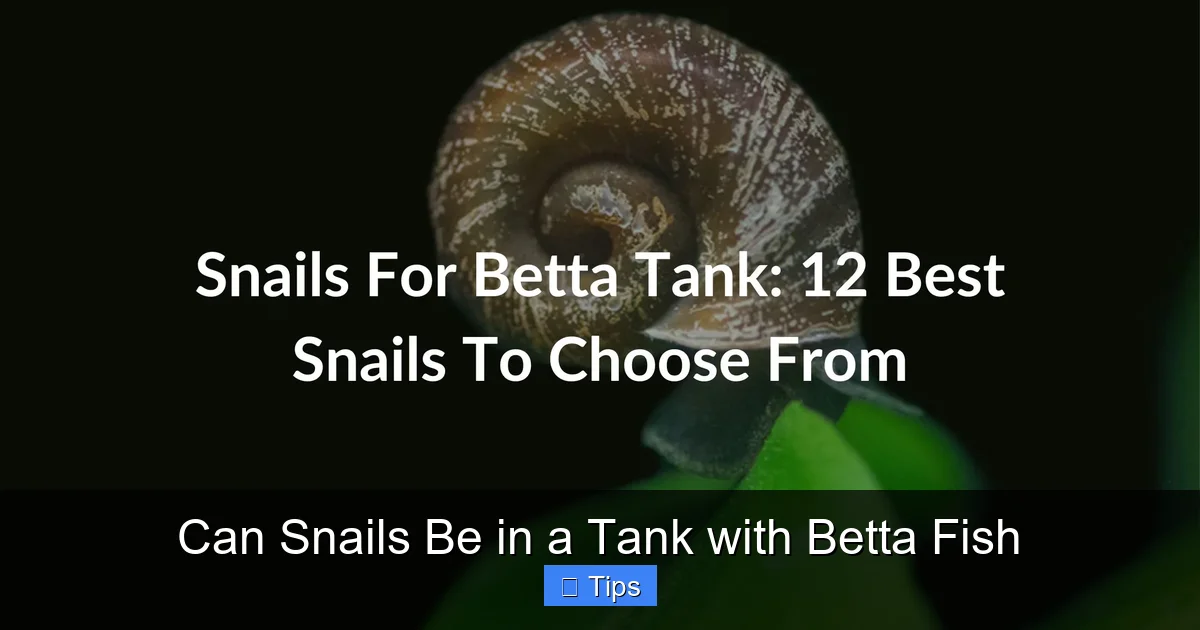
Visual guide about Can Snails Be in a Tank with Betta Fish
Image source: sp-ao.shortpixel.ai
Step 1: The Quarantine (For the Snail)
This is a debated but highly recommended step. Snails can carry parasites, eggs, or diseases on their shells from the store or other tanks. Ideally, place the snail in a separate, small “quarantine” tank for 2-4 weeks. During this time, you can observe it for any issues and treat it if necessary (e.g., a hydrogen peroxide dip for potential pests, followed by a thorough rinse). If a separate tank isn’t possible, give the snail a thorough inspection under a light. Look for tiny, white or beige snail eggs (pest snail eggs) glued to the shell, any unusual spots or fungus, and make sure its foot and operculum (if it has one) look healthy and active.
Step 2: Acclimation
Never just drop the snail in. Float the sealed bag or container in your tank for 15-20 minutes to equalize temperature. Then, perform a drip acclimation over the next 30-60 minutes, slowly adding tank water to the snail’s container. This gradual process helps the snail adjust to your tank’s specific pH and mineral content, which is crucial for shell health.
Step 3: The First Encounter
Gently net the snail (or hand it if it’s a Mystery snail) and place it on the substrate near a plant or decoration. Do not release it directly in front of your betta’s face. Turn off the tank lights for an hour or two. A startled betta in a bright, suddenly changed environment is more likely to be defensive. When you turn the lights back on, observe from a distance. Normal behavior: the snail will cautiously extend its foot and begin to explore. Your betta may flare its gills, approach, and give it a gentle nudge with its nose. This is investigation. Intervene only if the betta is relentlessly chasing, nipping, or trying to pull the snail from its shell. If the betta loses interest after a few minutes and returns to its normal routine, you’ve likely succeeded. If aggression is constant, you may need to remove the snail and try again in a week or two, or consider that your betta is not a candidate for a snail mate.
Common Challenges and How to Solve Them
Even with the best planning, you might encounter hiccups. Here’s how to troubleshoot.
The Betta is Chasing/Nipping the Snail
First, assess the severity. Is it a few curious flares and nudges, or a relentless attack? If it’s the former, give it 24-48 hours. Often, the betta realizes the snail is boring, inedible, and not a threat, and loses interest. If the aggression is severe and the snail is constantly hiding or has shell damage, you have two options: 1) Rehome the snail to a different tank. 2) Increase the tank’s complexity immediately. Add more tall plants, floating cover, and hiding spots to visually separate them. A tank divider can be a temporary solution to allow them to acclimate to each other’s presence without contact.
Snail Not Moving or Not Eating
A stationary snail isn’t necessarily dead! Many snails, especially Mystery snails, can estivate (go dormant) if water parameters are poor, they are stressed from the move, or the temperature is too low. Gently touch its foot; if it retracts, it’s alive. Check your water parameters immediately. Ensure the temperature is in range. For algae-eating snails like Nerites, a lack of algae means they aren’t finding food. You can supplement by attaching a algae wafer or a small piece of blanched zucchini to a rock with a toothpick. Remove any uneaten veg after 24 hours.
Snail Population Explosion
This is almost exclusively a problem with Ramshorn or Pond snails, which are often accidentally introduced on plants. If you find yourself with dozens of tiny snails:
- Manual Removal: The most effective method. Use a fishnet or a piece of lettuce/cucumber as a trap (place it in the tank, wait an hour, remove it with snails attached).
- Snail-Eating Fish? Avoid! No fish is a reliable, safe snail eradicator in a betta tank. Some loaches or puffers would eat the snails but also stress or eat the betta.
- The “Assassin” Solution: Introduce a single Assassin snail. It will hunt the small pest snails and then likely starve once they’re gone, at which point you can rehome it.
- Prevention: The best cure. Always quarantine and inspect new plants. Dip them in a mild solution (like a 1:20 bleach-water mix for 2-3 minutes, then thoroughly rinsed) to kill any snail eggs or pests before adding them to your main tank.
Shell Damage or Erosion
A pitted, crumbling, or white, chalky shell is a sign of poor water quality or mineral deficiency. Test your water for ammonia, nitrite, and nitrate immediately. Perform a partial water change. If parameters are good, the issue is likely low mineral content (GH). Add a liquid calcium supplement, a piece of cuttlebone in the filter media bag, or switch to a mineral-rich substrate. Strong, intact shells are a sign of a healthy snail and a healthy tank.
Conclusion: A Rewarding Partnership
So, can snails be in a tank with betta fish? Absolutely. The combination of a majestic, personality-driven betta and a diligent, fascinating snail is one of the most rewarding and low-maintenance aquatic pairings you can create. It transforms a simple fish tank into a dynamic, balanced micro-ecosystem. The key, as we’ve seen, is respecting the needs of both animals. You provide a spacious, heavily planted, pristine environment with stable water chemistry. You choose a peaceful, suitable snail like a Nerite or Mystery snail. And you patiently introduce them, becoming a keen observer of their interactions.
Your betta gets a cleaner home with interesting surroundings. Your snail gets a safe haven with a constant supply of food scraps. And you get the joy of watching two very different creatures share a space, often with a peaceful, if indifferent, coexistence. The slow, steady grace of a snail against the vibrant, darting energy of a betta is a beautiful contrast. By following the guidelines laid out here—prioritizing tank size, aquascaping, water quality, and species selection—you are setting yourself up for long-term success. You’re not just adding a pet; you’re enhancing an entire ecosystem, one shelled janitor at a time.
Frequently Asked Questions
Will my betta fish eat my snail?
Most bettas will not eat a healthy, full-sized snail like a Mystery or Nerite, as their shells are too hard and they are not seen as typical prey. However, a very curious, aggressive, or food-motivated betta may nip at a snail’s foot or attempt to pull it from its shell. Small baby snails or pest snails (like Ramshorns) are at higher risk. Choosing a larger, tougher-shelled snail and providing plenty of hiding spots minimizes this risk.
Do snails need to be fed separately from my betta?
Generally, no. Algae-eating snails like Nerites will graze on the natural algae in your tank. Scavenger snails like Mystery snails will eat leftover betta food and detritus. If you have a very clean tank with no algae, you can occasionally supplement with an algae wafer or a small piece of blanched zucchini. Overfeeding to feed a snail will only foul your water.
How many snails can I put with my betta?
Start with one. In a 5-gallon tank, one snail is plenty. In a 10-gallon or larger tank, you could add a second, but always introduce them one at a time and monitor your betta’s reaction. The bioload (waste produced) of a few snails is negligible, but their grazing and cleaning benefits are significant. More is not necessarily better, especially with species that can breed.
What if my snail dies? Is it safe for my betta?
A dead snail in the tank will decompose and cause a spike in ammonia, which is dangerous for your betta. You must remove a deceased snail immediately. A sign a snail has died is that it is completely retracted and unresponsive for more than a day, often with a foul smell, or its body hangs out of the shell. Always check on a stationary snail by gently touching its foot.
Can I use normal fish medication if my snail gets sick?
No, you must be extremely cautious. Copper-based medications are fatal to snails. Many other common ich or parasite treatments also contain ingredients toxic to invertebrates. Always read the label for an “invertebrate safe” or “shrimp safe” warning. The safest approach is to have a separate hospital tank to treat a sick betta, leaving the snail in the main tank, or to remove the snail during treatment.
My snail laid eggs! What do I do?
It depends on the snail. Nerite snails will lay single, hard, white eggs on hardscape, but they will not hatch in freshwater. You can leave them or scrape them off. Mystery snails lay large, gelatinous clutches of eggs above the waterline. If you don’t want babies, simply remove the egg clutch and discard it. Ramshorn or pest snails lay tiny, clear egg sacs underwater. To prevent an infestation, remove any you see on plants or glass. If you do want snail babies from a Mystery snail, you can leave the clutch; the babies will drop into the water when ready.