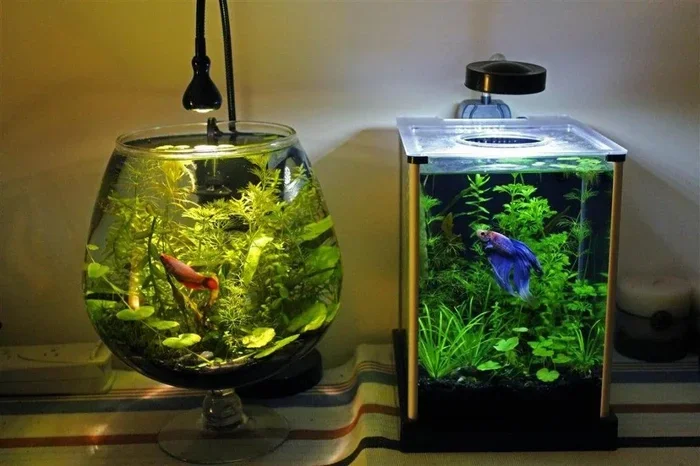
How Long Do Betta Fishes Live For

How long do betta fishes live for? On average, betta fish live between 2 to 5 years in captivity, though some lucky owners enjoy companions for over 5 years. Your betta’s lifespan depends heavily on water quality, diet, tank conditions, and overall betta fish care. With the right setup and attention, you can give your betta the best shot at a long, healthy life.
Key Takeaways
- Average lifespan: Betta fish typically live 2 to 5 years in captivity, with some reaching 7+ years under optimal conditions.
- Water quality matters most: Poor water conditions are the number one killer of betta fish, not old age.
- Tank size is critical: A minimum 5-gallon tank gives your betta the space needed to thrive and live longer.
- Diet plays a big role: A varied, high-quality diet helps prevent disease and supports a longer betta fish lifespan.
- Temperature control: Betta fish need warm water (76-82°F) to stay healthy and stress-free.
- Stress shortens life: Overcrowding, aggressive tank mates, and dirty water all create stress that reduces longevity.
- Regular maintenance: Weekly water changes and proper filtration can dramatically extend how long your betta fish lives.
📑 Table of Contents
- What Is the Typical Betta Fish Lifespan?
- Key Factors That Affect How Long Do Betta Fishes Live For
- How to Help Your Betta Fish Live a Longer Life
- Betta Fish Lifespan in Different Environments
- Common Health Issues That Shorten Betta Fish Life
- Signs Your Betta Fish May Not Be Living Long
- Expert Tips to Maximize Your Betta Fish’s Lifespan
- Key Takeaways
- Conclusion: Giving Your Betta the Longest Life Possible
What Is the Typical Betta Fish Lifespan?
If you are wondering how long do betta fishes live for, the answer is simpler than you might think. In most home aquariums, betta fish live between 2 and 5 years. Some dedicated hobbyists have reported their bettas living well beyond 5 years, with rare cases reaching 7 or even 8 years old.
But here is the honest truth. Many betta fish die within their first year. This is not because bettas are fragile creatures. It is because most people do not give them the care they need. A betta fish lifespan that falls short of its potential is almost always preventable.
The betta fish lifespan you see online often comes from well-maintained tanks with heated water, proper filtration, and a balanced diet. That is the standard we should aim for. Let us break down exactly what influences how long your betta will be with you.
Betta Fish Lifespan in the Wild vs. Captivity
In the wild, betta fish live shorter lives, usually around 2 to 3 years. They face predators, disease, fluctuating water temperatures, and limited food sources. In captivity, a betta fish can live longer because you control the environment. However, this only works if you actually provide proper care. A betta sitting in a tiny unfiltered cup will not live nearly as long as one in a well-cycled 5-gallon tank.
For more details on wild bettas, check out our article on how long do betta fish live in the wild.
Key Factors That Affect How Long Do Betta Fishes Live For
Now let us get into the real stuff. What actually determines your betta fish’s lifespan? Several key factors come into play, and each one can either add years to your betta’s life or cut it short.
Water Quality and Tank Conditions
This is the biggest factor by far. Water quality is the foundation of betta fish care. Ammonia, nitrite, and nitrate buildup from waste can poison your fish quickly. Even small spikes in these chemicals cause stress, illness, and eventually death.
Here is what you need to know about tank conditions:
- Tank size: A minimum of 5 gallons is recommended. Smaller bowls and cups lead to rapid water quality crashes. If you want to learn more, read our guide on how long do betta fish live in a 5 gallon tank.
- Filtration: A gentle filter helps keep water clean without creating too much current. Bettas are weak swimmers and hate strong flow.
- Heating: Betta fish need warm water between 76°F and 82°F. Cold water weakens their immune system and leads to disease.
- Cycling: A properly cycled tank has beneficial bacteria that break down harmful toxins. Never skip this step.
For a deeper look at tank setups, explore how long do betta fish live in a tank and what makes the biggest difference.
Diet and Nutrition
What you feed your betta fish directly impacts how long it lives. Bettas are carnivorous by nature. They need protein-rich foods to stay healthy. A poor diet leads to malnutrition, obesity, and weakened immunity.
Great food options include:
- High-quality betta pellets (the staple diet)
- Frozen or live bloodworms (treats, not staples)
- Frozen or live brine shrimp (great for variety)
- Daphnia (excellent for digestion)
Avoid overfeeding. Bettas will eat everything you put in front of them, but uneaten food rots in the water and tanks the quality. Feed small amounts 1 to 2 times per day. A good feeding schedule supports both betta fish health and water cleanliness.
Stress and Environment
Stress silently kills betta fish. Unlike humans, bettas cannot cope with chronic stress well. Here are common stressors that shorten the betta fish lifespan:
- Small, cramped containers
- Aggressive tank mates (like guppies or cichlids)
- Sudden temperature changes
- Bright lights or loud noises near the tank
- Lack of hiding spots or enrichment
When a betta is stressed constantly, its immune system weakens. It becomes more susceptible to betta fish disease like fin rot, ich, and fungal infections. Reducing stress is one of the simplest ways to extend your betta’s life.
Genetics and Breeding Quality
This factor often goes overlooked. Bettas purchased from pet stores often come from mass breeding operations. These fish may have weaker genetics compared to bettas from reputable breeders. Betta fish longevity can be influenced by the genetic line they come from. If possible, buy from a trusted breeder who focuses on healthy, vibrant fish.
Male and female bettas also differ slightly in lifespan. To explore this, see our article on how long do female betta fish live and how long do male betta fish live.
How to Help Your Betta Fish Live a Longer Life
Now that you know what affects your betta’s lifespan, let us talk about what you can actually do to extend it. These are practical steps you can take today.
1. Upgrade Their Tank
If your betta is living in a bowl or a small cup, this is the single biggest upgrade you can make. A 5-gallon tank with a heater and filter gives your fish room to swim, stable water parameters, and a much better chance at a long life. Learn more about how to set up the perfect habitat in our guide on how do you care for a betta fish.
2. Keep the Water Warm
Room temperature water is often too cold for bettas, especially in winter. A simple aquarium heater set to around 78°F makes a huge difference. Warm water keeps your betta active, supports digestion, and strengthens the immune system.
3. Perform Regular Water Changes
Even with a good filter, you need to do partial water changes. Aim for 25 to 50 percent of the tank water every week. This removes built-up toxins and refreshes essential minerals. For a step-by-step guide, check out our article on how to do a water change for betta fish.
4. Feed a Balanced Diet
Rotate between high-quality pellets, frozen bloodworms, and brine shrimp. This variety ensures your betta gets all the nutrients it needs. Do not rely on flake food alone, as it often lacks the protein bettas need.
5. Choose Tank Mates Wisely
Not all fish get along with bettas. Some species nip at betta fins, causing stress and injury. Good tank mates include:
- Snails (like nerite or mystery snails)
- Ghost shrimp
- Small corydoras catfish
- Other bettas (in divided tanks only)
Avoid keeping bettas with aggressive or fin-nipping species. Peaceful companions can actually improve your betta’s well-being and help it live longer.
6. Monitor Your Fish Daily
Spend a few minutes each day watching your betta. Look for changes in behavior, color, appetite, or fin condition. Early detection of problems saves lives. A betta that stops eating for more than a day needs attention right away.
Betta Fish Lifespan in Different Environments
Where your betta lives has a direct impact on how long it survives. Let us compare a few common setups.
Small Bowls and Cups
This is the worst environment for a betta fish. In a small bowl without heating or filtration, a betta might survive only a few months. Water quality crashes quickly, and there is no way to maintain stable conditions. Many pet stores keep bettas in these poor conditions, which raises the question: how long do pet stores keep betta fish? Unfortunately, the answer is often far too long in subpar conditions.
5-Gallon Tanks
This is the sweet spot for most bettas. A 5-gallon setup with a heater, gentle filter, and basic decoration gives your fish a comfortable home. Betta fish living in a 5-gallon tank commonly reach the 3 to 5-year mark.
10-Gallon or Larger Tanks
Larger tanks offer even more stability in water parameters. While bettas do not need a huge tank, a 10-gallon tank can support a betta along with a few peaceful tank mates. The added space and water volume make maintenance easier and help your betta fish live longer.
Comparison Table: Betta Fish Lifespan by Environment
| Environment | Typical Lifespan | Key Risk |
|---|---|---|
| Small bowl/cup | Few months to 1 year | Water quality crashes |
| 5-gallon tank (basic) | 2 to 4 years | Inconsistent heating |
| 5-gallon tank (well-maintained) | 3 to 5 years | Overfeeding |
| 10-gallon+ tank | 3 to 5+ years | Tank mate aggression |
Common Health Issues That Shorten Betta Fish Life
Disease is one of the biggest threats to how long do betta fishes live for. Most health problems in bettas come from poor water conditions, stress, or poor nutrition. Here are the most common issues you should watch for.
Fin Rot
Fin rot causes the edges of the fins to turn white, fray, or dissolve. It is usually caused by bacteria thriving in dirty water. Early treatment with clean water and antibacterial medication can reverse the damage. If left untreated, fin rot can become fatal.
Ich (White Spot Disease)
Ich appears as tiny white spots on the body and fins. It is a parasitic infection that thrives in stressed or weakened fish. Raising the water temperature slowly to around 82°F can help kill the parasite, combined with medication if needed.
Swim Bladder Disorder
This condition affects a betta’s ability to float or sink properly. Overfeeding and poor diet are common causes. Feed peas (with skins removed) or daphnia to help your betta recover. Most fish survive this if caught early.
Fungal Infections
Fungal infections show up as cotton-like growths on the skin or mouth. They often attack fish with weakened immune systems. Clean water and antifungal treatments are usually effective. Preventing fungal infections comes down to maintaining good betta fish water quality.
Dropsy
Dropsy is one of the most serious conditions. A betta with dropsy swells up due to kidney failure. Unfortunately, this condition is often fatal even with treatment. The best defense is preventing it through excellent care and a clean environment.
Signs Your Betta Fish May Not Be Living Long
Sometimes, despite your best efforts, a betta fish may be nearing the end of its life. Here are signs to watch for:
- Constant hiding or lethargy
- Loss of color or fading patterns
- Clamped fins held close to the body
- Loss of appetite for several days
- Difficulty swimming or floating at the surface
- Visible spots, lesions, or torn fins
- Rapid breathing or gasping at the surface
If you notice multiple signs at once, it is time to take action. Check your water parameters immediately. Perform a water change and test for ammonia and nitrite. Adjust temperature if needed. Sometimes a simple fix can turn things around. Other times, the damage is too far gone.
For more on recognizing and treating common problems, our article on how to do a salt bath for betta fish offers helpful treatment methods.
Expert Tips to Maximize Your Betta Fish’s Lifespan
Here are some quick expert tips that experienced betta keepers swear by:
- Quarantine new fish. If you add any new fish or plants, keep them separate for at least 2 weeks. This prevents disease from spreading to your betta.
- Do not overclean. Leaving some beneficial bacteria in the tank is important. Do not replace all the filter media at once.
- Use a timer for lights. Keep the light on for 8 to 10 hours a day. Too much light encourages algae and stresses the fish.
- Add live plants. Plants improve water quality, provide hiding spots, and make the tank more natural for your betta.
- Keep the tank in a quiet spot. Avoid placing the tank near TVs, speakers, or high-traffic areas. A calm environment reduces stress.
Key Takeaways
Let us wrap up the most important points about how long do betta fishes live for:
- Betta fish typically live 2 to 5 years in captivity, with some exceeding that under ideal conditions.
- Water quality is the #1 factor affecting betta fish longevity. Clean, warm, well-oxygenated water is essential.
- A 5-gallon tank minimum gives your betta the space and stability it needs to thrive.
- A protein-rich, varied diet prevents disease and supports a longer life.
- Stress reduction through proper tank mates, hiding spots, and calm environments adds years to your betta’s life.
- Daily observation helps you catch health problems early before they become deadly.
- Regular maintenance like weekly water changes and filter cleaning keeps the habitat safe and healthy.
Conclusion: Giving Your Betta the Longest Life Possible
So, how long do betta fishes live for? The answer is in your hands. A betta fish can live anywhere from 2 to 5 years or more, but only with the right care. These are not low-maintenance pets, despite what marketing might suggest. They need warm water, clean tanks, good food, and a stress-free environment.
The good news is that betta fish care is not complicated once you understand the basics. Keep the water clean, keep it warm, feed quality food, and watch your fish closely. Do these things consistently, and you will be rewarded with a vibrant, active companion for years to come.
Every betta deserves a chance to reach its full lifespan. By applying what you have learned here, you are already ahead of most betta owners. Give your fish the best life possible. It will thank you with color, energy, and personality every single day.
Frequently Asked Questions
How long do betta fishes live for on average?
On average, betta fish live between 2 and 5 years in captivity. Some well-cared-for bettas have been known to live beyond 5 years, with rare cases reaching 7 or 8 years. The key factors that determine their lifespan include water quality, diet, tank conditions, and genetics.
Can a betta fish live for 10 years?
It is extremely rare for a betta fish to live 10 years. While a few exceptional cases have been reported, the typical maximum lifespan for a betta in excellent care is around 5 to 7 years. Most betta fish live 2 to 4 years, especially in average home aquariums.
Why is my betta fish only living 1 year?
If your betta fish is dying within its first year, the most common causes are poor water quality, lack of heating, overfeeding, or stress. Many bettas purchased from pet stores have already been kept in suboptimal conditions. Upgrading the tank, adding a heater, and performing regular water changes can dramatically improve their survival rate.
Do male or female betta fish live longer?
There is no significant difference in lifespan between male and female betta fish. Both can live 2 to 5 years with proper care. However, male bettas are often more colorful and active, which may make them seem healthier. Female bettas tend to be slightly more resilient in some cases, but individual care matters more than gender.
How can I make my betta fish live longer?
To extend your betta fish’s lifespan, provide a minimum 5-gallon tank with a heater and filter. Keep the water temperature between 76°F and 82°F. Feed a varied diet of high-quality pellets and frozen foods. Perform weekly partial water changes. Avoid aggressive tank mates and reduce stress by adding hiding spots and keeping the environment calm.
What is the oldest betta fish ever recorded?
The oldest reported betta fish lived approximately 7 to 8 years, though this is not officially verified. These cases typically involve dedicated hobbyists who maintained pristine water conditions, provided excellent nutrition, and monitored their fish’s health closely. Most betta fish do not reach this age, but it shows what is possible with outstanding care.
=== URL SLUG ===
how-long-do-betta-fishes-live-for