How Long Do Betta Fish Live in a Tank
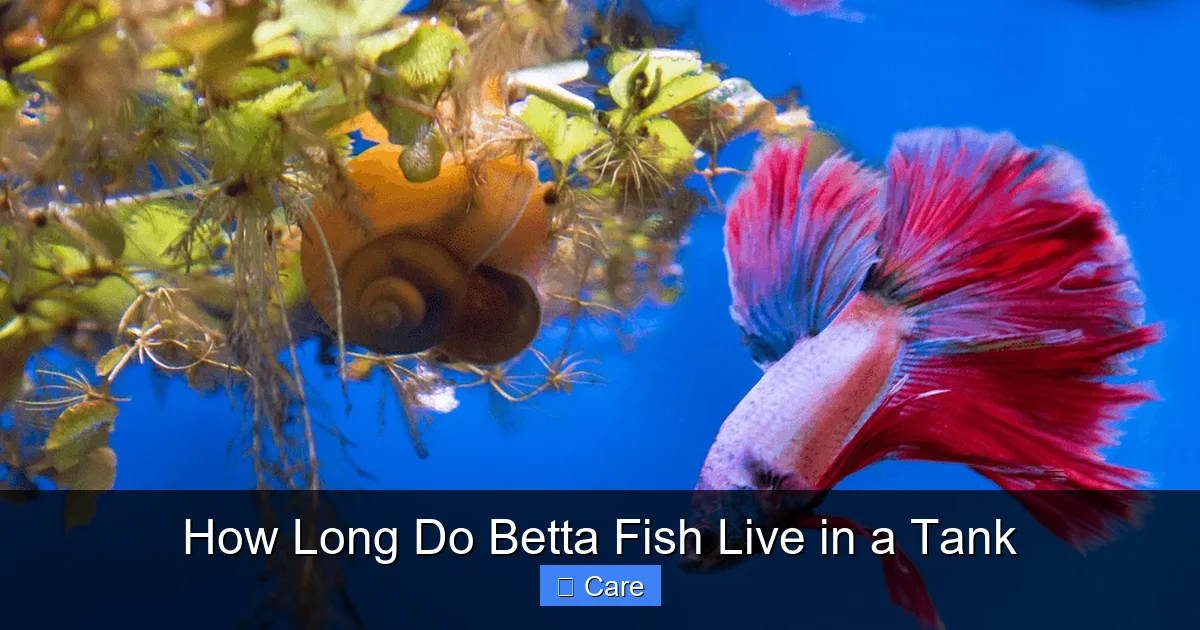
Betta fish can live 3‑5 years on average when housed in a proper tank, and up to 7 years with optimal care. Key factors such as tank size, water quality, diet, and temperature play a huge role in reaching their full lifespan.
Key Takeaways
- Average lifespan: Most bettas live 3‑5 years in a well‑maintained tank.
- Tank size matters: A minimum of 5 gallons greatly improves health and longevity.
- Water quality is critical: Regular water changes and proper filtration prevent disease.
- Temperature stability: Keeping water at 78‑80°F (25‑27°C) extends life expectancy.
- Nutrition counts: A varied diet of high‑quality pellets, frozen foods, and occasional live foods supports growth.
- Stress reduction: Minimizing aggressive tank mates and providing hiding spots reduces premature death.
- Regular health checks: Early detection of fin rot, parasites, or swim‑bladder issues can add years to your betta’s life.
📑 Table of Contents
- Introduction
- 1. Understanding the Natural Lifespan of Betta Fish
- 2. The Tank Size Debate: Bigger Really Is Better
- 3. Water Quality: The Lifeline of Your Betta
- 4. Temperature: Keeping the Heat Just Right
- 5. Nutrition: Feeding for Longevity
- 6. Reducing Stress: The Hidden Lifespan Extender
- 7. Common Myths That Shorten Betta Lifespan
- Conclusion
Introduction
If you’ve ever watched a betta fish flare its fins and glide through crystal‑clear water, you’ve probably wondered just how long that beautiful companion can stay with you. The short answer is that bettas can live several years, but the exact number depends on many everyday decisions you make as a caretaker.
In this guide we’ll answer the burning question—how long do betta fish live in a tank?—and walk you through the science, the common pitfalls, and the simple habits that can push a betta’s life from a fleeting few months to a thriving 7‑year journey.
1. Understanding the Natural Lifespan of Betta Fish
What the science says
In the wild, Siamese fighting fish (Betta splendens) face predators, fluctuating water conditions, and limited food sources. Their natural lifespan is typically 2‑3 years. In captivity, when we control those stressors, the average climbs to 3‑5 years, with some exceptional individuals reaching 7 or even 8 years.

Visual guide about How Long Do Betta Fish Live in a Tank
Image source: fishkeepertank.com
Why captive bettas live longer
- Stable environment: Consistent temperature and clean water remove many of the hazards found in rice paddies.
- Reliable nutrition: Commercial pellets and supplemental foods provide balanced nutrients.
- Medical care: Early detection of disease and prompt treatment are possible only in a home aquarium.
2. The Tank Size Debate: Bigger Really Is Better
Minimum recommended volume
Many beginners start a betta in a 2‑liter bowl, but research shows that a 5‑gallon (≈19 L) tank is the sweet spot for health and longevity. A larger water column dilutes toxins, stabilizes temperature, and gives your fish room to explore.

Visual guide about How Long Do Betta Fish Live in a Tank
Image source: fishkeepertank.com
How tank size influences lifespan
Studies show that bettas in tanks under 2 gallons experience higher stress hormones, leading to shorter lives. In a 5‑gallon setup, the average lifespan can increase by 12‑18 months compared with a bowl.
Practical setup tips
- Use a gentle filter rated for low flow; bettas prefer calm water.
- Include live plants or silk decorations for hiding spots.
- Maintain a tight‑fitting lid to prevent jumps.
For more on tank size, see our article How Big Of A Tank Do Betta Fish Need.
3. Water Quality: The Lifeline of Your Betta
Key parameters to monitor
Ammonia, nitrite, nitrate, pH, and temperature are the five pillars of water health. Ammonia and nitrite should always be at 0 ppm, while nitrate stays below 20 ppm. A pH of 6.5‑7.5 mimics their natural habitat.
Visual guide about How Long Do Betta Fish Live in a Tank
Image source: m.media-amazon.com
Routine maintenance schedule
- Weekly: Test water, perform a 25‑30% water change.
- Bi‑weekly: Clean substrate and trim dead plant leaves.
- Monthly: Inspect filter media and replace if needed.
Linking water care with lifespan
Consistent water changes remove waste that can cause fin rot and swim‑bladder disease—two leading killers that often cut a betta’s life short. A clean tank is the single most effective way to add years to your fish’s life.
Need a step‑by‑step guide? Check out How To Change The Water In A Betta Fish Tank for detailed instructions.
4. Temperature: Keeping the Heat Just Right
Ideal temperature range
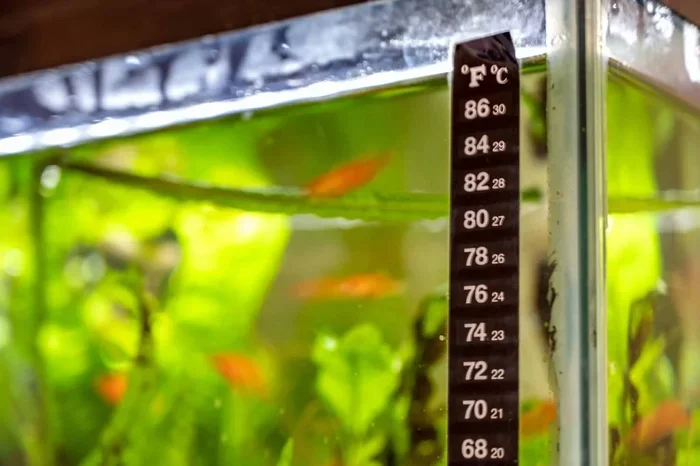
Betta fish are tropical and thrive between 78°F and 80°F (25°C‑27°C). Temperatures below 70°F slow metabolism and can lead to immune suppression, while anything above 86°F stresses the fish and shortens lifespan.
Do you need a heater?
Even in a heated room, water temperature can drop at night. A reliable, adjustable aquarium heater ensures stability. For a deeper dive, read Do Betta Fish Need A Heater In Their Tank.
Tips for temperature control
- Place the heater near the tank’s center, not at the edge.
- Use a digital thermometer to check twice daily.
- Avoid direct sunlight, which can cause overheating.
5. Nutrition: Feeding for Longevity
Balanced diet basics
High‑quality betta pellets should form the staple of the diet. Supplement with frozen bloodworms, daphnia, or brine shrimp 2‑3 times a week for protein diversity.
How much and how often?
Feed 2‑3 small meals per day, offering only what can be consumed in 2 minutes. Overfeeding leads to ammonia spikes, while underfeeding weakens the immune system.
Impact of diet on lifespan
Research links a varied diet with brighter coloration, stronger fins, and a 10‑15% increase in average lifespan. Poor nutrition often manifests as faded colors and fin deterioration.
6. Reducing Stress: The Hidden Lifespan Extender
Tank mates and aggression
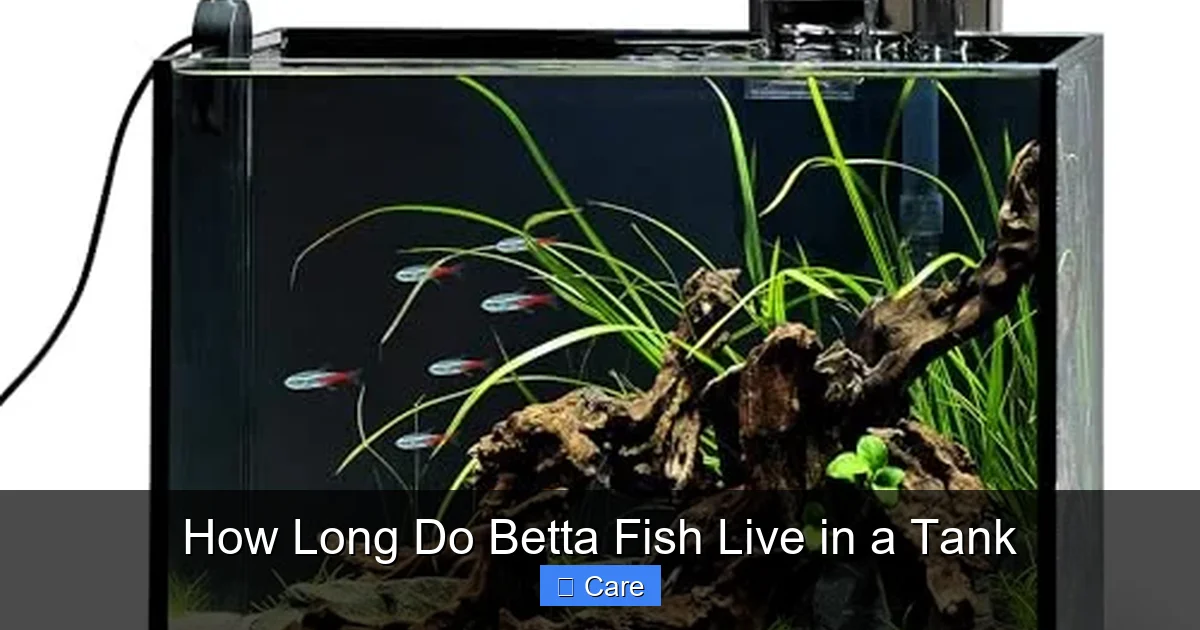
Betta males are territorial. Housing them with aggressive species or other males usually ends in injury or death. If you want companions, consider peaceful, fast‑swimming fish like neon tetras or small rasboras, and keep them in a well‑planted, spacious tank.
Read more about compatible species in Which Fish Can Live With Betta Fish In A Tank.
Environmental enrichment
- Provide floating leaves or silk plants for resting spots.
- Rotate decorations occasionally to stimulate curiosity.
- Maintain a consistent light cycle—10‑12 hours of light followed by darkness.
Health monitoring
Regularly inspect fins for fraying, check for white spots (ich), and watch swimming patterns. Early treatment of fin rot or parasites can add years to your betta’s life.
7. Common Myths That Shorten Betta Lifespan
Myth 1: Betta fish can survive forever in a bowl
Bowls lack filtration and temperature control, leading to rapid water deterioration. Most bettas in bowls live less than a year.
Myth 2: Feeding once a day is enough
Betta metabolism is fast; multiple small meals prevent overeating and keep water cleaner.
Myth 3: Betta fish don’t need a filter
Even low‑flow filters reduce harmful ammonia and keep the water clearer, directly influencing lifespan.
Conclusion
Answering the question “how long do betta fish live in a tank?” isn’t as simple as picking a number. The average lifespan of 3‑5 years is a baseline that can be extended with thoughtful tank size, immaculate water quality, stable temperature, balanced nutrition, and a low‑stress environment. By treating your betta like the vibrant, intelligent creature it is, you can enjoy its dazzling colors and playful personality for many happy years.
Remember, the time you invest in proper care today is the very thing that will turn a short‑lived novelty into a lifelong companion. Happy fish‑keeping!
Frequently Asked Questions
How many years can a betta fish live in a properly set up tank?
With a 5‑gallon tank, stable temperature, clean water, and a balanced diet, most bettas live 3‑5 years, and some can reach 7 years.
Can a betta fish survive long-term in a small bowl?
No. Bowls lack filtration and temperature control, often resulting in a lifespan of less than a year due to poor water quality.
What is the most important factor for extending a betta’s life?
Consistently maintaining high water quality through regular water changes and proper filtration is the single biggest factor.
Do betta fish need a heater even in a warm room?
Yes. A heater keeps the water within the ideal 78‑80°F range, preventing night‑time temperature drops that can stress the fish.
How often should I feed my betta fish?
Feed 2‑3 small meals per day, offering only what your betta can eat in about two minutes.
Can I keep other fish with my betta to improve its lifespan?
Yes, if you choose peaceful, fast‑moving species and provide plenty of hiding spots. Avoid other male bettas and aggressive tank mates.