How Long Do Betta Fish Live For

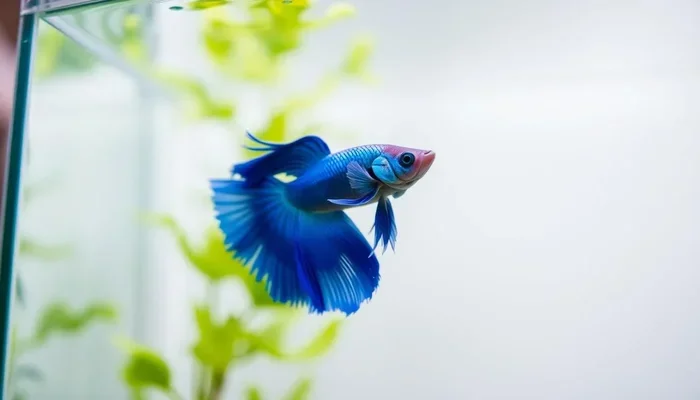
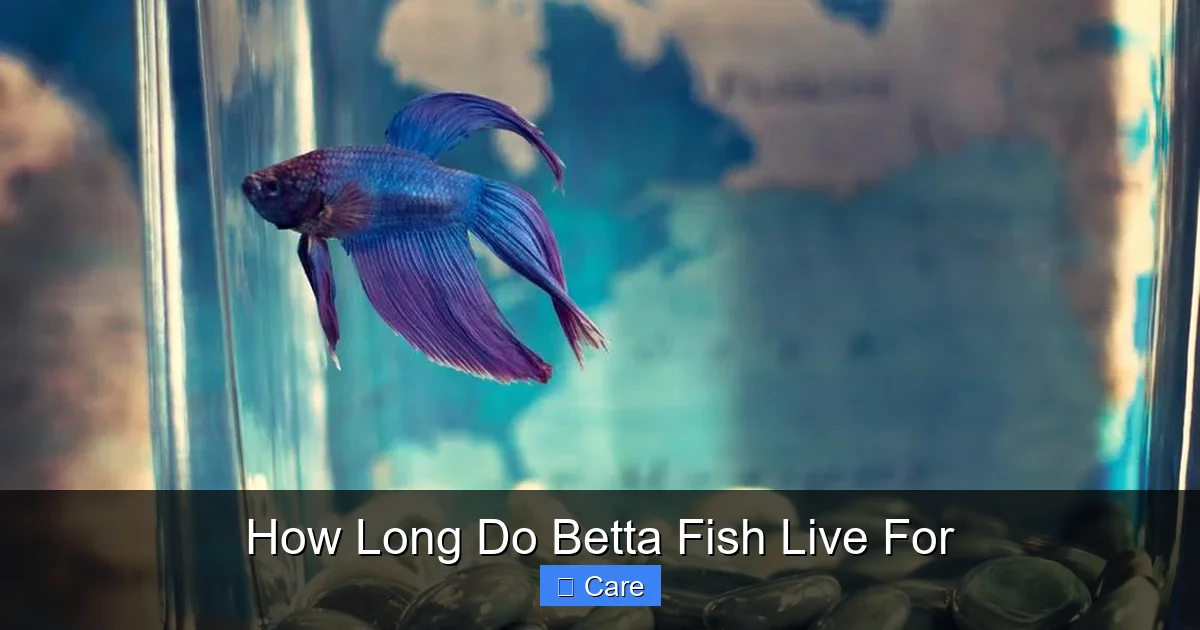
Contrary to popular belief, betta fish don’t just live for a year or two. With optimal care, these vibrant swimmers regularly reach 4-5 years, and some even surpass 7. Their lifespan is almost entirely determined by the quality of their environment, diet, and genetics. Neglect leads to a short, stressful life, while dedicated, informed care unlocks their full potential. This guide debunks myths and provides the actionable blueprint for maximizing your betta’s years.
Key Takeaways
- The average betta fish lives 2-4 years in typical home aquariums. This is a significant improvement over the 1-2 years they often survive in poor conditions like tiny bowls.
- Genetics set the baseline, but care dictates the outcome. A betta from a reputable breeder has the genetic potential for a longer life, which is only realized with pristine water, a proper diet, and environmental enrichment.
- Tank size is non-negotiable for longevity. A filtered, heated aquarium of at least 5 gallons is the single most important factor for health, drastically reducing stress and disease.
- Water quality is paramount. Regular partial water changes (25-50% weekly) and a cycled filter are essential to remove toxic ammonia and nitrites that silently shorten a betta’s life.
- Diet must be high-quality and varied. Over-reliance on low-nutrition pellets or bloodworms leads to constipation and swim bladder issues. A staple of quality pellets, supplemented with frozen or live foods, is ideal.
- Enrichment and mental stimulation matter. Bettas are intelligent. Boredom causes stress. Provide plants, caves, and gentle interaction to keep them active and engaged.
- Early detection of illness is critical. Common ailments like fin rot or dropsy are often treatable if caught early. Daily observation of your betta’s behavior and appearance is a key part of care.
📑 Table of Contents
- How Long Do Betta Fish Live For? Unpacking the Myth of the “Year Fish”
- The Pillars of Prolonged Life: The Big Three
- Nutrition: Fueling a Long Life
- Enrichment & Mental Health: The Often-Forgotten Factor
- Health & Disease: Prevention, Detection, and Treatment
- Realistic Expectations and the End of Life
- Conclusion: Your Choices Determine Their Clock
How Long Do Betta Fish Live For? Unpacking the Myth of the “Year Fish”
You’ve probably heard it a hundred times: “Betta fish only live a year.” It’s a pervasive myth, often used to dismiss the idea of providing proper care. But what if we told you that with the right knowledge, your betta could easily live four or five years, with some remarkable individuals thriving for seven or more? The question how long do betta fish live for isn’t about a fixed number—it’s about a spectrum of possibility, and you hold the remote control. The disparity between a betta living 18 months and one celebrating its fifth birthday isn’t luck; it’s the direct result of husbandry practices. This guide will dismantle the damaging myth of the disposable betta and replace it with a clear, actionable roadmap to maximizing the lifespan of your aquatic companion. We’ll dive deep into the biological factors, the critical pillars of care, and the common pitfalls that cut lives short. Prepare to see your betta not as a fleeting pet, but as a long-term feathered (scaled?) friend.
The Genetic Blueprint: Understanding Your Betta’s Potential
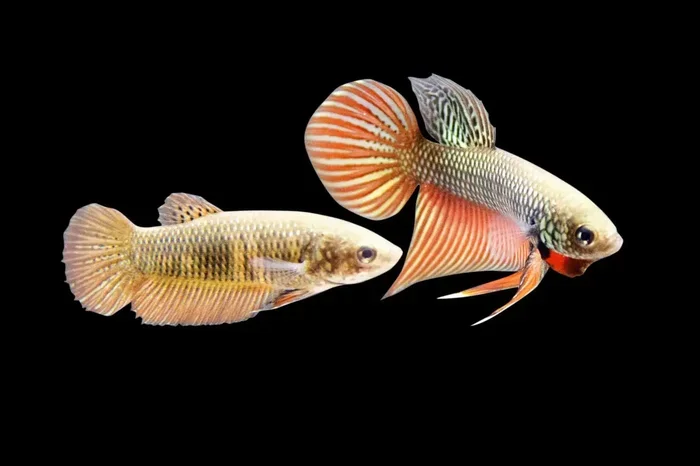
Before we talk about tanks and filters, we must acknowledge the starting point: genetics. Just like a human’s family history can influence their health, a betta’s lineage sets its baseline potential. Bettas sourced from large-scale commercial breeders, often sold in big-box stores, are frequently the product of mass-production focused on color and finnage at the potential expense of hardiness. These fish may have a genetic predisposition to certain health issues. Conversely, bettas from dedicated, reputable breeders are selected for vigor, disease resistance, and temperament alongside beauty. These are the fish that often break lifespan records. When you ask how long do betta fish live for, the honest answer starts here: seek a healthy, active fish from a trusted source. Look for clear eyes, intact, flowing fins, and a curious, alert demeanor in the store. This first choice is your first step toward a longer life.
The Pillars of Prolonged Life: The Big Three
Genetics load the gun, but environment pulls the trigger. Three core environmental factors are responsible for 90% of the variance in a betta’s lifespan. Master these, and you will have succeeded in providing the foundation for a long, healthy life.
Visual guide about How Long Do Betta Fish Live For
Image source: petpad.net
1. The Aquarium: Ditching the Bowl for Good
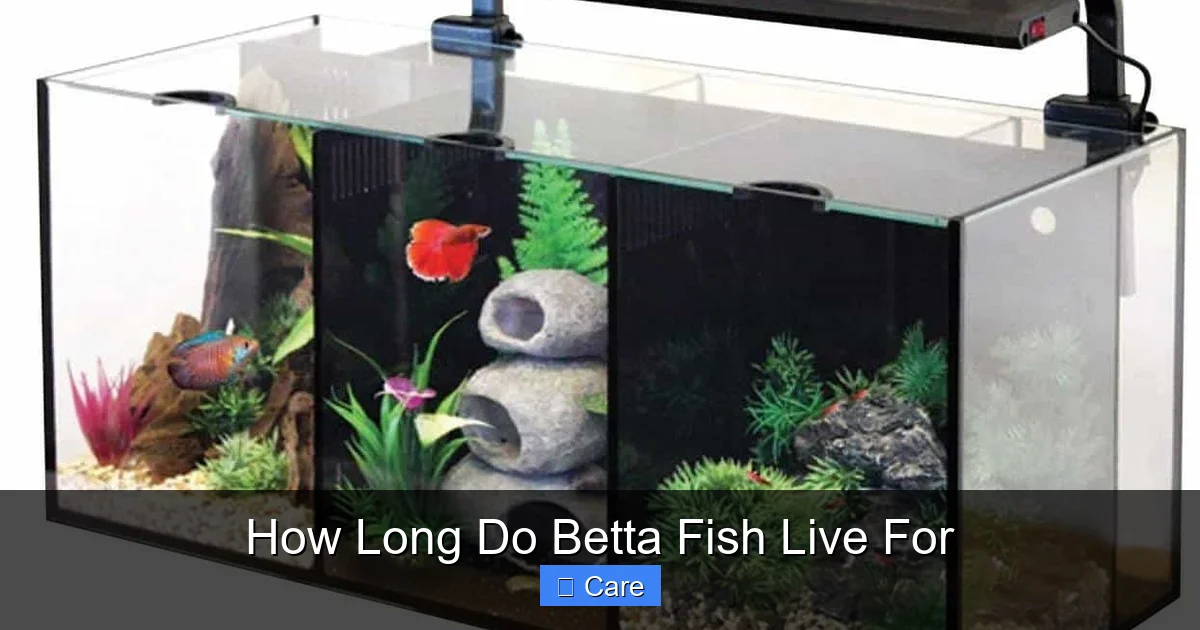
Let’s settle this once and for all: a betta fish cannot live happily or healthily in a small, unfiltered bowl or vase. This is the primary reason for the “one-year betta” stereotype. A tiny volume of water becomes toxic almost instantly from the fish’s waste (ammonia). It also lacks the thermal stability a tropical fish needs. Bettas are native to the shallow, slow-moving rice paddies and floodplains of Southeast Asia. These are vast, plant-rich ecosystems, not tiny puddles. Their natural habitat is surprisingly spacious. The absolute minimum tank size for a single betta is 5 gallons, but 10 gallons is significantly better. A larger volume dilutes toxins, provides stable temperature, and allows for proper filtration and swimming. A filtered, heated 5-gallon tank isn’t a luxury; it’s the baseline standard of care that answers how long do betta fish live for with a resounding “many years.”
2. Water Quality: The Invisible Lifeline
Water is to a fish what air is to us—but we can see smog, and they cannot see ammonia. Poor water quality is the silent killer. The nitrogen cycle is a non-negotiable biological process. Beneficial bacteria must colonize your filter and substrate to convert toxic fish waste (ammonia) into less harmful nitrites, and finally into nitrates. Without a cycled filter, ammonia will burn a betta’s gills and fins, leading to a slow, painful death. Even in a cycled tank, nitrates build up and must be removed via regular water changes. The rule of thumb is a 25-50% water change weekly, using a dechlorinator to treat tap water. Test kits are inexpensive and invaluable. You should aim for 0 ppm ammonia, 0 ppm nitrite, and under 20 ppm nitrate. Consistently pristine water prevents stress, which is the gateway to all disease. When you ponder how long do betta fish live for, remember: clean water is the single greatest gift you can give them.
3. Temperature: More Than Just “Warm”
Bettas are tropical fish. Their ideal temperature range is 78-80°F (25.5-26.5°C). A common mistake is keeping them in a room-temperature tank without a heater. This chronic, low-level cold stress severely compromises their immune system, making them susceptible to diseases like velvet or ich. It also slows their metabolism, leading to lethargy and poor digestion. An accurate, adjustable aquarium heater with a thermostat is essential. Use a separate thermometer to verify the temperature. Avoid placing the tank in direct sunlight or near heating/cooling vents, as this causes dangerous fluctuations. Stable, warm temperature mimics their equatorial home and is a cornerstone of a robust immune system, directly impacting the answer to how long do betta fish live for.
Nutrition: Fueling a Long Life
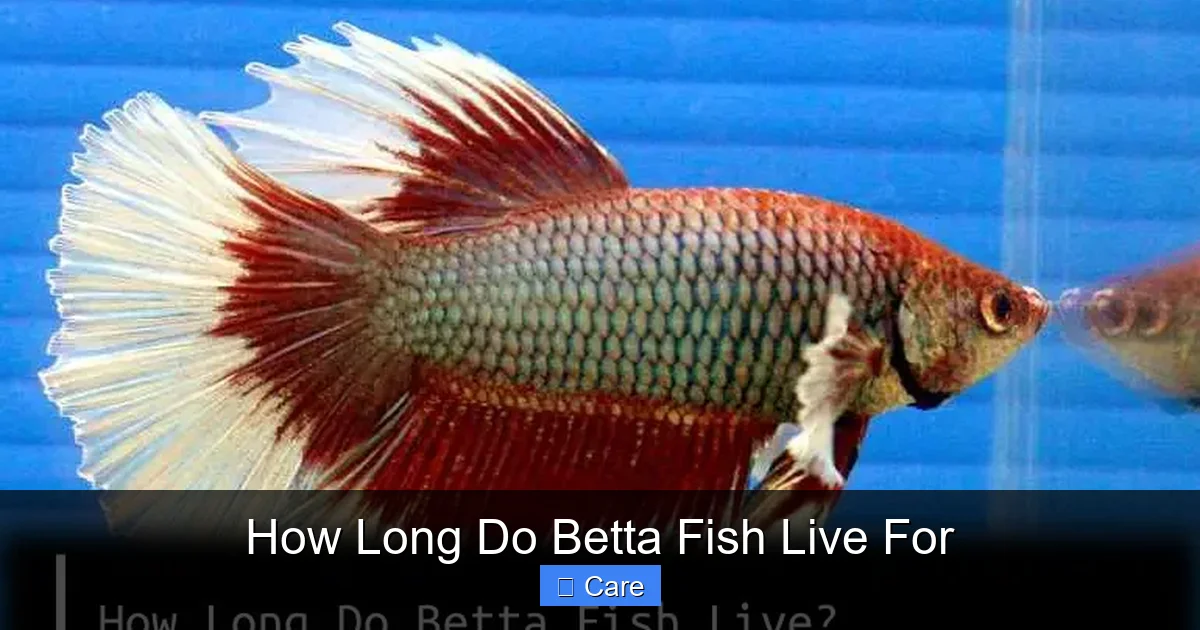
You are what you eat, and this is doubly true for bettas. Their diet in the wild consists of insects, larvae, and tiny crustaceans. A high-quality pellet formulated specifically for bettas (they are carnivores) should be the staple. Look for ingredients where whole fish or shrimp meal is the first item. Avoid fillers like wheat or soy. However, a varied diet is key to longevity and vibrant color. Overfeeding is a major problem—it fouls the water and can cause fatal constipation and swim bladder disorder. Feed only what they can consume in 2-3 minutes, once or twice a day. A “fasting” day once a week is beneficial for their digestive system. Supplement the pellets 2-3 times a week with high-protein treats: frozen daphnia (great for digestion), brine shrimp, or bloodworms (use sparingly, as they are rich). This variety provides essential nutrients and amino acids that boost overall health and immune function, staving off the conditions that shorten a betta’s life.
Visual guide about How Long Do Betta Fish Live For
Image source: fishkeepingguide.net
The Dangers of Overfeeding and Poor Diet
The classic “betta balloon” is not cute; it’s a sign of serious impaction or swim bladder disease, often caused by overfeeding or a diet too heavy on dry, expanding pellets. A constipated betta will struggle to swim, often floating upside down or sinking. This is incredibly stressful and can lead to death if not addressed. Prevention is simple: feed sparingly, include fibrous foods like daphnia, and consider soaking dry pellets in water for a minute before feeding to reduce expansion in the gut. A well-fed betta has a streamlined body, energetic swimming, and vibrant, unclamped fins. This is the visual marker of a betta on the path to a long life.
Enrichment & Mental Health: The Often-Forgotten Factor
Bettas are incredibly intelligent, with personalities as distinct as their colors. A barren tank is a prison. Chronic boredom is a form of stress that weakens the immune system. Environmental enrichment is not a luxury; it’s a necessity for a thriving, long-lived betta. Provide a variety of hiding spots: live or silk plants (avoid plastic, which can tear delicate fins), ceramic caves, and driftwood. A betta needs places to retreat and explore. A “betta hammock” (a broad leaf near the surface) gives them a favorite resting spot. Gentle interaction can also be enriching—some bettas learn to follow a finger or flare at their reflection (in short sessions, as constant flaring is stressful). A stimulated betta is an active betta, building muscle and displaying natural behaviors. This mental engagement is a subtle but powerful contributor to a robust, lengthy lifespan.
Visual guide about How Long Do Betta Fish Live For
Image source: fishcareguide.com
Tank Mates: Friend or Foe?
The question of tank mates for a betta is complex and carries significant risk. Male bettas are famously territorial and aggressive toward other fish with long, flowing fins (like guppies or fancy goldfish). However, in a properly sized, heavily planted tank, some bettas can coexist with peaceful, fast-moving, short-finned community fish like ember tetras, harlequin rasboras, or corydoras catfish. The key is providing ample space and visual barriers. A stressed betta from constant harassment will have a shortened lifespan. For maximum longevity and zero stress, the safest recommendation is a species-only tank. This eliminates the risk of aggression, competition for food, and disease transmission from other species. If you do choose tank mates, monitor interactions closely and be prepared to separate if aggression occurs. Your betta’s peace of mind directly translates to its lifespan.
Health & Disease: Prevention, Detection, and Treatment
Even in perfect conditions, health issues can arise. The difference between a minor setback and a fatal event is your vigilance and knowledge. Daily 30-second observations are your best diagnostic tool. Is your betta swimming normally? Are its fins full and unclamped? Is it eating with enthusiasm? Any deviation—lethargy, clamped fins, loss of appetite, spots, fraying fins, scratching on objects—is a red flag. Early detection is critical.
Common Ailments and Their Impact
- Fin Rot: Caused by bacteria, often from poor water. Fins appear torn, shredded, or have white/black edges. Treat with improved water quality and antibacterial medication.
- Ich (White Spot Disease): A parasitic infection causing tiny white dots like salt grains. It’s highly contagious and fatal if untreated. Raise temperature gradually to 82°F and use ich medication.
- Velvet: Another parasite, giving a gold or rust dust appearance. Fish scratch against objects. Treat with copper-based medication in a quarantine tank.
- Dropsy: Not a disease itself, but a symptom of severe internal infection (often bacterial). The fish becomes severely bloated, and scales protrude (“pinecone”). Prognosis is poor, but early, aggressive antibiotic treatment in a hospital tank is the only chance.
Having a dedicated “hospital tank” (a small, bare, filtered, heated tank) is crucial for isolating and treating sick fish without exposing the main aquarium. A well-stocked first-aid kit with water test strips, a bacterial/fungal treatment, and ich medication is a responsible owner’s tool. Proactive health management is a direct answer to how long do betta fish live for: by treating problems before they become terminal.
Realistic Expectations and the End of Life
So, what is a realistic number? With all factors aligned—a genetically robust fish from a good source, a cycled 5+ gallon heated and filtered tank, pristine water maintained via weekly changes, a high-quality varied diet, and environmental enrichment—you can confidently expect your betta to live 4-5 years. Reaching 6-7 years is exceptional but absolutely possible. You will know your betta is aging when its colors slightly dull, its swimming becomes less frantic, and it rests more frequently. This is a natural process. In its final days, water quality becomes even more critical. Keep parameters pristine, ensure easy access to food (perhaps pre-soaked pellets), and minimize stress. The goal is a peaceful, dignified end to a long, well-lived life. The bond you build over 5 years with a creature that recognizes you and responds to your presence is a reward that makes every water change worthwhile.
Conclusion: Your Choices Determine Their Clock
The question how long do betta fish live for is a Rorschach test for the owner. It reveals your philosophy on pet ownership. Do they deserve a brief, struggling existence in a decorative vase, or a full, vibrant life as a centerpiece in a thriving miniature ecosystem? The science and experience are clear: bettas are resilient but delicate. They thrive on stability, cleanliness, and stimulation. By rejecting the bowl and embracing the aquarium, by learning the nitrogen cycle and feeding with intention, you are not just keeping a fish—you are architecting a long and healthy life. You are transforming a common pet shop purchase into a long-term companion. The next time someone repeats the “one-year betta” myth, you can confidently share the truth. A betta’s lifespan is a direct reflection of the care it receives. Start today, make the commitment, and watch your betta flourish for years to come.
Frequently Asked Questions
Can betta fish really live 5 years or more?
Absolutely. While the average in poor conditions is 1-2 years, a betta in a properly set-up, cycled 5+ gallon tank with a heater, filter, and high-quality diet can easily live 4-5 years. Exceptional care has produced bettas living 7-10 years, though this is rare.
What is the single most important factor for a long betta life?
While all factors are interconnected, clean, stable water quality is the most critical. A cycled, filtered aquarium with regular 25-50% weekly water changes removes toxic ammonia and nitrites, preventing chronic stress and disease that silently shorten a betta’s life.
Is a 2.5-gallon tank big enough for a betta?
A 2.5-gallon tank is a significant improvement over a bowl, but it is still below the recommended minimum. A 5-gallon tank is widely considered the absolute minimum for a single betta, as it provides greater water stability, more swimming space, and easier maintenance, all contributing to better long-term health.
How often should I feed my betta to maximize its lifespan?
Feed a high-quality betta pellet 1-2 times daily, offering only what they can consume in 2-3 minutes. Implement a “fasting” day once a week. Supplement this staple 2-3 times a week with protein-rich foods like frozen daphnia or brine shrimp for variety and essential nutrients.
My betta’s fins are tearing. Is this normal?
No, torn or fraying fins are not normal and are often a sign of fin rot, a bacterial infection usually caused by poor water quality. Immediately test your water parameters for ammonia/nitrite, perform a partial water change, and consider a safe antibacterial treatment. Also, check for sharp tank decorations that could cause physical injury.
Can I keep a betta with other fish to lengthen its life?
While companionship doesn’t inherently lengthen life, a stress-free environment does. A betta can sometimes live with peaceful, fast-moving community fish in a large, heavily planted tank (10+ gallons). However, the risk of aggression, stress, and disease transmission is high. For guaranteed maximum longevity and zero stress, a species-only tank is the safest and most recommended option.