How Long Does Betta Fish Live
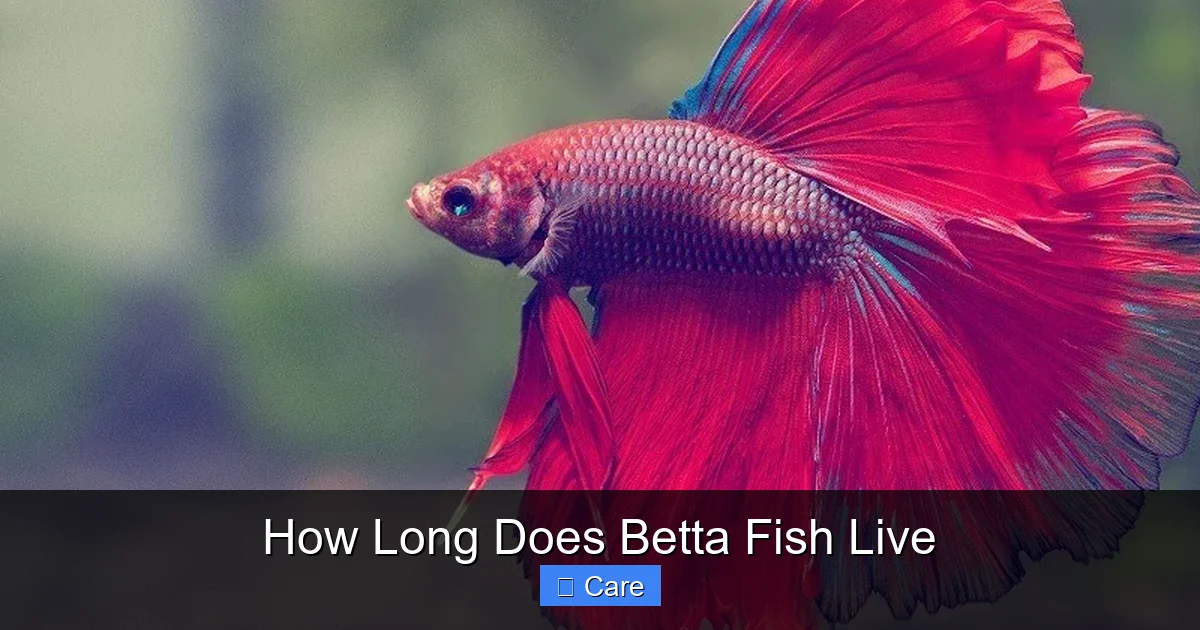
The average betta fish lives 2-4 years with proper care, but many reach 5+ years. Their lifespan is almost entirely determined by husbandry—not just genetics. A common misconception is that bettas thrive in small, unheated bowls; in reality, they require a filtered, heated tank of at least 5 gallons, a varied diet, and consistent water maintenance to live a long, healthy life. Stress from poor water quality, incorrect temperature, and improper diet is the primary cause of early death. By replicating their natural tropical habitat and providing attentive care, you can significantly maximize your betta’s years.
So you’ve brought home a vibrant, flowing-finned betta fish, a living jewel for your desk or living room. You’re enchanted by its personality. But a question inevitably bubbles up, often a few months in, as you grow attached: how long does a betta fish live? The answer isn’t as simple as a single number, and what you discover will fundamentally change how you care for your aquatic companion. This isn’t just about curiosity; it’s about understanding the profound impact you have on another creature’s lifespan. Let’s dive deep into the reality of betta fish lifespan, separating pet store myth from biological fact, and equipping you with the knowledge to give your betta the longest, healthiest life possible.
Key Takeaways
- Genetics set the baseline, but care determines the outcome: A betta from a reputable breeder may have a genetic potential for 4-5 years, but poor husbandry can cut their life to less than one.
- Tank size is non-negotiable for longevity: A minimum of 5 gallons is essential. Smaller containers lead to rapid toxin buildup, unstable temperatures, and extreme stress.
- Water quality is the #1 priority: A cycled filter and regular water changes (25-50% weekly) are mandatory to prevent toxic ammonia and nitrite spikes.
- Stable tropical temperature is critical: Bettas require water between 78-80°F (25.5-26.5°C). A reliable aquarium heater prevents immune-suppressing cold stress.
- Diet must be high-protein and varied: Live or frozen foods (daphnia, brine shrimp) should supplement high-quality pellets to prevent constipation and nutritional deficiencies.
- Stress is the silent killer: Bright lights, aggressive tank mates, sudden temperature changes, and boring environments weaken their immune system, making them susceptible to disease.
- Early intervention saves lives: Knowing the signs of common illnesses (fin rot, ich, velvet) and having quarantine/treatment supplies ready can turn a fatal situation around.
📑 Table of Contents
- The Short Answer and the Long Reality
- The Wild Benchmark: Understanding Natural Lifespan
- The Pillars of Longevity: 5 Critical Factors That Control Your Betta’s Clock
- Common Health Issues That Shorten Lifespan
- Maximizing Your Betta’s Lifespan: A Practical Action Plan
- Conclusion: You Hold the Calendar
The Short Answer and the Long Reality
Let’s get the headline number out of the way first. The average lifespan of a betta fish in a typical home aquarium is 2 to 4 years. However, this is a broad average that masks a huge range of outcomes. With exceptional, dedicated care—the kind we will detail in this article—it is very possible for a betta to live 5, 6, or even 7+ years. Conversely, a betta kept in a tiny, unheated vase or bowl without filtration might struggle to survive past its first year. The gap between the minimum and maximum potential lifespan is enormous, and it’s a gap you, as the owner, have the power to bridge.
Where Does the “3-Year” Myth Come From?
Many pet stores and basic guides will state bettas live about 3 years. This figure often comes from two realities: first, the age of the fish when you buy it. Most bettas sold in big-box stores are already 6 months to 1 year old, having spent those months in less-than-ideal conditions at a wholesaler or distributor. Second, the common “betta in a vase” setup is a recipe for a shortened life, pulling the average down. This myth can be dangerously complacent, making new owners think a short life is normal. It’s not. A 3-year-old betta with proper care is often just entering its prime.
The Wild Benchmark: Understanding Natural Lifespan
To understand what’s possible in captivity, we look to the wild. Betta splendens, the species most commonly kept as pets, hails from the shallow, warm rice paddies and slow-moving streams of Thailand. In their natural habitat, their lifespan is estimated to be 2-3 years. This is a life of constant challenges: predators, territorial fights, droughts that shrink their pools, and fluctuating water conditions. They are built for resilience, but the environment is harsh.
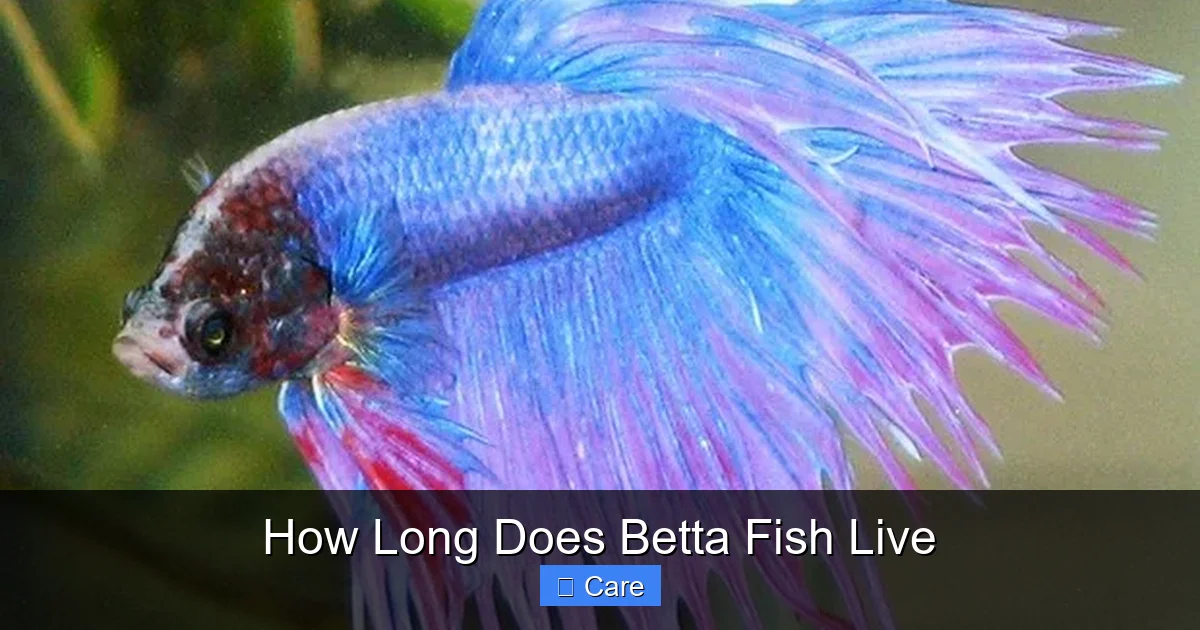
Visual guide about How Long Does Betta Fish Live
Image source: petakids.com
This wild baseline is crucial. It means that even in the best possible captive scenario, you’re not creating a fantasy world where bettas live for 20 years. You are, however, removing the primary threats of predation, starvation, and extreme environmental collapse. Your goal is to provide a stable, stress-free, nutritionally superior version of their natural home. If a wild betta lives 2-3 years against odds, your captive betta should easily surpass that with consistent, quality care. The fact that many don’t is a direct reflection of the gap between common practice and optimal practice.
The Pillars of Longevity: 5 Critical Factors That Control Your Betta’s Clock
You are the architect of your betta’s lifespan. Every decision you make either adds to or subtracts from its time. These five pillars are the foundation of long-term betta health.

Visual guide about How Long Does Betta Fish Live
Image source: japanesefightingfish.org
1. Aquatic Environment: Beyond the “Vase”
This is the single most important factor. The persistent myth that bettas, as “labyrinth fish” who can breathe air, are fine in a small, static vase is responsible for more premature betta deaths than any other cause. They may survive, but they do not thrive.
- Tank Size: The absolute minimum is 5 gallons (19 liters). This volume provides stable water parameters, dilutes waste, and allows for gentle filtration without creating a current that exhausts the betta. A 10-gallon tank is even better and allows for compatible tank mates. A “vase” or “mason jar” is a prison cell that quickly becomes a toxic soup.
- Filtration: A sponge filter or a gentle hang-on-back filter with a flow adjuster is ideal. The filter is not optional; it houses the beneficial bacteria that cycle toxic ammonia (from fish waste and decaying food) into less harmful nitrates. Without it, ammonia burns the betta’s gills and fins internally, causing slow, painful organ damage.
- Heating: Bettas are tropical fish. They require a stable temperature between 78-80°F (25.5-26.5°C). A small, reliable aquarium heater with a thermostat is mandatory. Cold water (below 76°F) slows their metabolism, suppresses their immune system, and makes them prone to diseases like velvet and dropsy. Use a small digital thermometer to monitor accuracy.
- Cycling: Before adding your betta, you must “cycle” the tank. This 4-6 week process establishes a colony of nitrifying bacteria in the filter and substrate that converts ammonia to nitrite and then to nitrate. Adding a fish to an uncycled tank is like injecting it with a low dose of poison daily. You can cycle with a “fishless” method using pure ammonia, or with a few hardy “feeder” fish, but the process must be complete before your betta arrives.
2. Water Quality: The Invisible Guardian
Even in a cycled, filtered tank, maintenance is key. Nitrates, the end product of the cycle, are still toxic at high levels and must be removed via water changes.
- Water Changes: Perform a 25-50% water change weekly. Use a gravel vacuum to siphon debris from the substrate. This dilutes nitrates, removes other toxins, and replenishes essential minerals. Never change 100% of the water at once, as this destroys the beneficial bacterial colony and shocks the fish with sudden parameter shifts.
- Dechlorination: All tap water must be treated with a reliable water conditioner that neutralizes chlorine, chloramines, and heavy metals. These chemicals are deadly to fish and to the beneficial bacteria in your filter.
- Testing: Invest in a liquid test kit (like the API Freshwater Master Test Kit). Test weekly for ammonia, nitrite, nitrate, and pH. The goal is ammonia and nitrite at 0 ppm, and nitrate below 20 ppm. This data is your report card on tank health.
3. Nutrition: Fuel for a Long Life
Bettas are carnivores by nature, not herbivores. Many commercial “betta pellets” are filled with fillers like wheat and soy, which they cannot digest properly, leading to constipation and swim bladder issues.
- High-Quality Staple: Choose a pellet where whole fish or squid is the first ingredient. Brands like New Life Spectrum OPTI-Betta or Hikari Betta Bio-Gold are excellent. Feed only what your betta can consume in 2-3 minutes, once or twice daily.
- Variety is Essential: Rotate in frozen or live foods 2-3 times a week. Bloodworms, daphnia, and brine shrimp are perfect. Daphnia is particularly good as a mild laxative to prevent constipation. This variety provides essential proteins and amino acids missing from pellets alone.
- Fasting: Implement a 24-hour fast once a week. This gives their digestive system a break and mimics natural feeding patterns where food isn’t always available.
4. Stress Reduction: The Silent Killer
Chronic stress elevates a fish’s cortisol levels, which suppresses the immune system. A stressed betta is a sick betta, waiting to happen.
- Environmental Enrichment: A bare tank is a stressful, boring environment. Provide hiding spots using silk or live plants (like Anubias or Java Fern), driftwood, and smooth caves. Bettas love to rest on broad leaves near the surface—a betta leaf hammock is a perfect addition.
- Lighting: Avoid harsh, direct overhead light for 10+ hours a day. Use a tank light on a day/night cycle (8-10 hours on). Provide shaded areas using floating plants or the hammock.
- Tank Mates: Choose with extreme caution. Avoid anything with long, flowing fins (they’ll be attacked as a rival male) or anything that nips fins (like some tetras). Good candidates include small, peaceful schooling fish like harlequin rasboras or ember tetras in a 10+ gallon tank, or shrimp and snails. Never house two male bettas together.
- Consistency: Bettas thrive on routine. Feed at the same times, perform water changes on a schedule, and avoid sudden, loud bangs on the glass.
5. Genetics and Sourcing: The Starting Point
You cannot control your betta’s genetics, but you can influence where it comes from. Bettas from large-scale commercial breeders or pet stores are often inbred for extreme finnage and color, which can come with a host of genetic health issues like weakened immune systems, spinal deformities, and organ defects.
Seeking out a reputable local breeder or a specialty online breeder who focuses on health and vigor alongside aesthetics can give your betta a better starting point. These breeders often keep their stock in optimal conditions, meaning the fish you buy is already healthier and less stressed. While you may pay more upfront, you are investing in a fish with a stronger genetic foundation and a better chance at a long life.
Common Health Issues That Shorten Lifespan
Even with perfect care, bettas can fall ill. Recognizing issues early is vital.
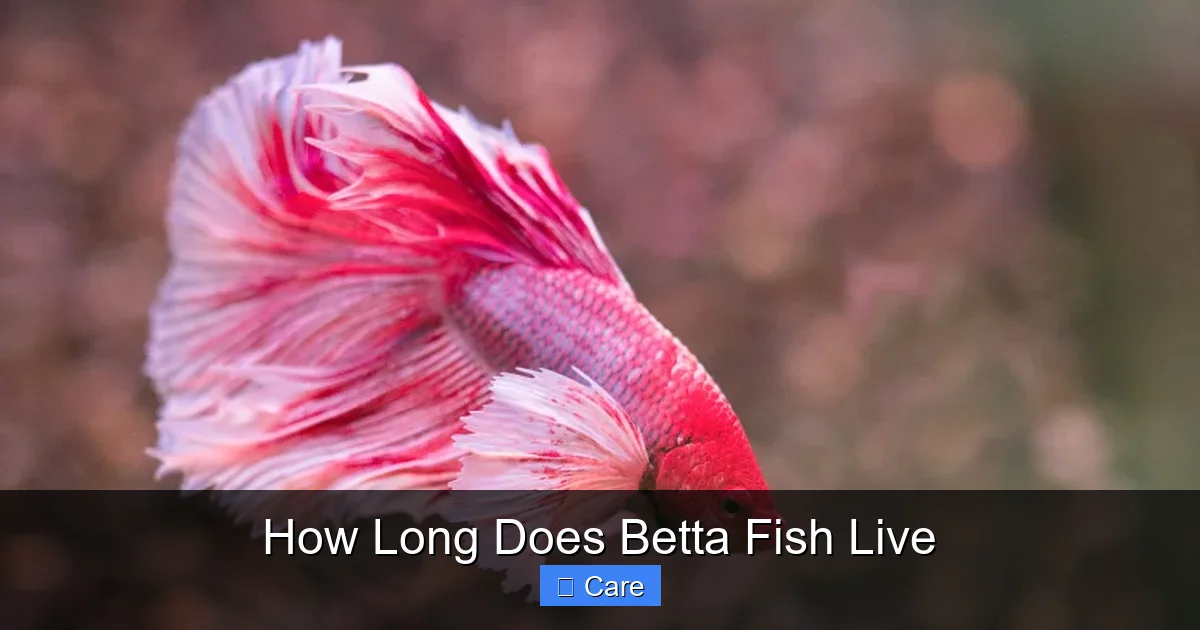
Visual guide about How Long Does Betta Fish Live
Image source: japanesefightingfish.org
Fin Rot and Tail Biting
Fin rot is a bacterial (or sometimes fungal) infection that causes fins to become ragged, blackened, or disintegrate. It’s almost always caused by poor water quality. Treatment involves pristine water, salt soaks ( aquarium salt, not table salt), and antibacterial medication like Maracyn. Tail biting is a stress behavior where the betta bites off its own fins. The cure is identifying and eliminating the stressor: boredom, poor water, tank mates, or reflection in a mirror.
Swim Bladder Disorder (SBD)
This causes the betta to float uncontrollably, sink, or swim upside down. The primary cause is constipation from overfeeding or poor diet. Fast for 3 days, then feed a cooked, skinned pea (the fiber acts as a laxative). Other causes include bacterial infection or genetic defects.
External Parasites: Ich and Velvet
Ich (Ichthyophthirius multifiliis) appears as tiny white salt-like grains on the body and fins. The fish will scratch against objects. It’s treated with a full-course medication like Ich-X and by raising the temperature to 82°F to speed the parasite’s life cycle.
Velvet (Oodinium) looks like a fine gold or rust dusting on the fish, often causing clamped fins and lethargy. It’s treated with copper-based medications (like Cupramine) or formalin-based treatments, along with increased temperature.
Maximizing Your Betta’s Lifespan: A Practical Action Plan
Let’s synthesize this into a weekly and monthly routine that directly translates to added years.
- Daily: Check your betta. Is it active? Eating well? Are its fins intact? Any changes in behavior or appearance are your first clue. Feed high-quality food, only what it can eat in 3 minutes.
- Weekly: Test water parameters (ammonia, nitrite, nitrate, pH). Perform a 25-50% water change with conditioned water of the same temperature. Clean the glass with an algae pad. Trim any decaying plant leaves.
- Monthly: Deep clean the filter media by rinsing it in the old tank water you just removed (never under tap water—it kills the bacteria). Inspect all equipment. Do a more thorough substrate vacuum.
- Ongoing: Observe. Learn your betta’s normal personality. A usually active fish that becomes listless is signaling a problem. Keep a “hospital tank” (a small, filterless 2-3 gallon tank with a heater) ready for isolation and treatment of sick fish. Have basic medications on hand (Methylene Blue, Ich-X, Kanamycin).
Conclusion: You Hold the Calendar
So, how long does a betta fish live? The biological potential is 5-7 years. The average, influenced by widespread poor care, is 2-4 years. Your betta’s individual lifespan will be written by you, in the decisions you make every single week. It will be determined by the size of its home, the stability of its water, the quality of its food, and the level of stress in its environment. A betta is not a disposable pet or a decorative object. It is a living being with a specific set of needs that, when met, rewards you with vibrant color, distinct personality, and years of companionship. By moving beyond the myths and committing to the pillars of true betta care, you don’t just answer the question of lifespan—you give your betta the gift of a long, rich, and healthy life. That’s a legacy any pet owner can be proud of.
Frequently Asked Questions
Can betta fish live in a bowl or vase?
No. A bowl or vase is far too small to maintain stable water quality or temperature. It leads to rapid toxin buildup, temperature swings, and extreme stress, drastically shortening a betta’s lifespan. A filtered, heated tank of at least 5 gallons is the absolute minimum for long-term health.
Can I keep a betta with other fish?
Yes, but only in a tank of 10+ gallons and with carefully chosen, peaceful tank mates that do not nip fins. Good candidates include small schooling fish like harlequin rasboras or ember tetras, and invertebrates like snails or ghost shrimp. Never house two male bettas together.
What are the signs my betta is getting old?
As bettas age (around 4-5 years), you may notice faded colors, slower movement, more time spent resting, reduced appetite, and slightly ragged fins. These are normal signs of aging. However, any sudden changes or rapid decline are likely signs of illness, not just old age.
How often should I do water changes?
You should perform a 25-50% water change every single week, using a gravel vacuum to remove debris from the substrate. This is non-negotiable for maintaining safe nitrate levels and overall water quality, regardless of tank size or filter strength.
What temperature should my betta tank be?
Your betta’s water must be kept consistently between 78-80°F (25.5-26.5°C). You must use a reliable, adjustable aquarium heater and a thermometer to monitor the temperature. Cold water below 76°F will suppress their immune system and make them very sick.
When should I take my betta to a vet?
You should consult an aquatic veterinarian if your betta shows signs of serious illness (like dropsy, severe fin rot, or popeye) that does not improve after 3-5 days of appropriate home treatment. Early professional intervention can be lifesaving for persistent or advanced diseases.