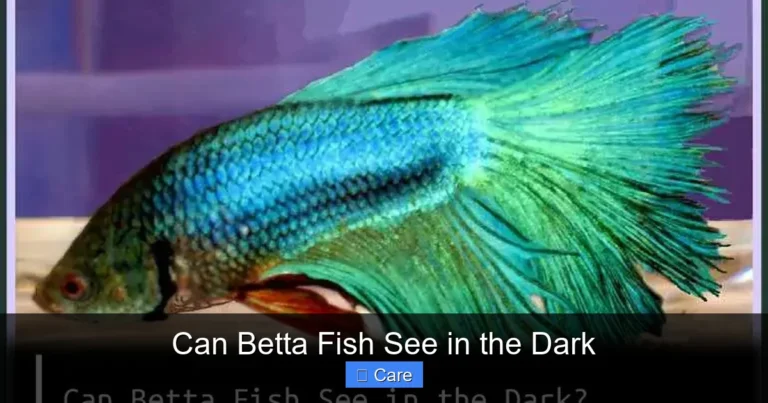
How to Treat Fin Rot Betta Fish with Simple Steps

Watching your betta fish lose beautiful fins can be heartbreaking, but early action makes a huge difference. If you want to know how to treat fin rot betta fish effectively, you must act fast and fix the root causes. This guide shows you simple water care steps, safe treatments, and daily checks that help your fish heal. You will learn what to change in the tank, which remedies work best, and how to stop the problem from coming back.
Key Takeaways
- Identify early signs: Look for fraying edges, white edges, or shrinking fins before the damage spreads.
- Fix water quality first: Clean water and stable temperature create the best healing environment for your betta.
- Remove stressors: Lower crowding, aggression, and sharp decor to help fins recover faster.
- Use targeted treatments: Antibacterial options and gentle salt baths can support healing when used carefully.
- Feed a recovery diet: Nutritious, varied food helps your fish rebuild tissue and stay strong.
- Track progress daily: Small improvements matter, so watch for new growth and less fraying each week.
- Prevent future flare-ups: Regular water changes, good filtration, and calm tank mates reduce the risk of repeat issues.
📑 Table of Contents
How to Treat Fin Rot Betta Fish with Simple Steps
Fin rot can feel scary at first, especially when you see those beautiful fins looking torn or dull. The good news is that many bettas recover well when you catch the problem early. This guide explains how to treat fin rot betta fish using calm, practical steps that any owner can follow. You do not need fancy equipment or complicated routines to start helping your fish.
Most fin rot issues begin with poor water conditions, stress, or a small injury that becomes infected. Once you understand the cause, you can target the problem instead of guessing. The right water care, a clean environment, and a bit of patience often make a big difference. Let us walk through the signs, the causes, and the simple treatments that help your betta heal.
Spotting the Early Signs of Fin Damage
The first step is learning what normal fin wear looks like versus real rot. A little ragged edge can happen after play, resting, or mild grazing on decor. True rot usually shows up as dark edges, white fuzz, or fins that seem to melt away over time. You may also notice your betta hiding more, swimming less, or flashing near objects.
Look closely at the shape and color of the fins each day. Healthy fins should look full, smooth, and active during swimming. If the edges start looking frayed, thin, or discolored, take action right away. The sooner you begin care, the easier it is to stop the damage from spreading.
Common Causes Behind Fin Rot
Fin rot rarely happens for just one reason. It usually comes from a mix of water issues, stress, and injury. Poor water quality is one of the biggest triggers because dirty water weakens a fish immune system. Old food, leftover waste, and cloudy water can all create a harmful environment.
Stress matters too. Bright lights, sudden temperature swings, loud noises, or aggressive tank mates can wear your betta down. Even sharp decorations can nick fins and open the door to infection. When you know the likely causes, you can fix more than just the symptoms.
Step One: Improve Water Quality Right Away
Clean water is the foundation of healing. Start by checking ammonia, nitrite, nitrate, and pH if you have a test kit. If those numbers are off, your fish needs better filtration and more consistent maintenance. A stable, clean tank gives the body a chance to repair itself.
Do a careful water change, but avoid making the tank too different too fast. Match the new water to the old temperature so your betta stays comfortable. Remove waste, trim leftover food, and vacuum the substrate gently. If you want more detail on routine care, you can read about whether betta fish need regular water changes to keep their environment stable.
Quick Tips:
- Test water often during recovery.
- Keep temperature steady and comfortable.
- Remove uneaten food within a few minutes.
- Avoid harsh chemicals in the tank.
Step Two: Reduce Stress and Protect the Fins
A stressed fish heals slower, so make the tank as calm as possible. Turn down bright lights if they seem intense, and keep the room quiet near the aquarium. If your betta shares the tank with others, watch for chasing or fin nipping. Sometimes the best move is giving the fish a peaceful space to recover.
Check your decor for sharp edges, rough plastic, or abrasive plants. Silk plants and smooth ornaments are usually safer than rough plastic. If you see torn fins from rubbing, adjust the layout and give your betta open swimming room. A relaxed fish often shows better progress day by day.
Common Mistakes:
- Changing too much water at once.
- Adding new fish during recovery.
- Using rough decorations that snag fins.
- Ignoring small signs until the damage grows.
Step Three: Choose a Safe Treatment Plan
Once the environment is cleaner and calmer, you can think about treatment. Some mild cases improve with excellent water care alone. More noticeable rot may need extra support, especially if you see white edges or spreading damage. The goal is to help the fish fight infection without overwhelming the tank.
Many owners start with a gentle antibacterial approach or a salt bath, depending on the situation. Always follow product directions carefully and avoid mixing too many remedies at once. If you are unsure about a specific product, it helps to learn more about whether triple antibiotic ointment can be used for betta fish before applying anything. You should also consider whether betta fish can heal from fin rot with supportive care, since many do when the cause is corrected.
Expert Insights:
- Start with the simplest supportive care first.
- Use one treatment at a time when possible.
- Watch for breathing changes or unusual behavior.
- Keep records of what you tried and when.
Step Four: Support Healing With Nutrition
Food plays a bigger role in recovery than many people expect. A good diet helps the body repair tissue and stay strong during stress. Offer a variety of foods so your betta gets different nutrients over the course of the week. Small, regular meals are usually better than large feedings.
If your betta is not eating well, try offering a very small amount at a time. Clean up leftovers quickly so the water stays fresh. You may also want to explore whether changing betta fish food can help with fin rot, since diet changes sometimes support better overall health. For some owners, it is also useful to know if betta food can be given to other freshwater fish when planning community feeding routines.
Quick Tips:
- Offer small meals more often.
- Include variety in the diet.
- Remove leftovers promptly.
- Watch appetite changes closely.
Step Five: Watch the Fins and Adjust Care
Healing is rarely instant, so keep checking the fins every few days. Look for less fraying, better color, and more normal swimming. New growth may appear slowly, and that is normal. What matters most is that the damage stops spreading.
If things are not improving, review the water, stress level, and treatment plan again. Sometimes the issue is not the fins alone but the conditions around the fish. You can also compare what is happening with other common fin concerns by reading about whether a betta fish can lose part of its tail fin. If you are curious about how long recovery may take, you might also look into whether betta fish fins grow back after fin rot.
Comparison Table: Mild Care Versus Targeted Support
| Approach | Best For | What It Does | Notes |
| Clean water routine | Early or mild damage | Removes waste and toxins | Keep changes steady |
| Stress reduction | Fish that hide or flare less | Helps the body recover | Adjust decor and lighting |
| Salt bath support | Some external issues | May reduce irritation | Use carefully and briefly |
| Antibacterial treatment | Spreading or worsening rot | Targets harmful bacteria | Follow directions closely |
| Diet support | Weak or poor-appetite fish | Improves strength and repair | Feed small, varied meals |
Prevention Habits That Protect Future Fins
After your betta improves, the best reward is keeping the problem away. Build simple habits that keep the tank stable and the fish comfortable. Regular maintenance, careful feeding, and gentle handling all help. Prevention is easier when you make it part of your routine.
Keep an eye on the tank after any change, such as new decor, new food, or a new roommate. Small disruptions can matter more than they seem. If you ever bring in new fish, it is smart to learn more about whether you can return a betta fish to Petco or a similar store if a compatibility issue appears. A calm, clean tank is the best long-term shield for healthy fins.
Key Takeaways:
- Keep water clean and stable.
- Reduce stress and sharp hazards.
- Treat early instead of waiting.
- Feed a varied, gentle recovery diet.
- Track progress and adjust as needed.
Final Thoughts on Helping Your Betta Recover
If you are wondering how to treat fin rot betta fish, the answer starts with calm observation and steady care. Fix the water, lower the stress, and support the fish with safe treatment and good food. Most importantly, give your betta time to heal and watch for small signs of progress. Fin rot can be upsetting, but many fish bounce back when the environment becomes healthy again. Stay consistent, keep things simple, and your betta will have the best chance to regrow strong, beautiful fins.
Frequently Asked Questions
What does fin rot look like on a betta fish?
Fin rot usually looks like frayed edges, thinning fins, white or dark discoloration, and sometimes a ragged outline that gets worse over time. You may also notice your betta hiding more or swimming less than usual.
Can fin rot heal on its own?
Mild cases can improve when water quality and stress are fixed quickly, but more serious rot often needs extra care. The best chance of healing comes from clean water, calm conditions, and the right treatment support.
How fast should I expect my betta to recover?
Recovery time depends on how bad the damage is and how quickly you improve the tank conditions. Some fish show progress in a week or two, while others need longer for new fin growth.
Should I change the water during treatment?
Yes, clean water usually helps, but changes should be gentle and steady so the fish stays comfortable. Match the temperature, remove waste, and avoid making the tank too different all at once.
Is salt safe for betta fish with fin rot?
Salt can help in some situations, but it must be used carefully and in the right amount. It is best to research the proper use first and avoid combining too many treatments at the same time.
When should I worry enough to call for professional help?
If the fins are deteriorating quickly, your betta stops eating, or breathing seems labored, it is time to take the situation seriously. A vet or experienced aquatic professional can help when home care is not enough.