How Do Betta Fish Poop
Betta fish waste, or “poop,” is a direct window into their digestive health and overall well-being. Healthy betta poop is typically small, dark, and firm, sinking quickly to the tank bottom. Changes in color, consistency, frequency, or floating behavior can signal common problems like constipation, overfeeding, or internal infections. By learning to monitor this simple yet vital sign, you can proactively manage your betta’s diet, water quality, and health, ensuring your vibrant companion lives a long, happy life.
Key Takeaways
- Digestive Simplicity: Bettas have a short, straight digestive tract with no stomach, making them prone to constipation and sensitive to overfeeding.
- Healthy Poop Appearance: Normal betta waste is small (1-2 mm), dark brown to black, and has a firm, toothpaste-like consistency that sinks promptly.
- Frequency Varies: A healthy betta typically poops once or twice daily, but频率 can change with diet, water temperature, and individual metabolism.
- Primary Health Indicator: Poop is a frontline health monitor; stringy, pale, clear, or floating waste often points to parasites, bacterial infections, or severe constipation.
- Overfeeding is the #1 Culprit: Excess food decays into ammonia, clouding water and causing digestive blockages. Feed only what your betta consumes in 2-3 minutes, 1-2 times daily.
- Water Quality is Non-Negotiable: Rotting poop spikes toxic ammonia and nitrite levels. A cycled filter and weekly water changes (25-30%) are essential to remove waste and keep parameters stable.
- Observation is a Daily Habit: A quick daily check for normal poop sinking during feeding is a powerful, proactive health check that takes seconds.
📑 Table of Contents
- The Betta Digestive System 101: Why Poop Matters So Much
- What Does Healthy Betta Fish Poop Look Like? A Visual Guide
- How Often Should a Betta Fish Poop? Understanding the Rhythm
- Poop as a Health Indicator: Reading the Warning Signs
- Common Poop Problems and Their Solutions
- Tank Maintenance and Poop Management: The Proactive Approach
- Conclusion: Your Betta’s Poop is a Conversation
The Betta Digestive System 101: Why Poop Matters So Much
Before we dive into the specifics of what betta fish poop looks like, it’s crucial to understand the unique machinery inside your betta. Unlike many fish, bettas belong to the suborder Anabantoidei, which includes labyrinth fish. They have a simple, short, and straight digestive tract that runs directly from the mouth to the vent (anus). Most importantly, bettas do not have a true stomach. Food passes through them incredibly quickly, often in just a few hours.
This anatomical design is a double-edged sword. It’s an adaptation from their natural habitat in shallow, warm, often nutrient-poor waters of Southeast Asia, where they evolved to be opportunistic feeders, consuming whatever insects or larvae landed on the water’s surface. However, this lack of a stomach means they have little capacity to store or slowly digest food. They are biologically built for small, frequent meals—not the large, single feedings often given in captivity. This makes them highly susceptible to digestive issues. Overfeeding doesn’t just pollute the tank; it literally overwhelms their system, leading to constipation, blockages, and a cascade of health problems. Therefore, what comes out the other end—their poop—isn’t just waste; it’s a real-time report card on how well their simple system is handling the food you provide.
The Carnivore’s Dilemma: Protein, Fat, and Fiber
In the wild, a betta’s diet is almost exclusively animal-based protein: insects, mosquito larvae, zooplankton, and small crustaceans. This diet is high in protein and fat but contains virtually no plant matter or fiber. Their short intestines are optimized for this. When we feed them in aquariums, we must mimic this as closely as possible. High-quality betta pellets or frozen foods (like daphnia, brine shrimp, or bloodworms) are appropriate. However, many commercial foods contain fillers like wheat, soy, or potato starch to bind pellets. These complex carbohydrates are alien to a betta’s system and can ferment, causing gas, bloating, and abnormal waste. This is why a diet too heavy on plant-based fillers or too much food in one sitting directly impacts the quality and frequency of their poop.
What Does Healthy Betta Fish Poop Look Like? A Visual Guide
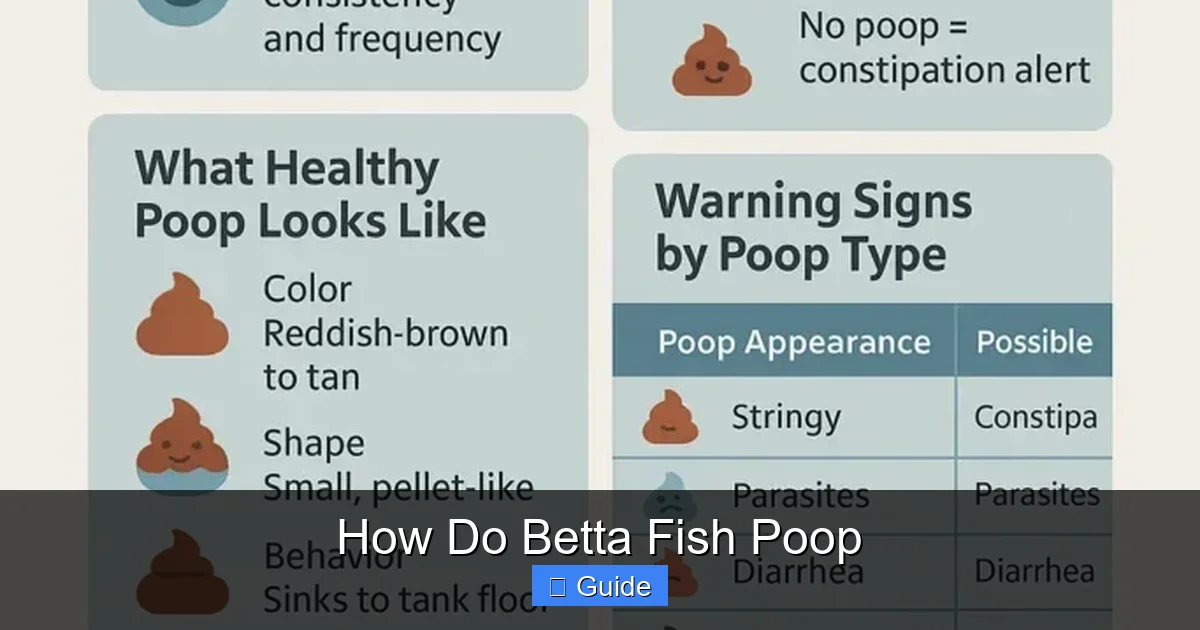
Now for the main event: identifying normal betta waste. Healthy betta poop is surprisingly consistent. It’s a small, discrete pellet or short strand. The color is typically a dark brown, similar to the color of their food (especially if you feed high-protein pellets or frozen foods). It can sometimes appear nearly black. The texture is key: it should be firm, moist, and hold its shape—think of a tiny piece of soft toothpaste or a short, thick strand of cooked spaghetti that doesn’t fall apart easily. The most important behavioral trait is that it sinks immediately to the substrate or tank bottom.
Visual guide about How Do Betta Fish Poop
Image source: japanesefightingfish.org
You’ll usually see a betta poop shortly after a meal, often within 15-30 minutes. They may give a little wiggle or shudder as they expel it. The amount is small relative to their size; a single pellet-sized piece is normal for an adult betta. Because their digestive tract is so short, food transits quickly, so you shouldn’t see a large, continuous string of waste. If you’re using a dark substrate like black sand or gravel, it can be easier to spot the dark pellets. In a brightly lit tank with light-colored substrate, you might need to look carefully at the bottom, especially near the betta’s favorite resting spots.
Size, Color, and Consistency: The Three Pillars
- Size: Typically 1-2 millimeters in diameter and 2-5 mm long. It should be proportional to the fish’s size. A large, bulky poop is a red flag for overfeeding or impaction.
- Color: Dark brown to black is standard. The color often reflects the most recent meal. If you feed exclusively brine shrimp (which are pink/red), the poop might have a reddish tinge for a day. If it’s consistently pale, white, or clear, that’s a problem.
- Consistency: Firm and cohesive. It should not be mushy, runny, or crumbly. If it disintegrates as it sinks, it’s too soft. If it’s a hard, white pebble, it’s likely constipation.
How Often Should a Betta Fish Poop? Understanding the Rhythm
Frequency is the second critical metric. A healthy, adult betta on a proper diet will typically produce waste once or twice per day. This aligns with their natural feeding pattern of taking in small amounts frequently. However, “normal” has a range. Some bettas, especially older ones or those in slightly cooler water (which slows metabolism), might only poop every other day. The key is consistency and observing the quality of that single poop.
Visual guide about How Do Betta Fish Poop
Image source: ekk4j69ebaa.exactdn.com
Several factors influence frequency:
- Diet: A meal of fibrous daphnia (which acts as a natural laxative) might prompt a poop sooner than a meal of rich bloodworms.
- Water Temperature: Bettas are tropical fish. Their ideal range is 78-80°F (25.5-26.5°C). Metabolism slows dramatically below 76°F, leading to reduced appetite and less frequent, often harder, waste.
- Stress: A new environment, aggressive tank mates, or poor water parameters can suppress appetite and digestive function, causing a betta to not eat or poop for several days.
- Age: Younger bettas (fry and juveniles) have very high metabolisms and may poop multiple times a day after each tiny feeding. Senior bettas slow down.
What’s concerning? A complete stop in pooping for more than 3-4 days in an otherwise eating betta is a major red flag for severe constipation or impaction. Conversely, excessive pooping—lots of small, stringy, or clear waste multiple times a day—often points to a parasitic infection like Hexamita (signaled by clear, thread-like poop) or a bacterial issue.
Poop as a Health Indicator: Reading the Warning Signs
This is where your observational skills become a diagnostic tool. Changes in your betta’s waste are often the first and most obvious symptom of an underlying issue. Here’s a breakdown of common abnormal poop types and what they likely mean:
Visual guide about How Do Betta Fish Poop
Image source: ekk4j69ebaa.exactdn.com
White or Pale Stringy Poop
This is the classic sign of an internal parasite infection, most commonly Hexamita or Spironucleus. The poop becomes long, thin, and almost transparent or white because the parasite is consuming the nutrients from the betta’s food before it can be digested and colored. The betta may still eat but is losing weight. This requires medication with metronidazole or a formalin-based parasite treatment.
Long, Thick, White or Chalky Poop (Constipation)
This is the opposite problem. The poop is a thick, white, rope-like strand that the betta strains to pass. It’s caused by a lack of fiber and/or dehydration in the diet, often from overfeeding dry pellets. The solution is a fast (24-48 hours), then feeding a small, skinned pea (blanched and deshelled) or daphnia as a natural laxative. Ensure water temperature is optimal to aid digestion.
Clear or Gelatinous Blobs
Poop that looks like clear jelly or mucus is a sign of a severe bacterial infection, often of the digestive tract. The intestine is inflamed and secreting mucus, which passes out. The betta will usually be lethargic, not eating, and may have other symptoms like clamped fins or raised scales. This is serious and requires antibacterial medication like Maracyn or Kanaplex, often administered via bath or food soak.
Floating Poop
Healthy betta poop sinks. If it floats, it’s almost always because it’s full of gas or air. This is caused by overfeeding or feeding foods that ferment in the gut (like too many bloodworms or fillers). The digestive process is disrupted, producing gas that gets trapped. Cut back on feedings, fast for a day, and switch to a high-quality, low-filler pellet.
Brown, Mushy, or Disintegrating Poop
This suggests diarrhea or a very upset digestive system. It could be from a sudden change in diet, poor water quality causing stress, or the early stages of an infection. Check water parameters immediately, review your feeding routine, and consider a bland diet of just high-quality pellets for a few days.
Common Poop Problems and Their Solutions
Armed with the knowledge of what to look for, let’s address the most frequent scenarios betta owners face. Remember, water quality and diet are the foundations of solving 90% of poop problems.
The Overfeeding Epidemic
This is the single most common mistake. Betta stomachs are roughly the size of their eye. A proper meal is 2-3 small pellets, or an amount they can consume in under 3 minutes, once or twice a day. Overfeeding leads to:
- Excess waste that fouls the water.
- Digestive overload, causing constipation or gas (floating poop).
- Obesity and fatty liver disease.
- Increased bioload, crashing the nitrogen cycle.
- Fast: Stop all food for 24-48 hours. This gives the digestive system a rest.
- Fiber Treatment: Offer a small piece of a blanched, deshelled green pea. The pea is a perfect, gentle fiber source. Alternatively, feed a few daphnia (live or frozen).
- Hydration: Ensure your betta can easily gulp air from the surface (they are labyrinth fish). Gently lower the water level slightly if needed to make this easier.
- Epsom Salt Bath: For severe swelling, a 15-minute bath in 1 teaspoon of Epsom salt per gallon of *separate* treatment water can help reduce swelling and draw out fluid. Do not add salt to the main tank.
- Use a gravel vacuum/siphon. Gently stir the substrate in areas where waste accumulates (under the filter outflow, in corners, in plant beds) and siphon out the debris. Don’t just remove water from the top; get the mulm from the bottom.
- Clean the filter media. Rinse filter sponges or bio-balls in the old tank water you just removed during the water change. Never use tap water, as it kills beneficial bacteria.
- Wipe the glass. Remove any algae or film that can harbor bacteria.
- Never remove all the water at once. This crashes the cycle and stresses your betta.
Solution: Implement a strict feeding schedule. Measure your food. If you see uneaten pellets after 3 minutes, you’ve fed too much. Skip a meal if your betta is lethargic or you suspect constipation. Remember, it’s better to underfeed slightly than overfeed.
Constipation and Impaction
Signs: A swollen, sometimes lumpy abdomen, lack of poop for several days, white stringy poop, lethargy, and difficulty swimming (if severe).
Solution Protocol:
Parasitic Infections (Hexamita)
Signs: Long, white, stringy, often coiled poop. Weight loss despite good appetite. Lethargy. Sometimes “hole-in-the-head” disease (pitting on the head) in advanced cases.
Solution: This requires medication. Metronidazole is the standard treatment. It can be mixed into food (soak pellets in a solution) or added to the water. Follow dosage instructions carefully for 5-7 days. Since parasites can be introduced via live foods, consider quarantining or avoiding live foods if this is a recurring issue.
Tank Maintenance and Poop Management: The Proactive Approach
Your job isn’t just to react to poop problems; it’s to create an environment where normal, healthy digestion is the default outcome. This is where tank maintenance becomes inseparable from health monitoring.
The Nitrogen Cycle: Poop’s Journey to Poison
Betta poop is organic waste. As it decays, bacteria convert it into ammonia (NH3/NH4+), which is highly toxic to fish. In a cycled tank, beneficial bacteria (Nitrosomonas) convert ammonia to nitrite (NO2-), which is also toxic. Then another bacteria (Nitrospira) converts nitrite to nitrate (NO3-), which is much less toxic and can be removed by water changes. If your tank isn’t fully cycled, or if you overfeed and produce more ammonia than the bacteria can handle, you get “ammonia spikes.” This poisons your betta, stressing its entire system, including digestion, and leading to disease. Testing your water weekly with a liquid test kit is non-negotiable. Target readings: Ammonia = 0, Nitrite = 0, Nitrate < 20 ppm.
Effective Cleaning: Getting the Waste Out
Poop that sinks to the substrate will eventually break down. But you don’t want to wait that long. During your weekly 25-30% water change:
Consider the substrate: Sand is easier to siphon without disturbing too much debris if you hover the vacuum just above it. Gravel can trap waste between stones. Bare-bottom tanks make waste spotting and removal trivial but lack beneficial bacterial surface area.
Conclusion: Your Betta’s Poop is a Conversation
Learning how betta fish poop transforms you from a passive owner into an active caretaker. That little dark pellet sinking to the bottom is your betta’s daily health report. It’s a conversation in a language you can learn to read. By understanding the normal—small, dark, firm, and sinking—you empower yourself to spot the abnormal immediately. Remember the core principles: a carnivore’s simple gut needs small, high-protein meals without fillers; clean, warm, stable water is the bedrock of digestion; and consistent observation is your most powerful tool. When you see a change, don’t panic. Assess. Fast if needed. Adjust diet. Test your water. Most issues are resolved by returning to the basics of proper husbandry. Your attentive care, guided by this simple sign, is what will keep your betta’s colors vibrant, his fins flowing, and his little body functioning perfectly for years to come.
Frequently Asked Questions
Why is my betta fish’s poop white and stringy?
White, stringy, often coiled poop is the classic symptom of an internal parasite infection, most commonly Hexamita. The parasite consumes nutrients from the food, leaving pale, undigested waste. Your betta may still eat but will lose weight. Treatment with metronidazole, either in food or water, is typically required for 5-7 days.
My betta hasn’t pooped in 4 days but is still eating. What’s wrong?
A lack of poop for 3-4 days in an eating betta is a strong indicator of severe constipation or impaction. This is usually caused by overfeeding dry foods or a lack of fiber. Implement a 24-48 hour fast, then offer a small piece of blanched, deshelled green pea or a few daphnia as a natural laxative. Ensure your water temperature is in the optimal 78-80°F range to aid digestion.
Is it normal for betta fish poop to float?
No, healthy betta poop should sink immediately. Floating poop indicates gas trapped in the waste, which is almost always caused by overfeeding or feeding foods that ferment in the gut (like too many bloodworms or low-quality pellets with fillers). Fast your betta for a day, then resume with a strict, small portion of high-quality, low-filler pellets.
What does clear, jelly-like betta poop mean?
Clear, gelatinous, or mucous-like blobs of waste are a sign of a serious bacterial infection of the digestive tract. This is often accompanied by lethargy, loss of appetite, and clamped fins. It requires immediate treatment with a broad-spectrum antibacterial medication like Maracyn or Kanaplex, administered according to the package directions, usually via bath or food soak.
How can I tell if I’m overfeeding my betta?
You’re likely overfeeding if you see uneaten pellets after 2-3 minutes, if your betta has a noticeably swollen or “bloated” abdomen, if you see frequent floating or excessive waste, or if water quality deteriorates quickly between changes. A betta’s stomach is about the size of its eye. Feed only what it can eat in 2-3 minutes, 1-2 times daily. Skipping a meal once a week is beneficial.
How often should I clean betta poop from the tank?
You should remove visible waste during every weekly water change (25-30%) by using a gravel vacuum to siphon the substrate. For optimal health, spot-clean any large pieces of poop you see within a day or two of it appearing. Never let large amounts of decaying waste accumulate, as it will spike toxic ammonia levels and degrade water quality. A cycled filter will handle some breakdown, but physical removal is essential.